
Essential Guide to Basement Waterproofing: Protecting Your Home from Water Damage
When it comes to homeownership, few things are as terrifying as the dreaded sound of dripping water in your basement. For many, the basement is a dark, mysterious realm where forgotten holiday decorations and old furniture go to live out their lives. But if you start hearing gurgles and splashes, that space might transform from a mere storage area to a veritable swimming pool! Enter the essential guide to basement waterproofing—a homeowner’s best friend in the battle against water damage.
Why Should You Care About Basement Waterproofing?
Water damage can be a nightmare. It’s sneaky, destructive, and often expensive to fix. Whether it is a torrential rainstorm or an underground spring, moisture can seep into your home and wreak havoc on everything from your foundation to your family’s health. Here’s why waterproofing your basement should be at the top of your home maintenance list:
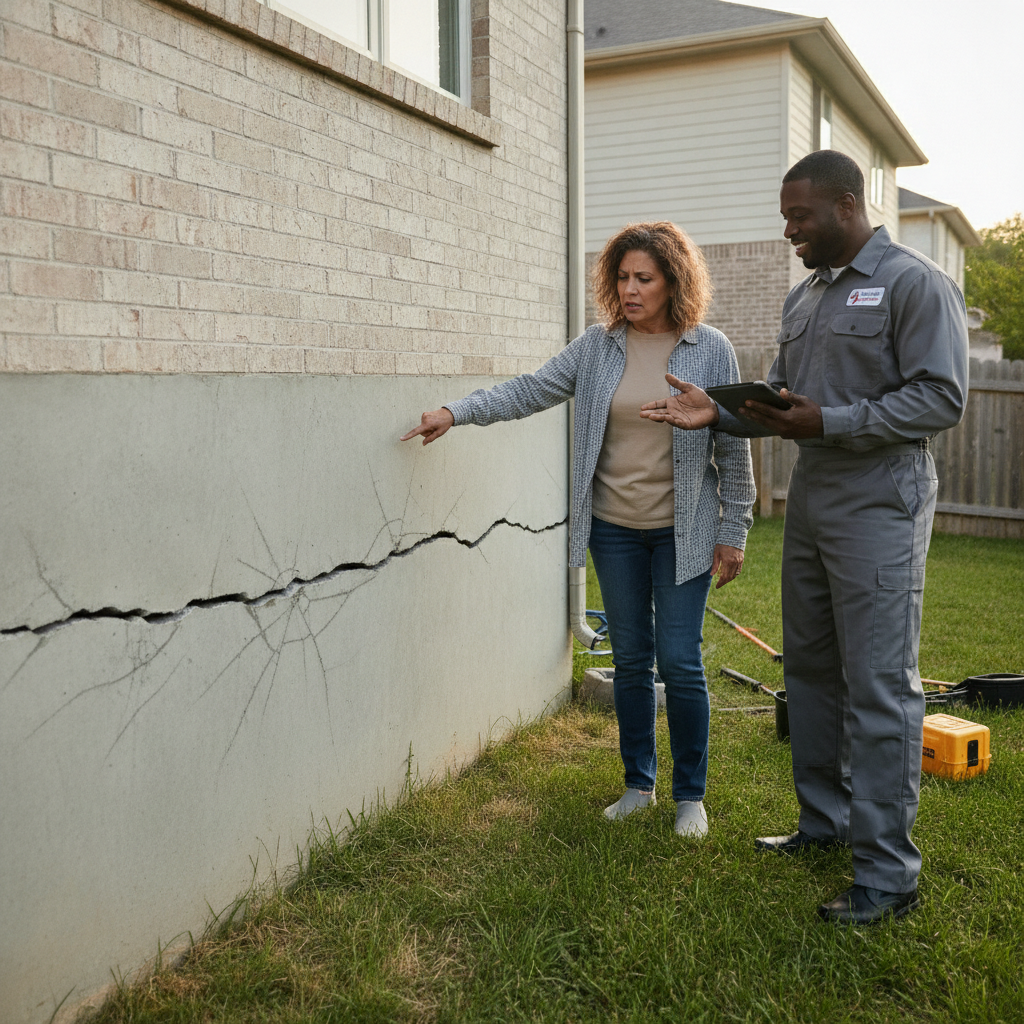
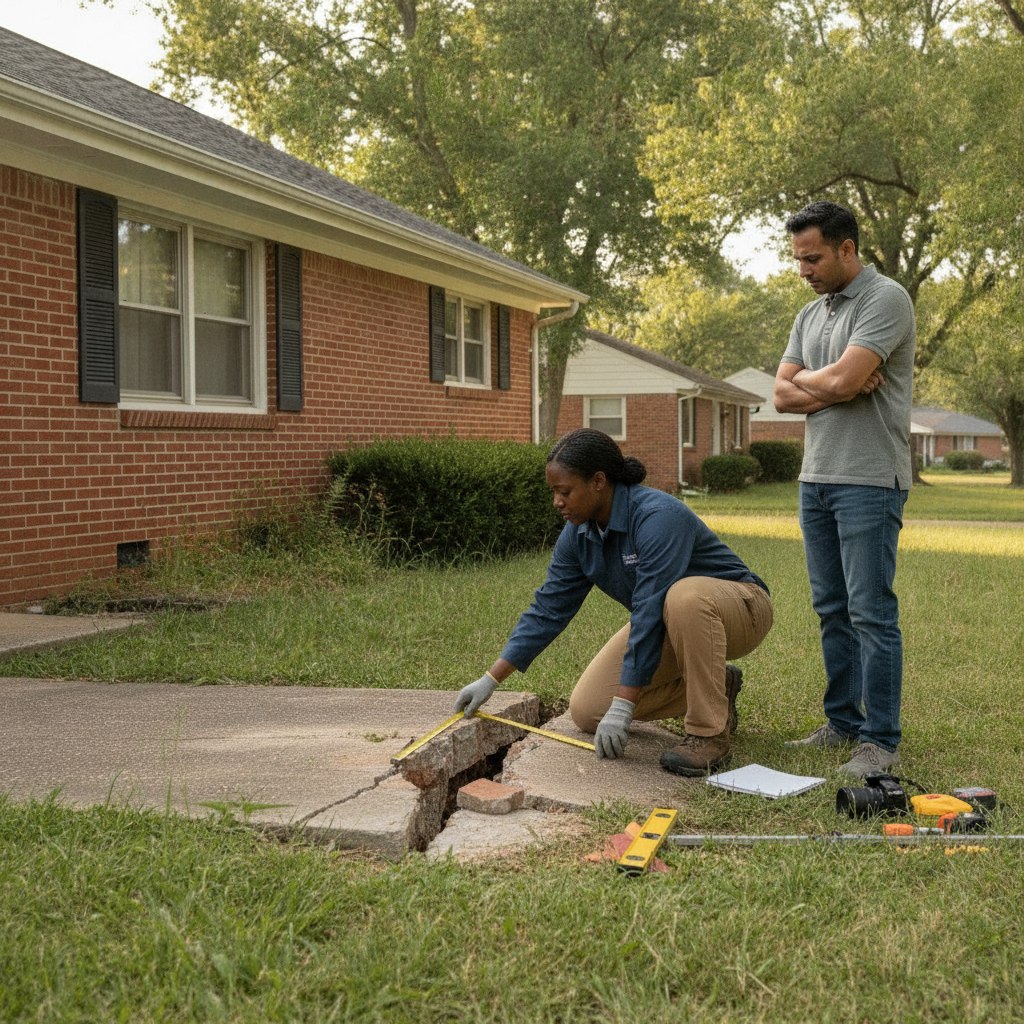
1. **Structural Integrity**: Excess water can erode the foundation of your home, leading to cracks, settling issues, and even catastrophic failure. Your house isn’t a boat, and it doesn’t belong in water.
2. **Mold and Mildew**: Damp environments are breeding grounds for mold and mildew. Not only can they damage your belongings, but they can also cause serious health problems. So, unless you want your home to double as a science experiment, it’s time to waterproof!
3. **Increased Property Value**: A dry, well-maintained basement adds value to your home. Potential buyers tend to run from homes with water problems faster than you can say “foundation repair.”
4. **Usable Space**: A waterproofed basement can be transformed into a comfortable family room, a guest suite, or storage for your extensive collection of novelty mugs. If it’s dry, the possibilities are endless!
5. **Insurance Savings**: Some insurance companies offer discounts for homes that have been waterproofed. It’s like giving a little gift to yourself while protecting your biggest asset.
Understanding the Causes of Basement Water Problems
Before we jump into solutions, let’s take a moment to understand why your basement might be getting more water than an Olympic swimming pool. Common causes include:
1. **Poor Grading**: If the land around your home slopes towards the foundation rather than away from it, rainwater has no choice but to pool near your house.
2. **Gutters and Downspouts**: Clogged gutters or insufficient downspouts can lead to water overflow, directing it right to your basement. Think of your gutters as the first line of defense—so don’t neglect them!
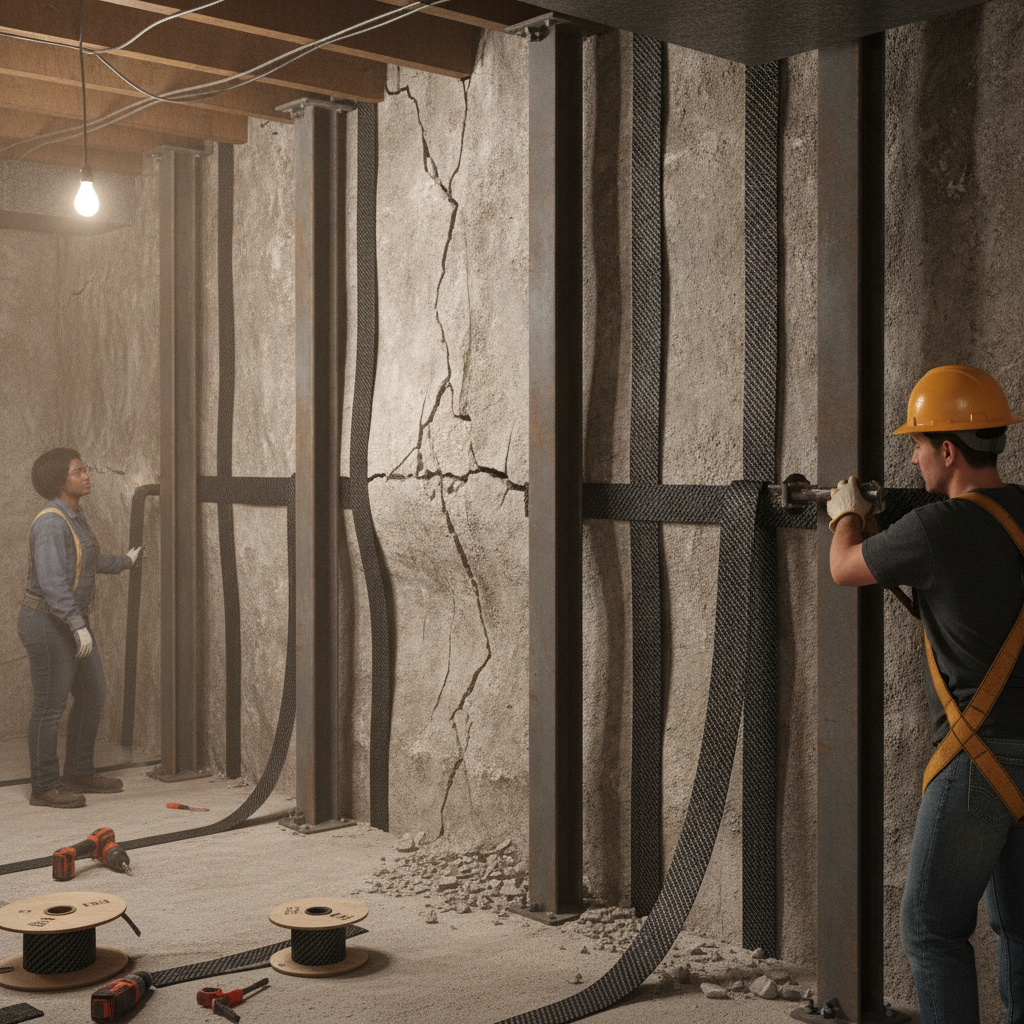
3. **Cracks in Walls and Floors**: Even tiny cracks can allow water to seep through. Over time, these little fissures can turn into major leaks.
4. **Hydrostatic Pressure**: This occurs when the soil around your foundation becomes saturated and exerts pressure against your walls. It’s like that feeling you get when you’ve had one too many sodas—sometimes, it just has to escape!
5. **Sump Pump Failure**: If your sump pump is supposed to keep your basement dry but fails to do so, it could spell disaster. Regular maintenance is key.
Basement Waterproofing Solutions
Now that you understand the “why” behind basement water issues, let’s explore some solid solutions to keep your basement dry and happy.
### 1. Interior Waterproofing
This method is all about managing water that makes its way into your basement.
– **Sealants**: Apply waterproof sealants to walls and floors. This will help prevent water from seeping in but won’t stop it if there are bigger issues outside.
– **Interior Drainage Systems**: Installing a French drain system or an interior drainage channel can divert any incoming water to a sump pump. Think of it as a moat for your castle—only less medieval and more modern.
– **Sump Pumps**: These handy devices pump out water that collects in the sump pit before it has a chance to flood your basement. Make sure to have a backup power source, especially during storm season.
### 2. Exterior Waterproofing
Taking action outside your foundation is crucial to preventing water from entering in the first place.
– **Proper Grading**: Ensure that the ground around your home slopes away from the foundation. You’d be surprised how much difference a little dirt can make. And hey, if you need to throw in some landscaping while you’re at it, that’s a two-for-one win!
– **Gutter Maintenance**: Regularly clean your gutters and ensure that downspouts direct water at least six feet away from your foundation. They are your first line of defense, so treat them well.
– **Waterproofing Membranes**: Applying a waterproof membrane on the exterior of your foundation can create an impermeable barrier between your home and the elements. It’s like giving your foundation a stylish raincoat!
### 3. Landscaping Solutions
Sometimes, a little greenery can do wonders for your home’s hydration levels.
– **French Drains**: We mentioned them earlier, but they deserve another shout-out. These gravel-filled trenches can collect and redirect water away from your home.
– **Rain Gardens**: Creating a rain garden can be a beautiful addition to your yard and help absorb excess rainwater.
### 4. Professional Help
If the thought of tackling basement waterproofing seems daunting, don’t hesitate to call in the experts. A professional waterproofing contractor can assess your unique situation and provide tailored solutions. But remember, while they bring the expertise, you provide the snacks—no successful project is complete without good snacks.
Maintaining Your Waterproofed Basement
Congratulations! You’ve taken the necessary steps to protect your basement. But remember, waterproofing is not a one-and-done deal. Here are a few tips to keep things shipshape:
1. **Regular Checks**: Inspect your basement regularly for signs of dampness or leaks. Look for any new cracks in walls and floors.
2. **Gutter Cleaning**: Make it a habit to clean your gutters at least twice a year, or more frequently if your home is surrounded by trees.
3. **Sump Pump Maintenance**: Test your sump pump monthly and clean it at least once a year. A little maintenance can go a long way!
4. **Monitor Water Levels**: If you have a foot of snow in the winter, keep an eye out in the spring. Melting snow can lead to potential flooding.
5. **Landscaping Care**: Keep your yard in check to ensure proper drainage. Trim back overgrown plants and maintain that slope away from your house.
Conclusion
Basement waterproofing doesn’t have to be a daunting task. With the right knowledge and a bit of proactive care, you can keep your sanctuary safe from water damage. Remember, a little investment in prevention today can save you a ton of headaches (and dollars) tomorrow. Your basement deserves to be a part of your home, not a gloomy dungeon filled with water. So, roll up those sleeves and tackle the issue head-on—you’ve got this!