
Transform Your Home: Essential Guide to Effective Foundation Repair Techniques
Is your house beginning to resemble the Leaning Tower of Pisa? Is that charming crack in your basement wall making you reconsider your life choices? When it comes to homeownership, few things are as daunting as foundation issues. Fortunately, with some proactive measures and effective foundation repair techniques, you can reclaim your home’s structural integrity and possibly avoid the dreaded “House of Cards” scenario. So grab a cup of coffee, roll up your sleeves, and let’s dive into the nitty-gritty of foundation repair!
Understanding the Importance of a Strong Foundation
Before we delve into various foundation repair techniques, let’s take a moment to understand why a sound foundation is essential. Your home’s foundation supports everything above it. If it fails, it can lead to serious structural problems, such as sagging floors, cracks in walls, and even water intrusion. Essentially, a strong foundation is your home’s first line of defense against Mother Nature’s unpredictable moods.
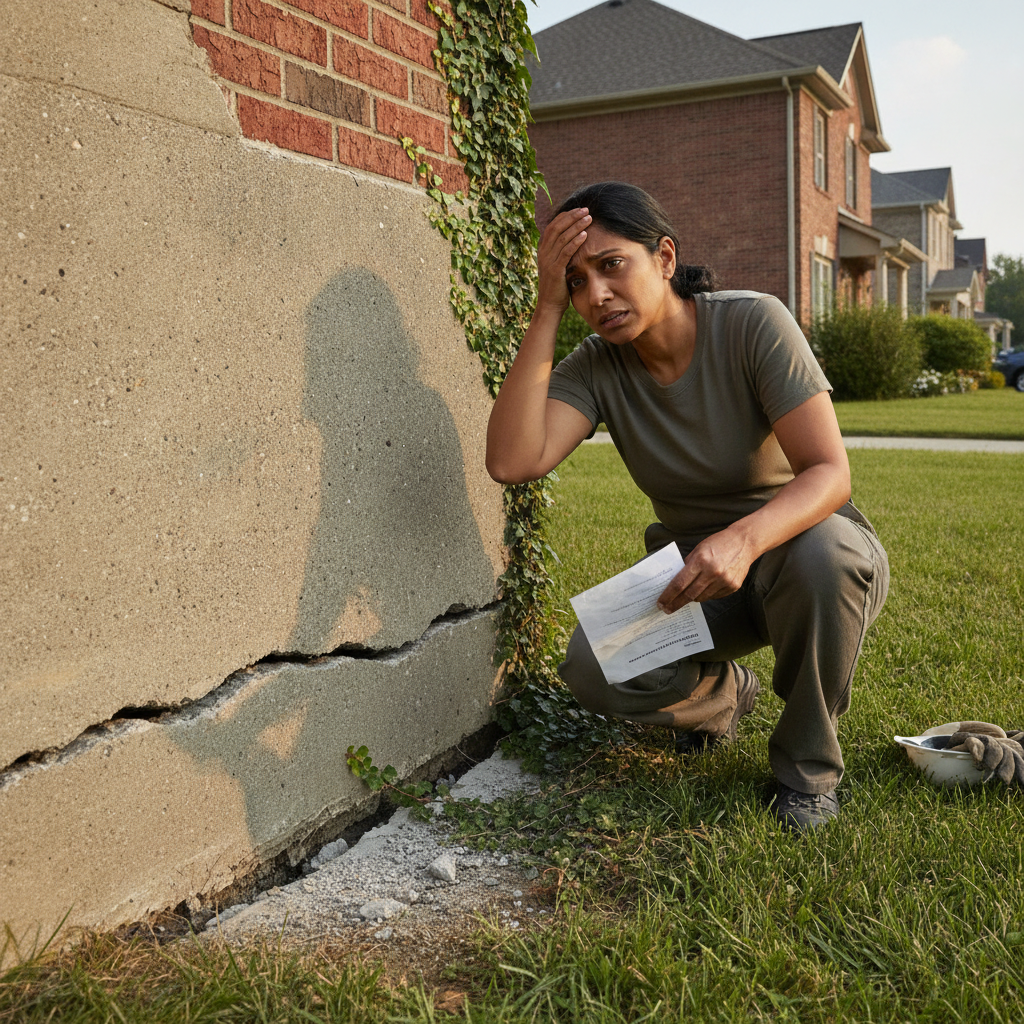
Many factors can contribute to foundation issues, including soil erosion, expansive clay soils, poor drainage, and even tree roots. Like your Aunt Edna at Thanksgiving dinner, these factors can be a bit unpredictable and difficult to manage. Recognizing early signs of foundation problems is crucial. Look out for cracks in walls (especially if they’re getting bigger), doors that stick or won’t close properly, and damp basements. If you spot any of these warning signs, it’s time to consider foundation repair.
Common Foundation Problems
Before we can effectively repair anything, we must first identify the issues at hand. Here are some common foundation problems you might encounter:
1. Cracks: These can appear in walls or floors and may indicate settling or shifting.
2. Heaving: This occurs when the ground under your foundation expands due to moisture, causing the foundation to rise.
3. Settlement: On the flip side, settlement happens when the ground beneath your foundation shrinks.
4. Bowing Walls: If your walls are leaning inward, you have a classic case of bowing, often caused by hydrostatic pressure from the soil.
5. Water Damage: Poor drainage can lead to water pooling around your foundation, creating a breeding ground for mold and termites.
Now that we’ve identified the villains of our story, let’s explore the heroic repair techniques that will help restore peace to your home.
Effective Foundation Repair Techniques
1. **Crack Injection**
For small cracks that resemble tiny highways in your walls, crack injection is the superhero of repairs. This technique involves injecting epoxy or polyurethane foam into the crack to seal it and prevent water intrusion. It’s relatively quick and inexpensive, making it a popular choice among homeowners who are looking for a cost-effective solution.
However, don’t mistake it for an all-encompassing fix. While crack injection addresses the symptoms, it doesn’t resolve the underlying causes of the cracks, so it should be combined with other techniques.
2. **Piering**
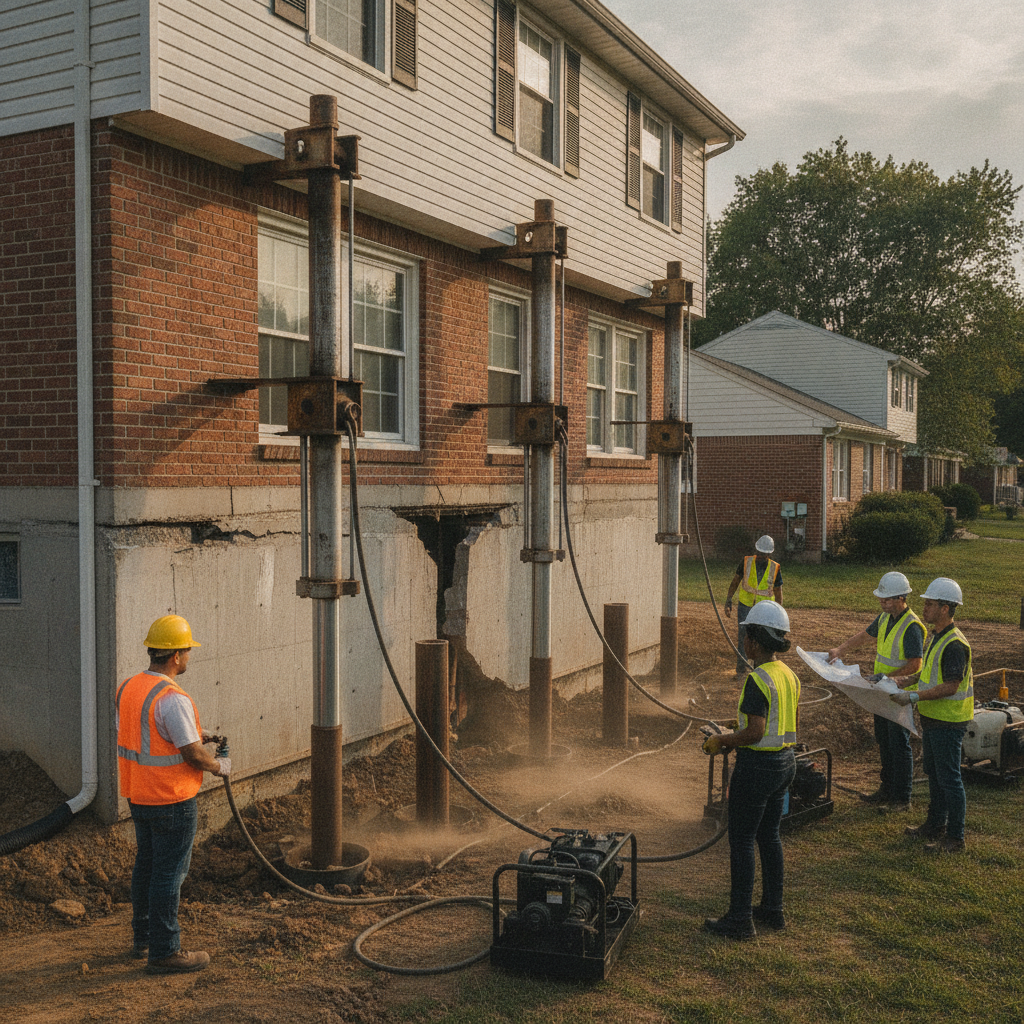
If your foundation is settling, piering (or underpinning) can work wonders. This technique involves inserting piers deep into the ground until they reach stable soil or bedrock. Hydraulic jacks then lift and support the foundation, returning it to its rightful position. Think of it as giving your house the boost it needs to stand tall again!
There are different types of piers, including concrete and steel options. Piering is generally more invasive and requires professional installation, but don’t worry – it’s worth the investment. After all, you wouldn’t want your house to start doing the limbo.
3. **Slabjacking**
For homes with concrete slabs, slabjacking can provide the necessary lift and stabilization. This technique involves pumping a special mixture under the slab to fill voids and raise it back into place. It’s like putting your driveway on a diet – watch it lift and firm up as the excess material is pumped away!
Slabjacking is less invasive than piering and can often be completed in just a few hours. Plus, once your slab is level, you can avoid those awkward moments when you’re trying to walk across a tilted floor without spilling your coffee.
4. **Wall Bracing**
For bowing walls, wall bracing is your best bet. This method employs steel beams or braces to stabilize and straighten your foundation walls. Depending on the severity of the bowing, it can either be a temporary or permanent solution.
Let’s face it – nobody wants a wall that looks like it’s been doing yoga classes for too long. Wall bracing not only corrects the issue but also adds extra support, ensuring your home stands strong against exterior pressures.
5. **Water Management Solutions**
If water is wreaking havoc around your foundation (and let’s be honest, it often does), managing drainage is critical. This can involve installing gutters, downspouts, or French drains to redirect water away from your foundation. A little prevention goes a long way in safeguarding your home from water damage.
Additionally, grading your landscape to slope away from your home can be an effective way to keep water at bay. You wouldn’t want to set the stage for a swimming pool right next to your home, after all!
6. **Crawl Space Encapsulation**
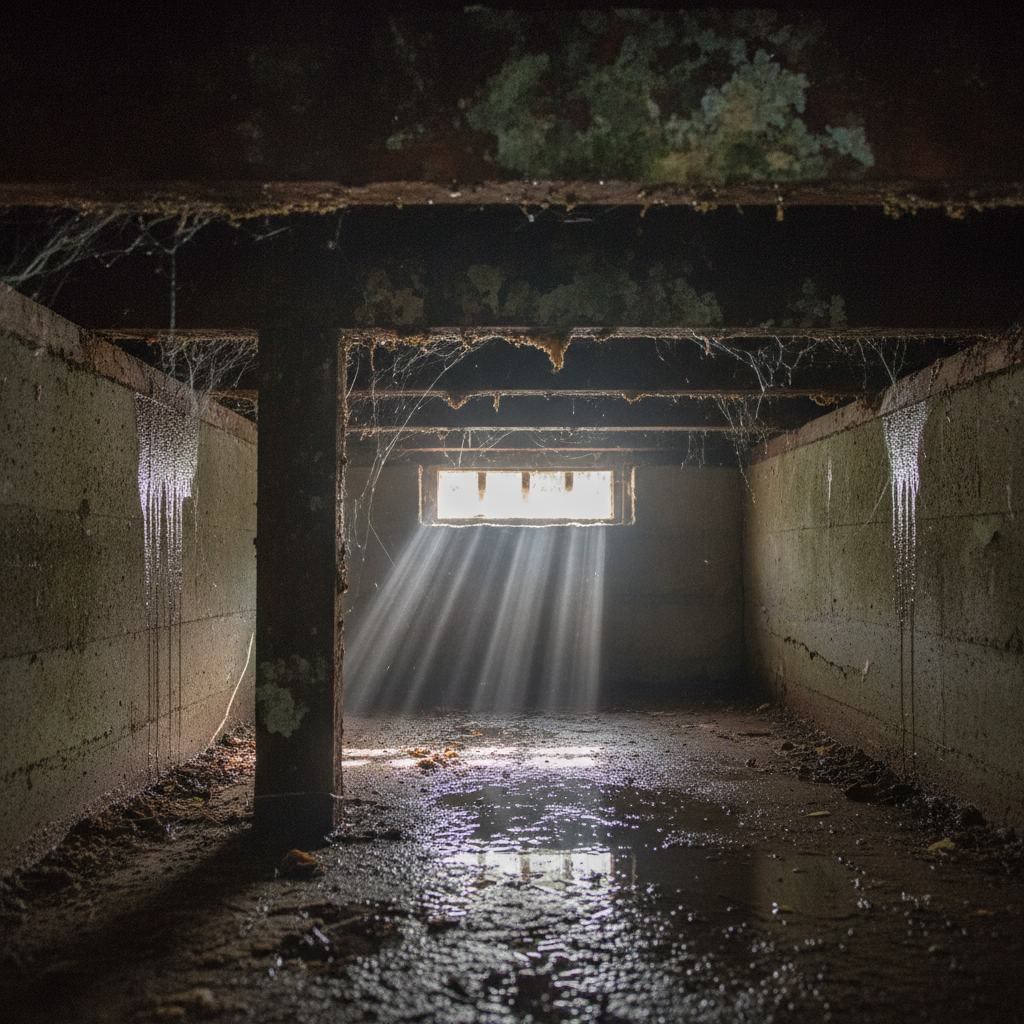
For homes with crawl spaces, encapsulation can be a game-changer. This technique involves sealing the crawl space with a durable vapor barrier to prevent moisture from seeping in. It’s like giving your crawl space a raincoat – keeping it dry and reducing the risk of mold.
While encapsulation doesn’t directly address structural issues, it creates an environment that minimizes the chances of further damage to your foundation. Prevention is key!
7. **Soil Stabilization**
In cases where poor soil conditions cause foundation problems, soil stabilization techniques can help. This may involve using chemical solutions or compaction methods to improve the load-bearing capacity of the soil surrounding your foundation. Think of it as giving your foundation a solid bed to rest upon.
Soil stabilization can be complex and often requires the expertise of a professional geotechnical engineer. However, the long-term benefits of having stable soil can’t be overstated.
When to Call in the Professionals
While DIY projects can be tempting, tackling foundation repair can be a bit more complicated than assembling IKEA furniture. It’s usually a good idea to consult with a qualified foundation repair contractor if:
– You notice significant cracks or structural shifts
– Your walls are bowing or leaning
– You have water intrusion issues
– You feel overwhelmed by the information (trust me, it’s easy)
Professional assessment can provide you with a clear understanding of the best course of action for your specific situation. They’ll help you understand the severity of the problem and guide you through the repair process.
Prevention: Keeping Your Foundation Healthy
Once you’ve taken care of any foundation issues, it’s vital to keep the bad guys at bay. Here are some preventive measures to maintain the health of your foundation:
– **Regular Inspections**: Make a habit of checking your foundation for cracks or shifting. After all, anomaly spotting can be a fun new hobby!
– **Proper Drainage**: Ensure gutters and downspouts are functioning correctly. Clean out debris regularly and make sure water flows away from your home.
– **Maintain Landscaping**: Keep trees at a safe distance from your foundation and ensure landscaping slopes away from your home.
– **Monitor Moisture Levels**: Ensure that water levels around your foundation are balanced. Too much moisture can lead to heaving, while too little can cause settlement.
In conclusion, transforming your home starts with a solid foundation, both figuratively and literally. By staying vigilant, recognizing early warning signs, and employing effective foundation repair techniques, you can maintain your home’s structural integrity and longevity. Remember to approach the situation with caution and patience—after all, fixing up your foundation is more than just a quick fix; it’s a commitment to ensuring your home remains a safe haven for years to come.