
Essential Guide to Foundation Repair: Ensuring a Solid Base for Your Home
When it comes to the structures we inhabit, our homes deserve the utmost care. They are not just walls and roofs; they are the sanctuary of our lives. But even the most charming of houses can find themselves resting on shaky ground—literally. Foundation problems can sneak up on any homeowner, turning a cozy abode into an architect’s worst nightmare. That’s where foundation repair comes into play, and trust me, this is one area where you don’t want to skimp on quality. So let’s dive in and explore everything you need to know about foundation repair—the essential guide to ensuring your home stays as stable as your morning coffee.
Understanding the Importance of Foundation
Before we get into the nitty-gritty of repairs, let’s first chat about what a foundation actually does. Imagine trying to build a pizza on a flimsy paper plate—your cheese and toppings will go sliding everywhere! The same goes for your home; without a solid foundation, it would be nothing more than an awkwardly stacked game of Jenga, awaiting disaster.
A strong foundation supports the weight of the structure, distributes loads, and keeps out moisture. In essence, it provides stability, safety, and assurance that your home won’t transform into a modern art piece on the verge of collapse. If you notice cracks in your walls or doors that stick (and I’m not talking about the kind that simply need a little oil), it’s time to address the foundation.
Common Signs of Foundation Trouble
Now that we’ve established the foundation’s importance, let’s talk about the warning signs that your home might be experiencing issues worthy of immediate attention. Keep an eye out for these red flags:
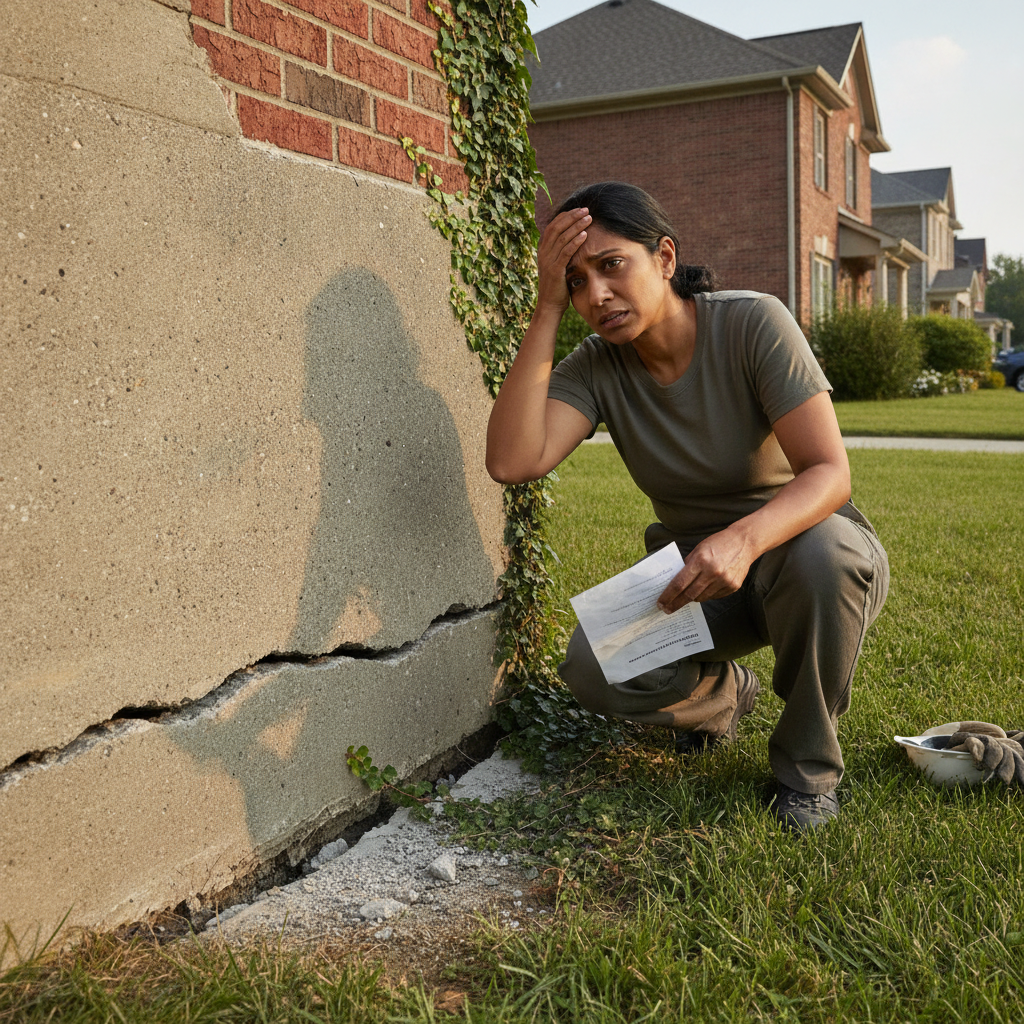
1. Cracks in Walls and Floors: Small cracks may be normal, but large, jagged fractures could indicate a significant issue.
2. Doors and Windows That Stick: If your front door has decided to take an extended vacation from being accessible, it might be time to inspect the foundation.
3. Uneven Floors: If your once-flat floor has started resembling a roller coaster, you may want to investigate further.
4. Gaps Around Windows and Doors: A little air conditioning escaping through tiny gaps can be charming during summer, but large spaces are a whole different story.
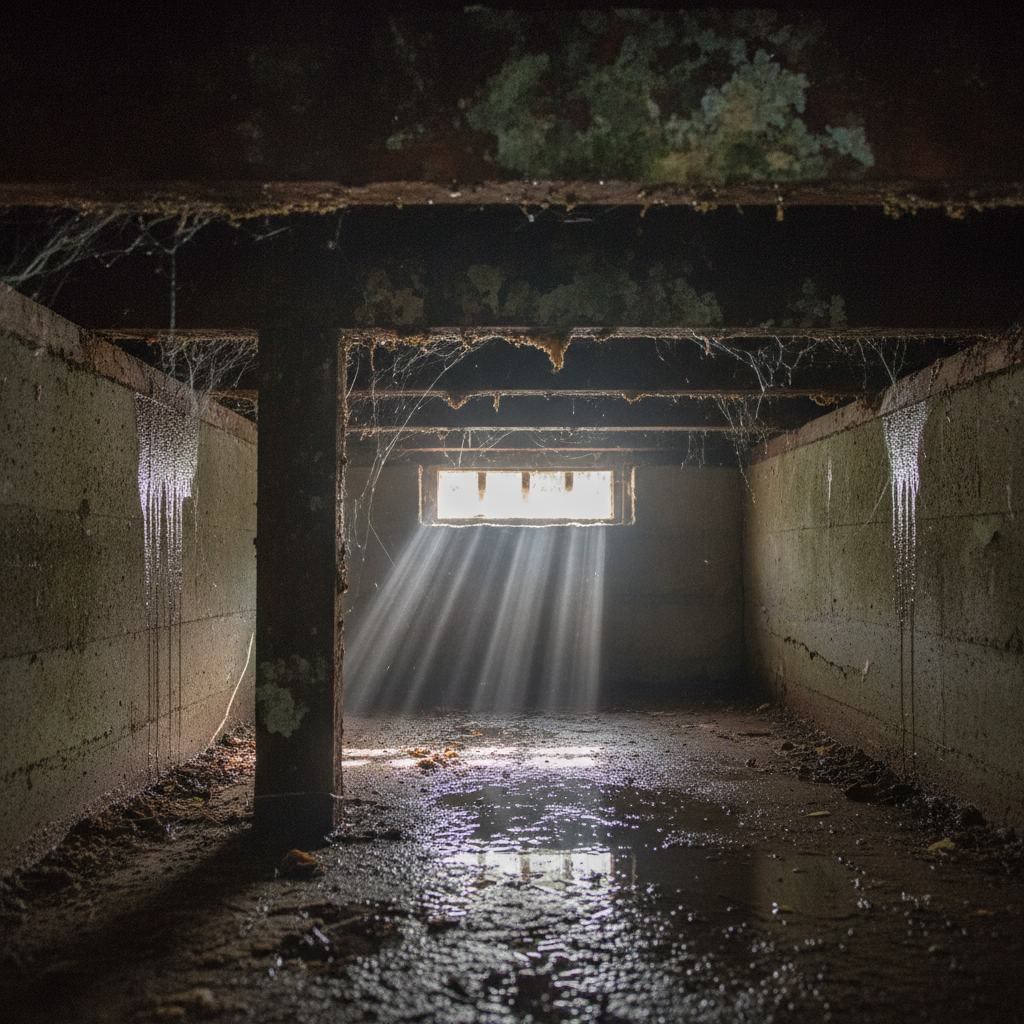
5. Water Intrusion: Puddles in your basement or crawl space could signal water-related issues stemming from foundation failure.
If you spot these signs, don’t panic. While foundation problems can seem daunting, many repairs can be handled with the right knowledge and expertise.
Types of Foundation Problems
Understanding the types of foundation problems can help you diagnose issues more effectively. Here are a few common culprits:
1. Settling Foundations: This occurs when soil beneath the foundation compresses over time, causing it to sink. It’s quite common and often manageable with appropriate repairs.
2. Heaving Foundations: Sometimes, the opposite happens, and the foundation appears to rise due to swelling clay soils or freeze-thaw cycles. This is like your foundation throwing a mini tantrum!
3. Cracked Foundations: Cracks can develop from settling or heaving. They can also occur due to poor construction practices or changes in environmental conditions.
4. Moisture Issues: Excessive moisture can lead to a host of foundation problems, including mold growth and soil erosion under the foundation.
5. Poor Drainage: If water isn’t diverted away from your foundation, your home may face risks, including flooding and soil erosion, leading to weakening.
Now that we know what could potentially go wrong, let’s move on to how to fix it!
Foundation Repair Techniques
Once you identify the problem, the next step is to determine the best repair method. Each issue requires a tailored approach, so let’s break down some common foundation repair techniques:
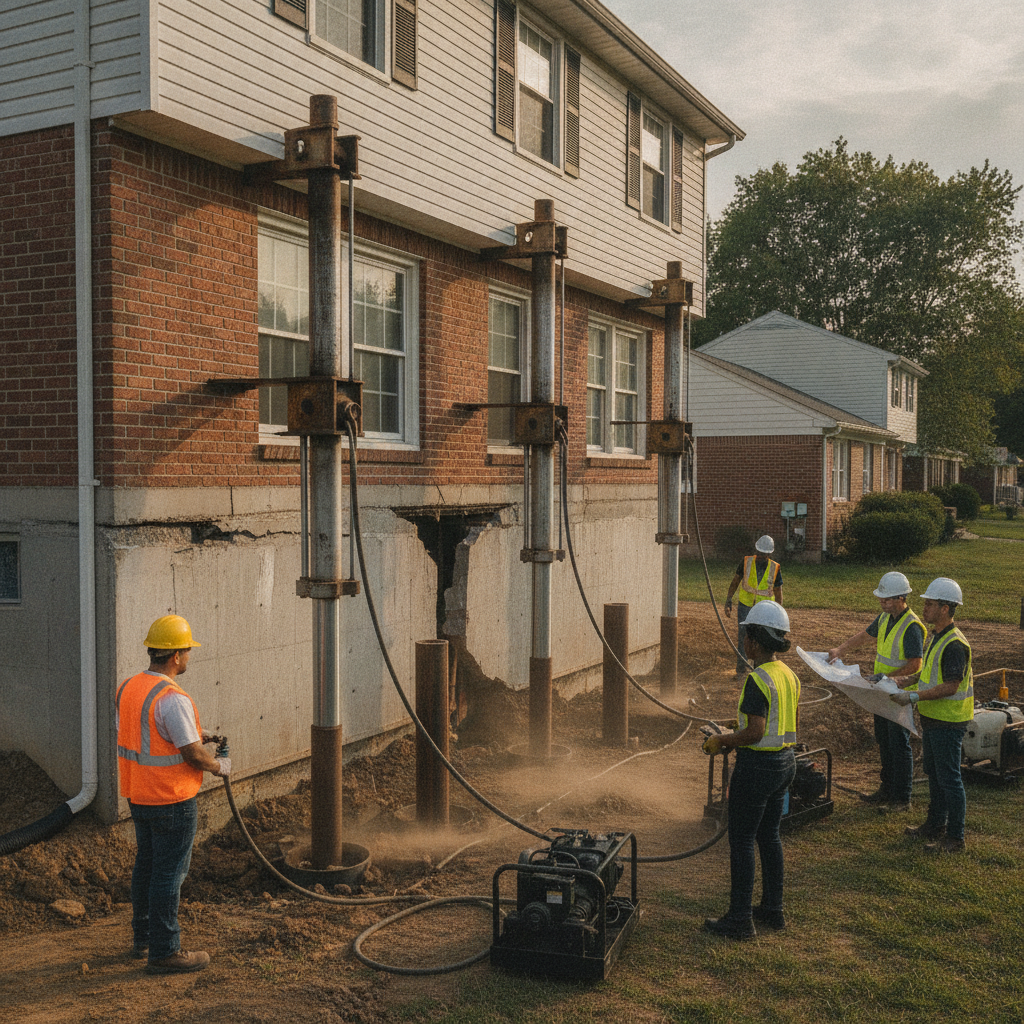
1. **Piering**: This process involves installing piers beneath the foundation to support it. It’s particularly useful for settling foundations, providing additional strength to prevent further sinking.
2. **Slabjacking**: For those dealing with concrete slab issues, slabjacking is a popular choice. It involves injecting a material under the slab to lift and level it back into place. Think of it as giving your foundation a much-needed boost!
3. **Wall Anchors**: If you have bowing or leaning walls, wall anchors can help stabilize them. These anchors are installed in the soil outside and connected to the wall, offering much-needed support.
4. **French Drains**: If moisture is a primary concern, installing a French drain system can help manage excess water around your foundation. This drainage technique redirects water and helps prevent future issues.
5. **Hydraulic Lift Systems**: If your foundation has settled significantly, hydraulic lift systems can raise the foundation back to its original level. Picture it as giving your house a gentle nudge upward!
Choosing the Right Foundation Repair Contractor
Selecting the right contractor is crucial. After all, you wouldn’t hire someone who thinks “blueprints” are just suggestions. Look for contractors with:
– **Experience**: Find reputable companies specializing in foundation repair with a history of successful projects.
– **Recommendations**: Check reviews or ask friends and family for referrals. Word-of-mouth can often be your best ally.
– **Licensing and Insurance**: Ensure your contractor has the necessary licenses and insurance to protect yourself in case something goes awry during repairs.
– **Free Estimates**: Many contractors offer free assessments. Use these consultations as opportunities to gauge their expertise and ask questions.
What to Expect During the Repair Process
So, you’ve hired a contractor and are ready for the repair work to begin. Here’s a sneak peek into what you might expect throughout the process:
1. **Assessment**: The contractor will first evaluate the extent of the damage and identify the underlying cause. This step is crucial for tailoring the right solution.
2. **Plan of Action**: Based on the assessment, the contractor will provide a detailed plan, outlining the proposed repairs, timeline, and costs involved.
3. **Preparation**: Before the actual work begins, they may need to clear the area around the foundation and ensure accessibility.
4. **The Fun Part**: This is when the piggy bank may start to feel lighter as the work begins! Depending on the method, expect noise, heavy machinery, and some upheaval around the workspace.
5. **Final Inspection**: Once repairs are completed, the contractor will assess everything to ensure it meets safety and structural integrity standards.
6. **Post-Repair Monitoring**: Some contractors may recommend monitoring the repairs for a period after completion to ensure everything remains stable. It’s like the post-op checkup for your home!
Preventing Future Foundation Issues
Congratulations! You’ve successfully navigated the world of foundation repair. Now, how do you maintain your home’s newfound stability? Consider these tips for prevention:
1. **Maintain Proper Drainage**: Ensure gutters and downspouts direct water away from your foundation, preventing moisture buildup.
2. **Inspect Regularly**: Conduct periodic checks of your foundation and surrounding landscape for any signs of trouble.
3. **Water Management**: Avoid overwatering your plants and lawn. Excess moisture can lead to soil erosion around the foundation.
4. **Landscaping Wisely**: If planting near your foundation, select plants with shallow root systems to minimize disruption to the soil.
5. **Control Soil Movement**: If you live in an area with expansive clay soils, consider consulting a professional for solutions to minimize movement.
Conclusion
Your home’s foundation is the silent hero that holds everything together. Foundation repair may seem intimidating, but with the right information and a proactive approach, you can maintain a solid base for your home. Remember, spotting the signs early and addressing them promptly can save you money in the long run. Take care of your foundation, and it will take care of your home—and who knows, it might just let out a satisfied creak or two while doing it!