
Essential Guide to Foundation Repair: Ensuring a Stable Home for Generations
When it comes to homeownership, few things are as vital—and as overlooked—as the foundation of your house. Picture this: you’ve just settled into your dream home, complete with that picturesque white picket fence and perhaps even a garden gnome named Gary. But wait—what if all that charm is built on a shaky foundation? Yikes! That’s a plot twist no one wants. In this extensive guide, we’ll explore everything you need to know about foundation repair, ensuring your home remains a reliable sanctuary for generations to come.
Understanding the Importance of Your Foundation
Your home’s foundation is like the unsung hero of the architectural world. It provides stability, support, and protection from outside elements. A solid foundation keeps your floors level, your doors swinging smoothly, and your windows from becoming snug little prisons. Ignoring foundation issues can lead to:
– Structural damage
– Cracks in walls
– Uneven flooring
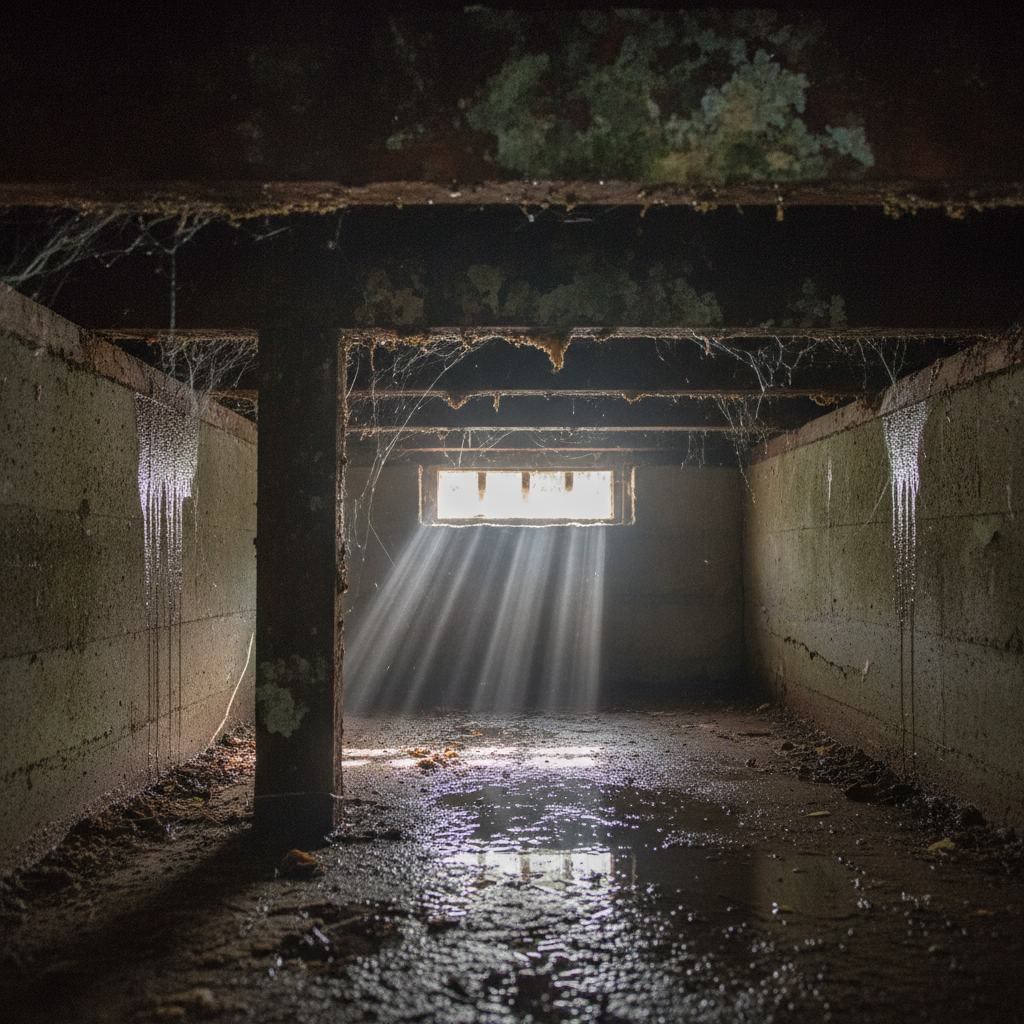
– Water intrusion
– Increased pest activity (because nothing says “welcome” quite like a swarm of ants)
Let’s face it: no one wants to navigate the chaos of a crumbling home, especially when you have more exciting things to do—like binge-watching your favorite series or perfecting your pancake flipping technique.
Recognizing the Signs of Foundation Problems
Now that we’ve established the vital role of your foundation, how do you know when it’s time to give it some TLC? Pay attention to these warning signs:
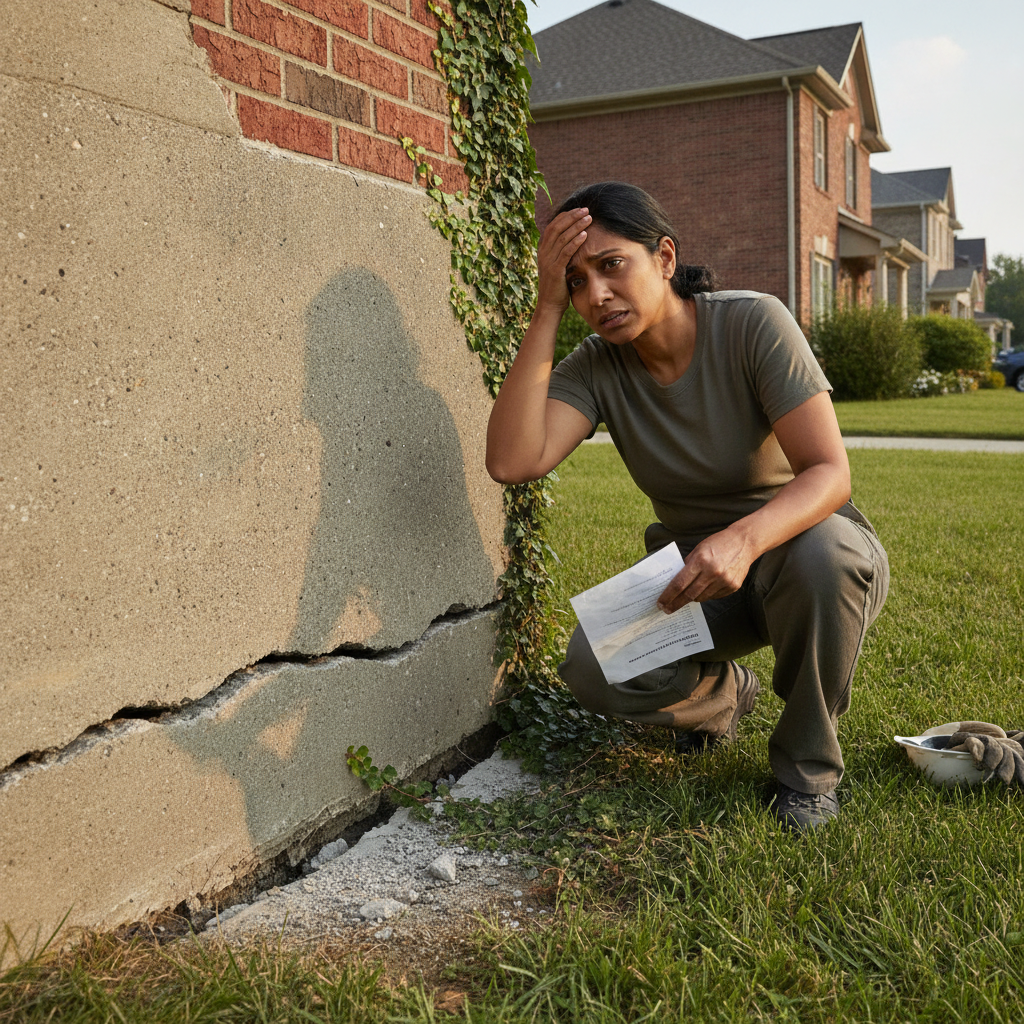
1. **Cracks in Walls**: If you start resembling a character from a horror film with cracks spider-webbing across your walls, it’s time to investigate. Hairline cracks can be normal, but larger ones could indicate serious issues.
2. **Uneven Floors**: Do you find yourself rolling away from the fridge during late-night snack raids? Sloped or uneven floors can signal foundation problems.
3. **Doors and Windows Sticking**: If they require a wrestling match to open, something’s amiss. Sticky situations could point to foundation shifts.
4. **Gaps Between Trim and Walls**: Notice gaps between your trim and walls? This isn’t the kind of aesthetic you want; it’s a potential red flag for foundation movement.
5. **Bowing Walls**: If your walls look like they’re trying to imitate the Leaning Tower of Pisa, it’s definitely time to call in the professionals.
The Causes of Foundation Issues
So, what causes these foundation woes? Several culprits can wreak havoc beneath your home:
1. **Soil Movement**: Soil expands and contracts based on moisture levels. If your home is built on clay or poorly compacted fill, it may shift more than you’d like.
2. **Poor Drainage**: If rainwater collects around your foundation instead of gracefully flowing away, it can lead to erosion and settlement issues. Think of it as giving your foundation an unwanted spa day.
3. **Tree Roots**: While trees provide shade and beauty, their roots can create problems for foundations. They tend to absorb moisture from the soil, leading to shrinkage and settlement.
4. **Extreme Weather**: Whether it’s drought or heavy rainfall, extreme weather can contribute to foundation instability. It’s Mother Nature keeping us on our toes!
5. **Construction Errors**: Sometimes, the problem lies in the original construction. Inadequate footings or poor workmanship can lead to significant headaches down the line.
Types of Foundation Repairs
Once you’ve identified that your foundation needs help, what are your options? Various methods exist, each suited for different types of foundation issues. Here are some common repair techniques:
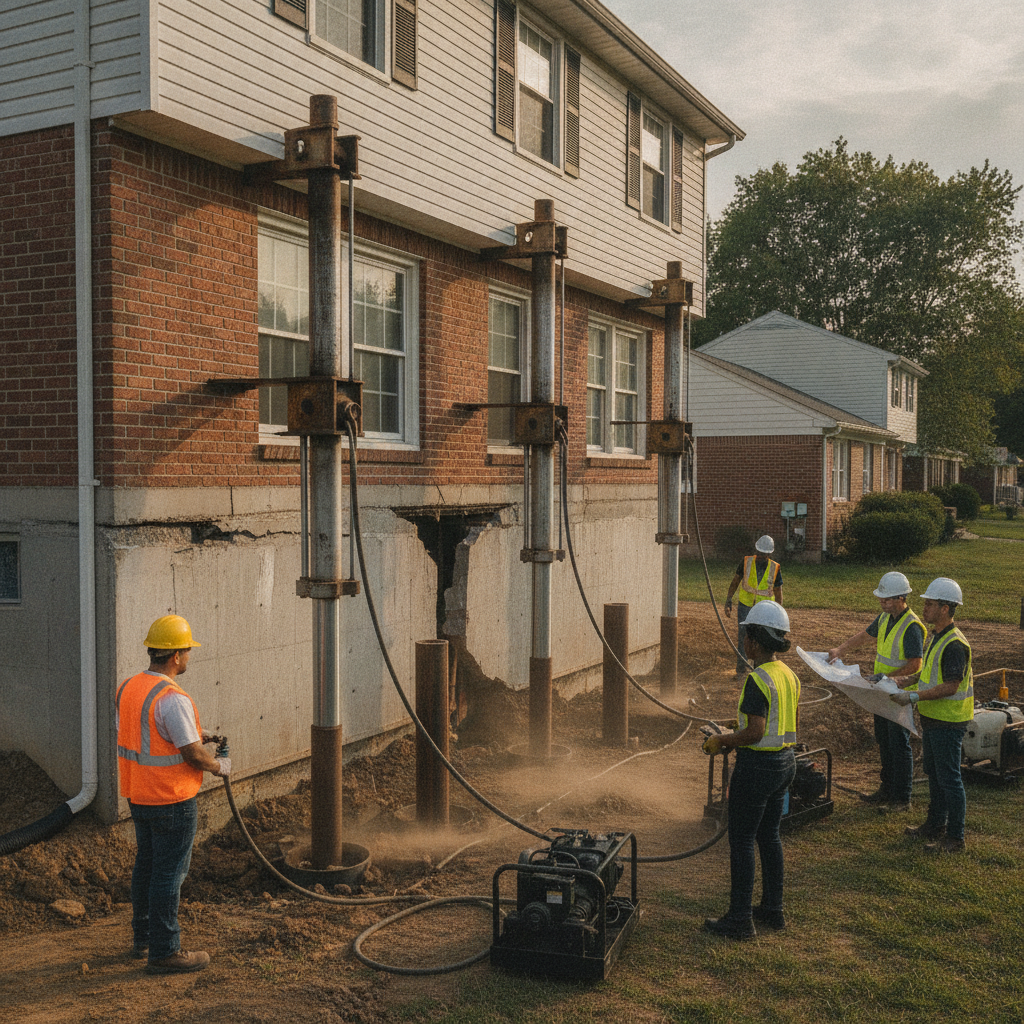
1. **Piering/Underpinning**: This method involves installing piers beneath the foundation to lift and support it back to its original position. It’s the structural equivalent of popping a squat and getting those muscles working!
2. **Slabjacking**: If you have a concrete slab foundation that has sunk, slabjacking might be the answer. It involves injecting material underneath the slab to raise it back to level. Think of it as giving your foundation a lift (and not just a metaphorical one).
3. **Wall Anchors**: For bowing or leaning walls, wall anchors tie the wall to stable soil, helping to straighten it. It’s like a security blanket for your walls.
4. **Grading and Drainage Solutions**: This involves redirecting water flow away from your foundation. A good drainage system can be the difference between a resilient foundation and a soggy bog.
5. **Crack Injection**: For smaller cracks, professionals may inject epoxy or polyurethane foam into the cracks to seal them and prevent further moisture intrusion. You could say it’s the foundation’s version of getting a beauty treatment!
Finding the Right Foundation Repair Contractor
Selecting the right professional to tackle your foundation repair is crucial. You wouldn’t hire just anyone to fix your prized collection of comic books, would you? Similarly, choose wisely when it comes to your home’s foundation. Here are some tips:
– **Do Your Research**: Look up local contractors and check their reviews. A trustworthy contractor will have numerous testimonials that sing their praises louder than an enthusiastic karaoke night.
– **Ask for References**: Don’t be shy—ask previous clients about their experiences. Satisfied customers are often the best way to gauge a contractor’s reliability.
– **Get Multiple Estimates**: Just like shopping for the best deal on a new TV, don’t settle for the first estimate. Compare quotes and analyze the services included.
– **Check Qualifications and Insurance**: Ensure the contractor is licensed and insured. This protects you from liability should something go awry during the repair process.
– **Evaluate Communication**: Is the contractor responsive to your questions? Good communication can save you from many headaches down the road.
Preventative Measures: Keeping Your Foundation Strong
Foundation repair is essential, but prevention is always better than cure, right? Here are some proactive steps to keep your foundation healthy:
1. **Maintain Proper Drainage**: Ensure gutters and downspouts direct water away from your home’s foundation. Diverting water is like playing defense against those pesky foundation issues!
2. **Monitor Soil Moisture**: Water your landscaping intelligently. Avoid overwatering near your foundation, and consider installing drip irrigation systems to regulate moisture levels.
3. **Use Landscaping Wisely**: Plant trees and shrubs at a safe distance from your foundation. Choose plants with shallow roots, so they don’t get too cozy with your home’s foundation.
4. **Fix Leaks Promptly**: Address plumbing leaks quickly to avoid saturating the soil around your foundation. Let’s keep the water where it belongs—usually in swimming pools!
5. **Inspect Regularly**: Make it a habit to inspect your property for any signs of foundation issues. Early detection can save you a bundle in repair costs.
Conclusion: A Solid Foundation for Future Generations
A well-maintained foundation is the cornerstone of a safe and secure home. By recognizing the signs of trouble early, knowing the common causes of foundation issues, and selecting the right repair strategy and contractor, you can help ensure your home stands strong for many generations. After all, who doesn’t want to pass down a beloved family home, complete with stories, memories, and perhaps a few quirky gnomes? By taking care of your foundation today, you’ll be setting the stage for a future where your home remains a steadfast haven for years to come. So go ahead, channel your inner foundation guru and let that home sweet home shine!