
Essential Guide to Foundation Repair: Protecting Your Home from Structural Damage
When it comes to homeownership, there’s a lot to celebrate – from hosting family gatherings to finally achieving that Pinterest-worthy garden. But let’s face it; there’s also the not-so-glamorous side of things, like dealing with dripping faucets and, you guessed it, foundation issues. Yes, your home’s foundation is its unsung hero, quietly bearing the load of every family moment, and if it starts showing signs of distress, it can lead to some serious structural damage. In this essential guide to foundation repair, we’ll explore everything from why foundation problems occur to how to address them, all while keeping the mood light—because who doesn’t need a chuckle when faced with home repairs?
Understanding the Importance of Foundation
Before we dive into the nitty-gritty of foundation repair, let’s take a moment to appreciate what a foundation actually does. Think of it as the sturdy base of a three-tier cake. If the base is off-kilter, the whole structure is at risk of collapsing—especially when someone decides to take a slice (or two). The foundation supports not only the weight of the house but also withstands various environmental pressures. It’s like that friend who always picks up the tab, no questions asked.
What Causes Foundation Problems?
Foundational issues don’t arise without provocation. There are several villainous factors that could be lurking around your property, plotting to damage that oh-so-valuable base.
1. **Soil Movement**: Expansive clay soils, in particular, can be troublesome. When these soils absorb water, they swell. But when they dry out, they shrink. This constant expansion and contraction can lead to cracks and shifts in your foundation. It’s like Mother Nature’s version of an unpredictable mood swing.
2. **Poor Drainage**: Water is necessary for life, but too much of it can be a disaster for your foundation. If your yard has poor drainage, water may pool around your home, leading to erosion and increased pressure on the foundation. Imagine trying to balance a teeter-totter with a friend who’s constantly jumping on one end!
3. **Tree Roots**: Trees are wonderful until their roots start creeping beneath your foundation. In search of moisture and nutrients, these roots can cause shifting and cracking. It’s like that persistent ex who just can’t take a hint.
4. **Improper Grading**: If the land surrounding your home isn’t graded properly to direct water away, it can lead to serious foundation issues. Your home should never feel like it’s sitting in a bowl!
Signs of Foundation Problems
Now that we know what causes foundation problems, let’s delve into the telltale signs. Ignoring these signals is like ignoring that weird noise your car makes; it’s bound to create bigger problems down the line.
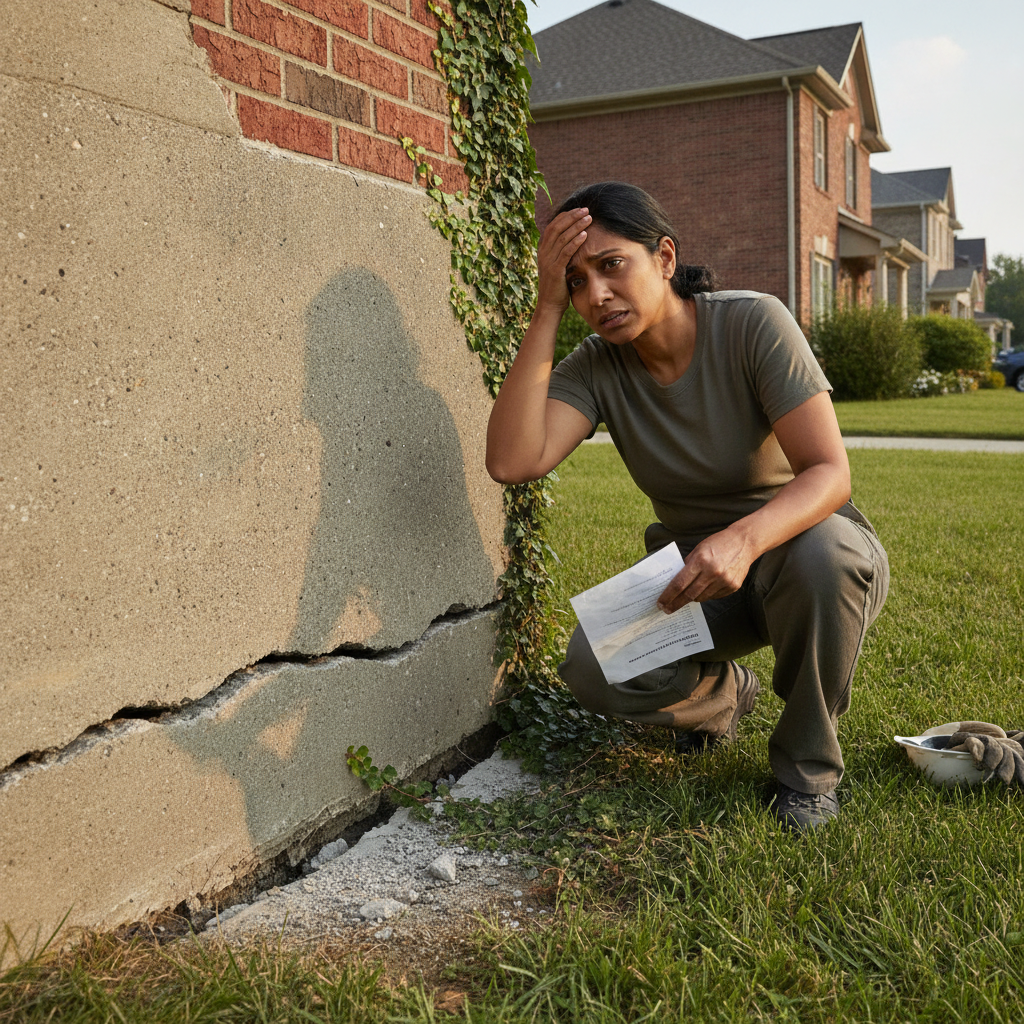
1. **Cracks in Walls and Ceilings**: Small cracks may be harmless. However, if they’re wider than a quarter or appear in a stair-step pattern, it’s time to call in the professionals.
2. **Doors and Windows That Stick**: If you suddenly find yourself wrestling with your doors and windows, it might not be your imagination. Misaligned frames could indicate your foundation is shifting.
3. **Uneven Floors**: Walking through your home shouldn’t feel like navigating a funhouse. If you notice sloping or sinking floors, it might be time to investigate further.
4. **Bowing Walls**: If your interior walls start looking like they’ve had one too many drinks and began to lean, this is a serious red flag. Don’t ignore it—it’s time for a foundation checkup!
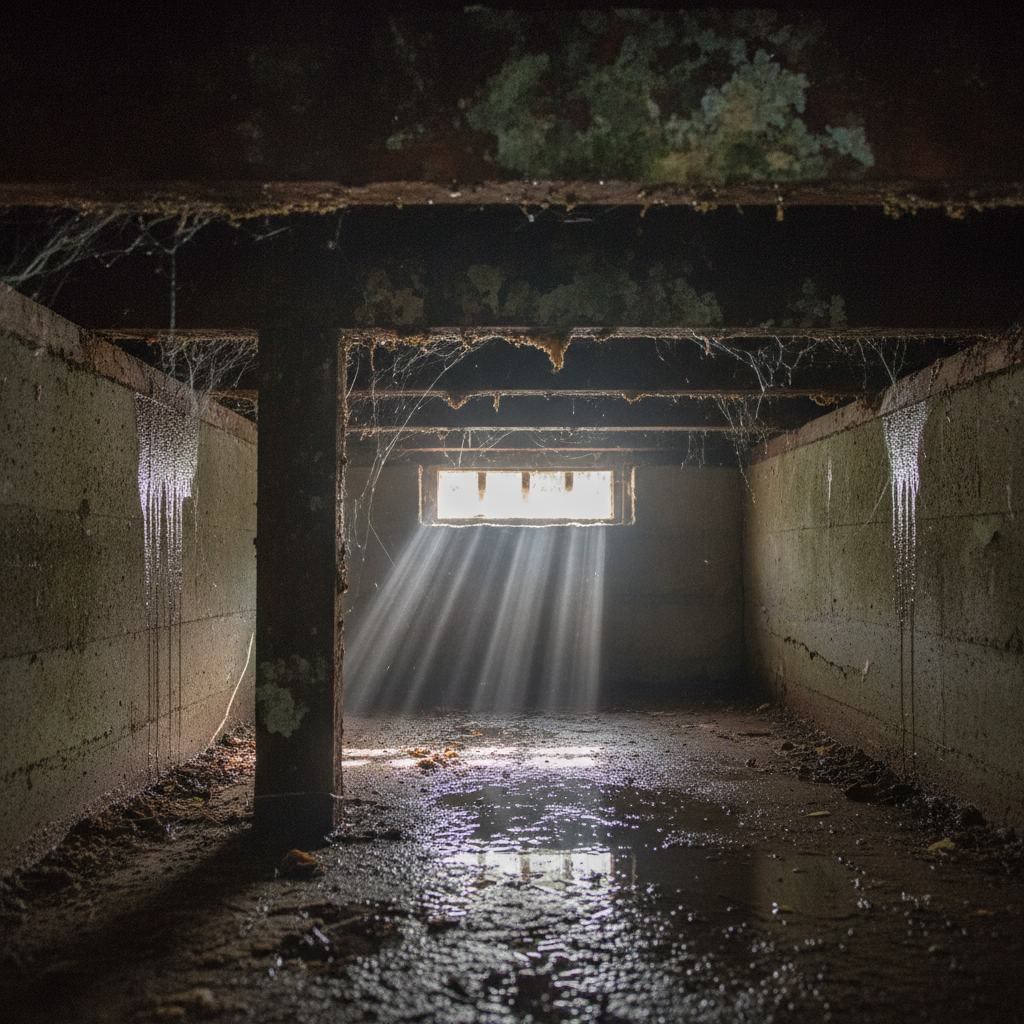
5. **Puddles in the Basement**: A wet basement is not just an invitation for the local wildlife; it’s a sign that your foundation may be compromised. Puddles of any size can indicate serious drainage issues.
Types of Foundation Repairs
If you’ve identified any of the above signs, don’t panic! (Well, maybe just a little.) There are several approaches to foundation repair, and knowing them can help you feel empowered to tackle the issue head-on.
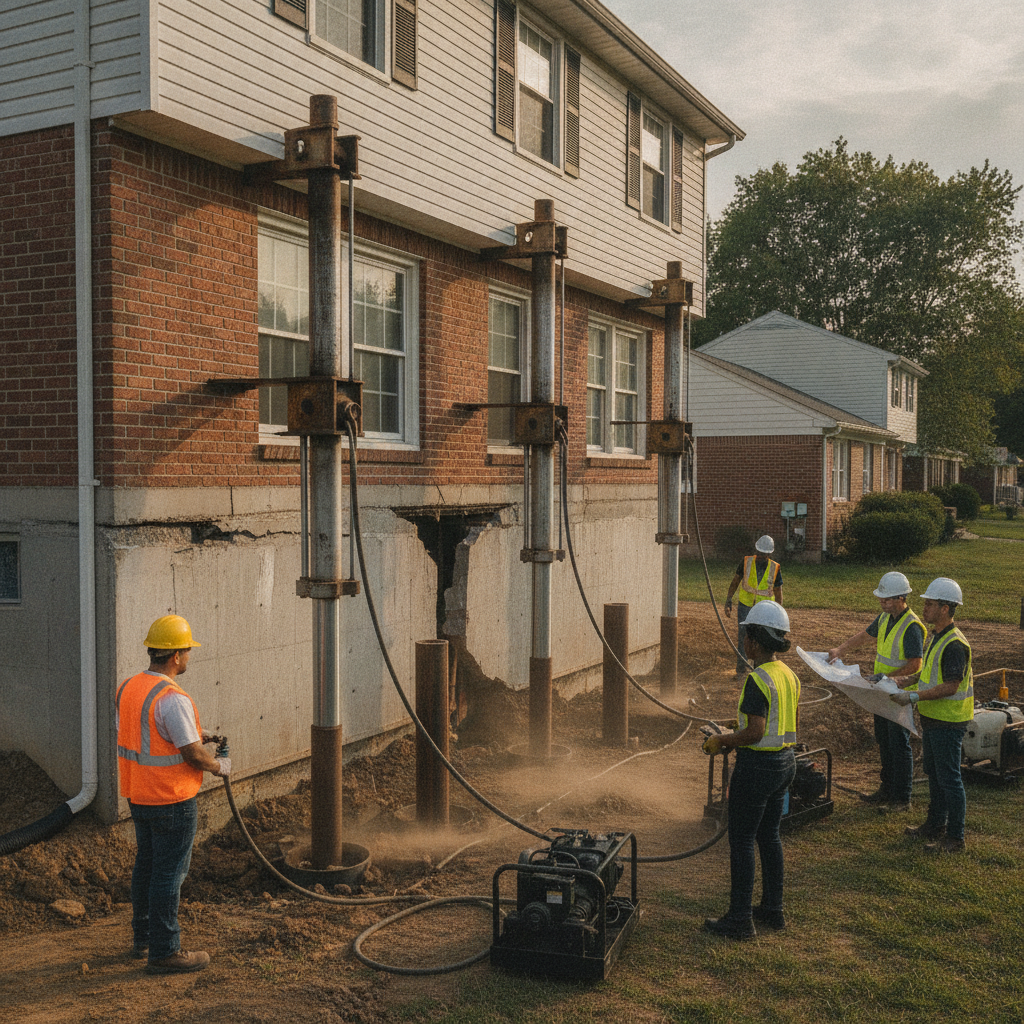
1. **Foundation Piering**: This method involves installing piers to stabilize and lift sinking foundations. The piers act like strong legs, keeping your home upright and reducing the risk of further shifts. Think of them as the superhero capes for your house—always ready to save the day!
2. **Slabjacking**: For homes with concrete slab foundations, slabjacking is an effective technique. This involves injecting a special material beneath the slab to raise it back to its original level. It’s like giving your foundation a much-needed boost of confidence.
3. **Wall Anchors**: If bowing walls are your headache, wall anchors can help. These sturdy metal rods are installed into the soil outside and are connected to your walls, providing support and helping to straighten them out. It’s basically a home edition of when your friend gives you a pep talk before a big presentation.
4. **Drainage Solutions**: Sometimes, fixing the foundation means tackling the drainage issues first. This might include installing gutters, downspouts, or even French drains to redirect water away from your home. Proper drainage is like your foundation’s best friend—you need them both for support!
5. **Crawl Space Encapsulation**: For homes with crawl spaces, encapsulation helps control moisture and prevent mold growth. Sealing off the crawl space is akin to creating a cozy, dry blanket that protects the foundation from dampness.
Choosing the Right Foundation Repair Company
This may be the most crucial step of all. Selecting the right professional can either lead to a successful repair or a regrettable decision that leaves your wallet feeling significantly lighter. Here are some tips:
1. **Do Your Research**: Look for companies with excellent reviews and recommendations. Consider it a quest for the Holy Grail of foundation repair experts.
2. **Ask for Estimates**: Don’t settle for the first company you come across. Get multiple estimates and compare them. Ask plenty of questions until you feel confident about who will be caring for your home.
3. **Check Credentials**: Ensure the company is licensed and insured. If they aren’t, it’s a sign to tuck tail and run.
4. **Inquire About Warranties**: Solid warranties indicate a company’s confidence in their work. A warranty can also provide peace of mind, ensuring you’re protected if something goes askew later down the line.
5. **Listen to Your Gut**: Sometimes, a friendly and trustworthy demeanor is just as important as qualifications. If a company feels off, it’s worth considering other options. Trust your instincts; they often know what your brain might overlook.
Preventing Future Foundation Issues
While addressing existing foundation problems is crucial, preventing future issues is equally important. Here are some proactive measures to help keep your foundation standing tall and proud:
1. **Maintain Proper Drainage**: Regularly clean gutters and downspouts to ensure water flows freely away from your home. Remember, a well-functioning drainage system can easily become the unsung hero of your foundation!
2. **Control Water Runoff**: Landscape your yard to promote water runoff away from your foundation. You may want to consider grading and planting trees strategically so their roots won’t invade your space.
3. **Monitor Soil Moisture**: Pay attention to the moisture levels in your soil, especially during periods of drought or heavy rain. Using soaker hoses or drip irrigation can help maintain consistent moisture without causing soil expansion.
4. **Avoid Major Landscaping Changes**: Be cautious with large-scale landscaping projects near your home. Avoid planting deep-rooted trees too close to the foundation, and avoid adding too much soil or mulch against the foundation.
5. **Regular Inspections**: Conduct periodic checks around your property for any signs of trouble. Keeping an eye out can catch small issues before they become full-blown disasters.
Conclusion
Your foundation is where all the magic begins. It supports your home’s entire structure and absorbs the ups and downs of daily life, quite literally! By understanding the causes, signs, and solutions for foundation problems, you are empowered to protect one of your most significant investments. Remember, proactive measures are key, so don’t wait for that pesky crack in your wall to become a gaping chasm before taking action. With a little knowledge and the right professionals by your side, you can ensure your home’s foundation remains as solid as your commitment to perfecting that garden!