
Essential Guide to Effective Basement Waterproofing: Protecting Your Home from Water Damage
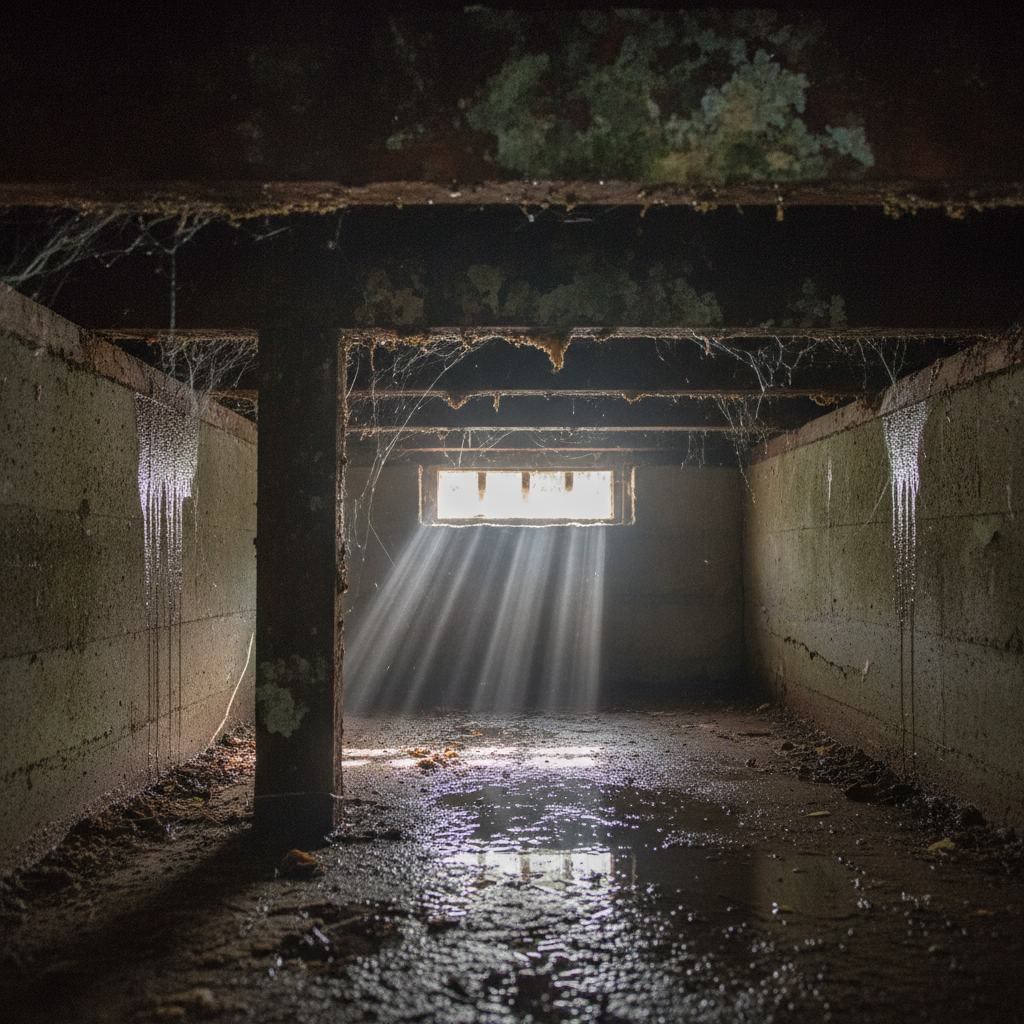
When it comes to homeownership, there are a few truths universally acknowledged: one, that you should never ignore a leaky faucet; two, that your home will always need maintenance; and three, that water in your basement is akin to inviting a raccoon to a picnic—it’s a bad idea and can lead to all sorts of messes. This essential guide will take you through the ins and outs of effective basement waterproofing, ensuring you protect your beloved abode from the capricious nature of H2O.
Understanding the Importance of Basement Waterproofing
Water damage can be a homeowner’s worst nightmare. It doesn’t matter whether you live in a quaint cottage or a sprawling mansion; every home deserves a dry basement. The importance of waterproofing cannot be overstated. Here’s why:
1. **Structural Integrity**: Excess moisture can lead to mold, mildew, and rot—in short, these uninvited guests can weaken your home’s structure over time. Nobody wants their living room looking like it’s part of a haunted house tour.
2. **Increased Property Value**: A dry basement adds significant value to your property. Prospective buyers may run for the hills if they find damp conditions lurking below, making this crucial when it comes time to sell.
3. **Improved Air Quality**: Moisture often leads to mold growth, which can affect the air quality of your entire home. If your basement smells like a musty locker room, chances are it’s not just your imagination.
4. **Prevention of Pests**: Damp environments attract pests like termites, rodents, and other critters that may think your basement is their new five-star resort. Spoiler alert: they do not contribute to the rent.
Now that we have established why basement waterproofing is essential, let’s dive into the various techniques and tips that can help you keep water out of your basement.
Assessing Your Basement
Before you embark on your waterproofing journey, it’s crucial to assess the current state of your basement. Look for signs of moisture, such as:
– Damp spots on walls or floors
– Visible mold or mildew
– Musty odors
– Water stains
– Peeling paint or wallpaper
– Condensation on pipes
If you spot these telltale signs, it’s time to take action. Even if your basement seems dry now, proactive measures are always better than emergency ones!
Identifying Problem Areas
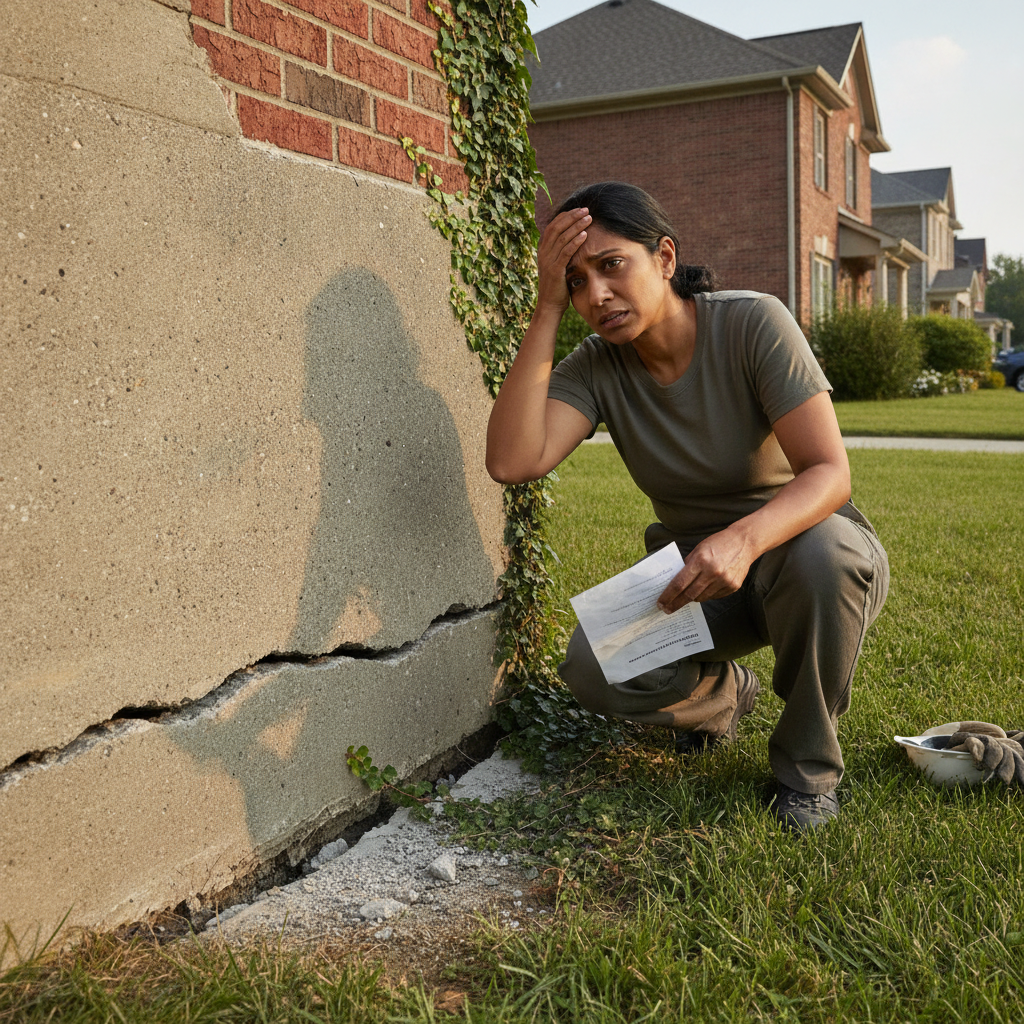
1. **Foundation Cracks**: These are the sneaky entry points for water. Inspect your foundation both inside and outside for cracks. They can occur due to settling, soil movement, or just plain age. If you find any, you might need to patch these up—think of it as giving your house a spa day.
2. **Window Wells**: If you have basement windows, ensure the window wells are clean and equipped with proper drainage. Clogged wells can turn into mini swimming pools after a rainstorm.
3. **Downspouts and Gutters**: Make sure your gutters are clear and that downspouts direct water at least 3-4 feet away from your foundation. Think of your downspouts as lifeguards—keeping the water where it belongs.
4. **Soil Grading**: The ground around your home should slope away from the foundation. If it doesn’t, you’re inviting water to settle at the base of your home. It’s simple: no one likes a soggy bottom.
Waterproofing Methods
Now let’s get down to the nitty-gritty of waterproofing methods. There are several effective strategies to choose from:
### Interior Waterproofing
1. **Sealants**: One of the first lines of defense against moisture. Use waterproof sealants on walls and floors to create a barrier against water infiltration. Be careful to choose sealants specifically designed for masonry or concrete surfaces.
2. **Sump Pumps**: These devices work tirelessly to pump out any water that accumulates in your basement. Installing a sump pump is like having an insurance policy against flooding. Just ensure it has a battery backup in case of power outages—after all, a flooded basement and no electricity is not a winning combination.
3. **French Drains**: This system involves digging a trench and laying perforated pipe alongside your foundation to collect groundwater. The collected water is then redirected away from your home. It sounds fancy because it is.
### Exterior Waterproofing
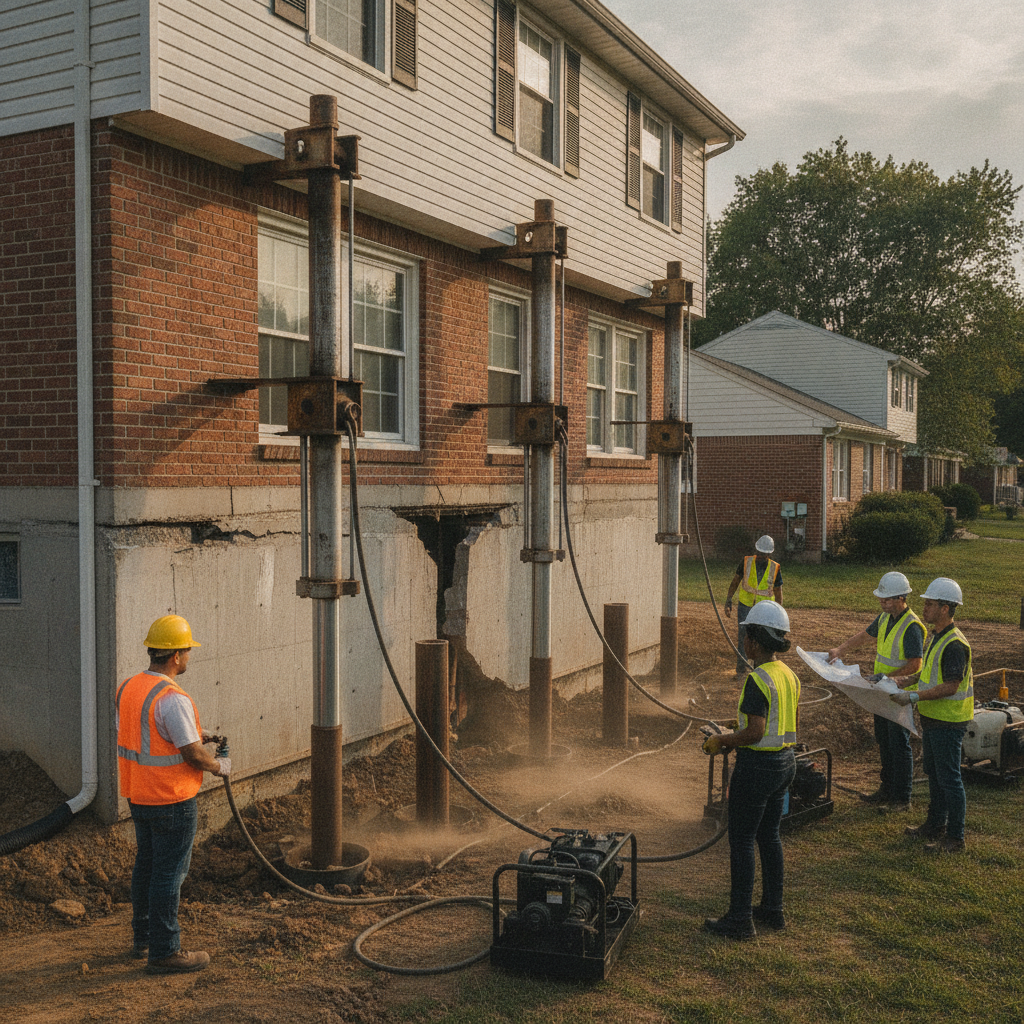
1. **Excavation and Drainage Systems**: This method involves excavating around your foundation to install drainage systems and waterproofing membranes. It’s labor-intensive but can provide long-lasting protection. If you want to feel like a true superhero of home maintenance, this is the way to go.
2. **Waterproofing Membranes**: These are installed on the exterior of your foundation wall and prevent water from seeping through the walls. These membranes can be applied as liquid coatings or pre-formed sheets.
3. **Soil Grading**: As previously mentioned, soil grading can divert water away from your foundation. If your yard resembles a bowl, it’s time to call in the landscaping troops.
### Maintenance Tips
After implementing your waterproofing methods, maintaining them is essential:
– Regularly inspect your gutters and downspouts.
– Keep an eye on your sump pump, and test it periodically.
– Check for cracks in your foundation at least once a year.
– Ensure that window wells are clean and functioning properly.
### DIY vs. Hiring a Professional
As with many home projects, the decision between DIY and hiring professionals can be daunting. If you’re handy and comfortable with tools, many interior waterproofing methods can be done yourself. However, if you feel like a fish out of water (pun intended) or are dealing with significant issues, consider hiring a professional. They have the experience and expertise to handle complex problems safely and effectively.
Final Thoughts
Effective basement waterproofing is not just about keeping water out; it’s about preserving your home and enhancing its value. As with most things in life, prevention is key. By taking the necessary steps to waterproof your basement, you’re not only protecting your investment but also creating a comfortable atmosphere for you and your family.
So, whether you’re tackling this project solo or bringing in reinforcements, remember that every drop you keep out of your basement is one less drop that could wreak havoc on your home. For a secure, dry basement, follow this essential guide, and you’ll sleep soundly knowing your home is safeguarded against the whims of nature. Now, let’s raise a glass (of something dry) to a future without water in your basement!