
Essential Guide to Effective Basement Waterproofing Solutions for Homeowners
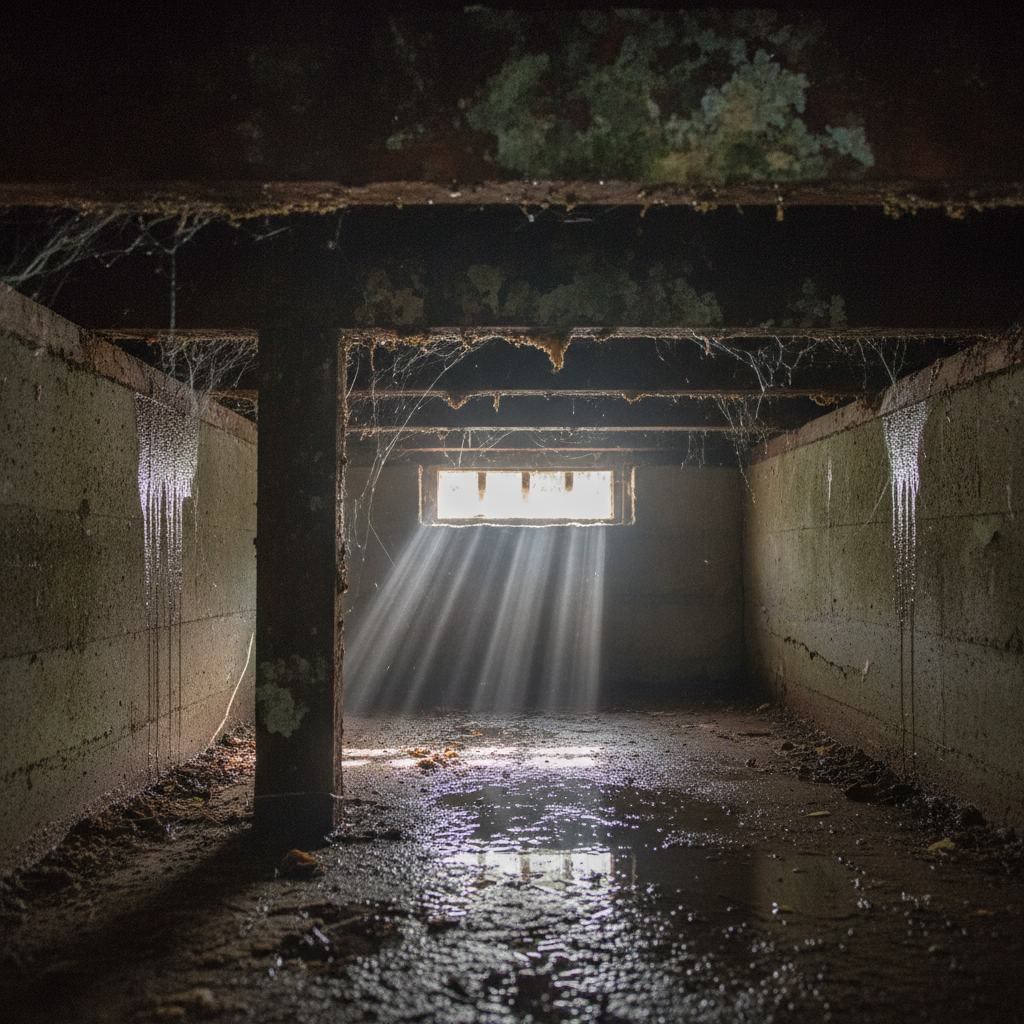
When it comes to home maintenance, few things can be more daunting than dealing with a leaky basement. Just the thought of water pooling in your underground lair can induce nightmares that would make even the bravest homeowner shudder. But fear not! With a little guidance and the right approach, you can effectively tackle your basement waterproofing needs and transform that potential disaster zone into a safe, dry space.
In this essential guide, we’ll walk you through the various waterproofing solutions available for homeowners, breaking down the options from simple DIY fixes to advanced techniques. So, grab your favorite tool belt, and let’s dive deep—pun intended—into the world of basement waterproofing!
Understanding Basement Water Intrusion
Before we get started on solutions, let’s first understand why basements often turn into swimming pools during heavy rains. Water intrusion can happen due to several factors, including:
1. **Poor Grading:** If the ground around your home slopes towards the foundation instead of away from it, you’re inviting trouble.
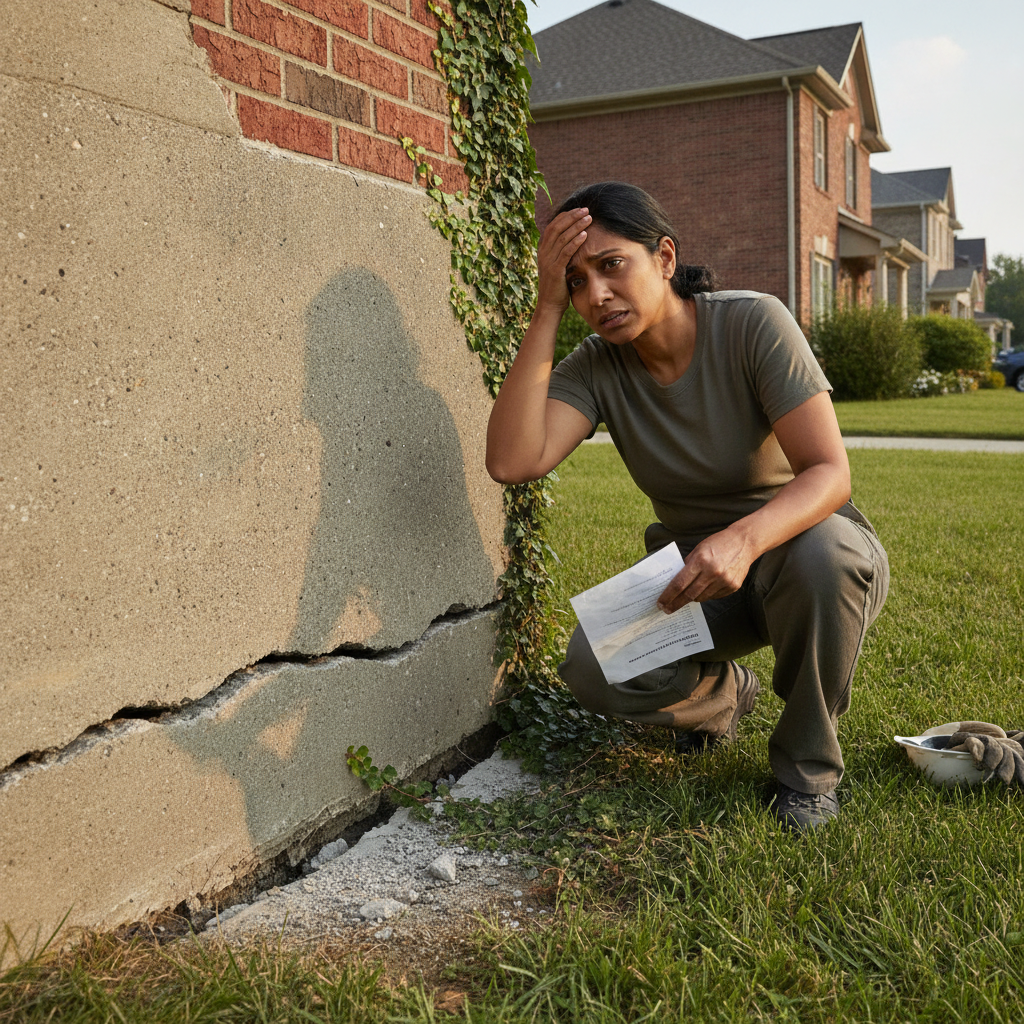
2. **Cracks in the Foundation:** Over time, concrete can crack, allowing water to seep through like an unwanted guest at a party.
3. **High Water Table:** If you live in a region with a high water table, groundwater can easily rise and infiltrate your basement.
4. **Gutters and Downspouts:** Clogged gutters or improperly positioned downspouts can direct water toward your foundation instead of away from it.
Now that we’ve acknowledged the culprits, let’s explore the solutions!
DIY Basement Waterproofing
If you’re the handy type and enjoy a bit of DIY, there are several straightforward methods to waterproof your basement without breaking the bank. Here are some useful strategies:
1. **Inspect and Repair Cracks:**
Start by inspecting your foundation for cracks. Use a chisel and wire brush to clean out any loose material. Once you have the surface ready, fill the cracks with hydraulic cement, which expands as it dries, sealing the gap and preventing water infiltration. It’s an arm workout and a home improvement project rolled into one!
2. **Improve Grading:**
Check the grading around your home. Ideally, the soil should slope away from your foundation by at least six inches over ten feet. If it doesn’t, add soil to create a slope. This handy trick can help divert water away and keep your basement drier than a desert in July.
3. **Clean Gutters and Install Extensions:**
Make sure your gutters are clean and free of debris. After all, if your gutters are full, they might as well be a mini pool! Consider installing downspout extensions to direct water further away from your foundation. About five feet is a good distance to aim for.
4. **Seal Windows and Doors:**
Windows and doors can also be entry points for water. Use weatherstripping or caulk to seal any gaps. Not only will this keep your basement drier, but it’ll also enhance energy efficiency, which is a win-win!
5. **Use a Dehumidifier:**
If your basement feels damp despite your best efforts, consider adding a dehumidifier. This appliance helps maintain optimal humidity levels, reducing moisture and preventing mold growth. It’s like a air conditioning unit for your basement, minus the ice cream truck jingles.
Advanced Basement Waterproofing Solutions
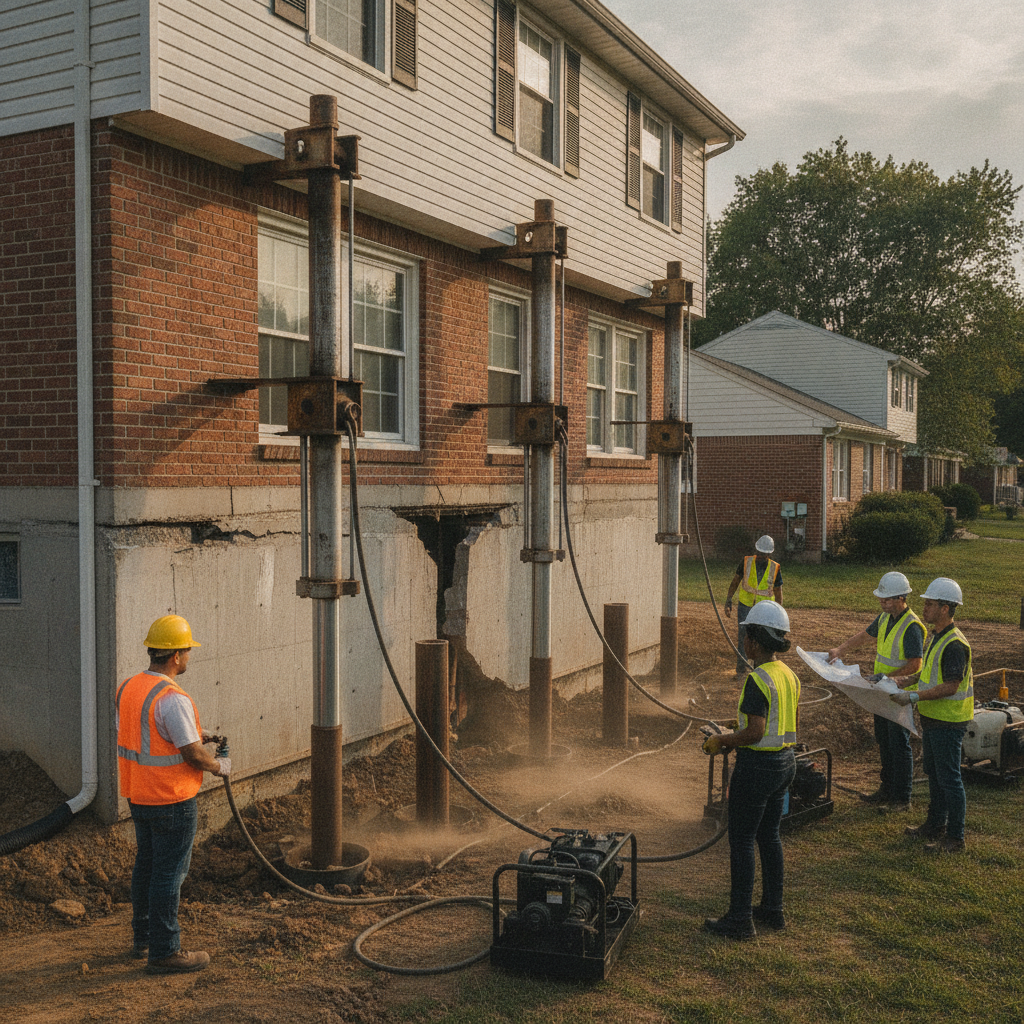
While DIY methods can be effective, sometimes you need to pull out the big guns. Here are advanced waterproofing solutions that may require professional help.
1. **Interior Waterproofing Systems:**
An interior French drain system is one of the most effective methods. This system involves digging a trench along the perimeter of your basement and placing a drainage pipe covered in gravel. The pipe collects water that seeps through walls and directs it to a sump pump, which then expels it safely outside. It’s like giving your basement a personal water slide—one that sends water far away!
2. **Sump Pumps:**
Speaking of sump pumps, these devices are essential for any basement prone to flooding. A sump pump sits in a basin dug into the lowest part of your basement, pumping out any water that accumulates. Be sure to opt for a battery backup system in case of power outages, so your basement doesn’t get the chance to audition for a water park ride!
3. **Exterior Waterproofing:**
For serious problems, exterior waterproofing might be necessary. This involves excavating the soil around your foundation and applying a waterproof membrane to the outside of your foundation walls. While it’s a more expensive and labor-intensive method, it provides a strong barrier against water intrusion.
4. **Foundation Coatings:**
Another exterior option is to apply a waterproof coating to the foundation walls. These coatings create a hydrophobic layer, preventing water from soaking through. Think of it as rain gear for your home’s foundation; nobody wants to head out in the rain without proper coverage!
5. **Landscaping Adjustments:**
Sometimes, the problem lies not just with the house but with the landscape around it. Trees, shrubs, and other landscaping elements can affect drainage patterns. Consult with a landscaping professional to make necessary changes that ensure water flows away from your foundation.
Maintenance Tips for a Dry Basement
Once you’ve implemented waterproofing measures, it’s essential to maintain them. Mark your calendar for seasonal inspections, and consider these maintenance tips to keep your basement high and dry:
1. **Regularly Clean Gutters:** Keep gutters clear of debris at least twice a year. Don’t let your gutters become a botanical garden!
2. **Inspect for New Cracks:** Keep an eye out for new cracks or signs of water damage.
3. **Test Your Sump Pump:** Test your sump pump regularly to ensure it’s working efficiently. Pour water into the sump pit to trigger it—it’s an opportunity to perform an impromptu water dance!
4. **Humidity Monitoring:** Invest in a hygrometer to monitor humidity levels. Keeping humidity below 60% helps prevent mold growth.
5. **Check Landscaping and Drainage:** Regularly assess your landscaping and drainage systems. Adjust grading and check downspouts periodically.
Conclusion
There you have it, the ultimate guide to basement waterproofing for homeowners! Whether you’re opting for some DIY fixes or enlisting the help of professionals, knowing your options will equip you for success in keeping that basement dry. Remember, a little prevention goes a long way when it comes to safeguarding your home from water intrusion. So, roll up those sleeves, put on your best work boots, and turn that damp dungeon into a functional, dry space.
Who knew that with a little effort and creativity, your basement could go from a soggy afterthought to a clean and welcoming extension of your home? Now, go forth and make those water worries a thing of the past!