
Essential Guide to Effective Foundation Repair: Protect Your Home from Structural Damage
When it comes to the security of your home, the foundation is like the unsung hero. It’s doing all the heavy lifting—literally—while you sit back and enjoy your cozy living space. But what happens when that unsung hero starts to show signs of wear and tear? A cracked foundation can lead to a plethora of issues that extend beyond just a few unsightly lines on the basement wall. So let’s dive into the essential guide to effective foundation repair and equip you with the knowledge to keep your home standing strong.
Understanding the Importance of Your Foundation
Your home’s foundation is its structural backbone. Just as you wouldn’t neglect your health, your home requires regular check-ups too. The foundation supports the entire weight of your house and plays a critical role in providing stability and strength. If you have a sinking feeling about your foundation, it might be time to pay closer attention. After all, prevention is more cost-effective than dealing with catastrophic repairs later on.
Common Signs of Foundation Problems
Before we delve into what can be done to fix foundation issues, let’s play Sherlock Holmes for a moment and identify some classic clues that indicate it might be time for a little foundation TLC.
1. **Cracks in Walls or Floors**: Small cracks in your drywall can be normal due to settling, but if they start getting larger or appear suddenly, it could indicate a problem. Pay particular attention to cracks that are wider than a quarter inch.
2. **Doors and Windows that Stick**: Have you noticed that your front door has developed a personal vendetta against you? If your doors and windows suddenly start sticking or will not close properly, it could mean that your frame is shifting.
3. **Uneven Floors**: Walking through your home should not feel like traversing a mountain range. If you notice slopes or dips in your floors, this could be a telltale sign of foundation settlement.
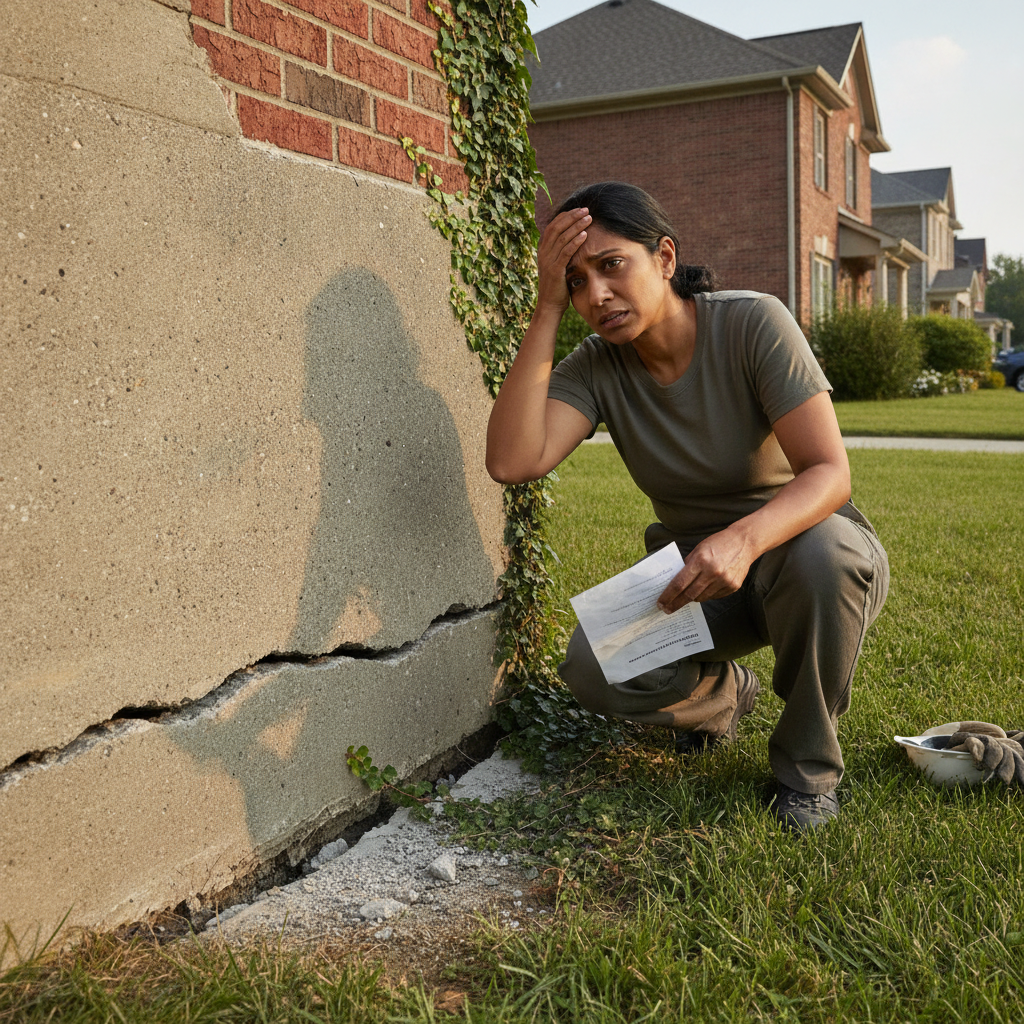
4. **Vertical Cracks in Foundation Walls**: While small vertical cracks can be normal, larger or horizontal cracks should raise a red flag. These indicate that the foundation may be under significant stress.
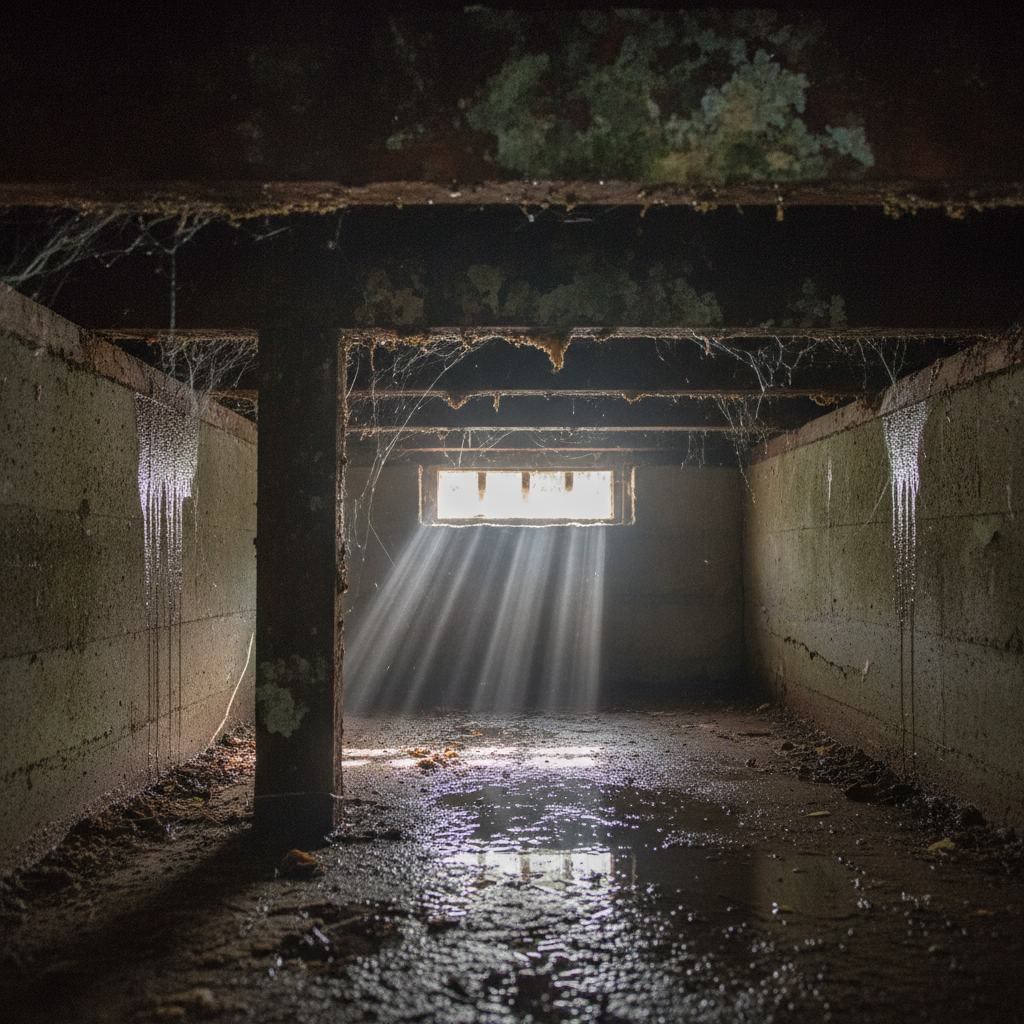
5. **Water Accumulation**: If you’re spotting more puddles around the foundation than you’d like, it’s a sign that water isn’t draining away properly. This excess moisture can erode soil and lead to foundation damage over time.
Types of Foundation Problems
Like every superhero, foundation problems come in different forms, and understanding these can help you choose the right sidekick (or contractor) for the job.
1. **Settlement**: This is one of the most common foundation problems. It usually happens when soil beneath the foundation compresses or erodes, causing the foundation to sink.
2. **Heave**: Unlike settlement, heave occurs when the ground beneath the foundation expands. This could happen due to freezing temperatures or excessive moisture, leading to upward movement of the foundation.
3. **Lateral Movement**: Sometimes, a foundation doesn’t just settle or heave; it can also shift sideways. This type of movement is often due to poor drainage or soil erosion.
4. **Poor Drainage**: As mentioned previously, water accumulation can lead to various foundation issues. Ensuring proper drainage can significantly reduce the chances of foundation failure.
5. **Soil Type and Conditions**: Different types of soil have different characteristics. Clay soils, for example, tend to expand and contract with moisture changes, which can put pressure on your foundation.
Effective Foundation Repair Solutions
Now that we’ve identified the culprits, how do we go about fixing these issues? Depending on the severity of the problem, there are several strategies you can take, ranging from DIY solutions to hiring professionals. Here’s a rundown of the most effective methods.
1. **Crack Injection**: For minor cracks, especially in concrete foundations, injecting epoxy or polyurethane foam can seal and stabilize the crack. It’s like giving your foundation a Band-Aid—effective, but make sure you keep an eye on it.
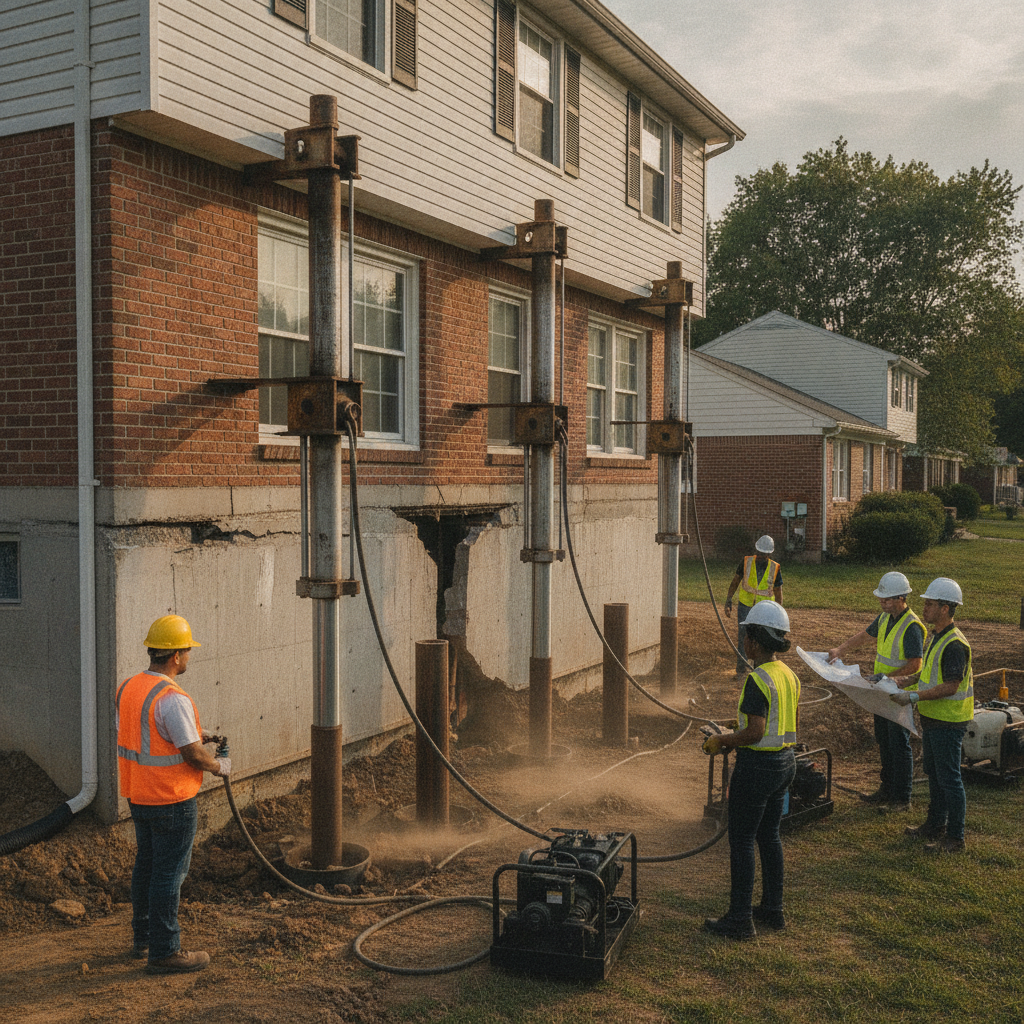
2. **Piering**: This method involves stabilizing your foundation by installing piers beneath it. This process lifts the foundation back to its original level, and while it sounds like something out of a sci-fi movie, it’s tried-and-true. There are different types of piers, including steel push piers and helical piers, so choose wisely, young padawan.
3. **Slab Jacking**: If you have a concrete slab foundation, this method involves pumping a mixture of mud or polyurethane underneath the slab to lift it back into place. It’s surprisingly effective and less invasive than tearing up your floors.
4. **Drainage Solutions**: Improving the drainage around your home can prevent future foundation issues. This may involve installing gutters, downspouts, and French drains—basically, putting your home on a proper hydration plan.
5. **Soil Stabilization**: If soil conditions are causing foundation issues, soil stabilization techniques can help. This might include using chemicals to strengthen the soil or introducing drainage systems to improve water flow.
Preventive Measures to Protect Your Foundation
As the old saying goes, “An ounce of prevention is worth a pound of cure.” This couldn’t be more applicable to foundation issues. Here are some proactive measures to keep your foundation happy.
1. **Maintain Proper Drainage**: Ensure that gutters and downspouts direct water away from your foundation. The goal is to keep your foundation high and dry, much like a celebrity avoiding paparazzi.
2. **Landscaping Considerations**: Design your landscaping to promote good drainage. Sloping the yard away from the foundation can help keep water moving in the right direction.
3. **Regular Inspections**: Just as a doctor recommends annual check-ups, it’s wise to inspect your foundation regularly. Look for cracks, shifts, or other signs of trouble before they escalate.
4. **Adjust Watering Habits**: If you have a garden, be mindful of how much water you’re using. Overwatering can saturate the soil, leading to erosion and other foundation issues.
5. **Fill Any Cracks Promptly**: If you see any new cracks developing, don’t procrastinate. Seal them up right away to prevent water infiltration and further degradation.
When to Call in the Professionals
While some foundation repairs can be simple DIY jobs, others require the expertise of a professional. If you notice significant cracks, doors that refuse to cooperate, or if you feel at all overwhelmed by the situation, it’s best to call in an expert. They can provide a thorough assessment and recommend the appropriate course of action.
In conclusion, keeping your home’s foundation in optimal condition is essential for its structural integrity and your peace of mind. By understanding the signs of foundation issues, knowing the repair options available, and taking preventative measures, you can protect your home from the threats of structural damage. Remember, the foundation is not just an afterthought—it’s the very base of your harmonious living space. So treat it well, give it the care it deserves, and it will reward you with safety and security for years to come.