
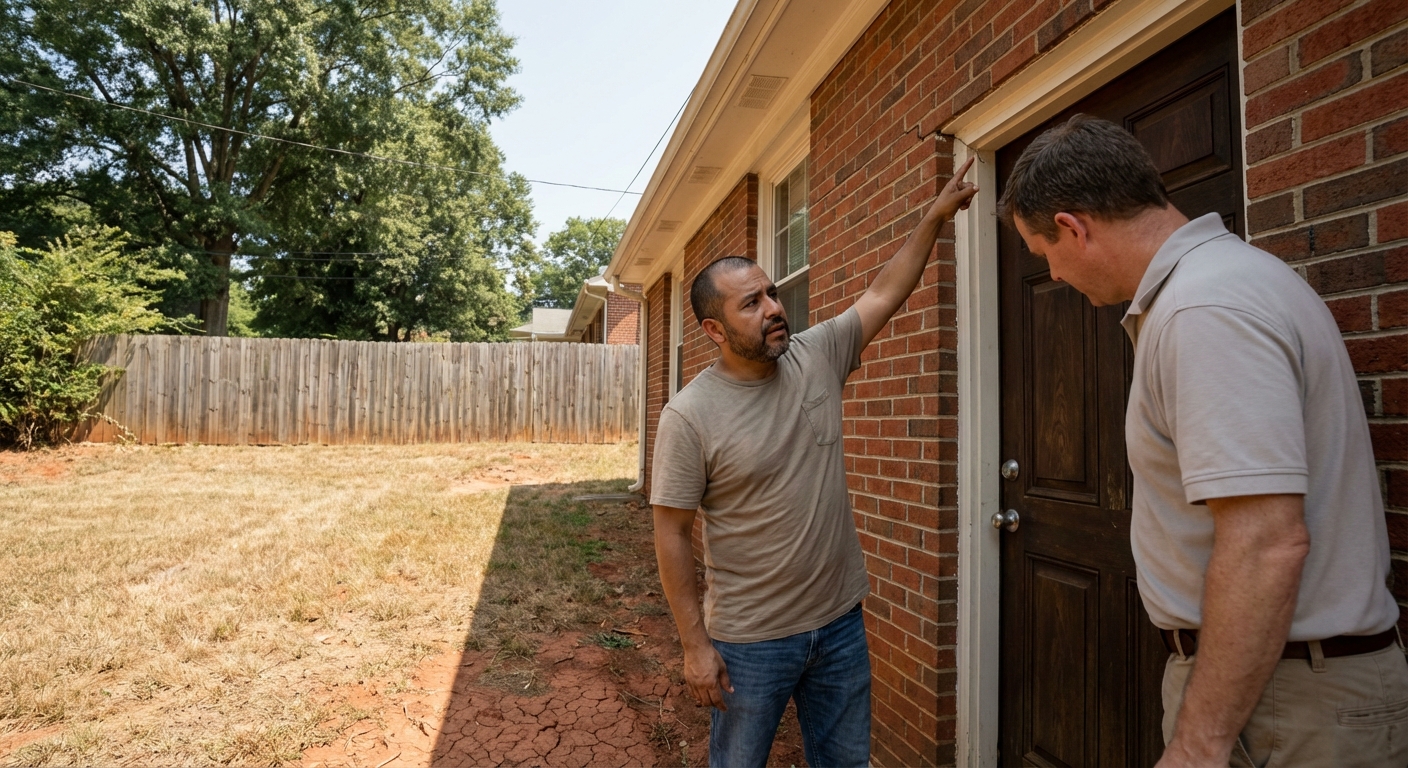
I was grabbing a coffee with a buddy of mine over in Plaza Midwood the other day, and he was complaining about his house. “It’s like the place is settling in for a nap,” he said. “The door to my office suddenly sticks at the top, and there’s this tiny, spidery crack above the frame that I swear wasn’t there in May.”
I knew exactly what he was talking about. After a long, hot, and dry summer here in Charlotte, our homes start to show the strain. It’s not just in your head. That unforgiving sun doesn’t just parch your lawn; it can do a real number on the ground supporting your entire house. Figuring out how to prevent foundation damage during drought in Charlotte NC, isn’t just for paranoid homeowners; it’s a smart move for anyone sitting on our famous red clay.
So, What’s the Big Deal with Dry Weather?
Here’s the thing about the soil around here. That dense, red clay we all know and love (or hate, when we’re trying to dig a garden) acts like a giant sponge. When it’s full of water, it expands. When it gets baked by the sun for weeks on end during a drought, it shrinks. A lot.
When the soil shrinks, it pulls away from your foundation, leaving gaps. Your foundation, which relies on that soil for support, can then sink or settle into those empty spaces. This process is called subsidence, and it’s what causes those sticking doors, cracking drywall, and even slanted floors. It’s one of the most common symptoms of foundation failure due to clay soil in NC, and it’s almost always kicked off by extreme shifts in moisture.
A Homeowner’s Playbook: How to Prevent Foundation Damage During Drought in Charlotte NC
So what’s a homeowner in the Queen City to do? You can’t make it rain, but you can definitely take some steps to keep the soil around your foundation from getting bone-dry. Think of it as giving your foundation a little bit of hydration therapy.
- Give Your Foundation a Drink: This sounds weird, but it’s the most effective strategy. Use soaker hoses placed about 18-24 inches away from your foundation. Run them on a low drip for a few hours a couple of times a week during dry spells. You’re not trying to make mud, just maintain a consistent, light moisture level.
- Mulch is Your Friend: A good layer of mulch (about 2-3 inches deep) in your flower beds around the house does more than just look nice. It acts like a blanket, shielding the soil from the sun and dramatically slowing down moisture evaporation.
- Check Your Gutters and Drainage: Make sure your downspouts are directing water at least 5-10 feet away from your foundation. You don’t want water pooling near the house during a rainstorm, only to have that same spot dry out completely a week later. Consistency is key.
- Watch Out for Big Trees: I love the tree canopy in neighborhoods like Myers Park as much as anyone, but massive tree roots are thirsty. If you have a huge oak or maple tree with roots creeping up to your house, they can pull a massive amount of water from the soil right next to your foundation, making the shrinking problem even worse.
A Quick Real-Life Moment
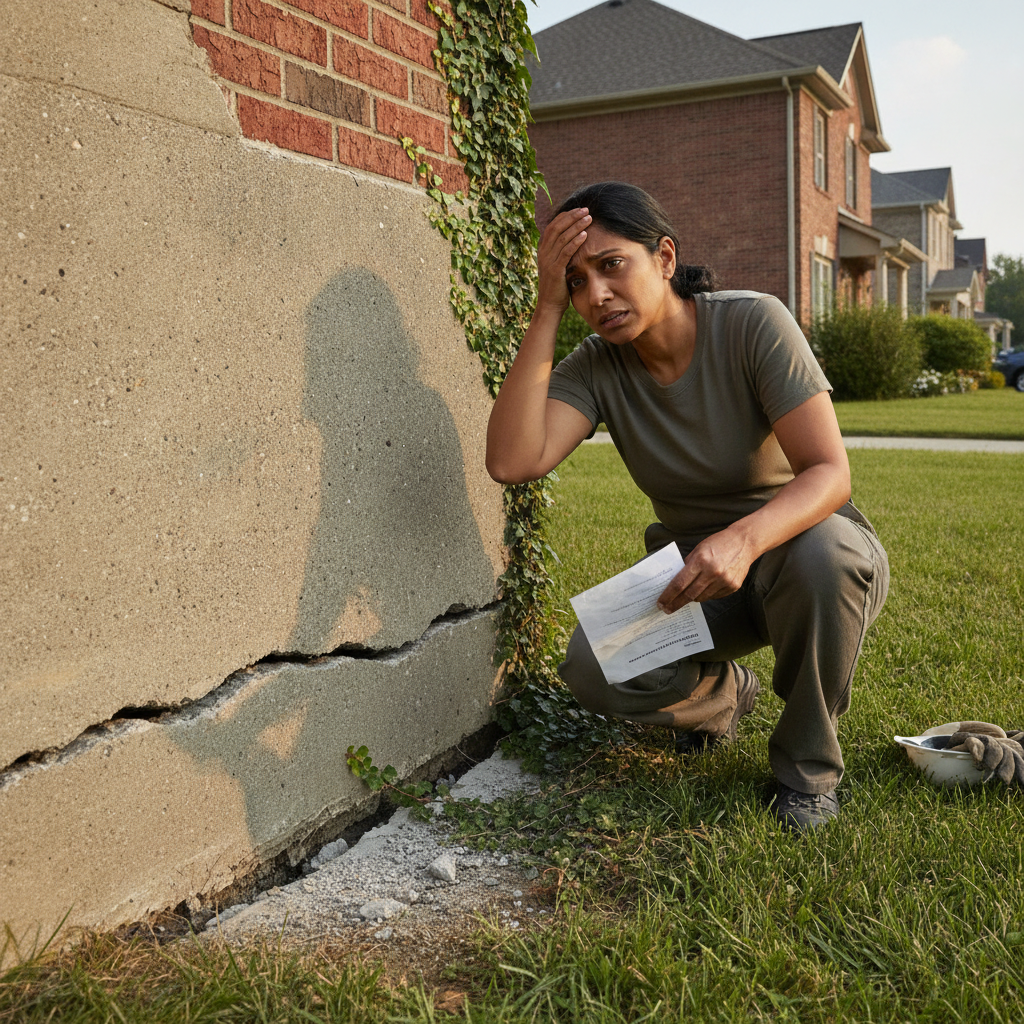
We got a call a while back from a homeowner, let’s call her Susan, over in the SouthPark area. She was getting ready to list her house and noticed that some of the mortar between the bricks on her exterior wall had new, jagged cracks. She was worried it would torpedo her home inspection.
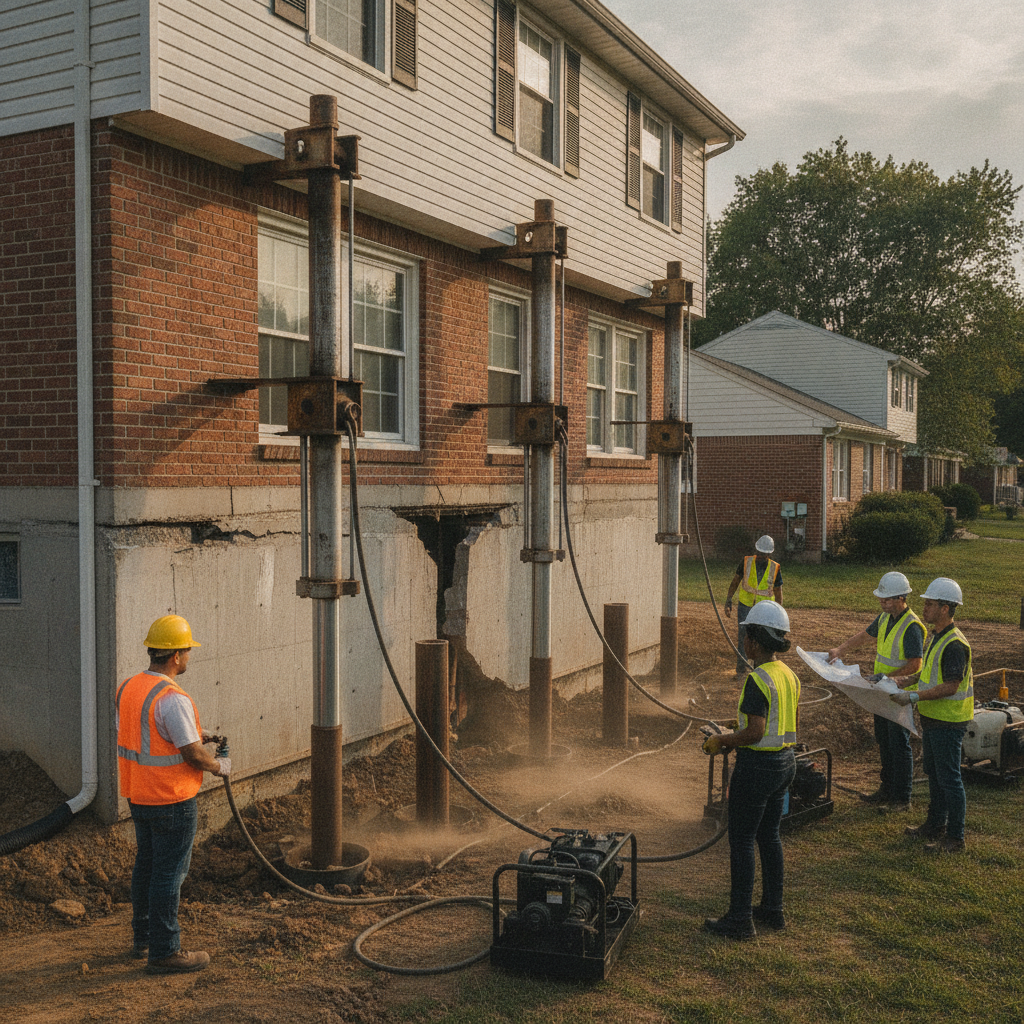
When we at Piedmont Foundation Repair went out to take a look, it was a classic case of drought-related settlement. The soil on the west side of her house, which got blasted by the afternoon sun, had shrunk significantly more than the soil on the shady east side. This uneven support caused that corner of the foundation to settle, resulting in those “stair-step” brick cracks. We were able to stabilize it for her, but it was a perfect example of how quickly a dry spell can cause visible issues.
What to Do if You’re Seeing the Signs
Look, I’m not a soil scientist, but I’ve been in and under enough homes in this area to see what happens when you ignore the early warnings. A sticky door or a tiny drywall crack might seem like nothing, but they’re often your house’s way of telling you something is shifting underneath.
The best thing you can do is be proactive. Follow the tips above on how to prevent foundation damage during drought in Charlotte NC. And if you’re already seeing signs that make you nervous, don’t wait for them to get worse. Having a professional take a look can give you peace of mind or a clear plan of action. The team at Piedmont Foundation Repair is always here to help you understand what’s going on and what your options are. A small fix now is always better than a big, expensive one later.