
You know that feeling when you spot something new on your house, and your stomach just drops a little? Maybe it’s a strange stain, a loose shingle, or a tiny crack you swear wasn’t there yesterday. Well, if you’re a homeowner in Charlotte and you’ve started noticing those distinctive stair-step cracks in your brick veneer, you’re probably feeling that knot right about now. It’s unsettling, isn’t it?
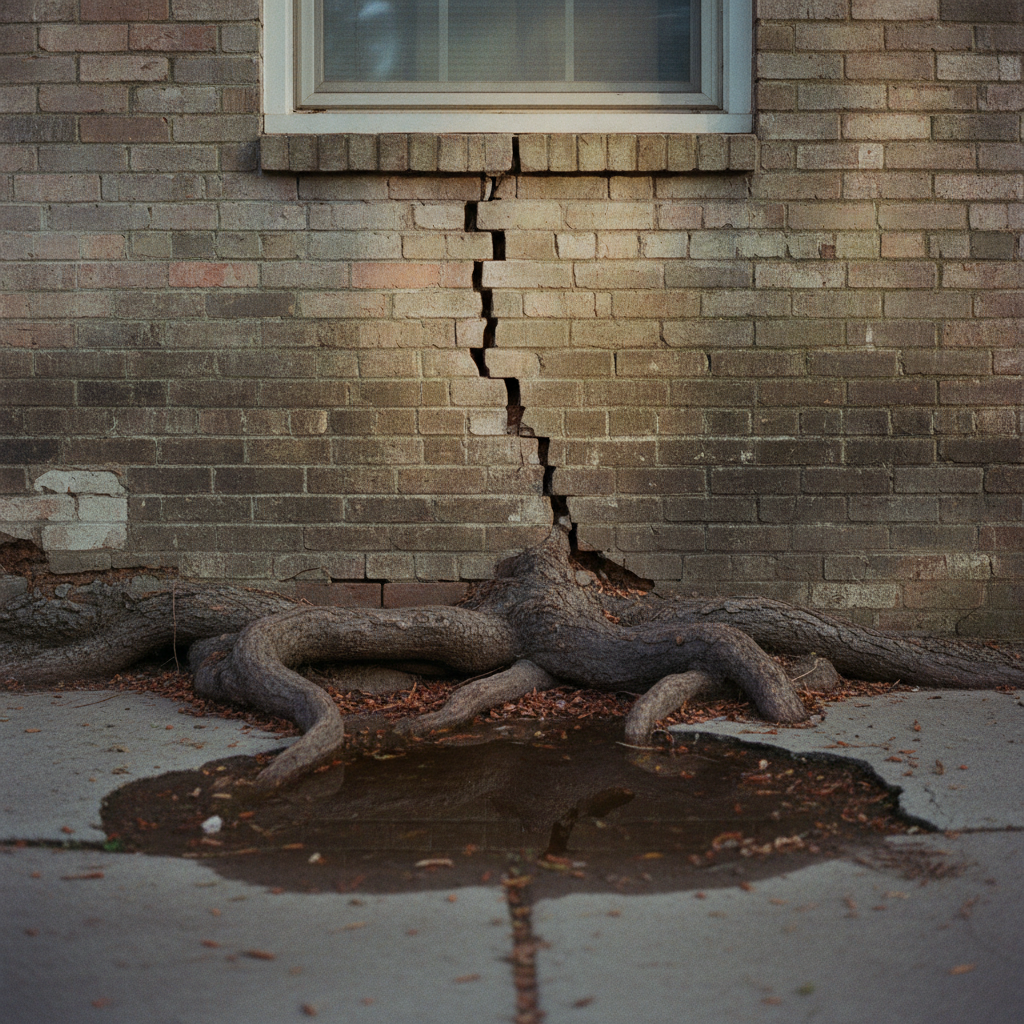
It’s easy to dismiss a small crack. “Oh, it’s just the house settling,” we tell ourselves. And sometimes, that’s true for tiny, hairline fractures. But when we start talking about a series of cracks that zigzag diagonally, following the mortar lines of your brick, especially in a consistent stair-step pattern? That’s when it usually signals something a bit more substantial underneath. (I remember feeling that exact same knot in my stomach when I saw a hairline crack in my own patio once, so I get it.)
What’s Behind Those Stair-Step Cracks?
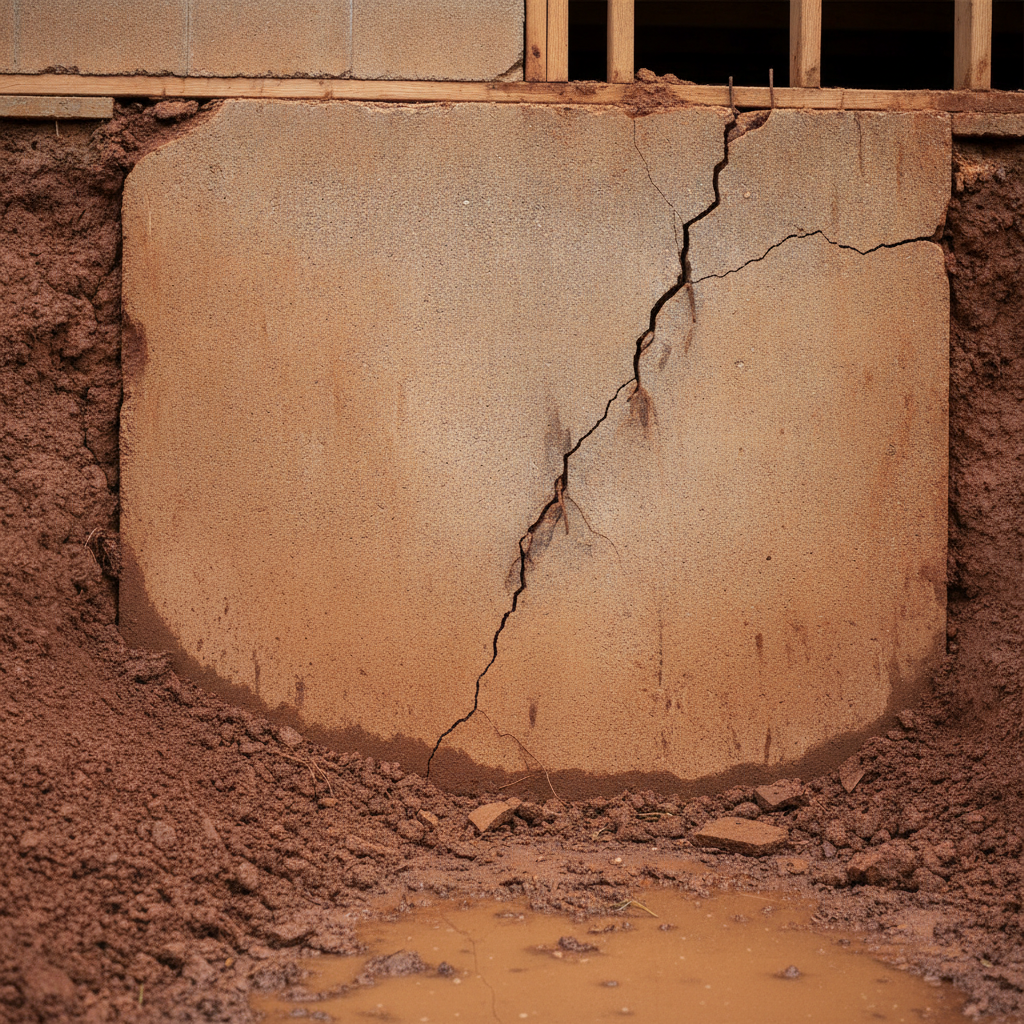
So, what causes stair step cracks in brick veneer Charlotte homes? Let’s be real for a second: most of the time, these types of cracks are pointing to foundation issues. Brick veneer is just that – a veneer. It’s the skin of your house, and it relies on the structural integrity of your foundation. When the foundation shifts, even slightly, that brick skin can’t handle the stress gracefully, and it cracks along the weakest points: the mortar joints.
Here’s the thing about our soil here in North Carolina, especially around Charlotte. We can get some pretty dramatic shifts in moisture levels. Think about those long, dry summers followed by heavy rainy seasons, like the ones we’ve been seeing more of lately, even as we head into late summer and early fall in August 2026. This constant expansion and contraction of the soil under your home is often a big culprit behind a settling foundation. When parts of your foundation sink or lift unevenly, it puts pressure on everything above it, and those brick veneer stair-step cracks are often the first visible symptom.
Other things can cause these, too. Maybe a big tree root is growing too close to your foundation. Or perhaps the drainage around your home isn’t quite right, letting water pool and erode the soil in one specific area. It’s rarely just one thing, but usually a combination that creates enough stress for these cracks to show up.
A Quick Reality Check: What You Can Do Next
If you’re seeing these cracks, don’t panic, but also don’t ignore them. Here’s a quick few things you can look at:
- Examine the Crack Itself: How wide is it? Is it consistent? Has it grown over time? Take a picture with something for scale (like a coin) and note the date.
- Look for Other Signs: Are doors or windows sticking? Do you see cracks inside your home, perhaps in drywall or plaster, especially above doorframes? Are your floors sloping?
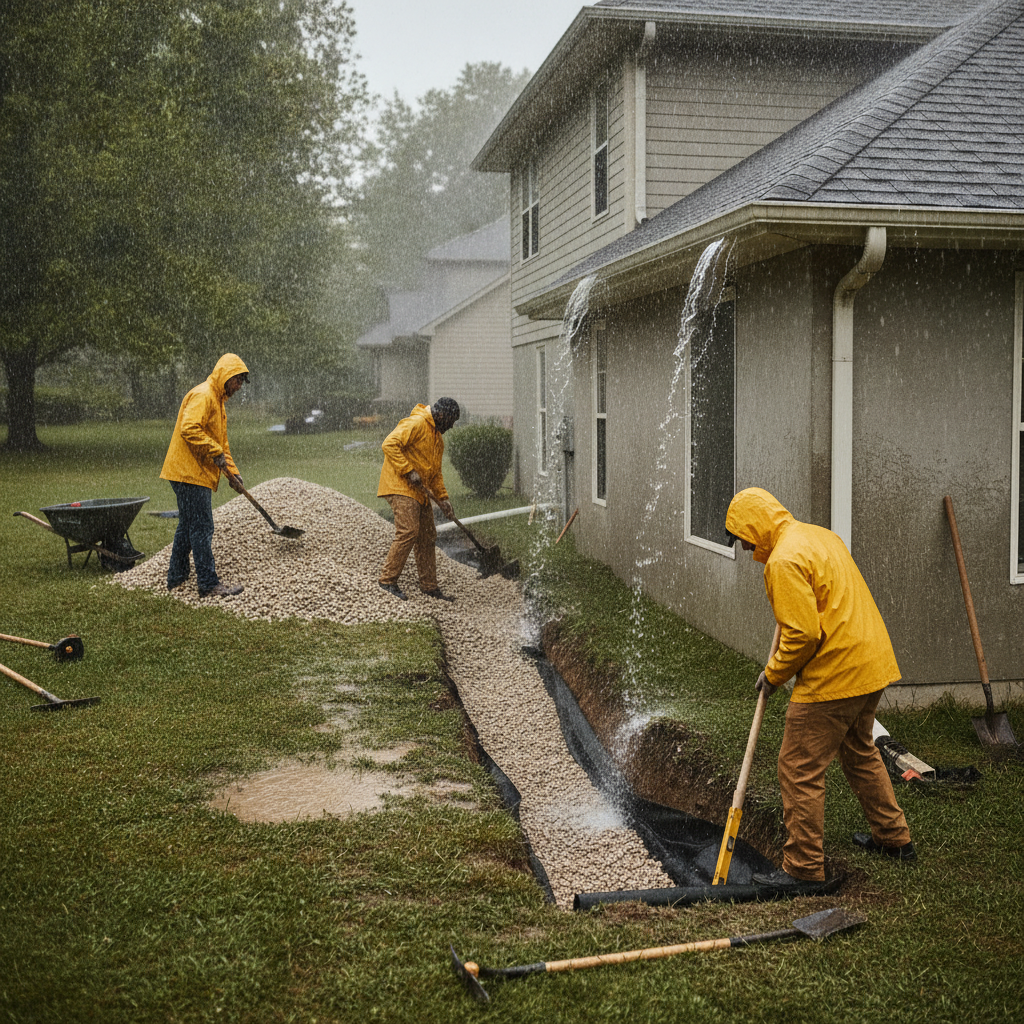
- Check Your Drainage: Walk around your house. Does water pool near the foundation after a rain? Are your gutters clean and downspouts directing water far away from the house? Proper drainage is crucial.
- Consider the Surrounding Area: Are there large trees nearby? Has there been recent construction or excavation in your neighborhood that could affect soil stability?
A Real-Life Moment
Earlier this week, I was chatting with a buddy of mine, Mark, who owns an older home near Columbia, South Carolina. He called me, super frustrated, because he’d been noticing some minor stair-step cracks on the side of his brick house for about a year. He thought it was just “old house stuff.” But then, one of his interior doors started getting really sticky, and the cracks outside seemed to get a little wider. That’s when he knew he couldn’t put it off anymore.
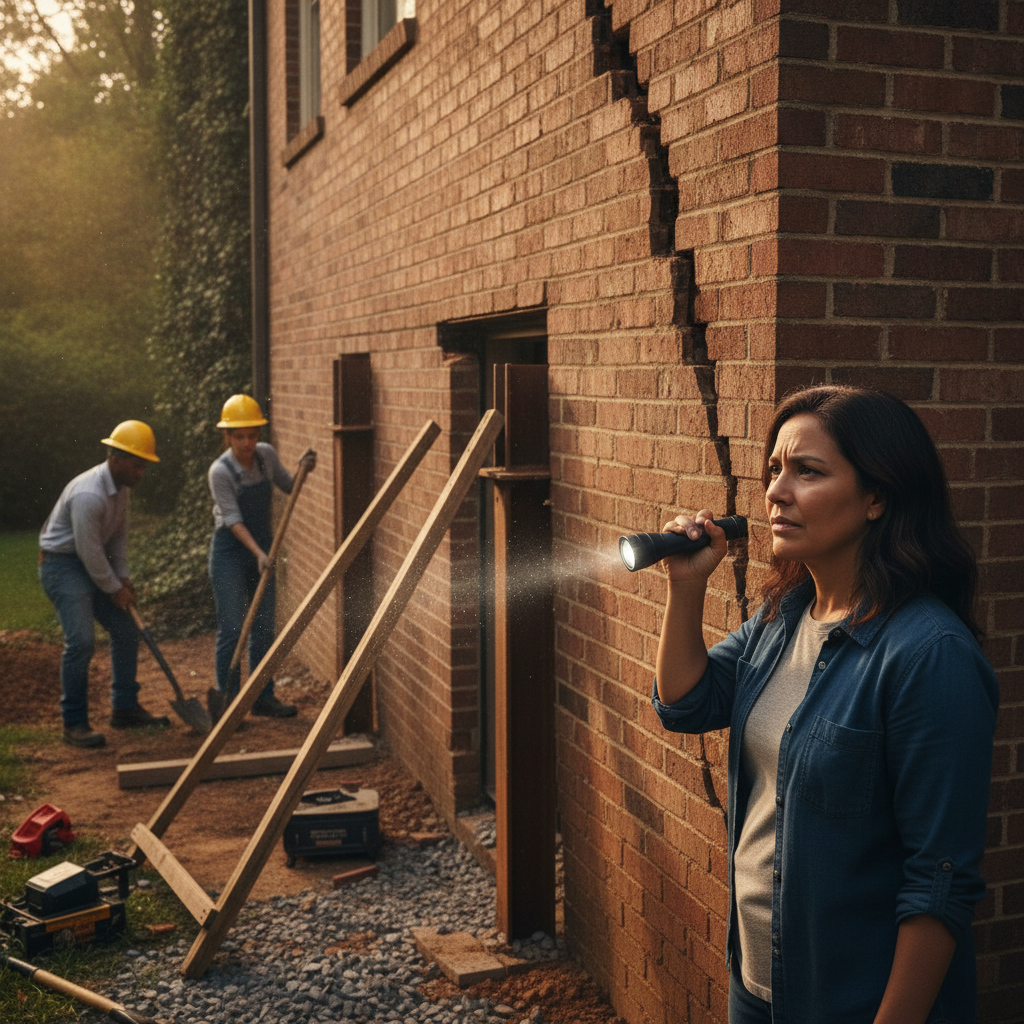
He called up Piedmont Foundation Repair, and they came out for an inspection. Turns out, his foundation *was* settling, largely due to some poor drainage he had around a particular corner of his house combined with an older, thirsty oak tree. The team at Piedmont Foundation Repair gave him a clear breakdown of what was happening and what it would take to fix it. He told me he felt so much better just having a professional confirm what was going on and lay out a plan.
Here’s the Big Takeaway
Ultimately, stair step cracks in brick veneer can be a significant indicator that your Charlotte home’s foundation is under stress. While I don’t have X-ray vision to tell you exactly what’s going on with your specific home, I can tell you that getting an expert opinion early on can save you a lot of headache and expense down the road. It’s like a check-engine light for your house.
If you’re seeing these types of cracks, or any other signs of foundation trouble, don’t wait until it becomes a bigger, more costly problem. Reach out to a trusted professional. The team at Piedmont Foundation Repair specializes in understanding and resolving foundation issues right here in the Carolinas. They can assess what’s truly causing those stair step cracks and offer solutions that bring you peace of mind. It’s worth the call, truly.