
You know that feeling when you walk into your basement, and something just… feels off? Maybe it’s a tiny crack you didn’t notice before, or a subtle curve in a wall that wasn’t there last year. It’s unsettling, right? Especially when you start to wonder, “Wait, why do basement walls bow inward due to saturated clay soil Charlotte?” It’s a question I hear a lot, and honestly, it’s a big deal for homeowners here.
Earlier this week, I was chatting with a friend in Ballantyne who was freaking out about a slight bulge in their basement wall. They thought it was just old age or something settling, but the truth is, what’s happening outside their home might be the real culprit. And often, it comes down to our good old friend: water and soil.
Let’s Get Honest for a Second: What’s Really Going On?
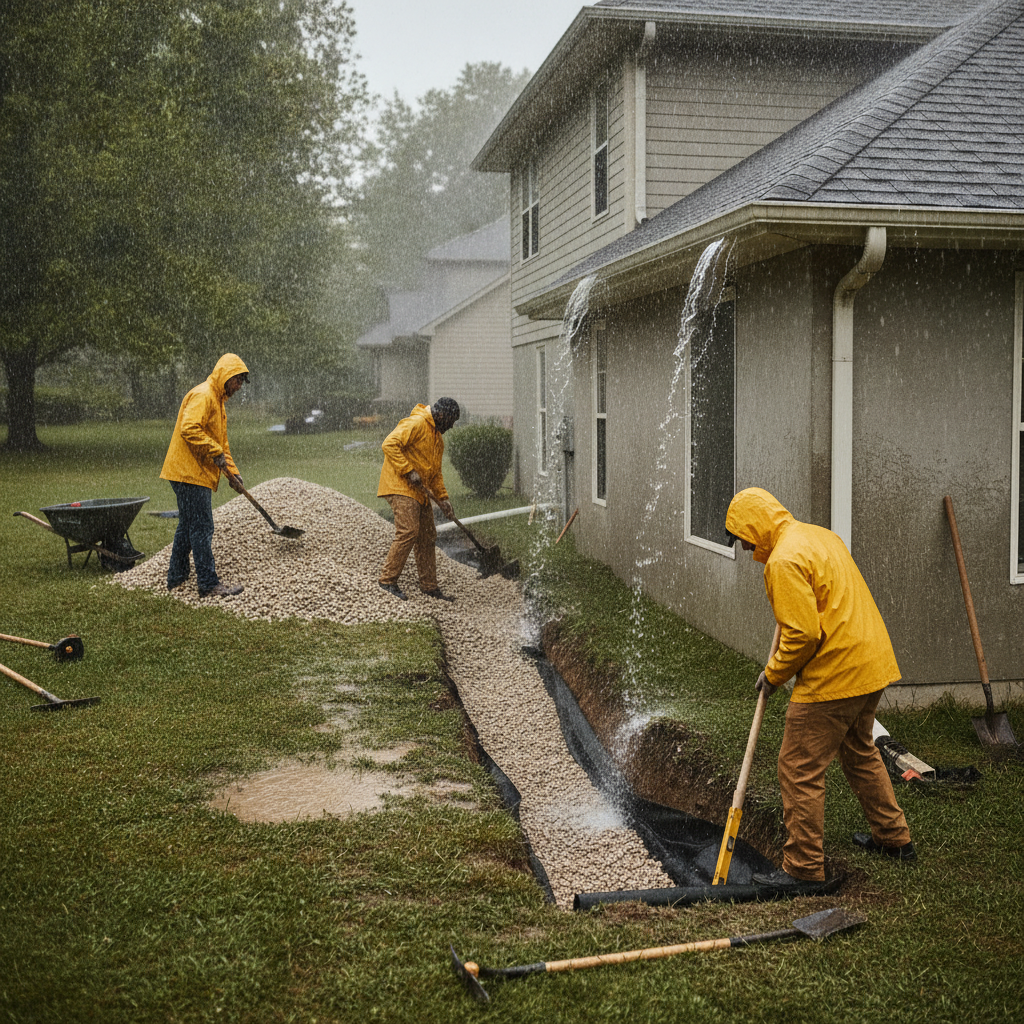
Here’s the truth: Many homes in Charlotte, especially older ones, are built on clay soil. Now, clay soil is pretty amazing when it’s dry and stable. It supports everything just fine. But then, you add water – a lot of water, like we get after those heavy Carolina thunderstorms, especially heading into fall and winter. When clay soil gets super wet, it expands. It really swells up. And guess what’s right next to it? Your basement walls.
This expanding, saturated clay soil starts to exert incredible pressure on those walls. Think of it like a giant, slow-motion squeeze. Over time, that constant push can literally force your basement walls to bow inward. It’s not just a little cosmetic crack; it’s a sign that your foundation is under immense stress. And honestly, it’s a problem that won’t just fix itself. The wild part is, even if the water eventually drains away, the damage might already be done, and the next heavy rain cycle just makes it worse.
What You Can Look For (And What To Do)
If you suspect something’s up, don’t panic, but don’t ignore it either. Here are a few things to keep an eye out for:
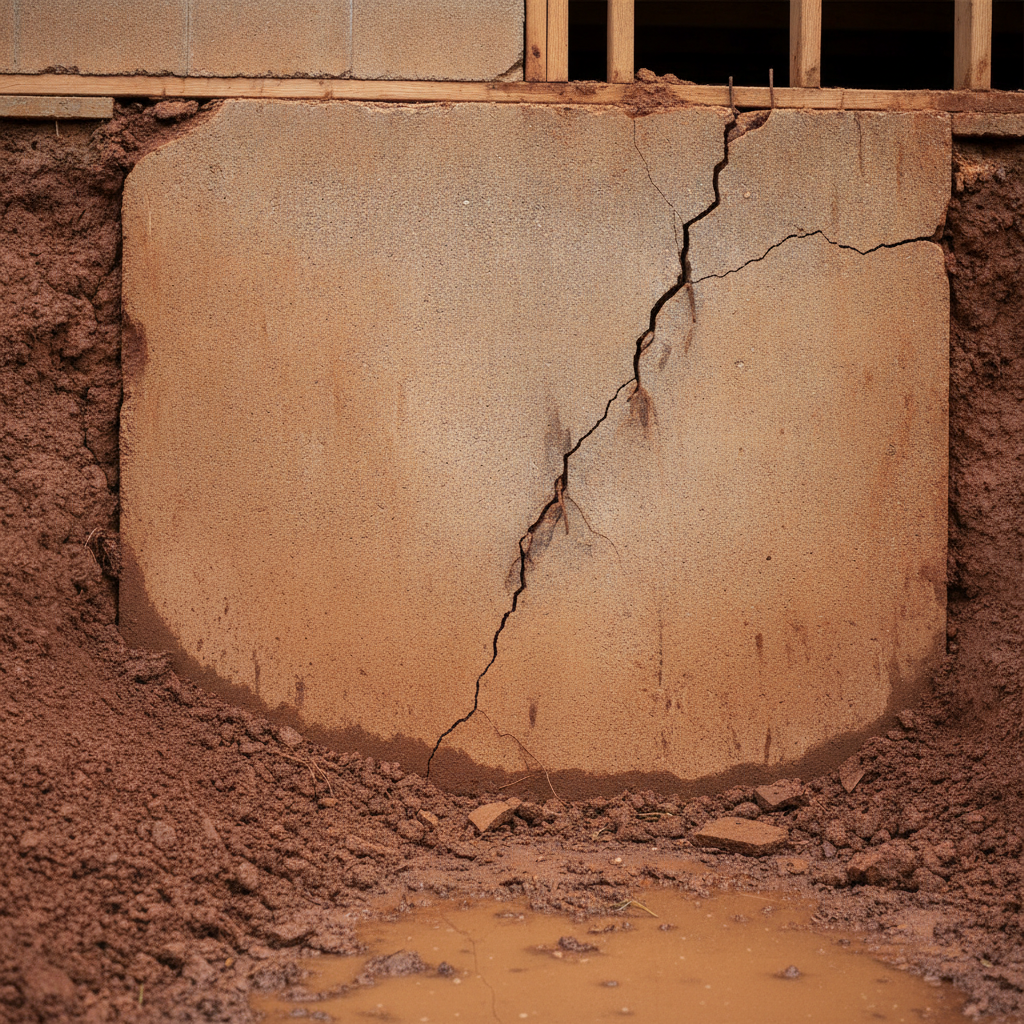
- Horizontal Cracks: These are a tell-tale sign of outward pressure. Look for them running across your basement walls.
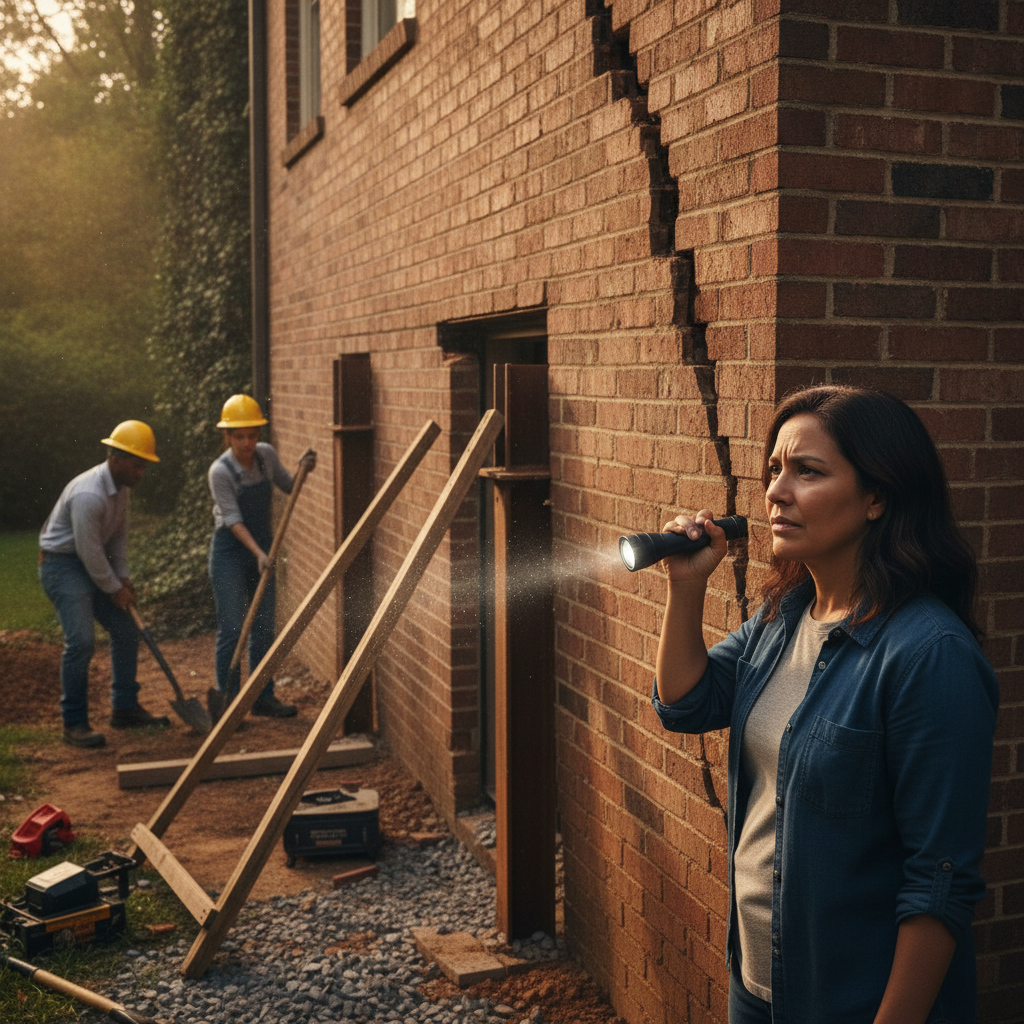
- Stair-Step Cracks: If you have brick, you might see cracks stepping up or down the mortar joints.
- Bulging or Leaning Walls: This is the most obvious sign that your walls are bowing. They might look like they’re curving or leaning inwards.
- Water in Your Basement: If water is finding its way in, it’s a big red flag that the soil outside is saturated and putting pressure on your foundation.
- Doors and Windows Sticking: Sometimes, foundation movement can affect the frames of doors and windows, making them hard to open or close.
If you see any of these, especially if you’re in a neighborhood known for clay soil in Charlotte, it’s time to get a professional opinion. Trying to DIY this is usually a recipe for more expensive problems down the road. (I learned that the hard way with a leaky faucet once – a small problem became a huge headache!)
A Real-Life Moment
I remember talking to a homeowner, Sarah, over in Plaza Midwood a few months ago. She’d noticed a slight horizontal crack in her basement wall for a while but thought it was just “character” in her older home. Then, after a particularly wet August and September last year (I’m talking like, a solid week of rain), she started seeing water seeping in through that crack. That’s when she called Piedmont Foundation Repair.
They came out, did an inspection, and confirmed her problem was classic saturated clay soil pressure causing her basement walls to bow inward. They explained exactly how the excess water was expanding the soil and pushing on her foundation. They presented a clear plan to stabilize the wall and improve her yard’s drainage. Sarah was so relieved to understand the ‘why’ and to have a reliable team handling the ‘how’.
Here’s the Big Takeaway
The good news is that bowing basement walls, while serious, are usually fixable. Understanding that it’s often a result of saturated clay soil and the pressure it puts on your foundation here in Charlotte is the first step. Don’t let a small issue grow into a massive headache. If you’re seeing signs of trouble, give the experts at Piedmont Foundation Repair a call. They really know their stuff and can help you figure out the best way to protect your home’s foundation. It’s peace of mind, really.