
I was grabbing coffee with a friend in Asheville the other day, and all he could talk about was the constant rain we’ve been having this winter. It got me thinking about something we see a lot at Piedmont Foundation Repair this time of year: that slow, relentless pressure water puts on a home’s foundation.
You might have noticed it yourself. A new, spidery crack in the basement wall. A little dampness in the corner that wasn’t there last fall. It’s easy to dismiss, but it’s often your house trying to tell you something important about the water in the ground outside.
The Real Culprit: Let’s Talk Hydrostatic Pressure
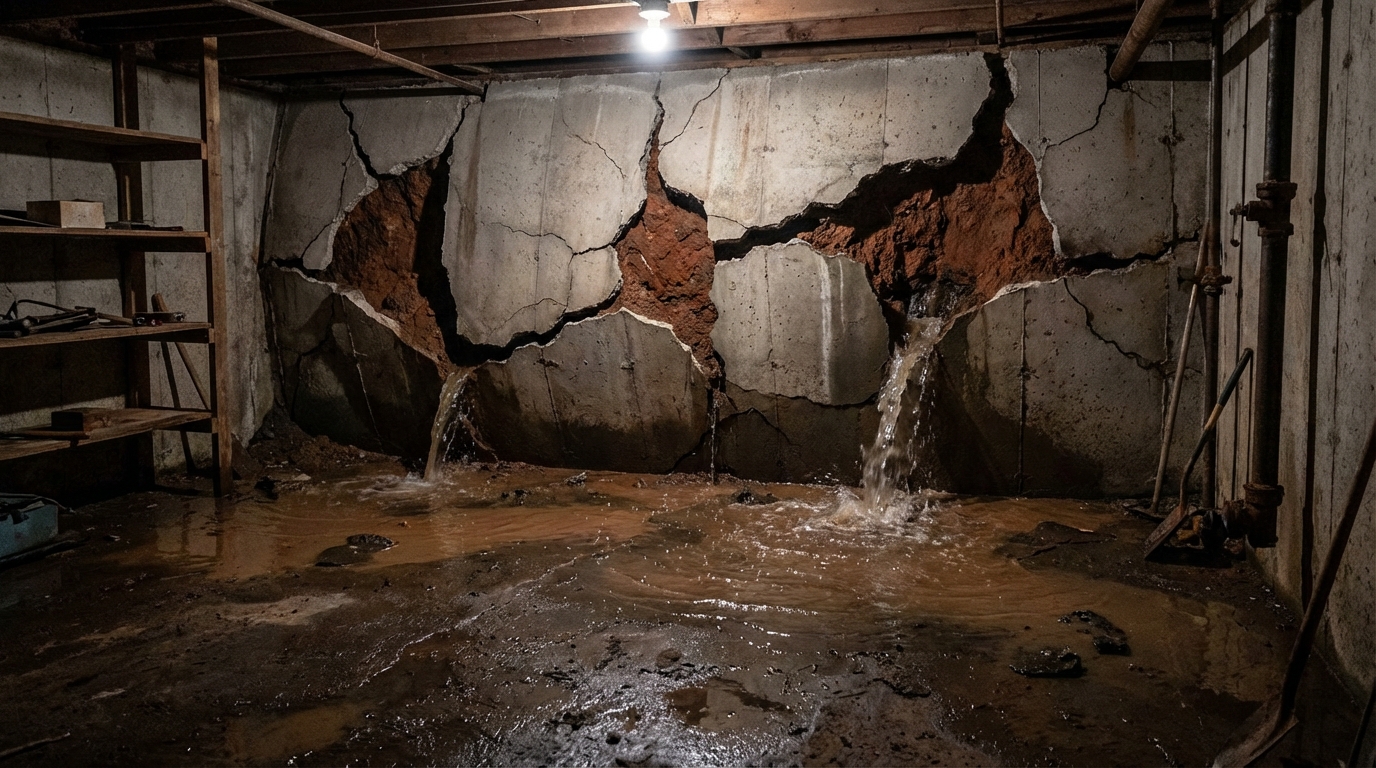
It sounds like a complicated science term, but the idea is actually pretty simple. When it rains heavily, the soil around your foundation gets saturated with water. Think of it like a bathtub filling up around your house. All that water has weight, and it pushes against your foundation walls. That push is called hydrostatic pressure.
Here in North Carolina, with our famous clay soil, the problem can be even worse. Clay soil holds onto water like a sponge, which means the pressure can stick around for a long time after the rain stops. Over time, that constant force can cause cracks, bowing, and leaks in your basement or crawl space walls.
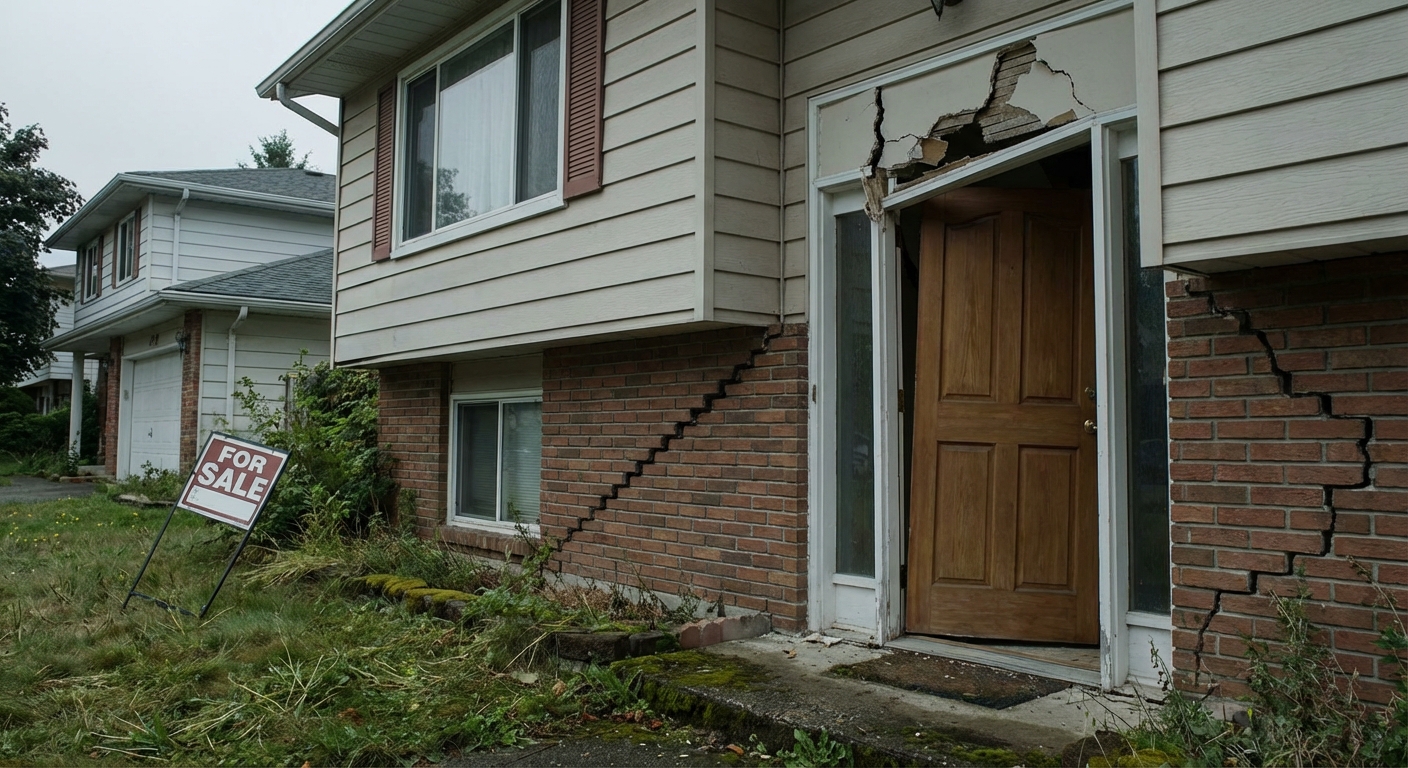
If I’m being honest, ignoring it is the worst thing you can do. A small crack today can become a major structural issue down the road. (And let’s be real, nobody wants to deal with a full-blown basement flood.)
So, How Do We Repair Foundation Wall Cracks Caused by Hydrostatic Pressure in NC?
The good news is, you absolutely can fix this. It’s not about just patching the crack you can see; it’s about relieving the pressure that caused it in the first place. When our team at Piedmont Foundation Repair comes out to a home, we’re looking at the whole picture. Here’s a breakdown of what a real solution often involves:
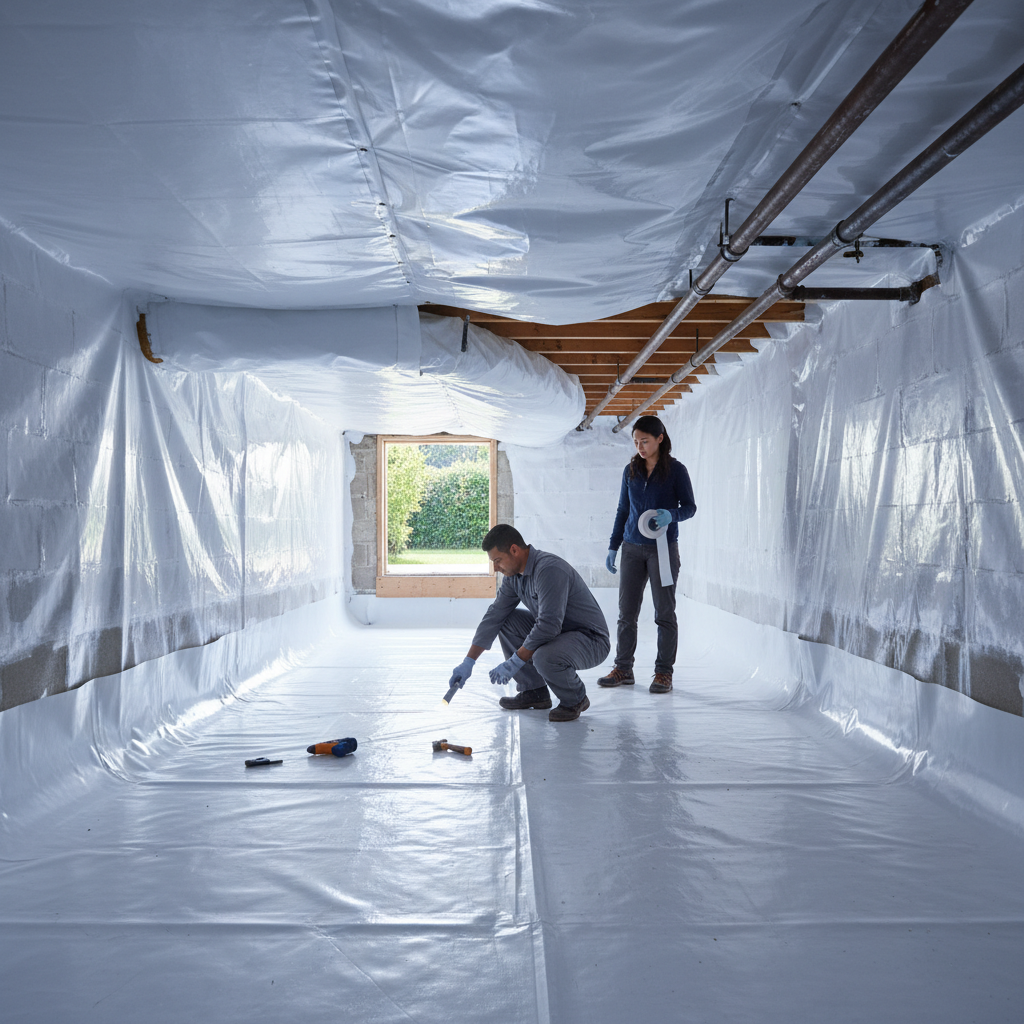
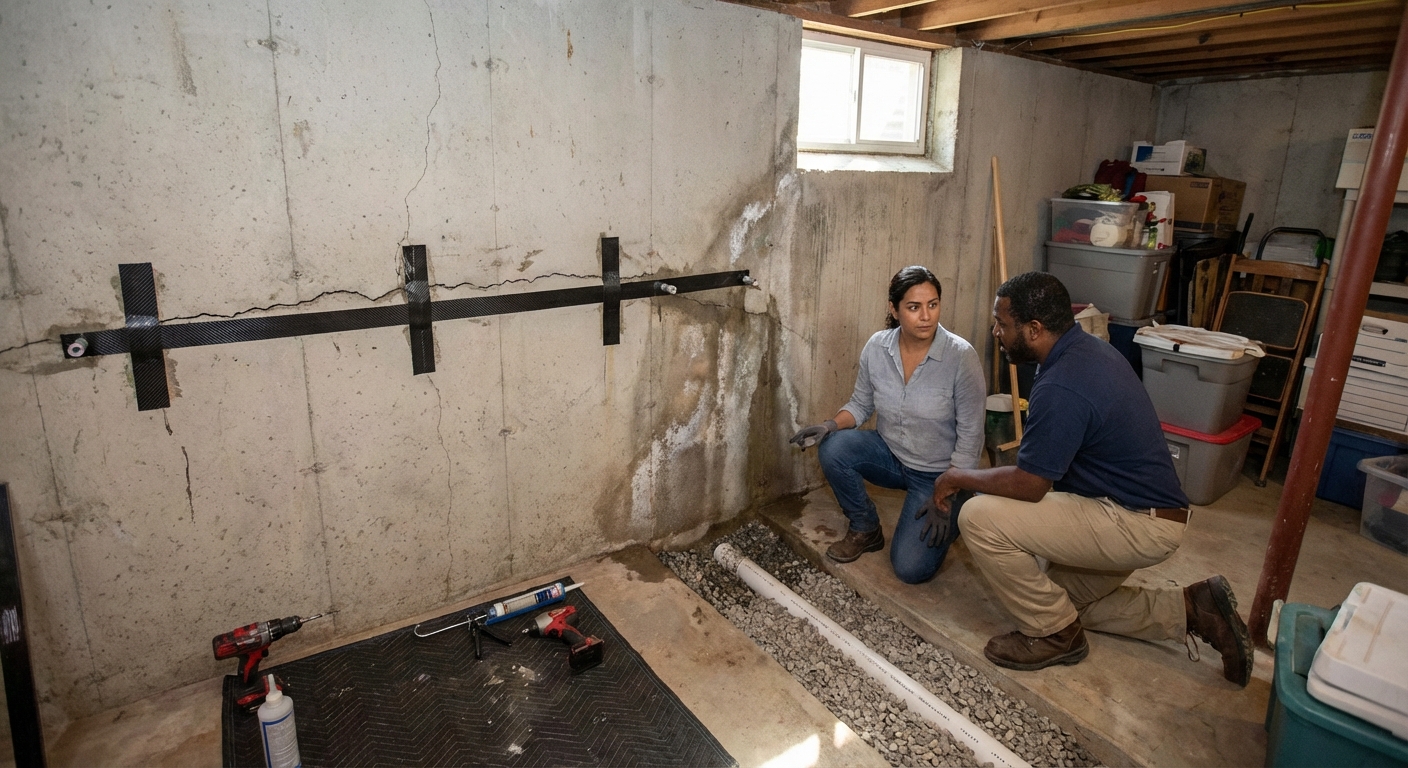
- Water Management First: Before we touch the wall, we have to address the water. This often means installing an interior or exterior drainage system, like a French drain, to give that groundwater a place to go *other* than against your foundation.
- Sealing the Cracks: For the existing foundation wall cracks, we don’t just slap some cement on them. We often use a high-tech polyurethane injection that expands inside the crack to create a flexible, waterproof seal from the inside out. It’s incredibly effective.
- Adding Support (If Needed): If the pressure has caused the wall to bow or lean inward, it needs to be stabilized. We can use things like carbon fiber straps—which are stronger than steel—to reinforce the wall and prevent any further movement.
A Quick Story from Greensboro
It reminds me of a homeowner, David, we helped in Greensboro last spring. He had a horizontal crack running the length of his basement wall that was slowly getting wider. He was worried his whole foundation was failing. We went out and saw the classic signs of intense hydrostatic pressure, likely from poor grading and a downspout dumping water right against the house.
Instead of a massive, overwhelming project, we started by correcting the drainage outside. Then, we sealed the crack with polyurethane and reinforced the wall with carbon fiber. Long story short, his basement has been bone-dry ever since, and the wall is secure. He told me the peace of mind was worth everything.
What to Do Next
You know that feeling when you know something isn’t right with your house, but you’re not sure how serious it is? That’s your cue. Don’t sit on it and let the worry build up. The key is to address the cause, not just the symptom.
If you’re seeing those telltale cracks, damp spots, or musty smells, it’s a sign that you need to figure out how to repair foundation wall cracks caused by hydrostatic pressure at your NC home. The first step is just getting an expert opinion. Give us a call at Piedmont Foundation Repair. We can come out, take a look, and tell you exactly what’s going on, without any sales pressure. Just honest answers so you can keep your home safe and dry.