
Comprehensive Guide to Foundation Repair: Ensuring Your Home’s Stability and Longevity
When it comes to home ownership, ensuring the structural integrity of your dwelling ranks at the top of the priority list. After all, a house is not just a place to hang your hat; it’s where memories are made, cozy dinners are enjoyed, and perhaps the occasional karaoke night erupts into friendly chaos. Among the many elements that contribute to a safe and stable home, the foundation is undeniably the unsung hero. A solid foundation means security, while a compromised one can lead to a domino effect of problems that might leave you feeling more like you’re living in a funhouse than a cozy abode.
So, let’s dig into the ground beneath our feet (figuratively, of course) with this comprehensive guide to foundation repair. We’ll explore why foundations fail, how to recognize signs of trouble, the various types of repairs available, and tips for maintenance—all while ensuring that your home remains the dependable fortress you desire.
### Understanding the Foundation: The Backbone of Your Home
Before we dive into the nitty-gritty of repairs, let’s first discuss what a foundation actually does—because knowing your enemy (or in this case, your foundation) is half the battle. Think of your foundation as the sturdy base that supports the entire structure of your home. It bears the weight of your walls, floors, and roof, ensuring everything remains in harmony and doesn’t come crashing down during your latest attempt at a home improvement project (we’ve all been there).
The common types of foundations include:
1. **Basement Foundations**: Often used in colder climates, these foundations extend below ground and provide additional living space.
2. **Crawl Space Foundations**: These elevate the house above ground, typically allowing for ventilation and easy access to plumbing.
3. **Slab Foundations**: A popular choice in warmer regions, a slab foundation consists of concrete poured directly on the ground.
Like any good superhero, foundations can face challenges from time to time. Let’s explore some of the most common culprits behind foundation woes.
### Why Do Foundations Fail? The Usual Suspects
Foundations can fail due to a variety of reasons, often related to the soil beneath them. Here are the most common offenders:
1. **Poor Soil Compaction**: If the soil was not properly compacted during construction, it may settle over time, leading to uneven weight distribution on the foundation.
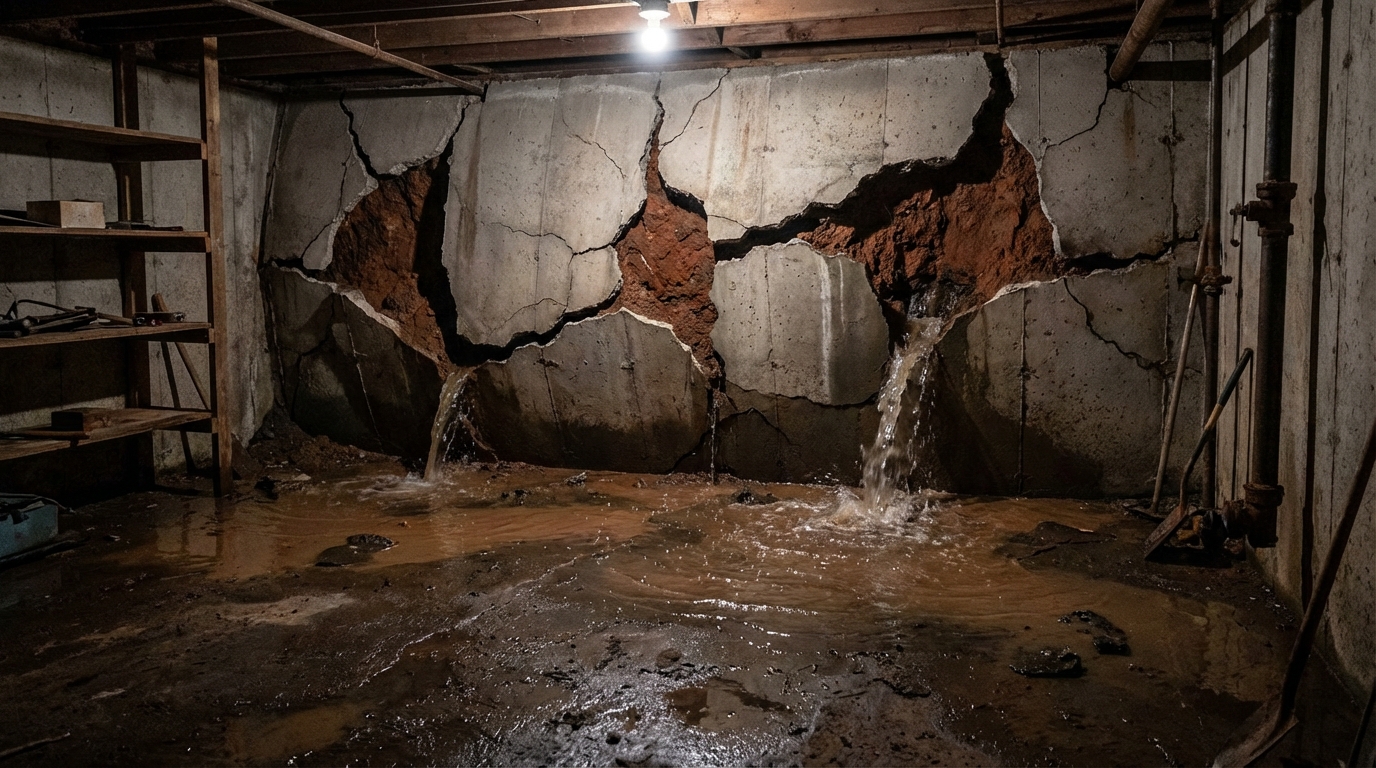
2. **Water Damage**: Excessive moisture from heavy rains, flooding, or poor drainage can erode soil and weaken foundation structures. Imagine a sandcastle after a high tide—yikes!
3. **Tree Roots**: Although trees are great, they can also be a bit selfish when it comes to nutrient acquisition, drawing moisture away from the soil underneath your foundation.
4. **Temperature Fluctuations**: Expanding and contracting soil due to temperature changes can cause stress on a foundation, particularly if it was built on expansive clay.
5. **Construction Errors**: Sometimes, humans make mistakes, and poor construction techniques can lead to future problems.
Now that we know the “whodunits,” let’s move on to spotting signs that your foundation may need some attention.
### Identifying Signs of Foundation Issues: Detective Work 101
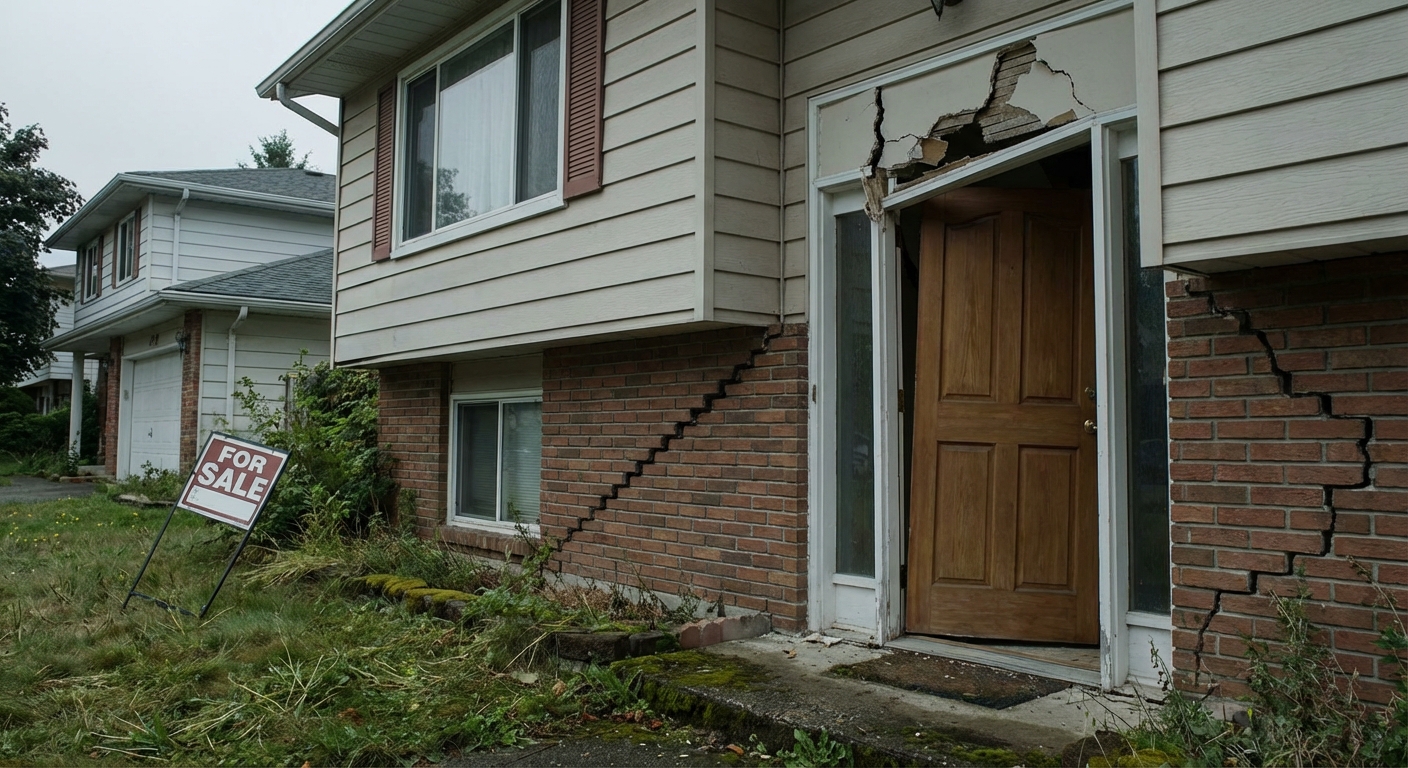
Foundation problems don’t always announce themselves with a loud bang. Sometimes, they creep in quietly until you wake up one day and wonder why your doors no longer close properly or why there’s a lovely crack running up your wall like it’s auditioning for a role in a horror movie. Here are some red flags to watch for:
1. **Cracks in Walls or Floors**: Look for diagonal cracks, especially those wider than a quarter-inch. Horizontal cracks in the basement can be particularly telling.
2. **Uneven Floors**: Do you feel like your home has turned into an amusement park ride with a tilt? Uneven floors can indicate foundational issues.
3. **Doors and Windows Misbehaving**: If they stick, sag, or refuse to close, something might be off-kilter with your foundation.
4. **Bowing Walls**: If any of your walls seem to be leaning, it’s time to investigate further.
5. **Basement or Crawl Space Water Accumulation**: Standing water or excessive dampness in these areas indicates drainage issues, which can lead to bigger problems.
### Types of Foundation Repairs: What’s on the Menu?
Once you’ve identified a potential foundation issue, the next step is to consider your repair options. To say that foundation repairs come in one flavor would be like saying ice cream only comes in vanilla—there’s a whole world of possibilities! Here are the most common methods:
1. **Piering**: This involves using steel piers to stabilize and lift the foundation back to its original level. It’s a bit like giving your house a much-needed chiropractic adjustment.
2. **Slabjacking**: A technique used primarily for slab foundations, this method involves injecting a material beneath the slab to raise it back into position.
3. **Wall Anchors**: For bowing or leaning walls, this method uses anchored rods to stabilize and straighten the wall.
4. **Crawl Space Repair**: This can include installing supports or encapsulation systems to manage moisture and support the weight of the home.
5. **Drainage Solutions**: Installing gutters, downspouts, and drainage systems helps direct water away from your foundation, ensuring that Mother Nature doesn’t stage a surprise attack.
### Choosing a Foundation Repair Contractor: Don’t Go In Blind!
Let’s face it: calling for professional help can be daunting, especially when it comes to such a critical aspect of your home. Here’s how to ensure you select a contractor who knows their stuff and won’t leave your wallet feeling as empty as your fridge after a busy week.
1. **Research**: Look for local contractors with good reviews and a solid reputation. Websites like Yelp and Angie’s List can be helpful.
2. **Ask for References**: A reputable contractor will gladly provide references or showcase previous work.
3. **Get Multiple Quotes**: Don’t settle for the first estimate you receive. Get at least three quotes to compare pricing and services—like shopping for that perfect pair of shoes on sale!
4. **Check Credentials**: Ensure the contractor is licensed and insured. This protects you from liability in case things go awry.
5. **Warranty**: Ask about warranties for both the work done and the materials used. If a contractor stands by their work, that’s a reassuring sign.
### Maintenance Tips for Longevity: Keep Your Foundation Fit!
Just like you wouldn’t ignore that persistent ache in your back (at least, I hope you wouldn’t), you shouldn’t neglect your foundation either. Regular maintenance can prevent small issues from spiraling into significant repairs. Here are some simple tips to keep your foundation in tip-top shape:
1. **Ensure Proper Drainage**: Make sure gutters and downspouts direct water away from your foundation. Extend downspouts at least 5-10 feet away.
2. **Monitor Landscaping**: Keep trees planted at a safe distance from your home. When planting new trees, choose those with non-invasive root systems.
3. **Watch for Water Accumulation**: Pay attention to puddles forming in your yard. If they linger, it might be time to install drainage solutions.
4. **Inspect Regularly**: Check for cracks and signs of settling at least twice a year. Do a little detective work and catch problems before they grow!
5. **Maintain HVAC Systems**: Keeping your home’s humidity levels in check can prevent soil moisture issues around your foundation.
### Conclusion: Secure Your Home’s Future
In conclusion, a healthy foundation is crucial for ensuring your home remains a place of comfort and safety. By understanding the causes of foundation problems, how to identify them, and the available repair options, you empower yourself as a homeowner. Remember, prevention is always more cost-effective than repair, so regular maintenance can save you from unnecessary headaches (and expenses) down the line.
With the right knowledge and a bit of vigilance, you can ensure that your home stays stable for years to come—giving you peace of mind and perhaps even allowing you to host another karaoke night without worrying about any unexpected surprises from the floorboards! Here’s to a strong foundation and a happy home!