
Essential Guide to Choosing the Right Foundation Repair Solutions for Your Home
When you think of home maintenance, your mind might wander to leaky faucets, squeaky doors, or the occasional uninvited raccoon in the attic. But there’s one aspect of home care that can make or break your living experience—your foundation. It is literally the base on which your whole home stands, and if it starts to show signs of trouble, it’s time to take action. In this essential guide, we’ll navigate the sometimes murky waters of foundation repair solutions. Whether you’re experiencing cracks in your walls, uneven floors, or doors that refuse to close properly, we’ve got you covered.
Understanding the Importance of Your Home’s Foundation
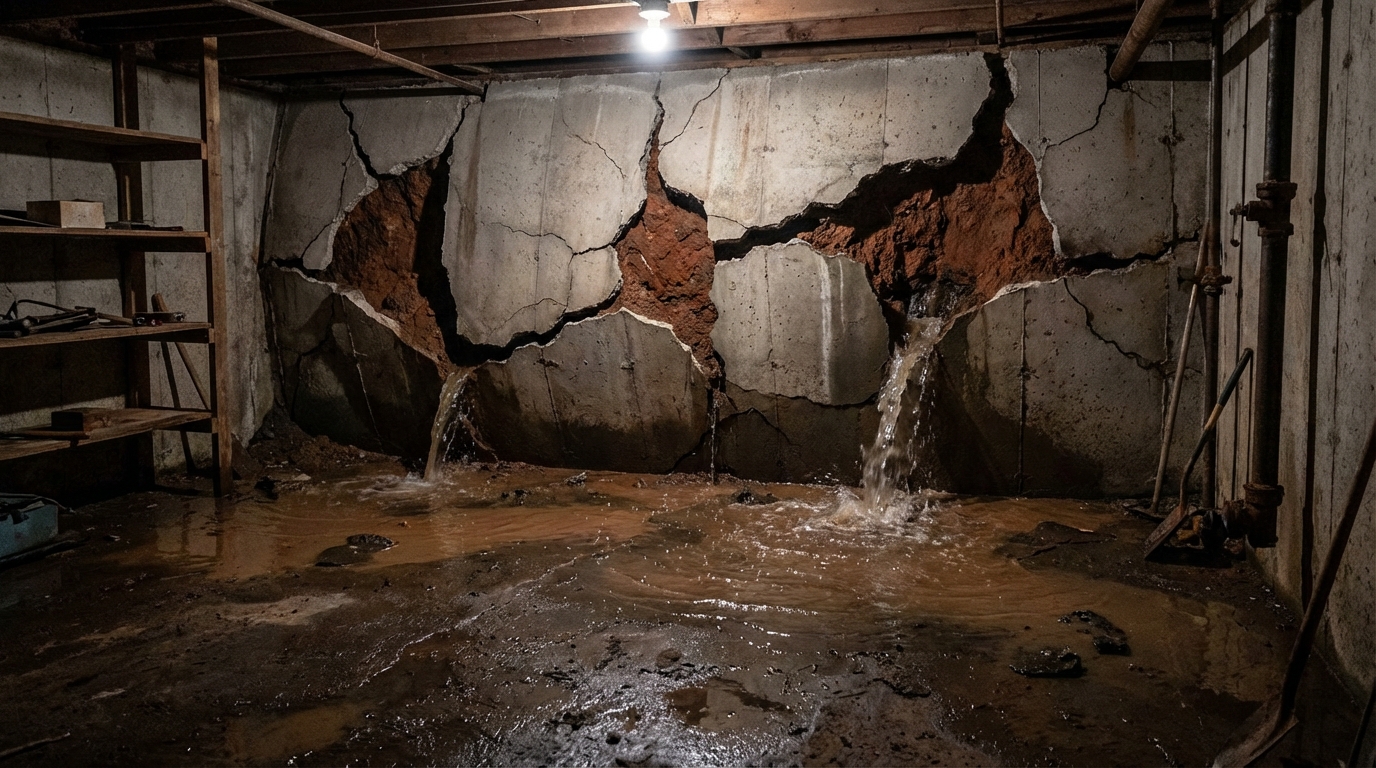
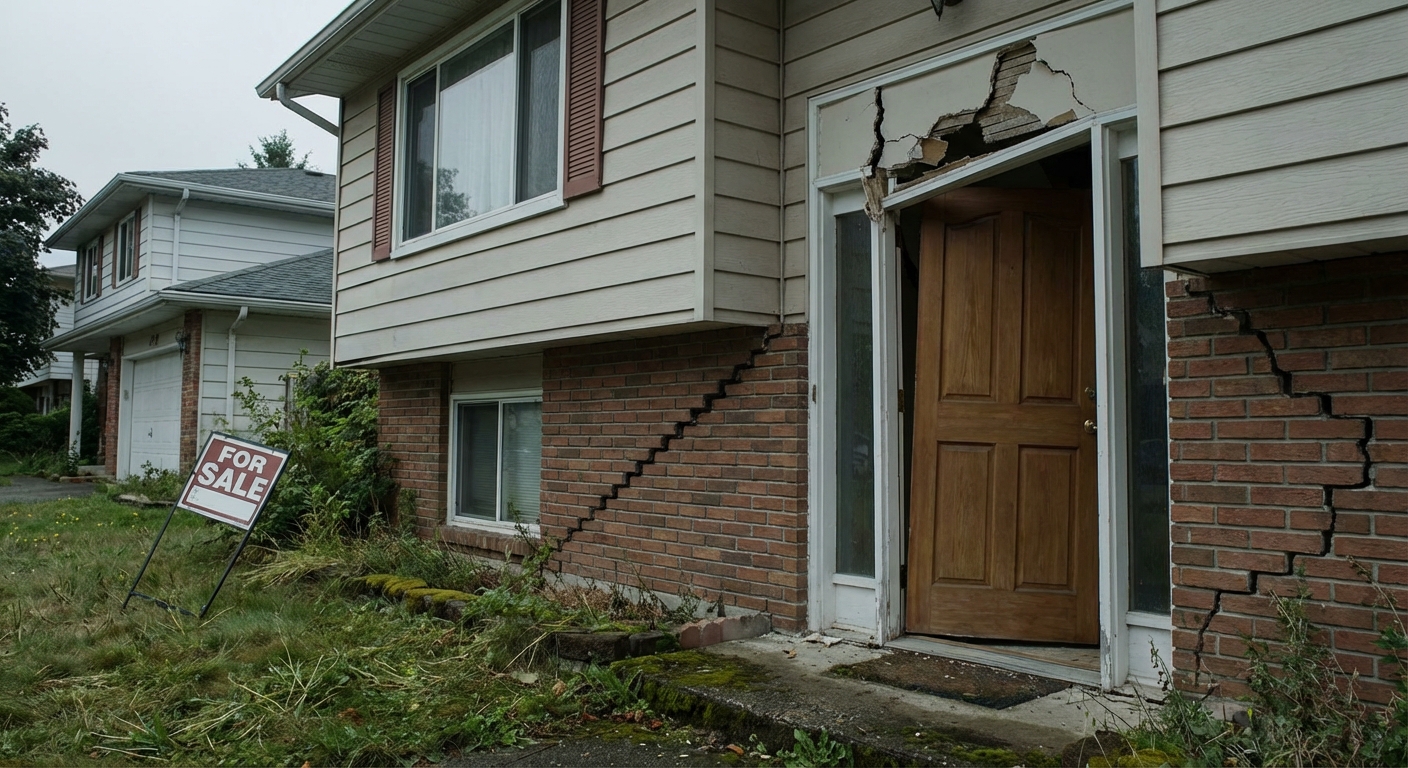
Before we dive into the nitty-gritty of repair solutions, let’s take a moment to appreciate why your foundation is so vital. Think of your foundation as the superhero of your home—it supports everything above it. If it’s not in good shape, you could be looking at structural instability, water intrusion, and a plethora of other issues. Not to mention, selling a home with foundation issues can be about as appealing as trying to sell a snow shovel in July!
Signs You Need Foundation Repair
Now that we’re on the same page about how critical your foundation is, let’s talk about the warning signs that it might need some TLC. Keep an eye out for:
1. **Cracks in Walls**: Hairline cracks are usually nothing to worry about, but larger cracks, especially those that are wider than a quarter, could indicate serious problems.
2. **Uneven Floors**: If you feel like you’re taking a stroll through a funhouse every time you walk across your living room, it might be time to call in the pros.
3. **Doors and Windows**: Sticking or misaligned doors and windows can signal foundation troubles. They should open and close with the grace of an Olympic gymnast, not the effort of a sumo wrestler!
4. **Gaps Between Walls and Ceilings**: If you’ve suddenly developed a permanent gap between your wall and ceiling, this isn’t an architectural feature; it’s a warning sign.
5. **Water Accumulation**: Excessive moisture or pooling water around your foundation can lead to erosion and more significant issues down the line.
If you notice any combination of these signs, it’s best to act sooner rather than later—before your home decides to throw a structural tantrum!
Types of Foundation Issues
There are primarily three types of foundation issues that homeowners encounter, each with its unique causes and solutions. Let’s break them down:
1. **Settlement Issues**: This occurs when the soil beneath the foundation shrinks or washes away, leading to downward movement. Signs of settlement include cracks and uneven flooring.
2. **Heave**: Unlike settlement, heave happens when the soil expands, typically due to moisture changes. This can push the foundation upward, causing cracks and damage.
3. **Lateral Movement**: This involves horizontal movement of the foundation due to pressure from soil or water. Think of it as your house attempting to do the limbo dance—unfortunately, that’s not a move we want to encourage.
Choosing the Right Foundation Repair Solutions
Now that we’ve identified potential issues, let’s explore the various repair methods available. These solutions vary significantly based on the type of problem at hand, so it’s important to choose wisely.
1. **Piering**: This method involves drilling piers deep into the ground until they reach stable soil or bedrock. Piering can effectively lift a settled foundation back to its original position. It’s like giving your house a solid pair of stilts to stand on!
2. **Slabjacking**: If your foundation is made of concrete slabs that have sunk, slabjacking involves pumping a mixture under the slab to raise it back into place. This can be a less invasive option compared to piering.
3. **Wall Anchors**: For homes experiencing lateral movement, wall anchors can provide stabilization. These metal anchors penetrate the foundation walls and extend into the stable soil, essentially anchoring your house against the forces trying to move it.
4. **Drainage Solutions**: If excessive moisture is the culprit, you might need to focus on improving your drainage systems. This could involve adding gutters, downspouts, or a drainage system around the foundation to redirect water away.
5. **Crawl Space Encapsulation**: If your foundation includes a crawl space, encapsulation can help control moisture levels and prevent future issues. It’s like wrapping your foundation in a cozy, waterproof blanket!
6. **Foundation Coatings**: For minor cracks, a simple foundation coating can seal up small gaps and protect against water intrusion. Think of it as a protective sunscreen for your foundation—keeping it safe from harmful elements!
Selecting a Foundation Repair Contractor
Choosing the right contractor for your foundation repairs is almost as crucial as the repairs themselves. A poorly executed repair can exacerbate issues rather than solve them. Here’s how to pick a trustworthy expert:
1. **Research and Recommendations**: Start by asking friends, family, or neighbors for recommendations. Online reviews and ratings can also give you insights into the contractor’s reputation.
2. **Experience Matters**: Look for contractors with a strong history in foundation repairs. The more experience they have, the better equipped they’ll be to handle unexpected challenges.
3. **Free Inspection and Estimates**: Many reputable contractors offer free inspections and estimates. Take advantage of these services—it’s like shopping for a car without ever needing to set foot on a lot!
4. **Get Multiple Quotes**: Don’t settle on the first contractor you find; gather multiple quotes to compare prices, services, and timelines.
5. **Warranty and Insurance**: Ensure the contractor offers a warranty for their work and has the necessary insurance. This protects you from liability should anything go awry during the repair process.
6. **Communication**: Choose someone who communicates clearly and is willing to explain the repair process. If they’re dodging questions like a politician in a debate, it’s probably best to keep looking.
Maintaining Your Foundation
Once your foundation is repaired, it’s important to take steps to maintain its health. Regular maintenance can save you a future headache (and wallet ache). Here are some tips to keep your foundation in tip-top shape:
– **Monitor Moisture Levels**: Keep an eye on the moisture levels around your foundation. You might even consider investing in a dehumidifier for the basement or crawl space.
– **Manage Water Drainage**: Ensure gutters and downspouts are functioning correctly and directing water away from your home. Check them often—especially after heavy rains!
– **Landscaping**: Avoid planting trees too close to your foundation. Their roots can wreak havoc on the surrounding soil.
– **Routine Inspections**: Schedule regular inspections with a foundation professional, especially if your home is aging or if you live in an area known for foundation issues.
Conclusion
Choosing the right foundation repair solution for your home doesn’t need to be a daunting task. By understanding the signs of foundation problems, the types of issues you may face, and how to select a qualified contractor, you’re well on your way to ensuring that your abode remains as solid as a rock—literally! Remember, your foundation supports everything else; treat it well, and it will return the favor. And who knows, maybe your house will stop playing tricks on you, like doors that won’t close and floors that feel like an amusement park ride! So roll up your sleeves, assess your home, and take those first steps toward a healthy foundation. Your house—and wallet—will thank you!