
Essential Guide to Choosing the Right Foundation Repair Solutions for Your Home
When it comes to maintaining the integrity of your home, few things are as crucial as having a solid foundation. Just like a sturdy pair of shoes can keep you from falling flat on your face, a solid foundation keeps your house upright and safe. However, over time, even the most well-built homes can develop foundation issues that have the potential to become serious if neglected. If you find yourself scratching your head over foundation repair solutions, fear not! This guide will walk you through the essential steps to choosing the right foundation repair options for your home.
Understanding the Importance of a Good Foundation
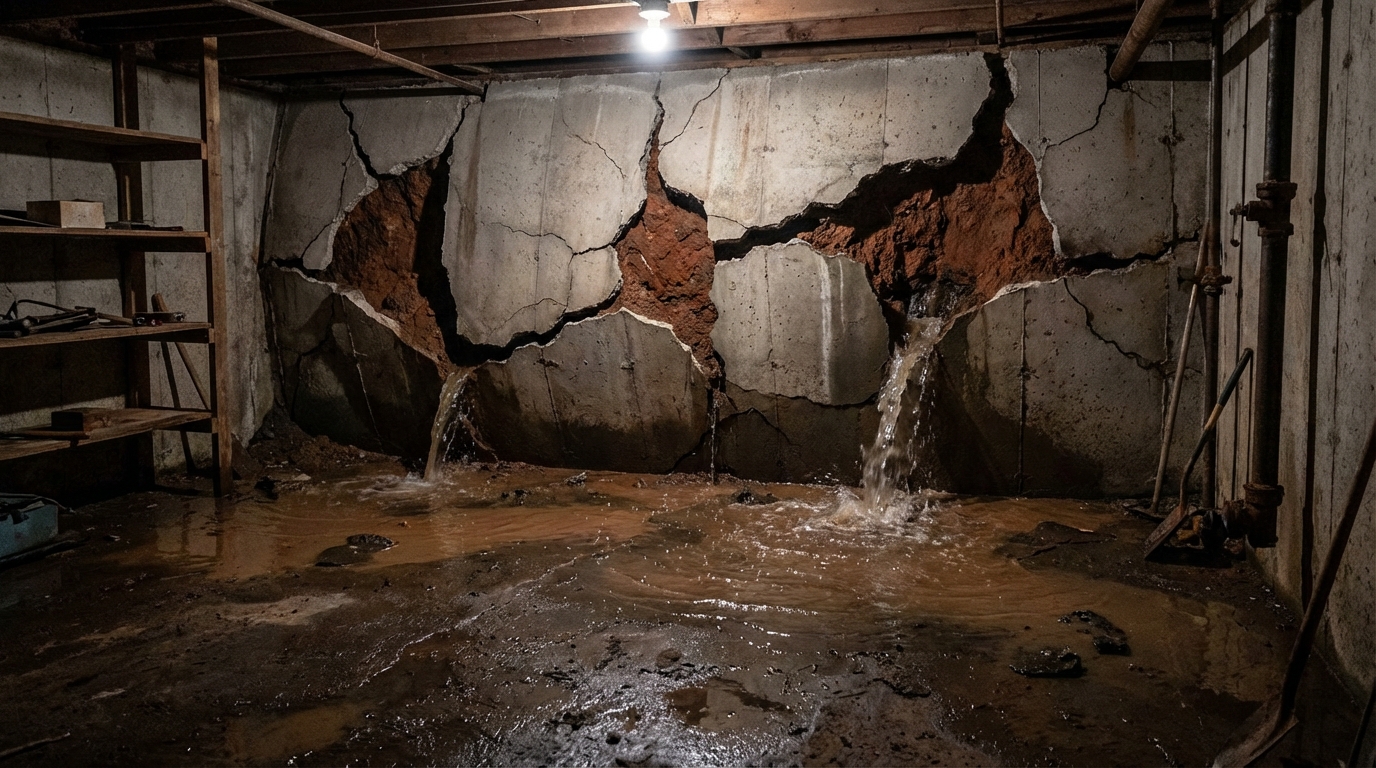
Before we dive into the nitty-gritty of repair solutions, let’s take a moment to appreciate the honor of having a good foundation. Your home’s foundation supports the entire structure, ensuring that everything stays in place, just like the loyal friend who holds your hair back during a wild night out. A compromised foundation can lead to a slew of problems including cracking walls, uneven floors, water pooling, and even pest invasions (and no one wants guests that can’t be kicked out!).
Common Signs of Foundation Problems
Knowing when to call in the cavalry is crucial. Here are some common signs that your foundation might need some tender loving care:
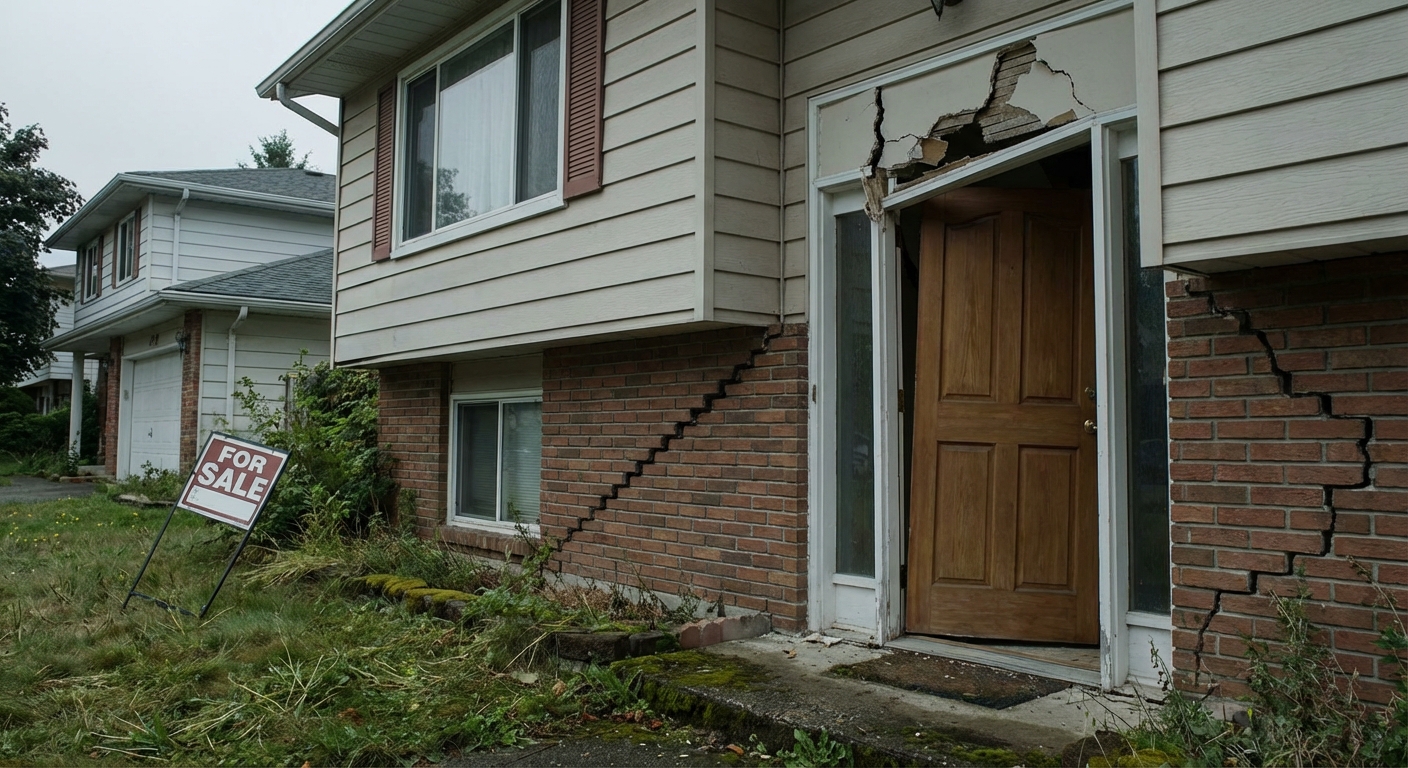
1. **Cracks in Walls and Floors**: If you start to notice vertical or horizontal cracks appearing, it’s a good idea to investigate further. Small cracks may not be a cause for concern, but large ones could indicate a problem.
2. **Doors and Windows Misbehaving**: Are they sticking or not aligning properly? This could suggest your home is settling unevenly, which may point to foundation issues.
3. **Uneven Floors**: If you feel like you’re living on a rollercoaster ride instead of in a stable home, that’s a red flag.
4. **Bowing Walls**: When walls start to bow inward, it’s like they’re trying to hug each other—too tight! This is usually a sign of pressure from surrounding soil.
5. **Water Pooling Around Your Foundation**: Any water that hangs around your home’s foundation like a bad guest can cause erosion and damage.
If you notice any of these symptoms, it’s time to roll up your sleeves and start assessing your foundation repair options!
Evaluating Your Foundation Repair Needs
Once you’ve identified that something might be off with your foundation, the next step is to evaluate how serious the issue is. Here are some considerations:
1. **Severity of Damage**: Take a closer look at the cracks and shifts. Are they minor cosmetic issues, or do they hint at more significant problems?
2. **Location of Damage**: Is the damage localized to one area, or is it widespread? Remember, uneven settling is often a sign that something needs addressing.
3. **Soil Type**: The type of soil your home is built on can affect its foundation. Expansive clay soils, for example, can expand and contract, causing movement.
4. **Local Climate**: Weather can play a significant role in foundation stability. Regions with heavy rain or prolonged drought can exacerbate foundation issues.
Consulting a Professional
You might be tempted to channel your inner DIY enthusiast, but when it comes to foundation repair, the stakes are high. Consulting a professional engineer or a certified foundation specialist is often the wisest choice. They have the experience and tools necessary to provide an accurate diagnosis and recommend appropriate solutions. Plus, they will save you from potential mishaps—like turning your home into a modern art installation unintentionally.
Types of Foundation Repair Solutions
Now that you’ve consulted the experts and have a clearer picture of your foundation troubles, it’s time to consider the solutions available. Each option has its own merits and is suitable for different situations:
1. **Piering/Underpinning Solutions**: This involves installing piers beneath the foundation to stabilize it. It’s like propping up a sagging bookshelf—just with a lot more elbow grease and machinery involved.
– **Steel Piers**: These involve driving steel pipes deep into the ground until they reach bedrock. They provide a stable base for the foundation.
– **Concrete Piers**: Similar to steel piers, concrete piers offer strength and stability, though installation can be different based on soil conditions.
2. **Slab Jacking**: If your foundation is made of a concrete slab, slab jacking may be an option. This involves injecting a material under the slab to lift it back into place. Think of it as giving your foundation a bit of a boost, like lifting weights in the gym—only, it’s your house getting ripped.
3. **Wall Anchors**: For bowing walls, wall anchors can help to stabilize them. The anchors attach to the wall and extend horizontally into the yard, anchoring the wall in place. It’s a method that gives your foundation walls a reassuring hug.
4. **Moisture Control Solutions**: Sometimes, the solution isn’t about fixing the foundation itself but managing the water around it. Installing proper drainage systems, sump pumps, or downspout extensions can help keep moisture away from your foundation, preventing future issues.
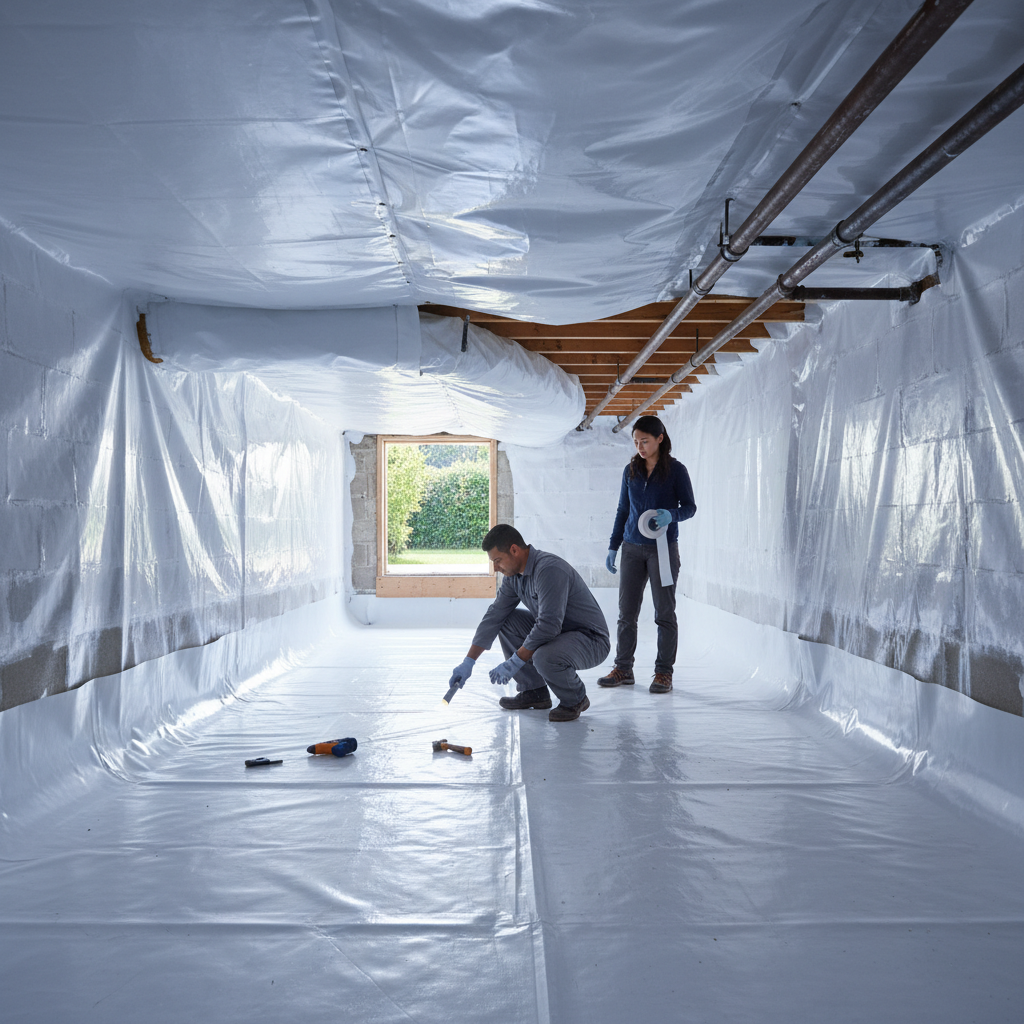
5. **Crawl Space Encapsulation**: For homes with crawl spaces, encapsulation can help control humidity and moisture, reducing risks of mold and rot. It’s like wrapping your home in a protective blanket.
6. **Foundation Coatings**: An exterior sealant can be applied to protect against water penetration. It’s the foundation’s way of putting on sunscreen before heading out into the harsh sun–protection is key.
Choosing the Right Solution for Your Home
With multiple options available, selecting the right foundation repair solution can feel overwhelming—like picking a movie on a Friday night! Here are some tips to help you narrow it down:
1. **Consult Multiple Experts**: Get opinions from different foundation specialists. This will give you a variety of perspectives and estimates.
2. **Assess Cost vs. Value**: While some solutions might appear cheaper upfront, consider the long-term value. You don’t want to end up paying for a band-aid fix every couple of years.
3. **Understand Warranty Options**: Check what warranties or guarantees are offered for the repair work. A solid warranty means the company stands behind their work.
4. **Check Company Reviews**: Look for testimonials or reviews from previous customers. A company with a track record of happy clients is usually a good bet.
By taking these factors into account, you’ll be able to make an informed decision about which foundation repair solution suits your needs best.
Final Thoughts
Foundation repair might not be the most exciting topic, but it’s certainly one of the most important. The integrity of your home depends on it! Addressing issues promptly and choosing the right repair solution can save you from monumental headaches down the road. Whether it’s consulting with experts, evaluating your options, or finding the best solution for your unique situation, you’re now equipped with the knowledge you need to tackle foundation issues head-on.
Remember, a well-maintained foundation is the basis for a happy, healthy home, and like any good investment, it should be well cared for. Now, go forth—may your home stand strong, straight, and free of cracks for many years to come!