
Essential Guide to Choosing the Right Foundation Repair Solutions for Your Home
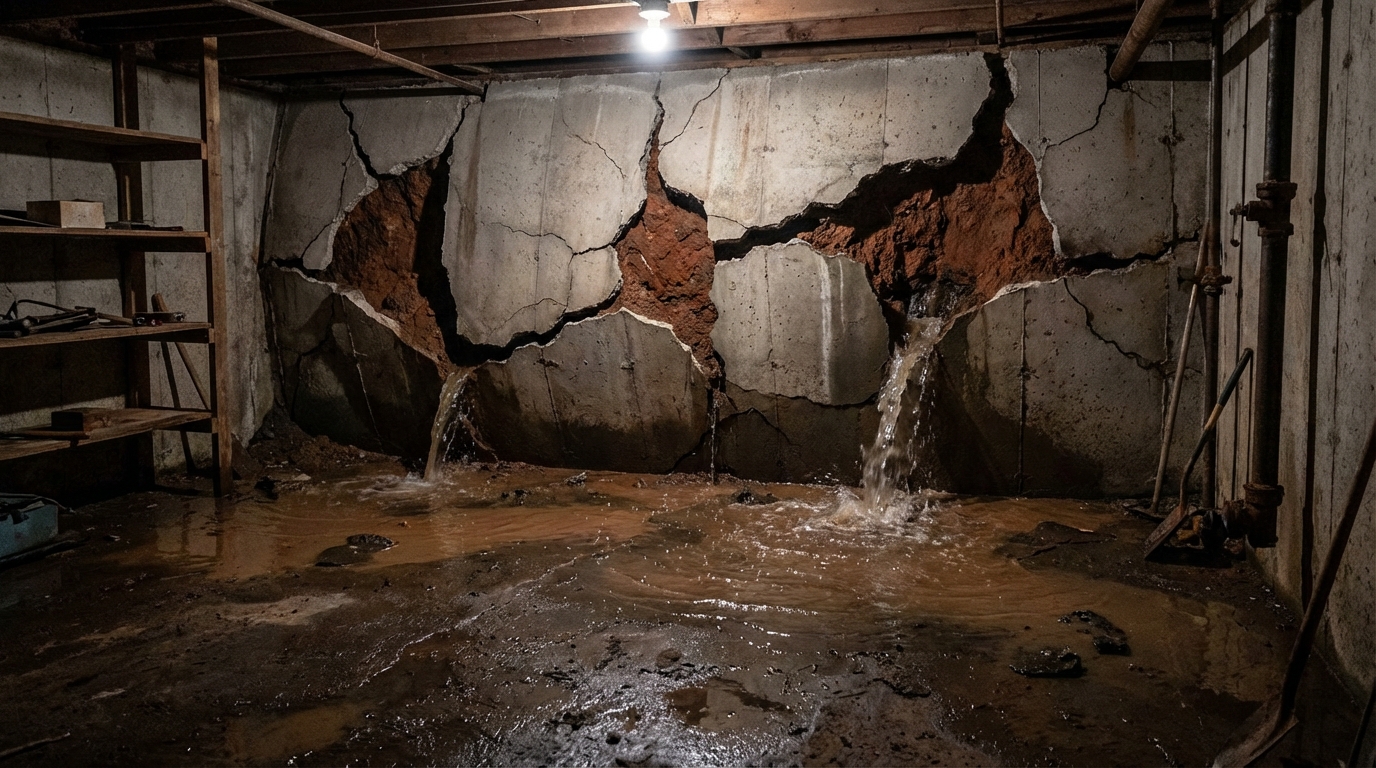
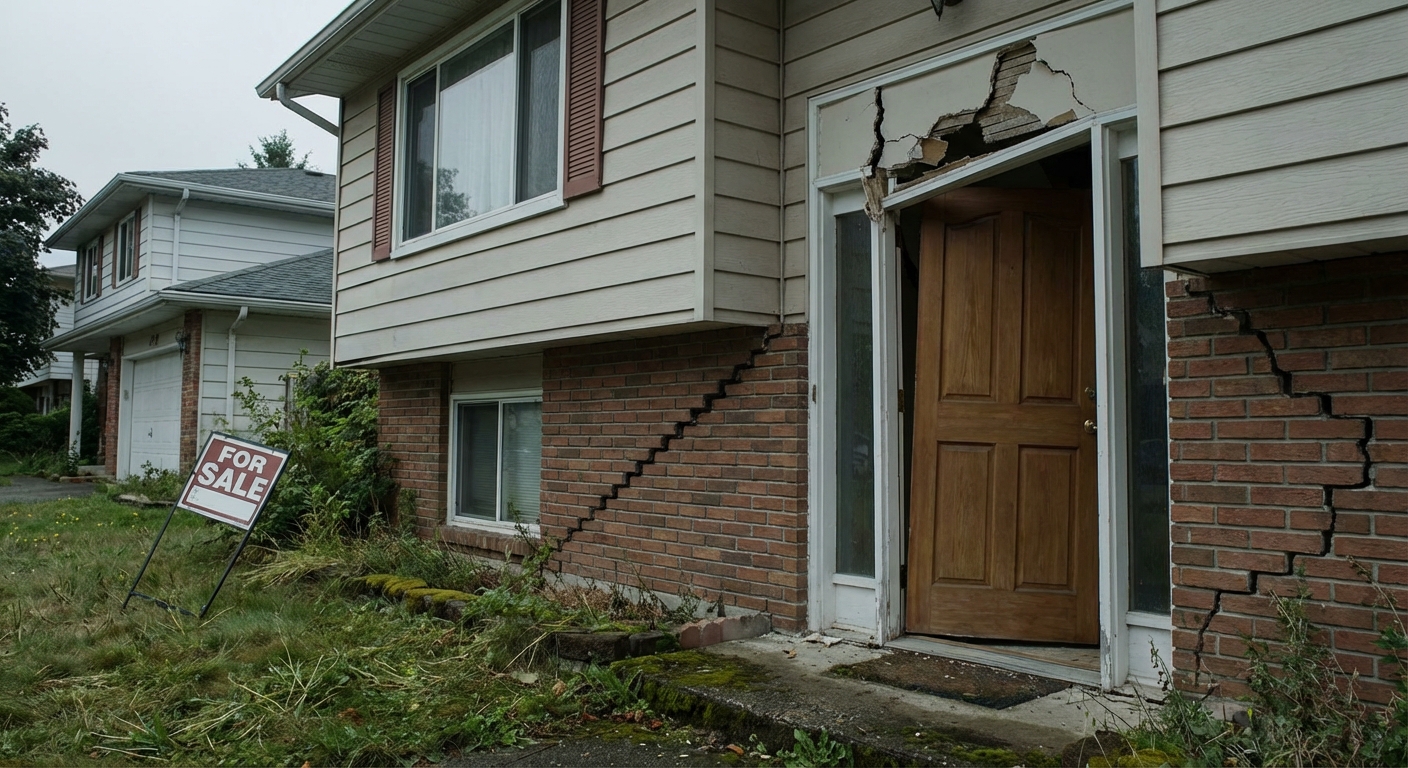
When it comes to maintaining your beloved abode, the foundation is not just a play on words—it’s quite literally the base of your home. A strong foundation supports everything else in your house, from your snuggly living room to that magical space you call the kitchen. If you’ve started to notice cracks in your walls, doors that stick like they’re auditioning for a role in a soap opera, or a basement that resembles a small swimming pool after rain, it might be time to consider foundation repair solutions. In this essential guide, we’ll dive into everything you need to know about selecting the best foundation repair options for your home, sprinkled with a bit of lightheartedness to keep things lively!
Understanding Your Foundation Issues
Before you can choose the right foundation repair solution, it’s vital to understand the nature of your foundation problems. Here are some common signs that may indicate a foundation issue:
1. **Cracks**: Vertical cracks in the walls can be typical as homes settle, but horizontal cracks usually signal trouble. If you see cracks that resemble a spider web, it’s time to investigate further.
2. **Uneven Floors**: If your floor plan has turned into a terrain map, with some areas feeling more like a roller coaster ride than a flat surface, you might have a foundation issue.
3. **Doors and Windows**: Sticky doors and windows that refuse to open could indicate that your foundation is shifting.
4. **Basement Water Stains**: A small indoor swimming pool in your basement is not exactly the feature most homeowners dream of. Look for signs of water damage or stains, which often stem from foundation problems.
5. **Separation of Walls**: If you notice gaps between your walls and ceilings or siding pulling away from the home, your foundation could be to blame.
If you experience any of these symptoms, don’t panic! Well, maybe just a little. The first step is identifying what type of foundation problem you’re facing.
Types of Foundation Problems
Understanding the different types of foundation issues can help in choosing the right repair strategy:
– **Settling**: This is a common problem where your house slowly sinks into the ground due to soil erosion or inadequate support. Think of it like your home wanting to snuggle into Mother Earth.
– **Heaving**: This occurs when the soil beneath your foundation expands, usually due to moisture changes. It’s as if your house decided to stand on tiptoes—definitely not the desired stance.
– **Bowing Walls**: Often seen in basements, this happens when hydrostatic pressure pushes against walls. It’s akin to those awkward moments when too many friends pile on one side of a couch—you get an impressive lean.
– **Cracking**: All kinds of cracks can show up, some benign and some malignant. Keep an eye out for wide cracks or those that seem to widen over time.
Once you’ve diagnosed your foundation issues, it’s time to explore some repair methods.
Foundation Repair Solutions
When it comes to foundation repair, there isn’t a one-size-fits-all solution. Each problem may require a unique approach. Below are some popular foundation repair solutions:
1. **Piering**: This method involves installing piers to stabilize the foundation. Think of it as giving your home sturdy shoes to prevent it from sinking into the earth. There are a few different types of piers:
– **Helical Piers**: These are screw-like piers driven deep into stable soil. They work wonders for settling foundations.
– **Push Piers**: These involve hydraulically pushing steel piers through the foundation until they reach stable soil below.
2. **Slabjacking**: If your concrete slab is sinking, slabjacking might be the solution. It involves injecting a grout mixture under the slab to lift it back into place. It’s like giving your foundation a boost of energy—who wouldn’t want that?
3. **Wall Anchors**: If you have bowing walls, wall anchors can provide the support they need to return to their rightful position. These involve anchoring the wall to stable soil outside your foundation, providing support as if your walls were getting a big hug.
4. **Drainage Solutions**: Sometimes the root of your foundation problem lies in poor drainage. Installing drainage systems or improving landscaping can direct water away from your foundation, preventing further issues. Think of it as giving your home a well-deserved raincoat.
5. **Foundation Coating**: If water intrusion is causing your issues, applying a waterproof coating to your foundation walls can also be effective. It’s like putting on a rain jacket for your foundation—keeping it dry and happy.
Choosing the Right Contractor
Now that you’re familiar with potential repair solutions, the next step is choosing the right contractor. It’s crucial to select someone who will treat your home with care and precision. Here’s how to find that gem:
1. **Research**: Start by researching local contractors who specialize in foundation repair. Read online reviews and check their website for testimonials. If they have a flair for the dramatic in their service descriptions, that’s a good sign—they probably take pride in their work!
2. **Check Credentials**: Ensure the contractor is licensed, insured, and has experience with the specific type of foundation issues you’re facing. You wouldn’t want a plumber trying to fix your car, right?
3. **Get Multiple Quotes**: Don’t settle for the first estimate you receive. Get multiple quotes and ask detailed questions about the work involved. Compare not just price, but also the depth of services offered—after all, you want more than just a quick fix.
4. **Ask About Warranty**: A reputable foundation contractor will offer warranties on their work. Don’t be shy to inquire—after all, a warranty is like a safety net for your investment.
5. **Trust Your Instincts**: Finally, listen to your gut. If something feels off during your consultations, don’t be afraid to keep looking. You want to feel confident in your contractor’s ability to repair your home.
Maintaining Your Foundation After Repair
Once you’ve addressed your foundation issues, it’s essential to maintain the integrity of your repair. Proper maintenance will save you from facing similar problems in the future. Here are some tips:
– **Ensure Proper Drainage**: Make sure that gutters, downspouts, and drainage systems are in good working order. This will help direct rainwater away from your foundation.
– **Monitor Soil Moisture Levels**: Avoid drastic changes in soil moisture. When you can, maintain consistent watering around your home. Avoid excessive watering, which can lead to heaving, as well as drought conditions that may cause settling.
– **Inspect Regularly**: Keep an eye on your foundation and surrounding areas. Regular inspections can help you catch potential issues before they escalate.
– **Maintain Landscaping**: Avoid planting large trees too close to your home, as their roots can cause damage to the foundation. Opt for shrubs or smaller plants instead.
Conclusion
Choosing the right foundation repair solution for your home doesn’t have to be a daunting task. By understanding your foundation issues, exploring the various repair methods, selecting a reliable contractor, and practicing good maintenance, you can ensure your home remains solid for years to come. Remember, a well-maintained foundation not only ensures your home stands tall but also offers peace of mind for you and your family. So go ahead, give your foundation the attention it deserves—your house will thank you (and so will your bank account)!