
Essential Guide to Choosing the Right Foundation Repair Solutions for Your Home
When it comes to home ownership, few things are as disheartening as discovering foundation issues. A crack in your home’s foundation can feel like finding out you’ve been sleepwalking and wearing mismatched socks all day—slightly alarming and definitely concerning. The foundation is, after all, the bedrock of your home’s structural integrity. So, let’s dive into the essential guide for choosing the right foundation repair solutions for your house.
### Understanding Foundation Problems
Before we roll up our sleeves and start looking for repairs, let’s take a moment to understand what might go wrong with foundations. Foundation issues can stem from various sources, including:
1. **Soil Movement**: Expansive clay soils expand when wet and shrink when dry, causing shifts that can stress your foundation.
2. **Poor Drainage**: Improper grading around your home can lead to water pooling and increasing hydrostatic pressure against your foundation.
3. **Poorly Installed Foundations**: Sometimes, foundations weren’t created equal. If yours was poorly installed, it may be more susceptible to damage.
4. **Tree Roots**: Trees can be wonderful, but their roots can cause havoc underground, exerting pressure and even breaking through foundations.
5. **Natural Settling**: All homes settle over time, but excessive settling can point to bigger issues.
Now that we’ve established what can go wrong, let’s explore how to address these issues effectively.
### Signs of Foundation Trouble
Catch a foundation problem early, and you might save yourself from a heap of trouble (and money). Here are some signs to look for:
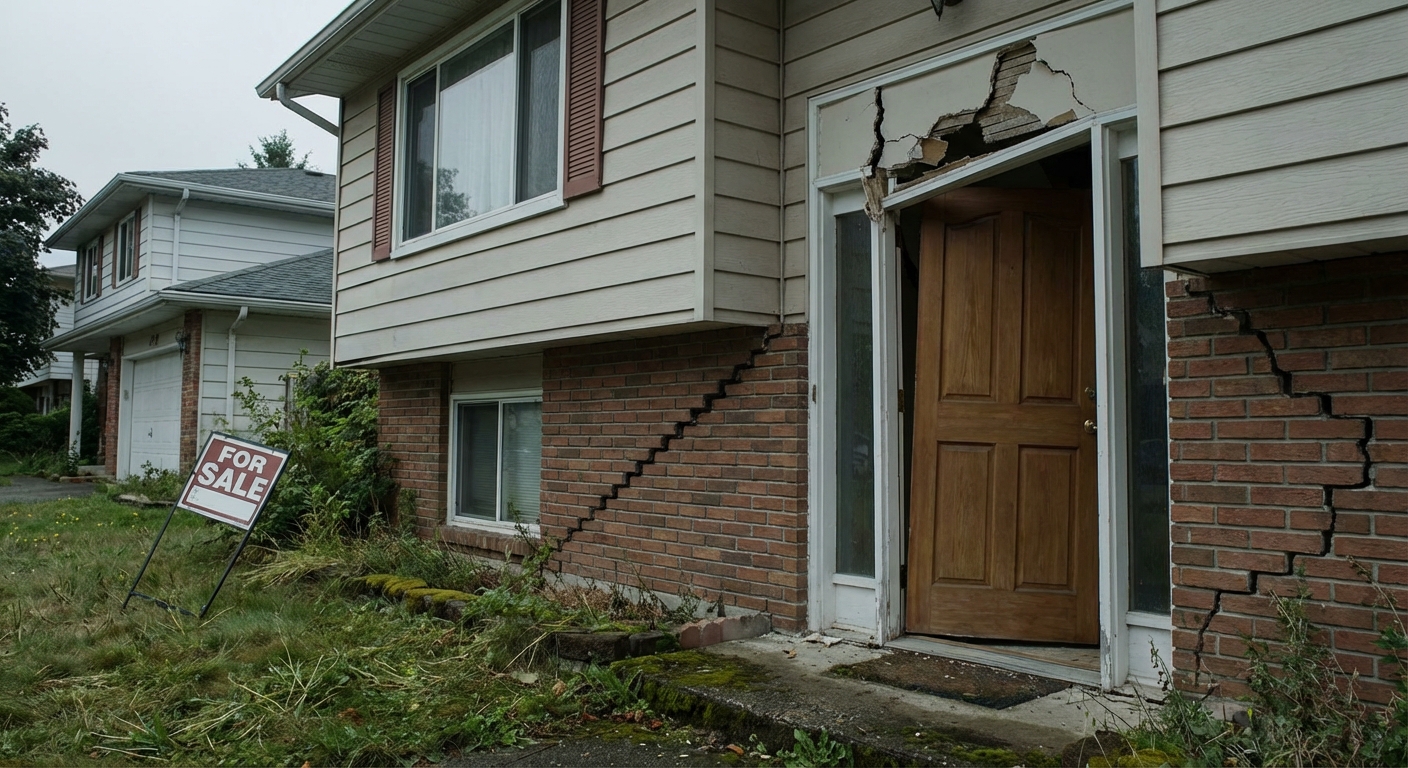
– **Cracks in Walls and Floors**: If you notice cracks over 1/4 inch in width, take note! Vertical cracks can indicate settling, while horizontal ones may signify pressure or soil movement.
– **Doors and Windows that Stick**: If your doors and windows suddenly require the strength of Thor to open or close, it could mean your foundation is shifting.
– **Uneven Flooring**: A sloping floor can be charming if it’s your kitchen table, but not when it’s your living room.
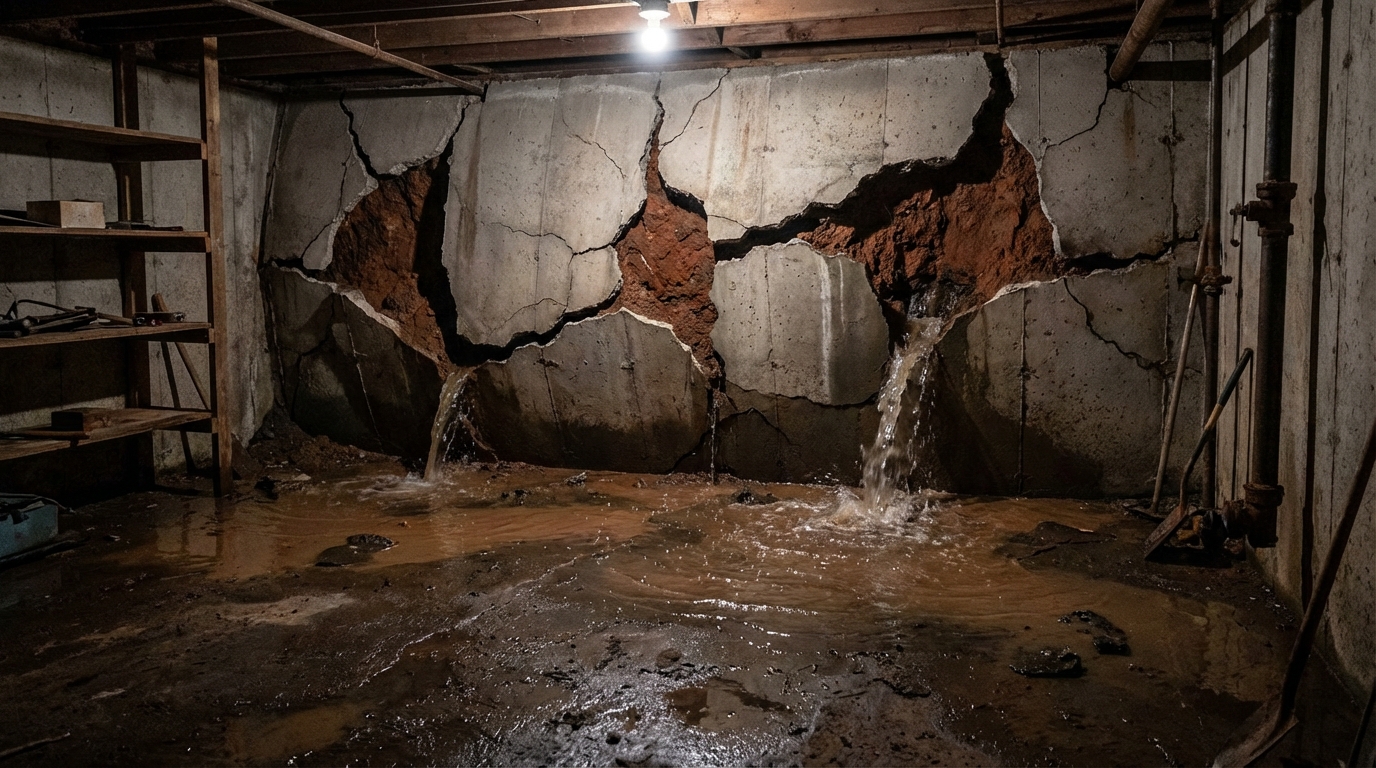
– **Basement Moisture**: Water seeping into your basement may get a pass from a few summer storms, but persistent dampness indicates deeper problems.
### Choosing the Right Repair Solution
Once you’ve confirmed you have foundation issues, the next step is determining the appropriate repair method. Here are common solutions, along with tips on how to choose wisely.
#### 1. Foundation Piers
Foundation piers are like stilts for your home. They lift and stabilize the foundation using either helical or push piers. Helical piers screw into the ground, resembling a giant corkscrew, while push piers are driven deep into stable soil.
**When to Choose Piers**: For larger homes with significant settling and severe structural damage, piers often provide the most effective solution.
**Tip**: Always ensure the contractor uses high-quality materials. The last thing you want is for your new piers to end up as a sinking ship!
#### 2. Slabjacking (Mudjacking)
Slabjacking involves pumping a mixture of cement or polyurethane under sinking concrete slabs to raise them back to their original level. Think of it as giving your foundation a little boost—like your favorite caffeine fix but with concrete.
**When to Choose Slabjacking**: This is ideal for sunken concrete slabs, particularly in garages, driveways, and patios.
**Tip**: Check if the contractor offers a warranty. A promise that your driveway won’t turn into a rollercoaster adds peace of mind.
#### 3. Waterproofing Solutions
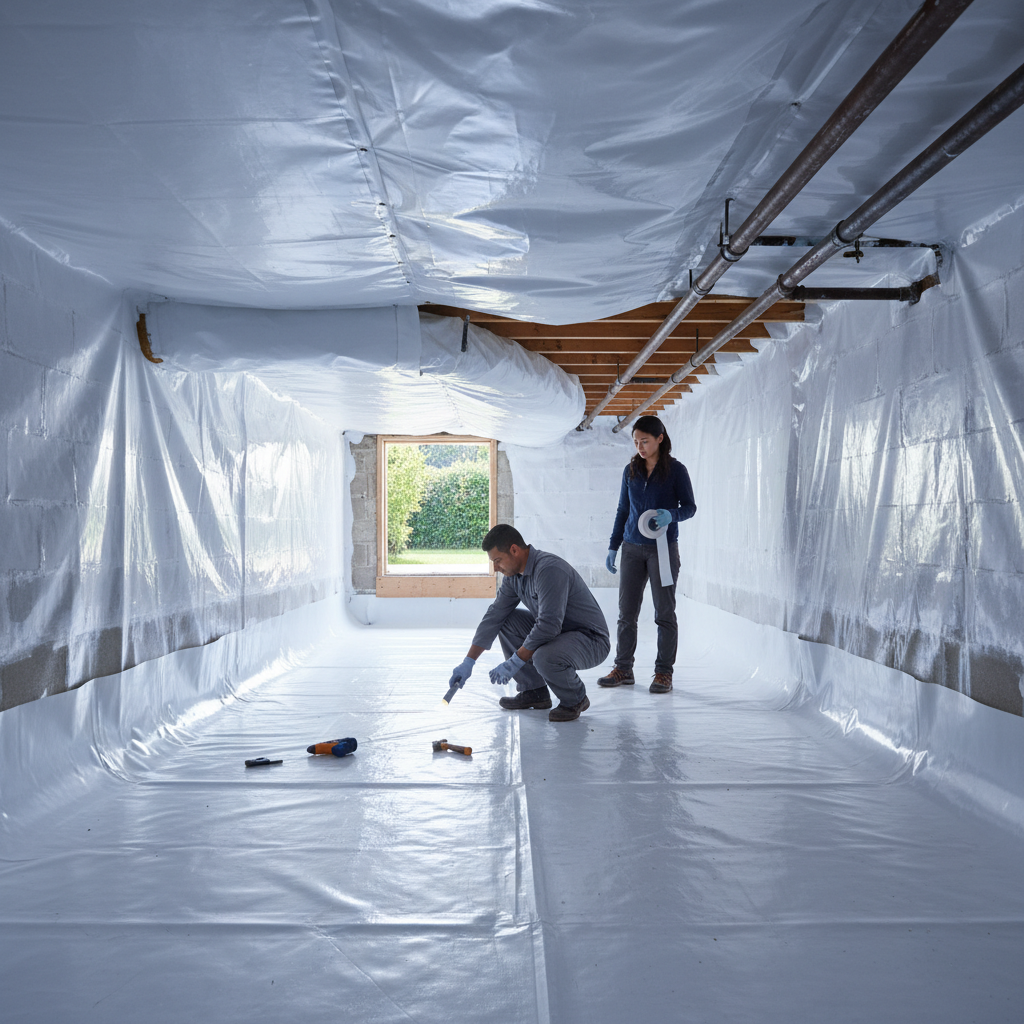
If moisture is infiltrating your basement and creating a moldy monster, waterproofing solutions are crucial. These could range from exterior drainage systems to interior sealants and sump pumps.
**When to Choose Waterproofing**: If water intrusion is a consistent issue or if you live in a region prone to heavy rainfall, waterproofing should be your top pick.
**Tip**: Consult a waterproofing specialist—not all contractors are created equal, and having one with expertise can save your home from becoming a swimming pool.
#### 4. Grading and Drainage Improvements
Improper grading can put your foundation at risk by allowing water to pool around your home. A simple grading adjustment can redirect water flow away from the foundation.
**When to Choose Grading**: If your yard resembles a mini lake after a storm, this solution may be the easiest preventive measure.
**Tip**: When correcting drainage issues, make sure your gutters are debris-free and functioning properly. After all, we must help them help us!
### DIY vs. Hiring Professionals
While some home repairs can be tackled with a YouTube video and a can-do attitude, foundation repairs are typically a job best left to professionals. Here’s why:
– **Expertise**: Professionals have technical knowledge that most homeowners lack. They’ll spot underlying issues that could be missed.
– **Safety**: Foundation work can be dangerous, especially when heavy machinery is involved. It’s wise to leave heavy lifting to the pros.
– **Long-Term Value**: A professional repair often comes with a warranty, ensuring peace of mind for years to come.
### Assessing Potential Contractors
Choosing a contractor is reminiscent of dating—looks aren’t everything, but they do matter! Here are key factors to consider when vetting potential contractors:
1. **Experience and Reputation**: Look for companies with a solid track record. Online reviews and testimonials can clue you in on their reputation.
2. **Licensing and Insurance**: Ensure your contractor is licensed to operate in your area and carries insurance. This protects you from liability if something goes awry during the project.
3. **Written Estimates**: Always ask for written estimates that detail the scope of work and costs. This transparency keeps surprises at bay.
4. **Warranty Offers**: A good contractor will stand behind their work. Inquire about warranties, as they can vary significantly from one contractor to another.
### Budgeting for Foundation Repairs
Foundation repairs can be a significant investment—think of it as putting money into a sturdy piggy bank instead of a leaky boat. Costs can vary widely based on location, severity of the problem, and chosen methods. Here are some general price ranges to keep in mind:
– **Foundation Piers**: $1,000 to $3,000 per pier or more depending on depth and type.
– **Slabjacking**: $300 to $1,000 per slab, which could add up quickly depending on the area being repaired.
– **Waterproofing**: $2,000 to $10,000 depending on the complexity of the system being installed.
– **Grading and Drainage**: $1,500 to $5,000 based on the extent of improvements needed.
### Prevention Is Key
Once you’ve tackled those pesky foundation repairs, the next step is to prevent future issues. Here are a few prevention tactics:
– **Maintain Proper Drainage**: Ensure gutters are clear and extend downspouts away from the home.
– **Monitor Landscaping**: Avoid planting trees and shrubs too close to the foundation. They may look beautiful, but maintaining a healthy distance can save headaches.
– **Regular Inspections**: Schedule periodic foundation inspections, especially if you experience changes around your property.
### Conclusion
Choosing the right foundation repair solution for your home doesn’t need to be an overwhelming task. By understanding the types of issues, recognizing the signs, and knowing your options, you can tackle foundation challenges head-on. Remember to vet contractors carefully, budget sensibly, and always prioritize prevention. With these strategies in place, you’ll ensure your home remains sturdy and secure—no mismatched socks required.
Armed with this guide, you’ll navigate the world of foundation repairs like a pro. Now, go forth and secure that foundation!