
Essential Guide to Choosing the Right Foundation Repair Solutions for Your Home
Welcome to the somewhat daunting world of foundation repair—where structural integrity meets your home’s balance sheets, and where every little crack can invoke a mini existential crisis. If you’ve noticed some unsightly fissures in your walls or an unsettling tilt in your house that makes you feel like you’re living in a funhouse, then congratulations! You might need to consider some foundation repair solutions. Fear not, dear homeowner; this guide will walk you through everything you need to know about choosing the best foundation repair options for your home.
Understanding Foundations: The Basics
Before diving into what to do about those cracks, let’s take a moment to appreciate what a foundation actually is. Your home’s foundation serves as its backbone—whether it’s made from concrete, stone, or another material, it supports the entire structure above. It keeps your mansion (or charmingly modest abode) standing tall and steady, so when it starts to show signs of distress, it’s no laughing matter.
Foundations can be categorized mainly into two types: basement foundations and slab foundations. Basement foundations are below ground and come with more space, ideal for storage or an extra livable area. Slab foundations, on the other hand, are poured directly on the ground and tend to be more common in warmer climates. Each type has its own pros and cons, which we’ll delve into shortly.
Signs Your Foundation Needs Help
Before we jump into solutions, let’s play detective for a moment. Here are key signs that your foundation may be in trouble:
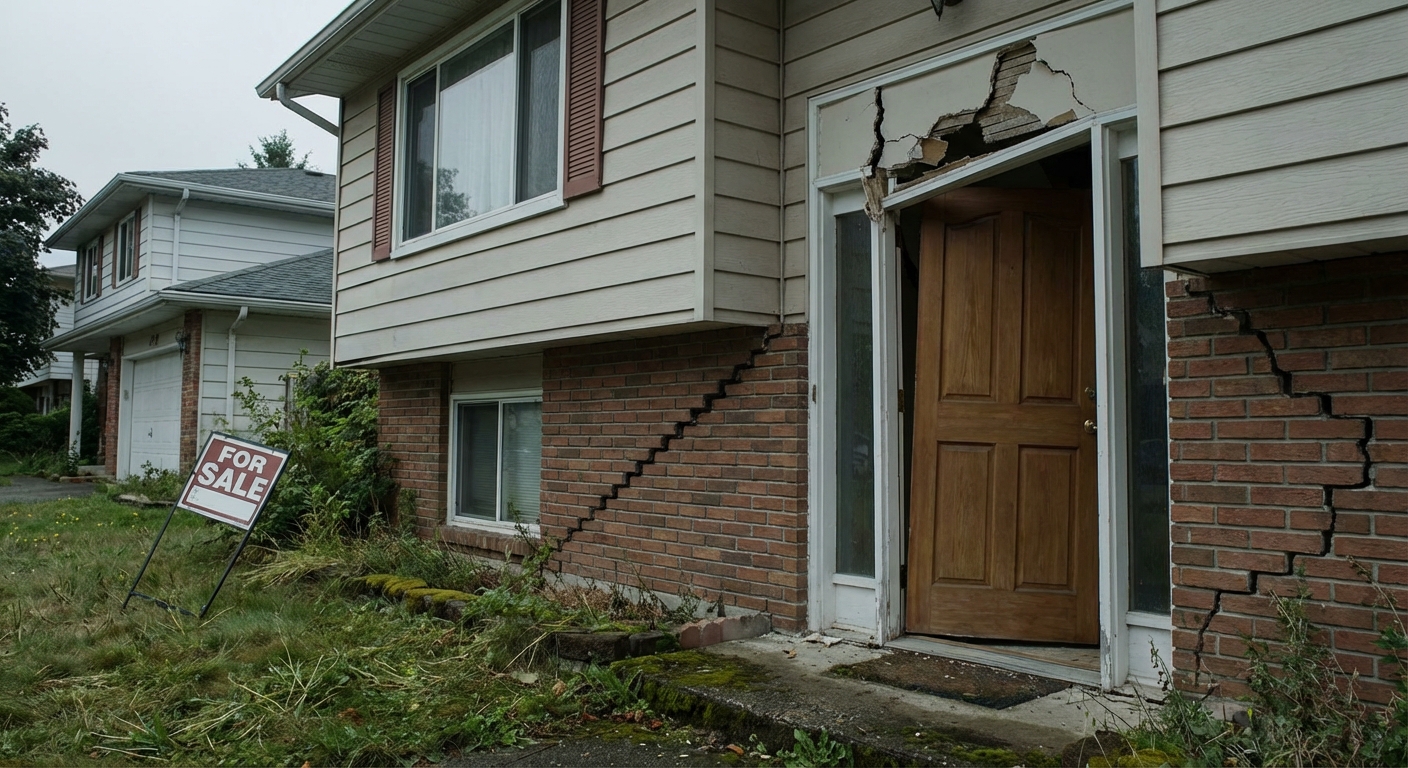
1. Cracks in Walls: Hairline cracks can be normal, but larger ones—especially if they’re wider than a quarter inch—could indicate deeper issues.
2. Uneven Floors: If you suddenly find yourself clinging to the kitchen counter like a mountain climber scaling a sheer cliff, your floors may be telling you something.
3. Doors and Windows Misbehaving: Sticking doors and windows can indicate shifting or settling of the foundation. If your front door suddenly decides it prefers to stay shut, it might be time to investigate.
4. Gaps Between Walls and Ceilings: Look up! If you see gaps forming where walls meet the ceiling, your foundation could be having a rough day.
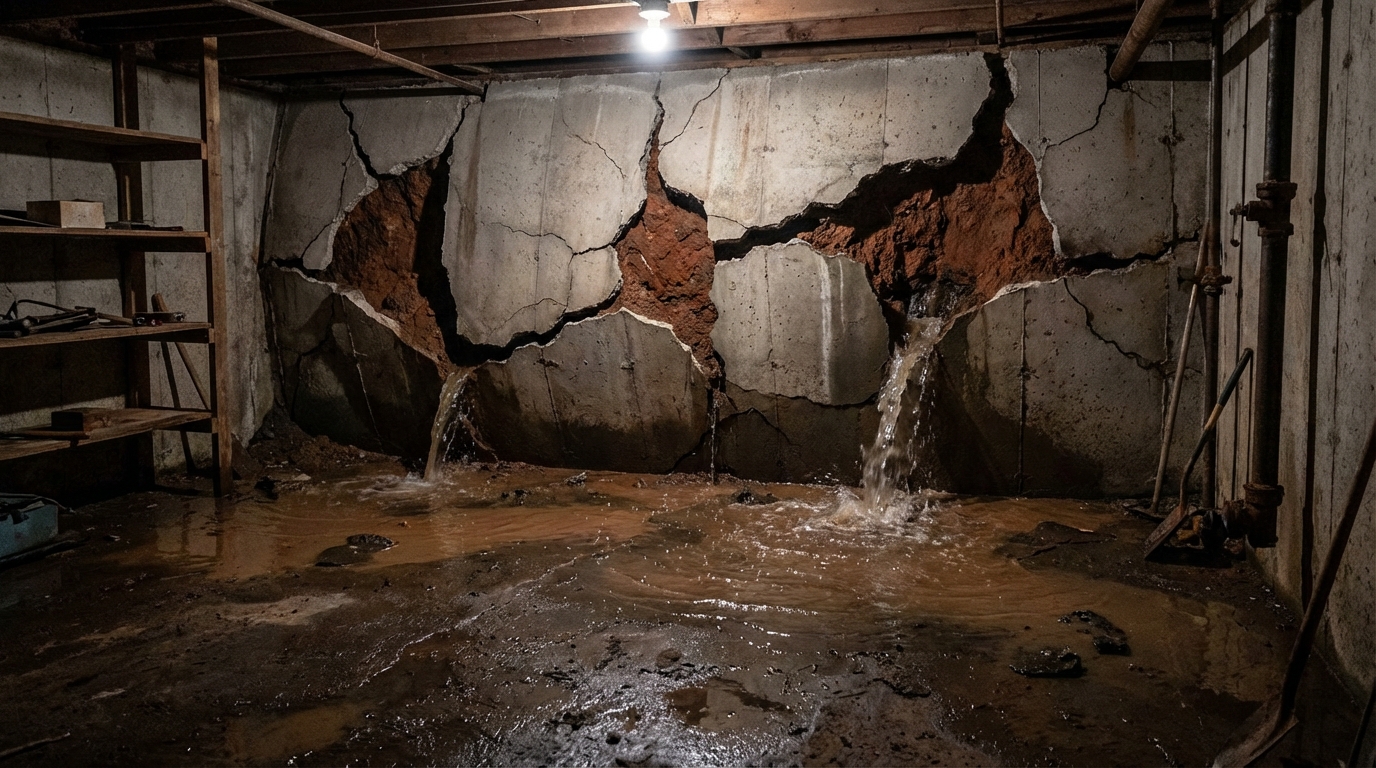
5. Water Intrusion: If water is finding its way into your basement or crawl space, it’s another indicator that something may be off-kilter.
Assessing the Damage
Now that you’ve put on your detective hat and identified the signs of potential foundation problems, it’s time for a closer look. Grab a level, a measuring tape, or even those ever-faithful phones with app capabilities to check for slope and cracks. Document while you’re at it—pictures are worth a thousand words and could come in handy later!
If the situation seems dire (or if you’d prefer not to turn your assessment into a DIY reality show), consider calling in a professional foundation inspector. They’ll know the ins and outs of foundation issues better than your neighbor who swears by his weekend masonry projects.
Choosing the Right Repair Method
Once you’ve assessed the damage, it’s time to consider repair methods. Depending on the severity of the situation, here are several approaches that professionals might recommend:
1. **Crack Injection**: For small cracks, epoxy or polyurethane foam injections can provide a quick fix. This method is usually less invasive and can often be done relatively quickly, though it’s for the over-achieving cracks who just need a little boost.
2. **Piering**: When dealing with extensive settlement, piers are often installed under the foundation to stabilize and lift it back to its original position. This can be done using steel piers or helical piers, based on soil conditions. Think of it as giving your foundation a lift—literally!
3. **Slab Jacking**: If you have a slab foundation, you might benefit from slab jacking, where a mixture is injected beneath the slab to raise it back into place. It’s like giving your foundation a bit of a booster shot.
4. **Drainage Solutions**: Sometimes the root of the problem is poor drainage, leading to water accumulation around the foundation. Installing drains, French drains, or ensuring water flows away from your home can be the preventative measure you didn’t know you needed.
5. **Wall Anchors**: If you notice bowing walls in your basement, wall anchors can be installed to re-establish the walls’ positions. A little support goes a long way!
6. **Excavation and Re-grading**: In severe cases, excavating around your foundation and grading the land to ensure proper water runoff might be necessary. Remember: water and foundations are like oil and water—they don’t mix well.
Selecting a Professional
So you’re sold on getting professional help—how do you choose the right contractor? Here’s how to put on your best Sherlock Holmes cap again:
1. **Credentials**: Look for licensed and insured contractors who specialize in foundation repairs. They should have a solid track record of experience in your specific type of foundation.
2. **Reviews and Recommendations**: Online reviews are a treasure trove of information. Check sites like Google, Yelp, or Angie’s List for feedback on potential contractors. Friends, family, or neighbors who have had similar work done can also be invaluable sources of recommendations.
3. **Get Multiple Quotes**: Don’t settle for the first contractor you meet. Get at least three quotes to compare prices and services. Like a fine wine, it pays to sample a bit before making a commitment.
4. **Warranty and Service Agreements**: A reputable contractor should offer a warranty for their work. This shows confidence in their skill, as well as offering peace of mind for you should further issues arise.
5. **Clear Communication**: Pay attention to how clearly the contractor explains potential solutions and processes. If they seem vague or evasive, it might be a red flag.
Preventing Future Problems
Once your foundation is repaired and you’ve regained any semblance of “normalcy,” it’s important to ensure that it stays that way. Here are a few tips for keeping your foundation happy:
1. **Regular Inspections**: Keep an eye out for new cracks or shifts. Early detection is key to avoiding future disasters.
2. **Proper Drainage Maintenance**: Regularly clean gutters and downspouts, ensuring that water is redirected away from your foundation.
3. **Control Landscaping**: Make sure that flower beds and landscaping slopes away from your foundation. Also, avoid planting trees too close, as roots can wreak havoc on even the sturdiest foundations.
4. **Monitor Moisture Levels**: Use a moisture meter to help monitor humidity levels in your basement or crawl spaces. This will help prevent mold and foundation shifts due to moisture.
In Conclusion
Choosing the right foundation repair solution may seem like an overwhelming task, but armed with knowledge and a good sense of humor (not that you’ll need it in dire times), you can navigate this process with relative ease. Remember, it’s not just about fixing cracks; it’s about preserving the haven you call home. So take that first step, whether it’s assessing the damage or calling in the experts, and rest easy knowing you’re on the path toward a solid foundation. And while we can’t promise your house will never settle again, we can assure you that the right repair solution will keep your home standing proud for years to come!