
Essential Guide to Effective Basement Waterproofing Techniques for Homeowners
When it comes to home maintenance, basement waterproofing often takes a backseat to more glamorous tasks like painting the living room or installing that fancy new kitchen backsplash. However, ignoring the damp, dark belly of your house can lead to more than just a few drips – we’re talking about mold, mildew, and a serious decline in property value. So grab your favorite coffee (or tea for the non-caffeinated among us), and let’s dive into the essential guide to effective basement waterproofing techniques for homeowners.
Understanding the Importance of Basement Waterproofing
Before we start talking turkey about how to keep your basement dry, let’s address why this is such a big deal. A properly waterproofed basement not only protects your home from water damage but also enhances air quality, boosts energy efficiency, and can even provide additional usable space. Think of your basement as the unsung hero of your home – it deserves some love too!
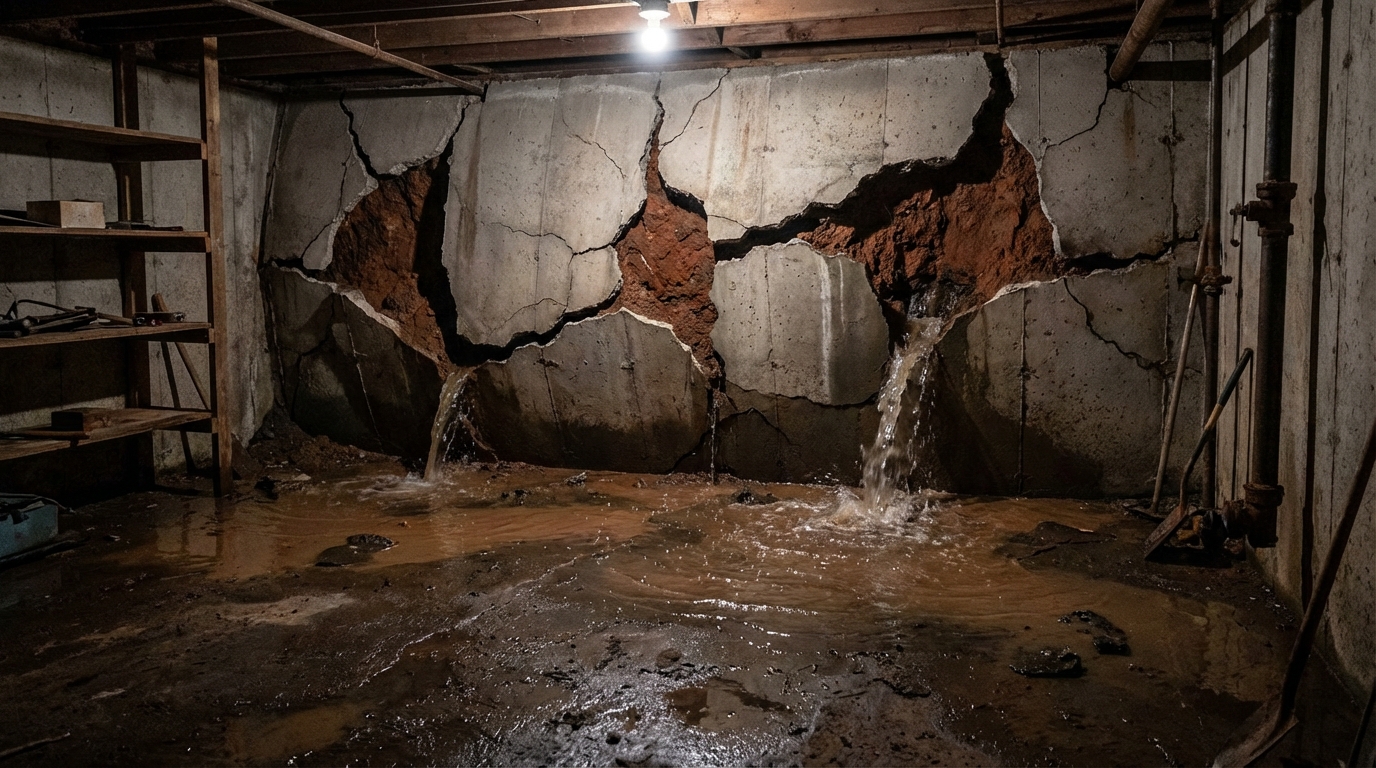
A damp basement isn’t just a little inconvenience; it can create an environment ripe for mold growth and structural issues, turning your dream home into a nightmare faster than you can say “waterlogged.”
Common Causes of Basement Water Problems
Before we delve into solutions, it’s crucial to identify the culprits behind your basement’s moisture woes. Here are some common causes:
1. **Poor Drainage Systems**: If your yard doesn’t slope away from your foundation, water can pool around your home, eagerly seeking any cracks or holes to sneak in.
2. **Foundation Cracks**: Over time, concrete can crack due to settling or temperature fluctuations. These cracks are like welcome mats for moisture.
3. **High Water Table**: In areas where groundwater levels are high, your basement might be more susceptible to flooding after heavy rains.
4. **Leaking Pipes**: Sometimes, the enemy is lurking indoors. Pipes can spring leaks or burst, creating a mini swimming pool in your basement.
5. **Condensation**: In humid climates, humidity can condense on cold surfaces, leading to moisture problems even without obvious leaks.
Now that we’ve laid out the troublemakers, let’s get down to business with effective waterproofing techniques.
Exterior Waterproofing Techniques
1. **Grading Your Yard**: The first step in diverting water away from your foundation is ensuring proper grading. Ideally, the ground should slope away from your home at a rate of 6 inches for every 10 feet. This simple landscaping technique can prevent a deluge of water from making its way into your basement.
2. **Install Gutters and Downspouts**: Ensure your gutters are clean and functional to channel rainwater away from your roof. Downspouts should extend at least 5-10 feet away from the foundation. Adding extensions can be your best friend here. Think of them as the bouncers keeping unwanted water out.
3. **French Drains**: If water still finds its way to your basement, consider installing a French drain system. This involves digging a trench around your home’s perimeter, filling it with gravel, and placing perforated pipes to collect and redirect water away from the foundation.
4. **Sealing Foundation Cracks**: Inspect your foundation regularly for cracks and use hydraulic cement or epoxy to seal them. It’s like giving your foundation a nice, protective band-aid against water intrusion.
5. **Waterproofing Membrane**: For a more advanced approach, apply a waterproofing membrane to your exterior walls. This involves excavating around your foundation, applying a specialized coating, and then adding a drainage board. It’s a bit of work, but trust us, it’s worth the effort for that peace of mind.
Interior Waterproofing Techniques
1. **Sump Pumps**: If your basement is prone to flooding, a sump pump might be your best ally. Sump pumps work by pumping out excess water that accumulates in a sump basin. Install one as a backup to your exterior waterproofing efforts.
2. **Dehumidifiers**: To manage humidity levels, especially in consistently damp areas, invest in a good-quality dehumidifier. This appliance can significantly reduce humidity, helping to prevent condensation and mold growth.
3. **Interior Drainage Systems**: Consider installing an interior drainage system, like a perimeter drain. This captures water that seeps in and directs it to a sump pump for removal. It’s like having an internal security system for your basement.
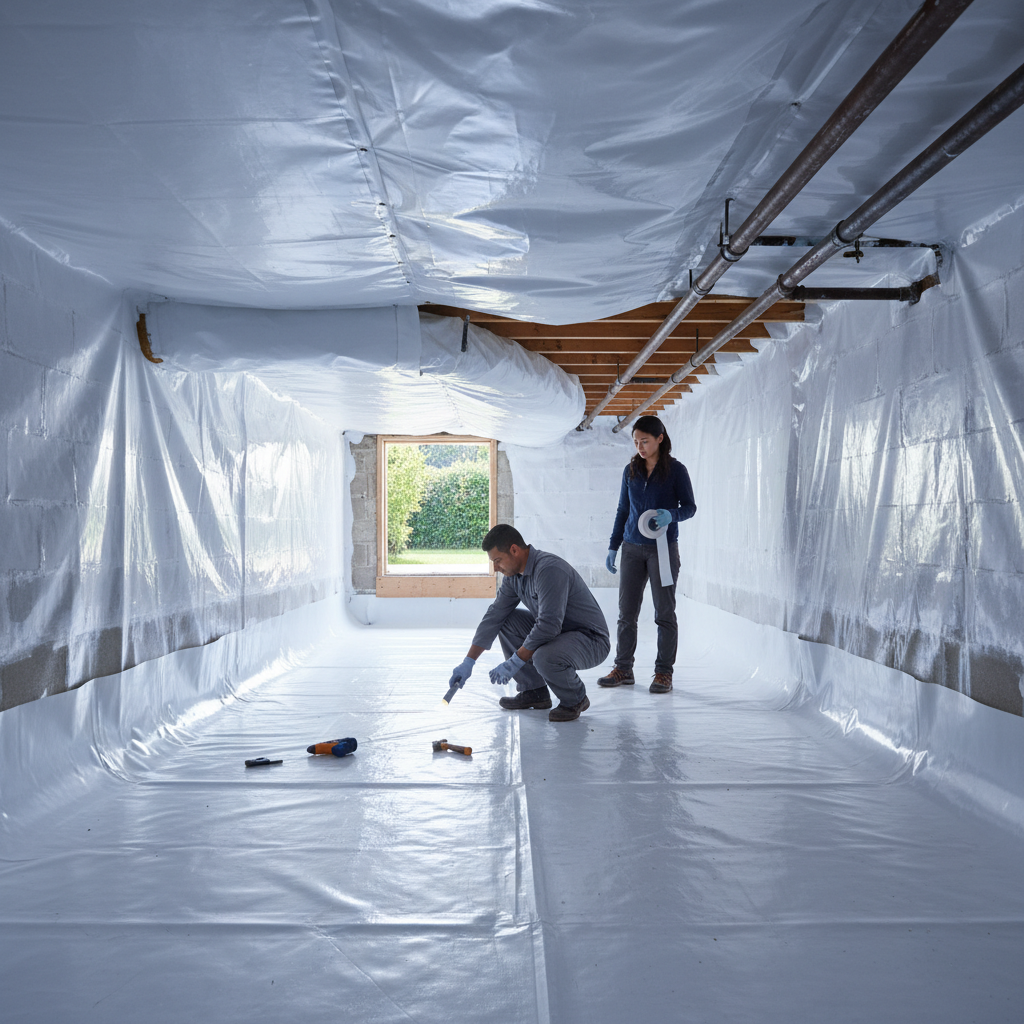
4. **Waterproof Paints and Sealants**: Applying waterproof paint or sealant on basement walls can provide an additional layer of protection against moisture. While these products won’t solve severe water problems, they can help with minor seepage.
5. **Insulation**: Insulate your walls to prevent condensation. Closed-cell spray foam insulation acts as both insulation and a moisture barrier, keeping things cozy and dry.
Maintenance Tips to Keep Your Basement Dry
Implementing these waterproofing measures is only half the battle. Regular maintenance is crucial to ensure everything remains effective. Here are some tips:
1. **Regular Gutter Cleaning**: Maintain clean gutters to prevent overflow. This will keep the water flowing where it should – away from your foundation.
2. **Inspect Your Foundation**: Every few months, perform a visual inspection of your foundation walls. Look for new cracks or signs of moisture. Catching issues early can save you a lot of headaches later.
3. **Monitor the Humidity Levels**: Invest in a hygrometer to keep tabs on indoor humidity. Ideally, you want to aim for levels between 30-50%. Adjust your dehumidifier settings accordingly.
4. **Repair Leaks Promptly**: If you notice plumbing leaks, address them immediately. Putting off repairs can lead to bigger issues down the line.
5. **Test Your Sump Pump**: Regularly check your sump pump by pouring water into the pit. Make sure it kicks on and pumps water efficiently. After all, it would be unfortunate if it took a vacation during a storm.
Knowing When to Call in the Professionals
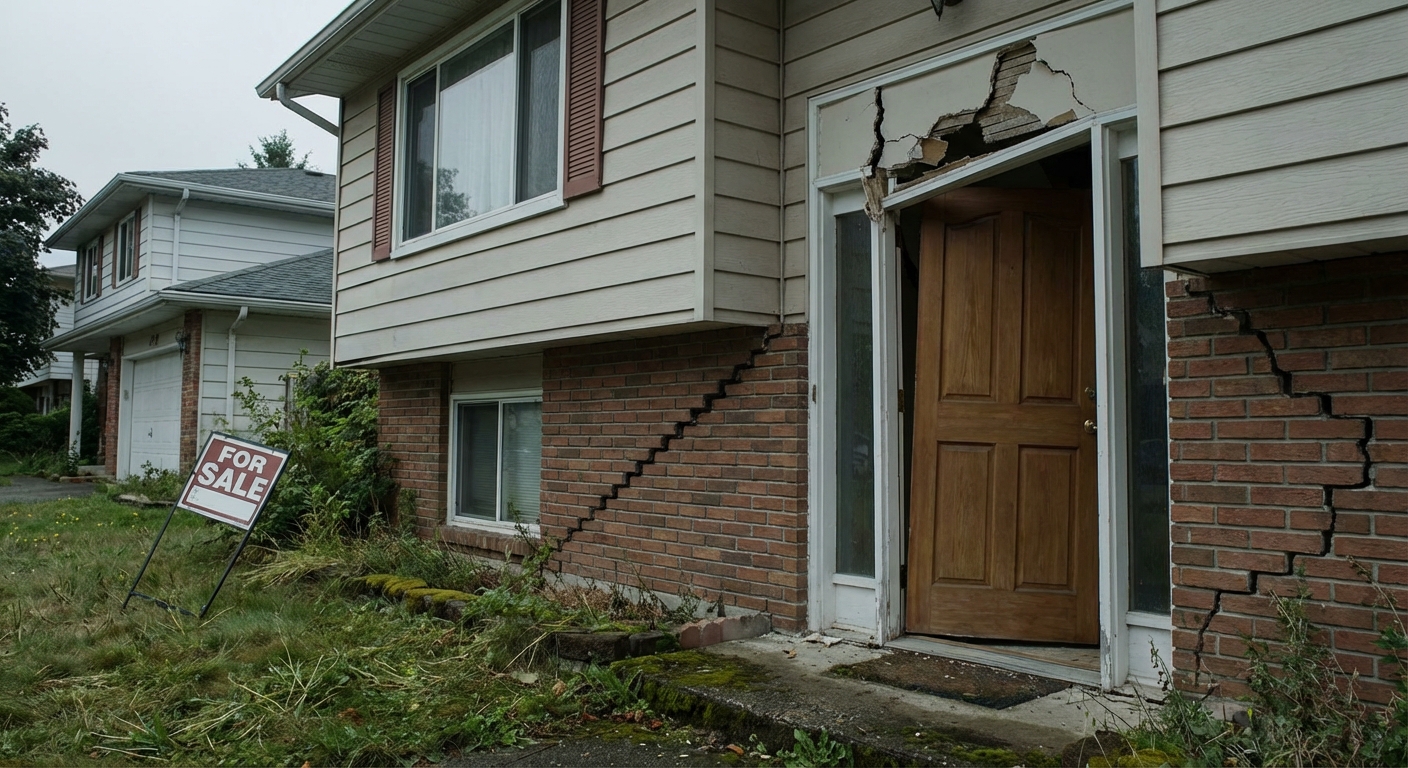
While DIY can be a rewarding experience, there are times when calling in professionals is the smart move. If your basement has persistent water issues even after your best efforts, or if structural damage is evident, it’s time to consult experts in basement waterproofing or a qualified contractor. They have the knowledge and tools to tackle more significant problems that might be beyond a homeowner’s skill set.
Conclusion
Basement waterproofing may not be the first thing that comes to mind when thinking of home improvement, but it’s certainly one of the most essential. By understanding the causes of moisture and implementing effective techniques, you’ll not only protect your home but also increase its value and livability. Remember, with proper care and maintenance, your basement can become a dry, inviting space rather than a dank dungeon. Now, who knows? You might even decide it’s time to set up that cozy movie theater you’ve always dreamed of down there! Happy waterproofing!