
Essential Guide to Foundation Repair: Ensuring a Solid Base for Your Home
When it comes to home maintenance, there’s one area that often gets overlooked until it’s too late: the foundation. Just like you wouldn’t build a house of cards on a shaky table, you shouldn’t expect your home to stand tall if its foundation is crumbling. A solid foundation is what keeps your house from listing to one side like a drunken sailor. In this essential guide, we will explore everything you need to know about foundation repair—because a sturdier home equals a happier you.
Understanding Your Foundation
Before we dive into the nitty-gritty of repairs, let’s take a moment to understand what a foundation actually is. The foundation is the original ground zero of your home. It’s the structure that supports the weight of your home and keeps it level. Foundations come in various types: slab, crawl space, and basement, each with its own unique characteristics and potential issues.
1. **Types of Foundations**
– **Slab Foundations**: These are made of concrete and rest directly on the ground. They’re popular in warmer climates but can be prone to cracking when the soil beneath shifts.
– **Crawl Space Foundations**: If you want to see some extra space under your house (and possibly some dust bunnies), this is it! These foundations elevate your home above the ground, allowing for easy access to plumbing and electrical systems. However, they can attract moisture, leading to potential problems.
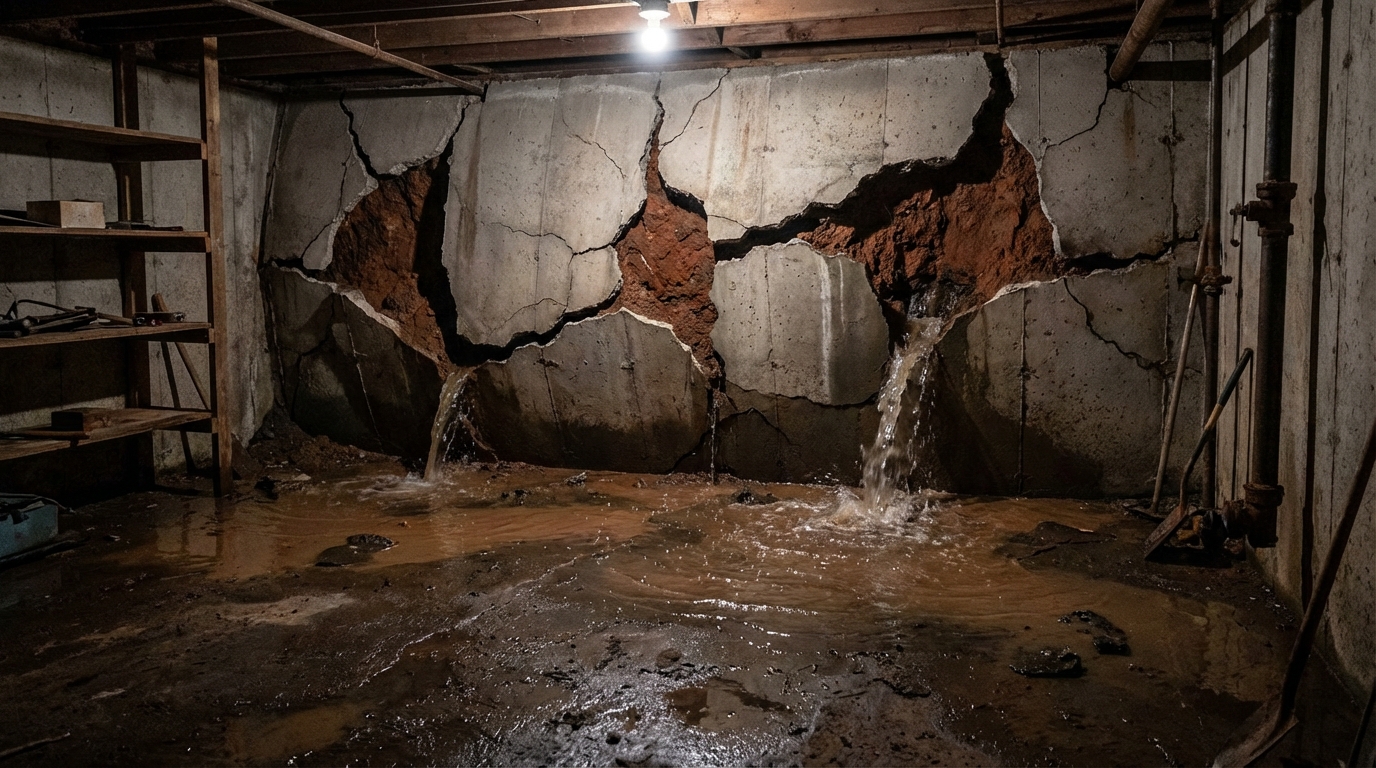
– **Basement Foundations**: These provide extra living space and storage but can be susceptible to water intrusion. A leaky basement can feel like an unwelcome guest at a party—everyone wants them to leave, but they just won’t!
2. **Common Foundation Issues**
Now that we understand the basic types of foundations, let’s address the issues that can arise. Ignoring these problems is like ignoring the signs of a bad haircut; eventually, it will catch up to you.
– **Cracks**: Hairline cracks may seem harmless, but they are often the first sign of trouble. Wider cracks can indicate serious problems, such as settling or heaving.
– **Settling and Heaving**: When soil settles or shifts, it can cause your home to tilt or sink. This might create the illusion that your home has had one too many drinks at a party.
– **Moisture Issues**: Excess moisture can lead to mold growth and wood rot. It’s important to keep your foundation dry unless you’re planning on starting an underground swimming pool.
– **Bowed Walls**: If you notice your walls bowing inward, it could indicate pressure from the soil outside. Imagine someone trying to hug you too tightly—uncomfortable, right? That’s how your walls feel!
3. **Signs Your Foundation Needs Repair**
So, how do you know if your foundation is calling for help? Pay attention to the following signs:
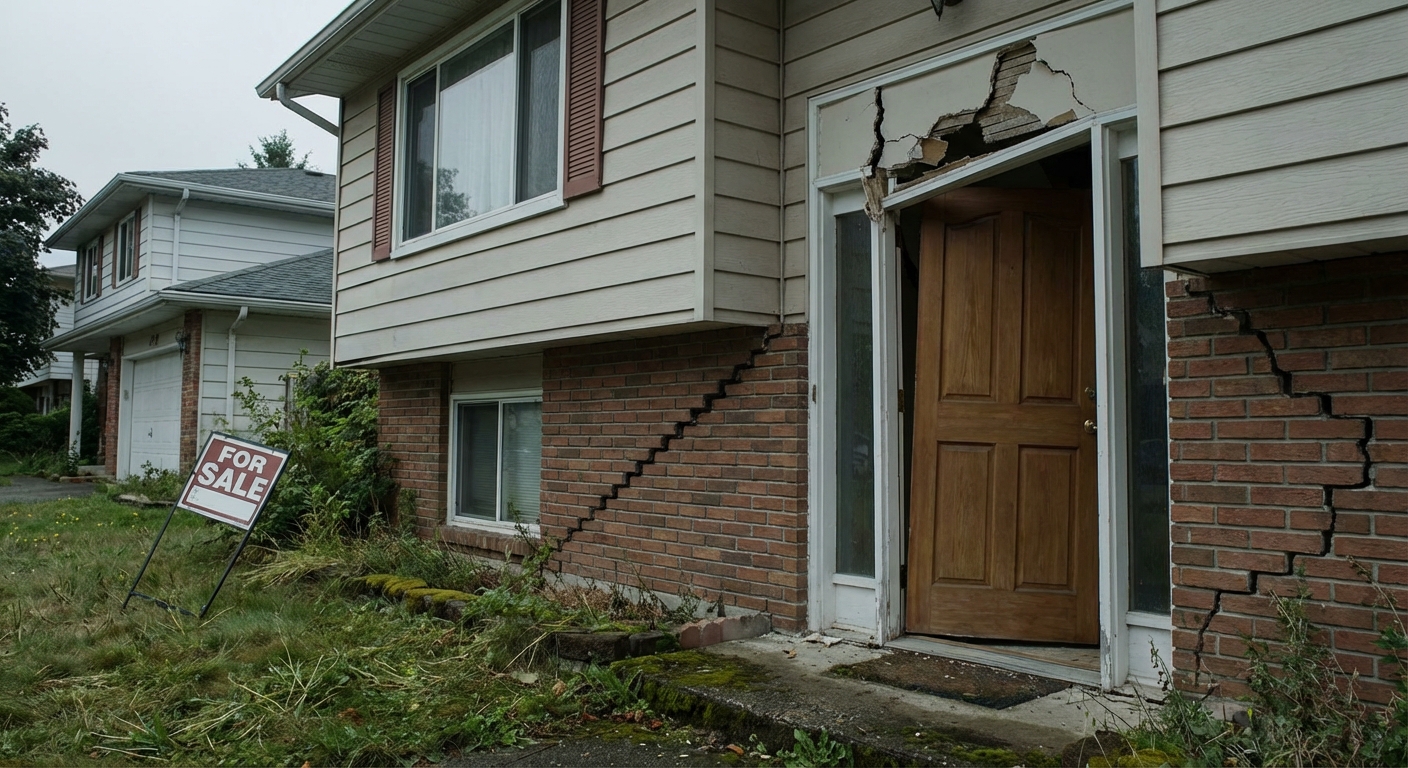
– **Doors and Windows Not Closing Properly**: If your doors start playing hard to get, it might be because your foundation isn’t holding up as it should.
– **Uneven Floors**: If walking across your floor feels like navigating a funhouse, your foundation may be shifting.
– **Visible Cracks Inside and Outside Your Home**: Cracks around windows, door frames, and walls can be a clear indicator of foundation issues.
– **Gaps Between Walls and Ceilings**: If you see daylight where there shouldn’t be any, it’s time to investigate.
4. **The Importance of Timely Repairs**
Ignoring foundation issues is like ignoring a small fire; it might seem manageable at first, but it will only grow. Early detection and prompt repairs can save you thousands in potential damage. Think of it as preventive maintenance—like regular check-ups for your health, only much less invasive.
5. **Foundation Repair Methods**
Once you’ve established that repairs are needed, the next step involves knowing the different methods available. Depending on the severity of the damage, various techniques can be employed:
– **Piering**: This method involves driving steel piers deep into the ground under the foundation. Think of it as giving your home a sturdy pair of stilts that help it walk straight again.
– **Slab Jacking**: If your slab is sinking, this technique injects a mixture under the slab to lift it back into place. We’re talking about a “floor-lift” instead of a “lift-off.”
– **Wall Anchors**: For bowed walls, wall anchors can stabilize and straighten them out. This method pulls the walls back into alignment through the use of plates and rods.
– **Drainage Solutions**: Sometimes, the problem isn’t with the foundation itself but with the water that’s gathering around it. Installing drainage systems can help alleviate excess moisture and prevent future issues.
6. **Finding the Right Foundation Repair Contractor**
Choosing the right contractor is crucial for the success of your foundation repair. Here are some tips to help you avoid falling into a contractor trap:
– **Check Credentials**: Ensure the contractor has the proper licenses, insurance, and experience. Ask for references and look for online reviews.
– **Get Multiple Estimates**: Don’t settle for the first quote. Get several estimates and compare them. You want quality work, not a bargain with a hidden agenda.
– **Ask About Warranties**: A reputable contractor should offer warranties on their work. If something goes wrong down the line, you want to be covered, not left with a hole in your pocket.
7. **DIY vs. Professional Help**
While some minor foundation issues might be manageable with a DIY approach—such as sealing small cracks—most issues require professional intervention. Trying to fix major problems can lead to more damage. Unless you have a PhD in structural engineering, it’s best to leave the heavy lifting to the pros.
8. **Preventative Measures to Avoid Future Problems**
Once repairs are done, it’s important to take steps to prevent future foundation issues. Here are some proactive tips:
– **Maintain Gutters and Downspouts**: Ensure water is properly diverted away from the foundation. Clean gutters regularly—think of it as giving your home a refreshing shower.
– **Monitor Landscape Grading**: Ensure the grading around your home slopes away from the foundation. Proper landscaping can do wonders!
– **Control Water Usage**: Avoid overwatering your lawn near the foundation. Ground saturation can lead to soil shifts, which can compromise your home’s stability.
– **Inspect Regularly**: Make it a routine to look for cracks and signs of shifting every few months. Early detection equals easier fixes!
9. **The Cost of Foundation Repair**
Got your wallet ready? The cost of foundation repair can vary widely based on several factors, including the extent of damage, location, and repair method. On average, homeowners can expect to pay anywhere from $2,000 to $10,000 for repairs. Remember, while it might seem like a lot upfront, inaction can lead to costs that are much higher in the long run.
10. **Conclusion**
In summary, foundation repair isn’t just about fixing cracks; it’s about maintaining the integrity and safety of your home. By recognizing the signs of foundation issues early, choosing the right repair method, and employing preventative measures, you can ensure your home has a strong base to stand on for years to come.
So the next time you notice that your front door is behaving like a rebellious teenager, don’t brush it off. Instead, take action, so you can continue to enjoy your home without worrying about it listing to one side or swaying dangerously in the breeze! Remember, a solid foundation means a solid future for your home—and that’s a roof you can count on!