
Essential Guide to Foundation Repair: Ensuring Your Home’s Stability and Safety
When it comes to homeownership, few things are as critical—or as intimidating—as the integrity of your foundation. You might be thinking, “A solid foundation is just a given, right?” Well, yes and no. Your home’s foundation is indeed crucial, but various factors can lead to issues that could turn your cozy abode into a wobbly mess. So, let’s dive deep into this essential guide to foundation repair, giving you the know-how to keep your home safe, stable, and standing tall.
Understanding the Foundation of Your Home
The foundation is the unsung hero of your home—it holds everything up while you go about your daily life, blissfully unaware of the hidden complexities beneath your feet. Homes can have different types of foundations, including slab, crawl space, and basement foundations, each with unique characteristics and potential issues.
1. **Slab Foundations**: This type of foundation is a single, solid piece of concrete poured directly on the ground. While durable, slab foundations can crack due to settlement or soil moisture changes.
2. **Crawl Space Foundations**: These foundations elevate your home a bit above ground level, allowing for air circulation and easier access to plumbing and electrical systems. They can be prone to moisture problems, which can lead to mold—yikes!
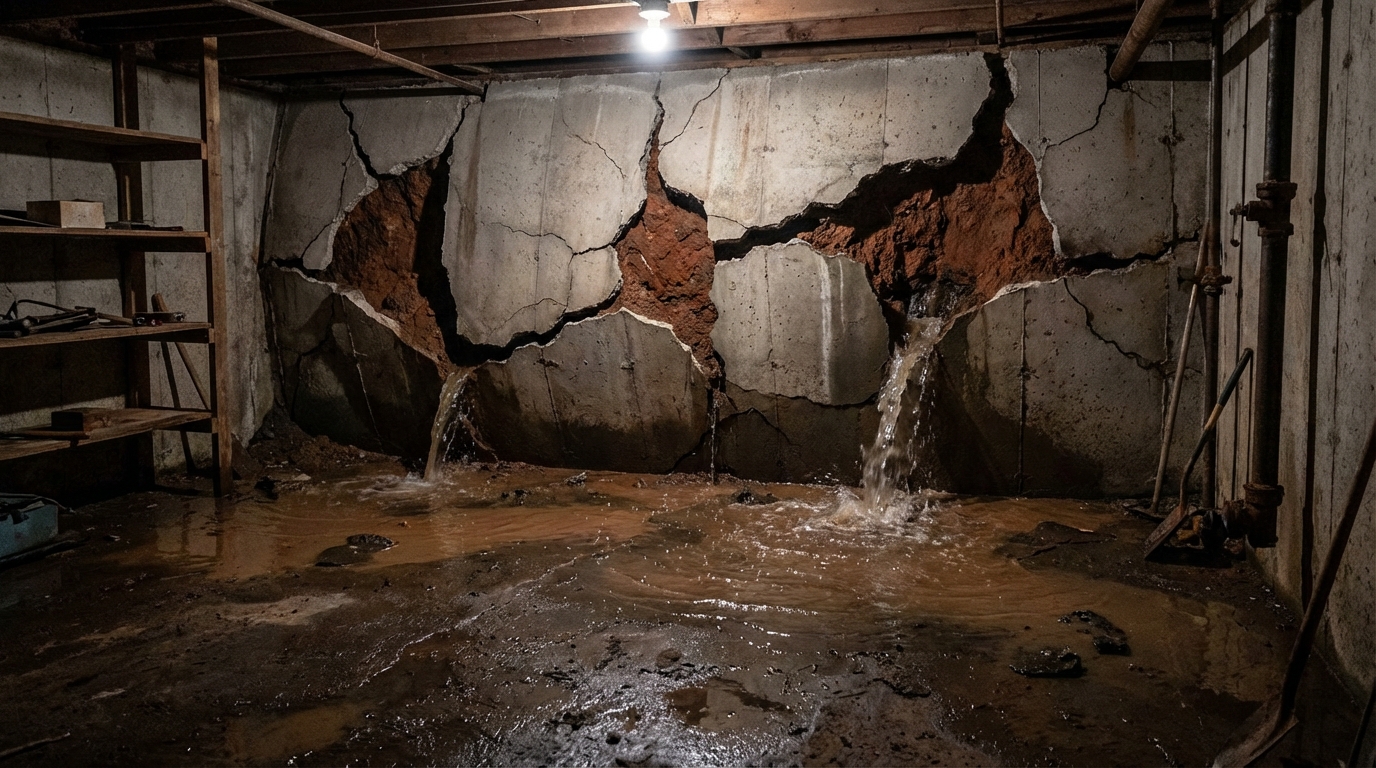
3. **Basement Foundations**: If you’ve got a basement, consider yourself lucky (or perhaps unlucky, depending on how well it’s maintained). Basements are fantastic for storage but can suffer from water infiltration and structural issues if not properly managed.
Let’s explore the signs of trouble lurking beneath your home’s surface and how to tackle foundation repairs effectively.
Signs Your Foundation Needs Attention
Like any good detective story, a tale of foundation woes often has clues. Here are some classic indicators that something might be amiss with your foundation:
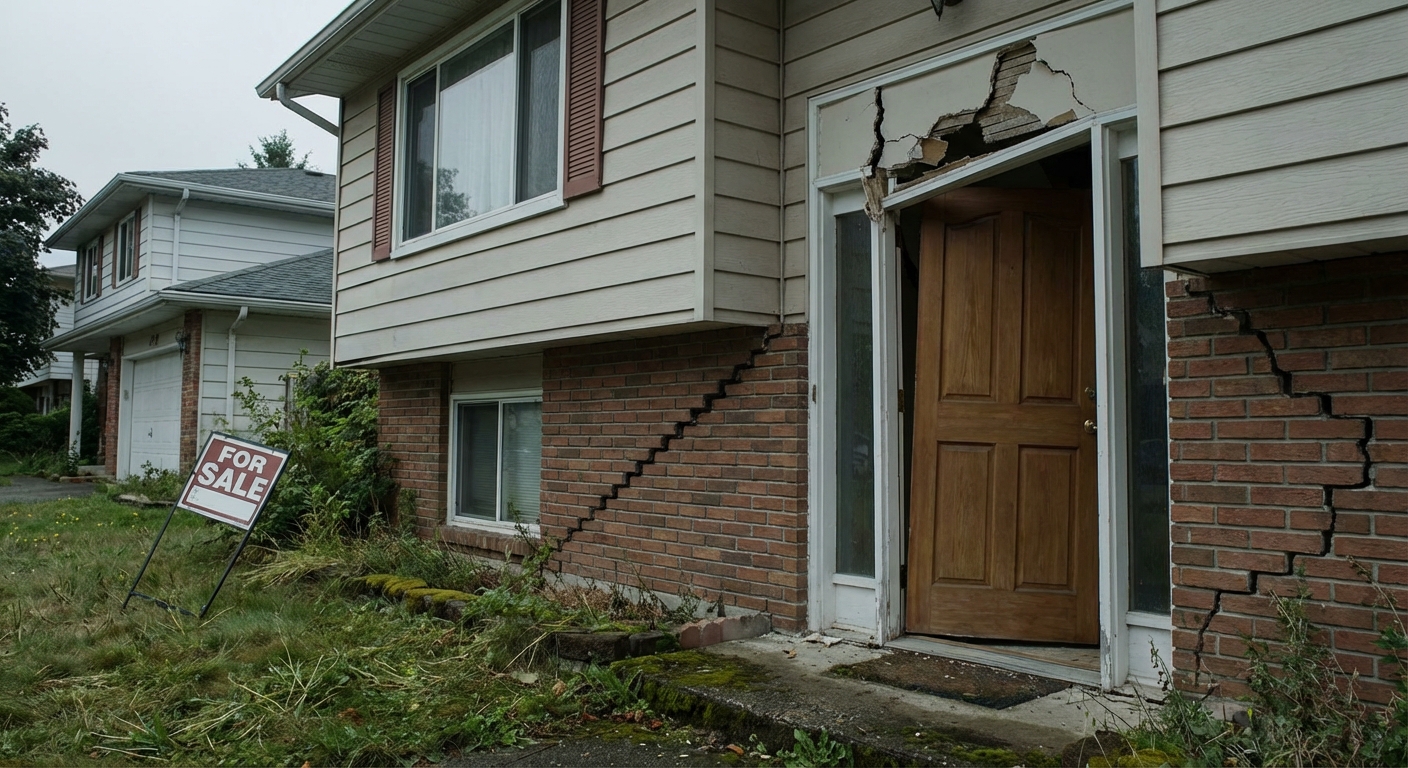
– **Cracks in Walls or Floors**: Small hairline cracks can be normal, but large cracks, especially those wider than a quarter-inch, could indicate serious structural issues. Keep an eye out for cracks that form a stair-step pattern—these can signal trouble.
– **Uneven Floors**: If you find yourself playing a game of ‘Will my coffee spill?’ due to sloping or uneven floors, it might be time for a foundation inspection.
– **Doors and Windows Sticking**: Struggling to open or close doors and windows? It could be the house settling—literally. Misalignment might indicate shifts in your foundation.
– **Gaps Around Windows or Doors**: Noticeable gaps appearing around window frames or doors can suggest movement in the structure.
– **Water Issues in the Basement or Crawl Space**: Excess water accumulation often hints at drainage issues, which can weaken your foundation over time.
Now that we’ve established what to look out for, let’s talk about what causes these issues in the first place.
Causes of Foundation Problems
Foundations have their enemies. Here are some common culprits that can bring your home’s stability into question:
1. **Soil Conditions**: The type of soil your home is built on plays a huge role in its foundation health. Expansive clay soils, for example, can swell when wet and shrink when dry, leading to shifts in the foundation.
2. **Poor Drainage**: Water pooling near your foundation is like throwing a pool party for termites. Adequate drainage is key to directing water away from the base of your home.
3. **Tree Roots**: While trees are lovely, they harbor a dark side. The roots can absorb moisture from the soil, causing it to shift, which can result in foundation problems.
4. **Plumbing Leaks**: Undetected plumbing leaks can create saturated soil, altering the foundational landscape of your home.
5. **Extreme Weather**: Heavy rains, droughts, or freeze-thaw cycles can weaken your foundation by affecting the soil surrounding it.
Now that we’ve uncovered the villains attempting to sabotage your foundation, let’s discuss how to remedy these situations.
Foundation Repair Methods
Once you’ve acknowledged that your foundation needs some TLC, it’s time to explore the various repair methods available. The best solution often depends on the specific issues at hand, so let’s get into the nitty-gritty.
1. **Piers and Underpinning**: For homes with significant settlement, piers may be installed to stabilize and raise the foundation. There are several types of piering systems, including push piers, helical piers, and slab piers.
2. **Slabjacking**: Also known as mudjacking, this method involves injecting a mixture beneath a concrete slab to lift it back to its original position. It’s a bit like giving your foundation a pep talk, but with concrete.
3. **Wall Anchors**: If your walls are bowing inward, wall anchors can help stabilize and reinforce them, pulling them back into place and ensuring they don’t get too cozy with the interior rooms of your house.
4. **Drainage Solutions**: Sometimes the best fix is to prevent future issues. Proper drainage systems, including gutters, downspouts, and French drains, can redirect water away from your foundation, helping to maintain its health.
5. **Moisture Barriers**: For crawl spaces and basements, installing moisture barriers can help reduce humidity levels and protect your foundation from water damage.
Choosing a Foundation Repair Contractor
When it comes to foundation repair, DIY is usually not the best approach, unless you enjoy the sensation of abject fear while watching your home shift beneath your feet. Instead, consider hiring a professional. Here are some tips for choosing the right contractor:
– **Research Credentials**: Ensure the contractor is licensed, insured, and has good standing with review platforms. Online reviews can shed light on customer experiences.
– **Get Multiple Estimates**: Don’t just settle for the first quote you receive. Getting multiple estimates allows you to gauge the market rate and see what solutions are being offered.
– **Ask About Experience**: Inquire how long the contractor has been in business and their experience with your specific foundation issues.
– **Review Warranties**: A reputable contractor should offer a warranty for their work. Be sure to clarify what is covered and for how long.
– **Trust Your Instincts**: If something feels off during the consultation, trust your gut. You want to work with someone who explains everything clearly and respects your home as much as you do.
Maintaining Your Foundation
Prevention is always better than cure, right? After you’ve invested time and money into repairing your foundation, it’s crucial to maintain it. Follow these tips to ensure long-lasting stability:
– **Monitor Soil Moisture**: Use moisture meters or sensors to ensure the soil around your foundation stays consistent. Sudden fluctuations can spell trouble.
– **Manage Landscaping**: Be cautious with trees and shrubs. Ensure they are planted far enough away from the foundation to avoid root intrusion.
– **Check for Leaks**: Regularly inspect plumbing and drainage systems to catch any leaks early before they become a full-blown disaster.
– **Maintain Drainage Systems**: Clean gutters and downspouts routinely to prevent clogs that could lead to water pooling.
– **Schedule Regular Inspections**: Consider annual foundation inspections, especially if you live in areas prone to shifting soil or extreme weather conditions.
Conclusion
Your foundation is the backbone of your home, and maintaining its integrity is crucial for safety and stability. By understanding the signs of foundation problems, identifying the causes, exploring repair methods, and choosing the right professionals, you’ll be empowered to safeguard your home against the uncertainties of nature and time.
Remember, when in doubt, call the experts. A small investment today in foundation repair can mean a safer, more secure home for years to come. Keep your feet firmly planted on solid ground—literally!