
Essential Guide to Foundation Repair: Key Strategies for Long-Lasting Structural Integrity
When you picture a house, the first thing that comes to mind is probably not its foundation. You might think of the vibrant paint on the walls or the lush garden in the backyard. However, if those walls and that garden are going to stand the test of time, they need a sturdy foundation. Just like a superhero needs a solid origin story, your house needs a strong base. If you suspect your foundation is in trouble, this guide will walk you through essential strategies for foundation repair that can help ensure the lasting structural integrity of your home.
Understanding the Importance of Your Foundation
Let’s face it: foundations don’t get the credit they deserve. People tend to overlook them until a crack emerges, making their presence felt. A home’s foundation is like the unsung hero of a movie—a critical element that keeps everything together without asking for applause. It supports the weight of the house, prevents settling, and protects against soil movement, moisture intrusion, and pests. When things go wrong with your foundation, you can bet that the ripple effects will be felt throughout your home.
Common Signs of Foundation Problems
Before we jump into the exciting world of repair strategies, let’s first identify the signs that your foundation may be waving a red flag—or perhaps more fittingly, a cracked wall. Here are some common indicators you should watch out for:
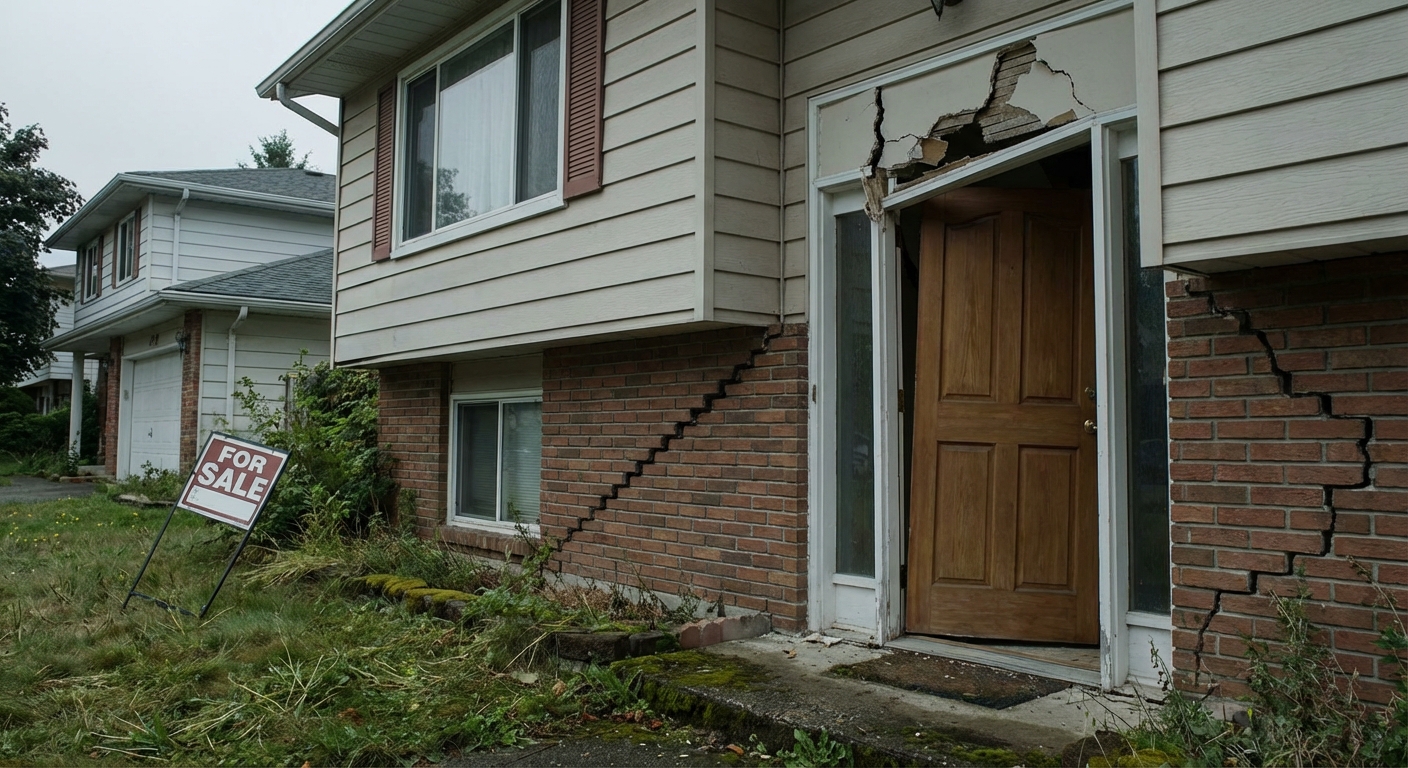
1. **Cracks in Walls or Ceilings**: If you notice cracks appearing in your walls or ceilings, especially if they grow larger over time, that could be a sign your foundation is shifting.
2. **Uneven Floors**: Ever feel like you’re on a roller coaster when walking through your living room? Uneven floors might suggest that your foundation is settling unevenly.
3. **Doors and Windows Sticking**: If your doors and windows suddenly decide to play hard to get, it may be due to foundation shifts affecting their frames.
4. **Visible Gaps**: Look for gaps between walls and floors or around windows and doors. If you’ve got a gap that looks like it could swallow a small child, it’s definitely time to call an expert.
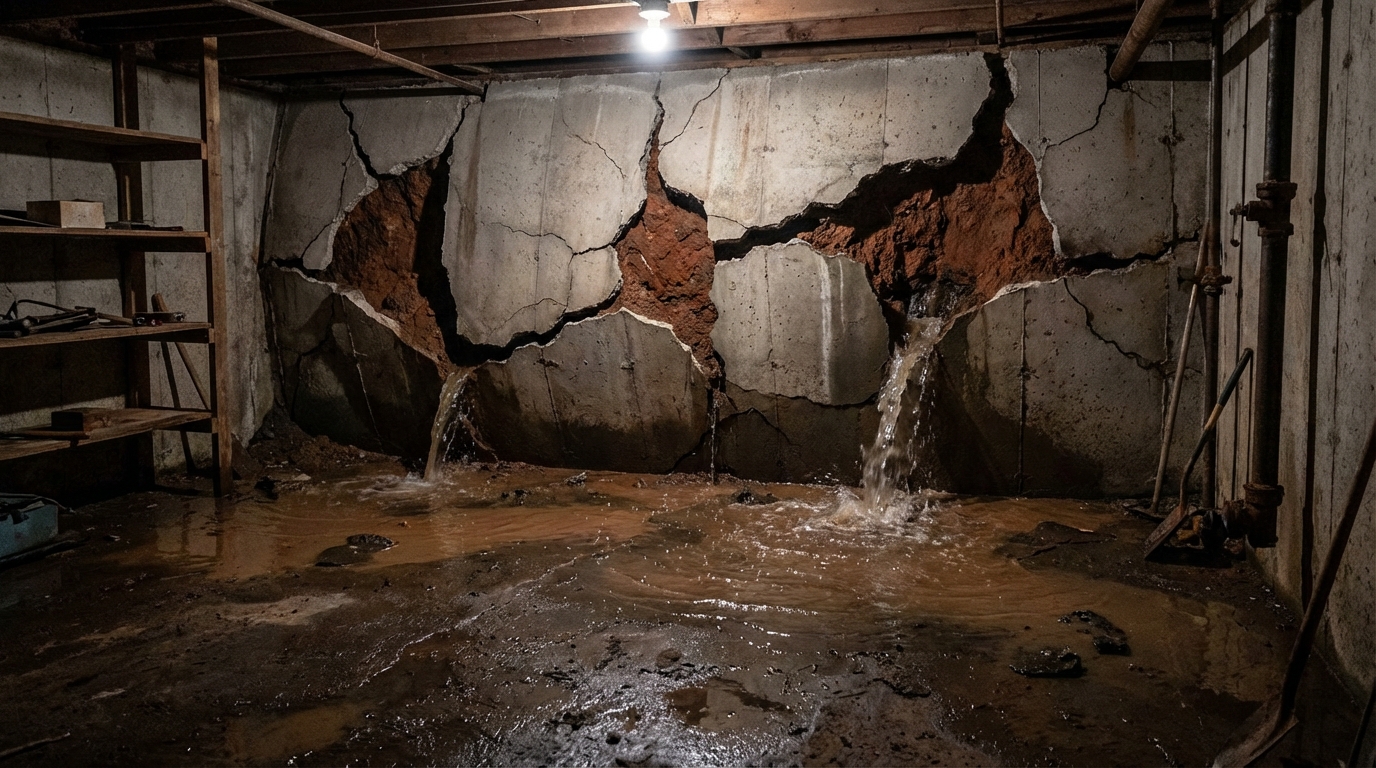
5. **Basement Issues**: Water intrusion, mold, or dampness in your basement are serious warning signs. If water is trying to make itself at home where it shouldn’t, your foundation might need some love.
If you’re experiencing any of these issues, it’s crucial to take action quickly. Ignoring foundation problems can lead to more severe damage, costing you time, money, and potentially your home.
The Foundation Repair Process
So, what does the foundation repair process look like? While it sounds like a daunting task, it’s manageable with the right strategies. Here’s how it typically unfolds:
### 1. **Initial Inspection and Assessment**
The first step is a thorough inspection by a professional foundation contractor. They’ll assess the type of foundation you have (slab, crawl space, etc.), identify the specific problems, and determine the best course of action. Think of this as the “detective phase” where foundation detectives analyze every inch.
### 2. **Determine the Cause of Foundation Issues**
Understanding why your foundation is having problems is critical. Common causes include:
– **Soil Conditions**: Expansive clay soils tend to swell when wet and shrink when dry, causing fluctuations that can impact the foundation.
– **Poor Drainage**: If water isn’t draining away from your home, it can pool around the foundation and create pressure leading to cracks.
– **Tree Roots**: Large trees planted too close to the house can draw moisture from the soil, leading to settlement.
### 3. **Choose a Repair Method**
Depending on the severity of the issue and the cause identified, various repair methods can be employed:
– **Piering/ Piling**: This technique involves inserting steel piers deep into the soil to provide additional support. It’s a bit like putting stilts under your home—keeping it elevated and stable.
– **Slabjacking**: If you have a concrete slab foundation that’s sinking, slabjacking (or mudjacking) uses a specialized grout injected beneath the slab to raise it back to its original level.
– **Wall Anchors or Braces**: For retaining walls subject to lateral pressure, wall anchors or braces can be installed to provide extra support and prevent further bowing.
– **Foundation Waterproofing**: Sometimes the solution isn’t about raising but preventing. Waterproofing can keep moisture out and mitigate issues related to dampness.
### 4. **Execute the Repair Plan**
Once a plan is in place, it’s time for the foundation repair crew to get to work. Make sure you understand the timeline and what to expect. This phase can be noisy, dusty, and sometimes involve heavy machinery. So, if you have a pet who is particularly jumpy, it might be a good time for them to temporarily stay with a friend.
Remember, a good contractor will walk you through the process, ensuring you know what’s happening every step of the way.
### 5. **Post-Repair Evaluation**
After the repairs are completed, a follow-up evaluation is often necessary. This helps confirm that all issues have been resolved and that your foundation feels as solid as a rock (well, as solid as concrete, really).
Long-Term Maintenance for Foundation Health
Once your foundation is repaired, the key is to keep it in tip-top shape. Here are some vital maintenance tips to ensure your foundation stays healthy for years to come:
– **Regular Inspections**: Perform regular inspections of your foundation and surrounding areas. Look for any new cracks or signs of wear. If you catch something early, you can nip it in the bud.
– **Maintain Proper Drainage**: Ensure water drains away from your foundation. This might mean cleaning gutters regularly, extending downspouts, or grading the yard to direct water flow.
– **Control Landscaping**: Be mindful of tree placement and landscaping. Avoid planting large trees close to your foundation, and keep soil moisture levels consistent around the perimeter.
– **Monitor Basement Moisture**: Keep an eye on your basement for any signs of moisture or leaks. Consider installing a sump pump if flooding is an issue.
– **Ensure Adequate Ventilation**: In crawl spaces, proper ventilation helps control moisture and reduces the risk of mold growth.
Conclusion
In conclusion, foundation repair might not be the most glamorous home improvement project, but it’s undoubtedly one of the most critical ones. By understanding the signs of foundation issues, knowing the repair process, and committing to long-term maintenance, you can protect your home’s structural integrity for years to come.
So, remember—don’t ignore those cracks and sticking doors! Your home relies on you to ensure it stands strong. And just like any great relationship, a bit of care and attention can go a long way. Here’s to a future where your home’s foundation remains as steadfast as your commitment to keeping it that way.