
Essential Guide to Foundation Repair: Protecting Your Home from Hidden Damage
When you think about your home, what comes to mind? The cozy living room where you binge-watch your favorite series? The backyard BBQs with friends and family? Or perhaps the delightful kitchen where culinary masterpieces (or maybe just toast) are created? What likely doesn’t spring to mind is the foundation that keeps it all standing tall. Yet, this critical component is like the unsung hero of your home, quietly doing its job while you focus on more glamorous things. But beware! Just like a good plot twist in a thriller novel, hidden damage can lurk beneath the surface, ready to strike when you least expect it. Buckle up, as we step into the essential guide to foundation repair and discover how to protect your home from the perils of foundation troubles.
Understanding the Foundation: The Backbone of Your Home
Before diving into repairs, let’s take a moment to appreciate what a foundation actually does for your home. Think of your foundation as the strong, silent type—like that friend who’s always there for you but never seeks the spotlight. It’s responsible for supporting the weight of the house, distributing loads evenly, and preventing moisture intrusion. Without a solid foundation, your house could face a range of issues, from cracking walls to uneven floors, and more serious concerns like sinkholes or sagging roofs.
Foundations come in various shapes and sizes, including slab, crawl space, and basement foundations. Each type has its own unique vulnerabilities and benefits, but they all share one important thing in common: they need to be kept in optimal condition.
Common Foundation Problems: Recognizing the Signs
Just like an unexpected plot twist, foundation issues often appear out of nowhere. It’s crucial to recognize the signs before they escalate into a full-blown disaster. Here are some common indicators that your foundation may be crying out for help:
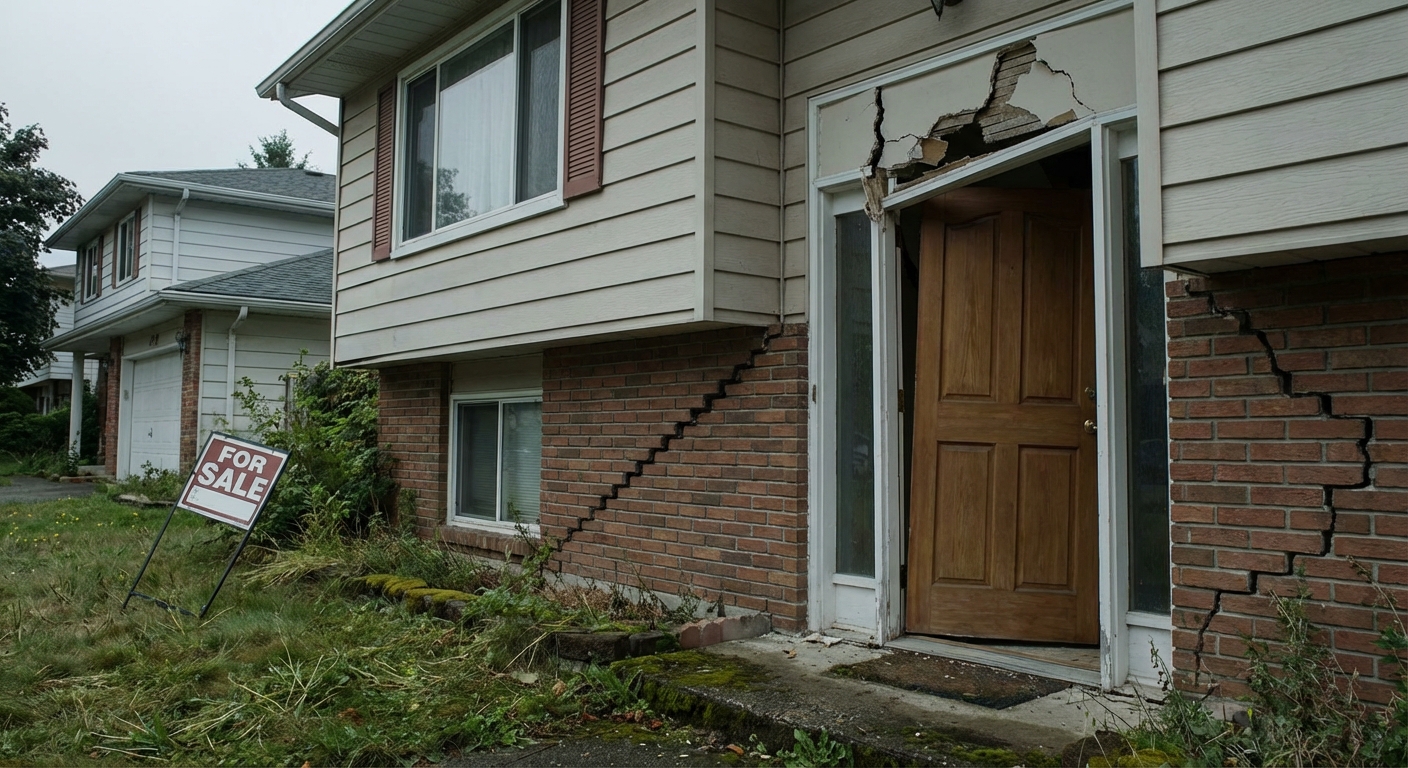
1. **Cracks in Walls**: If you notice cracks in your interior walls or exterior brick, particularly around windows and doors, it could spell trouble. Small cracks might merely suggest settling, but large, jagged cracks can indicate serious foundation issues.
2. **Uneven Floors**: Have you ever played a game of rolling marbles across your floor only to find them heading for the nearest corner? This could mean your foundation is uneven, which can lead to structural problems down the line.
3. **Doors and Windows Sticking**: If your doors and windows have decided to adopt a stubborn stance, it might not be a personality quirk. Sticking can result from shifts in your foundation.
4. **Gaps Between Wall and Ceiling**: If you’re noticing gaps between the wall and ceiling or your baseboards seem to be in a race with the wall, it’s time to investigate further.
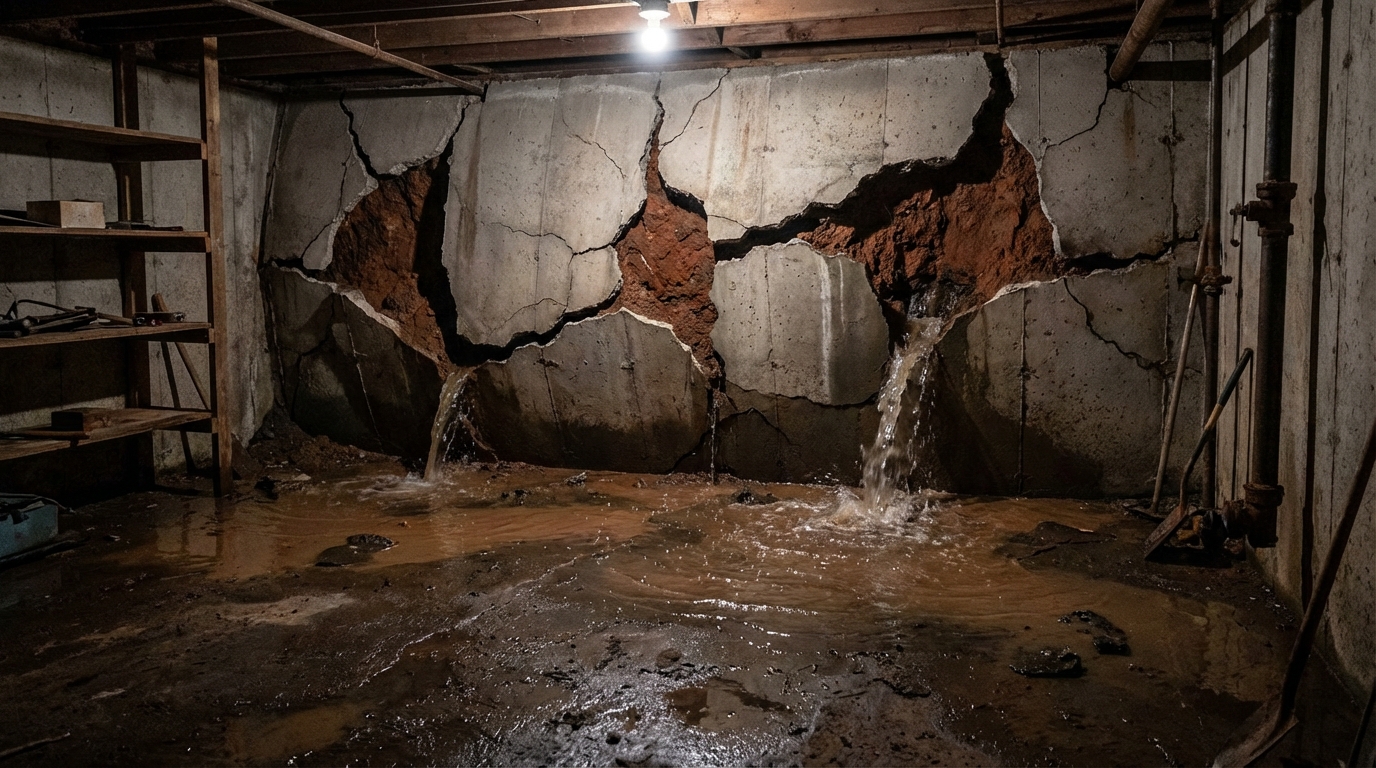
5. **Wet Spots or Mold**: Unwanted moisture can indicate drainage issues, which often stem from foundation problems. Keep an eye out for soggy spots, mold growth, or damp areas in your basement or crawl space.
6. **Pest Activity**: Bugs and critters don’t just invade homes; they love hanging around weak foundations, too. If you’re finding unwelcome guests, it might be time for some foundation TLC.
If you observe any of these signs, don’t ignore them. It’s like ignoring the “check engine” light in your car—eventually, you’ll wish you hadn’t.
Types of Foundation Repairs: Fixing the Cracks
Once you’ve identified that your foundation is less than perfect, it’s time to take action. There are several methods to repair foundation problems, each suited to different issues. Let’s explore some of the most common types of foundation repairs:
1. **Crack Injections**: For those pesky hairline cracks, crack injections using epoxy or polyurethane can fill the gaps and prevent moisture seepage. It’s like giving your foundation a little makeup to cover up minor imperfections so it can present a polished look!
2. **Piers and Helical Piles**: If you have significant settlement issues, underpinning with piers or helical piles can provide the necessary support. These devices are driven deep into the ground to reach stable soil, giving your foundation a sturdy lift.
3. **Slab Jacking**: When your concrete slab foundation becomes unlevel, slab jacking offers a solution by injecting a mixture underneath the slab to elevate it back to its original position.
4. **Wall Anchors**: For bowing or leaning walls, wall anchors can stabilize the structure. Think of them as those trusty friends who hold you steady when life gets tough.
5. **Drainage Solutions**: Poor drainage can lead to all sorts of foundation woes. Installing French drains, sump pumps, or correct grading around your home can divert water away from the foundation, keeping it dry and happy.
6. **Waterproofing**: If moisture intrusion is a persistent problem, applying a waterproofing sealant can safeguard your foundation against future damage.
Choosing a Foundation Repair Contractor: The Good, the Bad, and the Ugly
So, you’ve made the decision to repair your foundation—great! But who do you trust with this significant undertaking? Selecting the right repair contractor is as vital as picking the right book to read. Here’s how to avoid the “bad” and the “ugly”:
– **Do Your Research**: Look for reputable contractors in your area. Online reviews, testimonials, and past work can give insight into their reliability and expertise.
– **Get Multiple Estimates**: Don’t settle for the first quote you receive. It’s wise to get estimates from at least three contractors to compare pricing and services.
– **Ask About Experience**: A contractor specialized in foundation repairs will be better equipped to handle your unique situation. It’s like choosing a chef who’s an expert in Italian cuisine for your spaghetti night!
– **Verify Credentials**: Ensure the contractor is licensed, insured, and bonded. This protects you against liabilities and ensures quality workmanship.
– **Inquire About Warranty**: A good contractor should offer a warranty on their work. This gives you peace of mind and shows confidence in their ability to resolve the issue.
Preventive Measures: Guarding Against Future Issues
After your foundation has been repaired, let’s talk about how to keep it standing strong for years to come. Prevention is the key to avoiding future headaches:
1. **Regular Inspections**: Periodically check for signs of distress in your foundation and surrounding areas. Early detection can save you from dealing with larger problems later.
2. **Proper Drainage**: Ensure your gutters are clean and functioning properly. Redirect downspouts away from the foundation to minimize water accumulation.
3. **Maintain Landscaping**: Keep plants and soil at least a foot away from your foundation. Overgrown vegetation can trap moisture against the foundation, leading to damage.
4. **Control Indoor Humidity**: Use dehumidifiers in damp areas like basements to prevent moisture buildup. A comfortable humidity level helps avoid unwanted water problems.
5. **Monitor Plumbing**: Leaky pipes can contribute to moisture issues. Regularly check plumbing fixtures and address leaks promptly.
Conclusion: Secure Your Home’s Future
In the end, your home’s foundation is integral to its health and safety. By identifying potential problems and acting swiftly, you can protect your home from hidden damage that could escalate into costly repairs. Remember, addressing foundation issues isn’t just about fixing cracks—it’s about securing a safe, comfortable, and sound living environment for you and your loved ones.
Investing in your foundation is akin to investing in your future. So next time you marvel at your wonderful abode, take a moment to appreciate the invisible forces that keep it intact. With the insights from this essential guide to foundation repair, you’re now equipped to tackle any foundation-related challenge that may come your way. Happy home protecting!