
Essential Guide to Foundation Repair: Protecting Your Home from Structural Damage
When it comes to homeownership, few things strike terror into the hearts of homeowners quite like the term “foundation repair.” It’s right up there with “roof replacement” and “your insurance doesn’t cover that.” However, understanding the essential aspects of foundation repair can protect your home from structural damage and save you a heap of trouble (and cash) down the road. So, grab a cup of coffee, kick back, and let’s dig into this essential guide.
**Understanding the Foundation**
Let’s start with the basics. Your home’s foundation is its unsung hero, working tirelessly behind the scenes to keep everything upright and stable. Whether you have a slab, crawl space, or basement foundation, this critical structure supports your entire house. It anchors your home in place, making it possible for you to enjoy a roof over your head and all the joys that come with it—like avoiding the neighbors’ constant barbecues.
Foundations are typically made of concrete, stone, or masonry materials. Over time, factors such as soil movement, water drainage issues, and even tree roots can wreak havoc on this vital component. So, how do you know if your foundation needs some TLC? Let’s dive into the signs of distress.
**Signs Your Foundation Needs Repair**
Seeing cracks in your walls may be more than just an aesthetic concern. Here are common indicators that your foundation might be crying out for help:
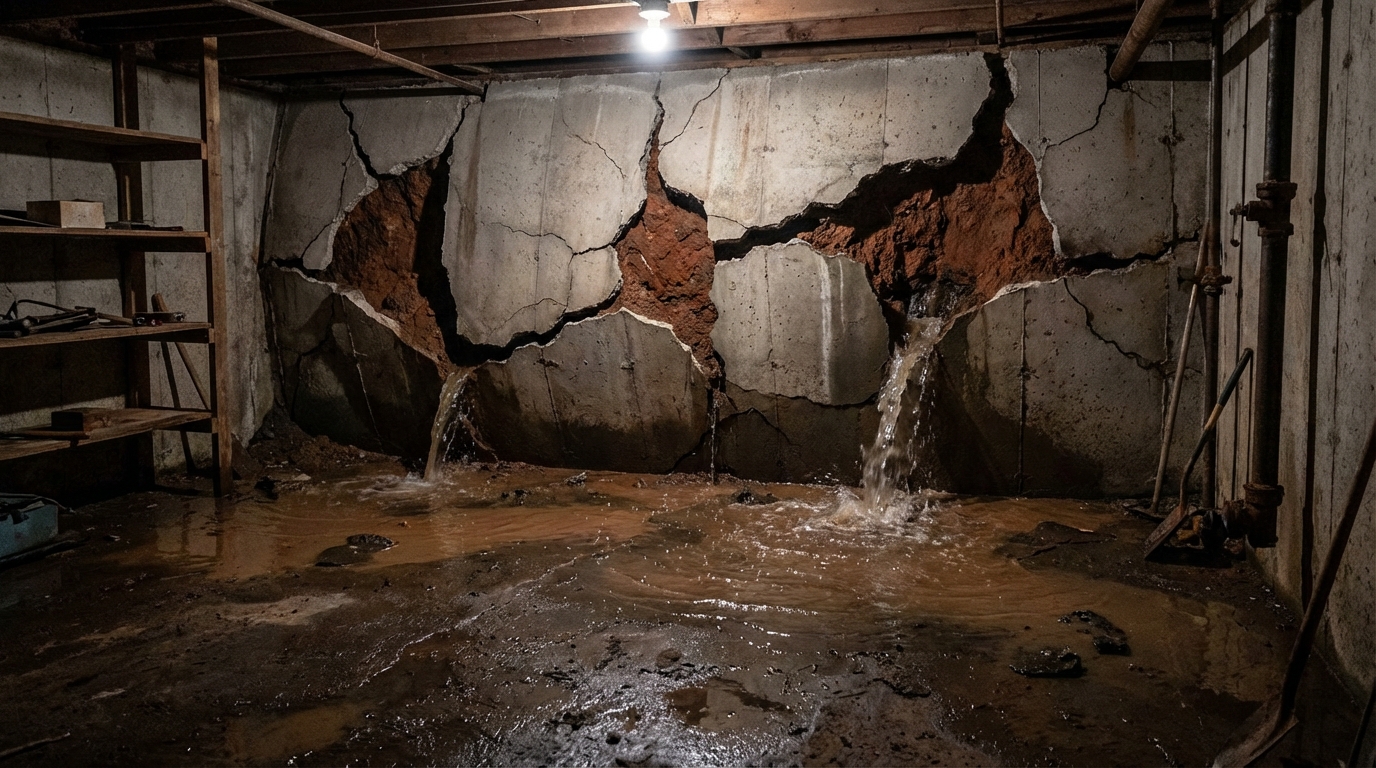
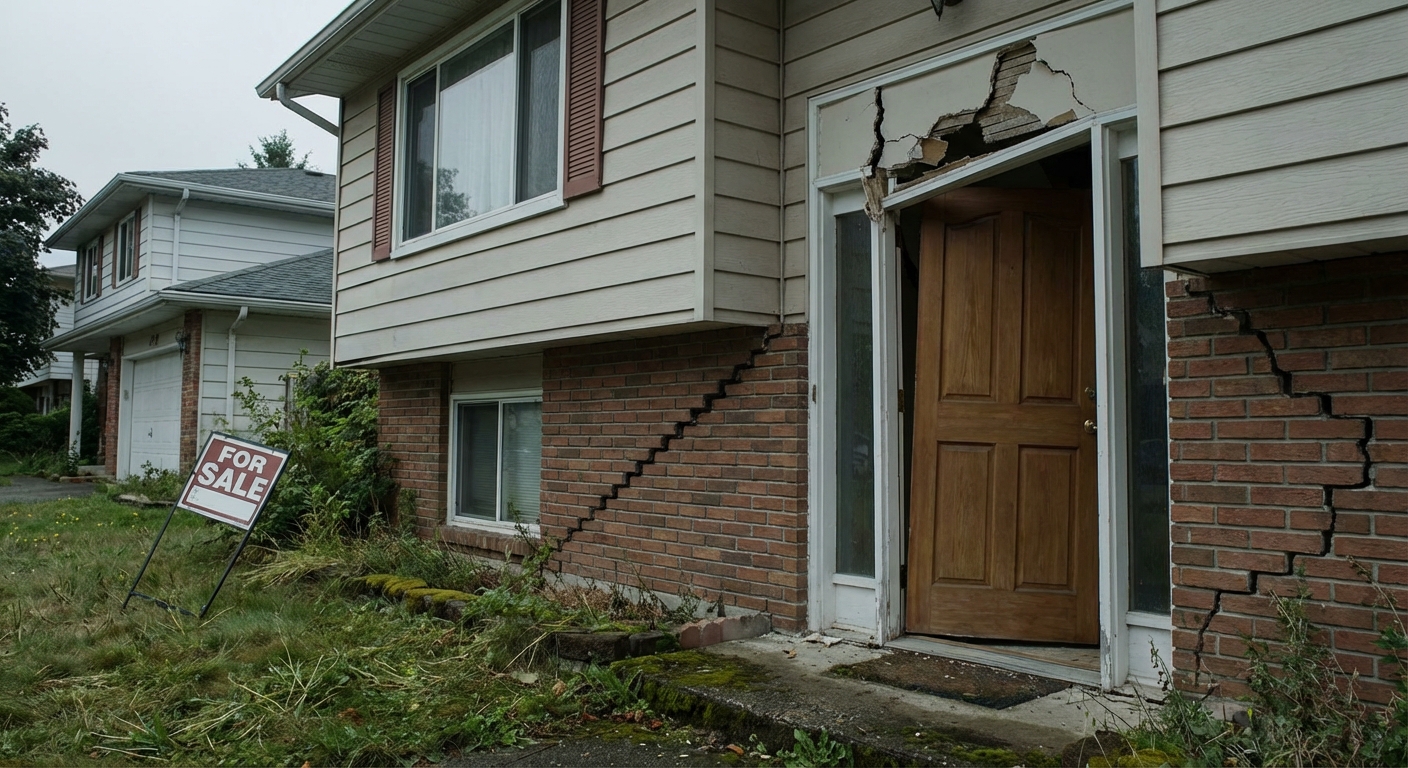
1. **Cracks in Walls and Floors**: If you see cracks appearing, particularly those wider than ¼ inch, it’s time to investigate. While a hairline crack may be harmless, larger cracks can indicate significant structural issues.
2. **Door and Window Issues**: Have your once-cooperative doors and windows suddenly adopted a new personality? If they stick, won’t close all the way, or magically open on their own, your foundation could be shifting.
3. **Uneven Floors**: A bit of sway when you walk across the floor might feel like a dance party, but uneven floors can be a sign of foundation problems. If you find yourself breaking out into the Macarena while moving furniture, it’s time to call an expert.
4. **Bowing or Leaning Walls**: If you notice walls bowing inward or leaning at odd angles, your foundation is undoubtedly dealing with some stress. It’s like your house is trying to tell you something important, but you’re not fluent in House Speak.
5. **Water Intrusion**: Damp basements or crawl spaces are not just unpleasant; they can lead to mold and further damage to your foundational structure. Water is the arch-nemesis of a sturdy foundation—think of it as the villain in our story.
6. **Gaps Around Windows and Doors**: If gaps have formed around these openings, it could be a sign that your foundation has settled improperly. Much like an awkward first date, it leaves everyone uncomfortable.
If you’ve noticed any of these signs, it’s wise to consult with a foundation repair specialist. Ignoring the issue can lead to major repair costs (and potentially having to evacuate your home).
**Common Causes of Foundation Damage**
Now that we’ve covered the “why” behind examining your foundation, let’s look at what might be causing those pesky problems in the first place.
1. **Soil Movement**: Clay, silt, and sand move differently when wet or dry, so if your home is built on unstable soil, you’re in for a bumpy ride—literally. Expansive clay soils can swell and shrink dramatically, leading to uneven settling.
2. **Poor Drainage**: Water pooling around your foundation is like offering a buffet to your gathered foundation issues. Proper drainage systems, including gutters and downspouts, are essential for keeping water away from your home’s base.
3. **Tree Roots**: Trees add beauty and shade to our properties but can also cause significant foundation damage. Roots can penetrate and displace soil, leading to shifts that may compromise your foundation’s integrity.
4. **Heavy Appliances or Additions**: If you’ve recently added a hot tub, a large addition, or even a new refrigerator, the extra weight could put pressure on your foundation, especially if it’s not designed to support it.
5. **Natural Disasters**: Earthquakes, floods, and severe storms can suddenly and dramatically affect your foundation. Think of these events as nature’s uninvited guests who don’t clean up after themselves.
**Types of Foundation Repairs**
Do not fret just yet! There are several foundation repair strategies available, each tailored to address specific types of issues. Here are the most common methods:
1. **Piering**: This method involves driving steel piers deep into the ground to stable soil, supporting the foundation and lifting it back to its original position. Think of it as giving your house a solid pair of stilts for stability—now it’s ready for the big top!
2. **Slab jacking (or mud jacking)**: If your foundation is a concrete slab and it’s sinking or settling, slab jacking involves injecting a mixture beneath the slab to lift it back into place. Kind of like a trampoline, but for your home’s foundation.
3. **Wall anchors**: For bowing walls, wall anchors provide additional support that holds walls in place. They can be adjusted over time, much like trying to hold onto your youthful looks with various creams and serums.
4. **Drainage solutions**: Often, fixing the problem doesn’t involve lifting or shoring up the foundation. Instead, installing proper drainage systems can redirect water away from the foundation, reducing pressure and preventing future issues. It’s like giving your foundation a raincoat.
5. **Crawl space encapsulation**: For homes with crawl spaces, sealing and insulating this area can combat moisture and improve air quality. Think of it as giving your home a nice blanket to stay warm and dry.
**Choosing the Right Foundation Repair Company**
So, you’ve spotted some issues and decided that it’s time to call in the professionals. But how do you choose the right contractor? Here are some tips to navigate the vast sea of options:
1. **Research and Reviews**: Start by looking for companies with a good reputation. Online reviews, testimonials, and word-of-mouth recommendations can give you insight into the experiences of others.
2. **Check Credentials**: Ensure the company is licensed and insured. This protects you from potential liability and ensures that your foundation repair is being handled by qualified professionals.
3. **Get Multiple Estimates**: Don’t settle on the first quote you receive. By acquiring several estimates, you can better understand the market rate and ensure you’re not overpaying.
4. **Ask About Warranties**: A reputable company will offer warranties on their work. This assurance means they stand behind their repairs, giving you peace of mind.
5. **Assess Communication**: Choose a company that answers your questions and communicates clearly. After all, you want partners in this repair journey, not strangers who disappear after they collect the check.
**Maintaining Your Foundation Post-Repair**
Once your foundation has undergone repairs, it’s crucial to maintain its integrity to prevent future issues. Here are some simple maintenance tips:
1. **Manage Moisture**: Keep an eye on water drainage around your property. Gutters should be clean, downspouts directed away from the house, and grading should slope away from the foundation.
2. **Install Landscaping Wisely**: Avoid planting trees too close to the foundation. Instead, opt for shallow-rooting plants that won’t disturb the soil beneath your home.
3. **Inspect Regularly**: Conduct periodic inspections of your foundation, especially after heavy rains or extreme weather. Being proactive can save you significant time and money.
4. **Control Indoor Humidity**: Using dehumidifiers in damp areas can help prevent moisture-related issues inside your home. It’s all about keeping your foundation happy and healthy.
**Conclusion**
Foundation repair might sound intimidating, but with a little knowledge, you can confidently protect your home from structural damage. Remember to remain vigilant for the signs of foundation distress and don’t hesitate to call in the experts when necessary. Treat your foundation like the VIP it is, and you’ll ensure your home remains a safe and welcoming haven for years to come. After all, a sturdy foundation is the bedrock of a happy home life—no one wants their dreams collapsing due to foundation woes!