
Essential Guide to Foundation Repair: Protecting Your Home from Structural Damage
When it comes to homeownership, few topics provoke as much dread as the phrase “foundation repair.” For most people, that brings to mind visions of giant cranes, jackhammers, and costs that could make a small fortune disappear faster than you can say “structural integrity.” However, understanding foundation issues and the importance of addressing them promptly can save you serious headaches (and money) down the road. So, grab your hard hat, and let’s dig deep into this essential guide to foundation repair.
### Understanding Foundations
Before we dive into the nitty-gritty of repairs, let’s take a moment to understand what foundations are. Think of your house as an ice cream cone. The cone is your foundation, and everything above it—the delicious ice cream, toppings, and cherry on top—is your home. Without a proper cone, your dessert will quickly become a melted mess.
Foundations serve as the base of your home, distributing the weight of the structure evenly across the soil. There are several types of foundations including slab, crawlspace, and full basement foundations. Each type has its own vulnerabilities and maintenance needs, making an understanding of your specific foundation type key to preventing damage.
### Why Foundations Fail
Now that we’ve established the vital role of foundations, let’s discuss what can go wrong. There are several culprits behind foundation issues, including:
1. **Soil Movement**: Soil expands and contracts based on moisture levels. If your home’s foundation rests on clay soil, for instance, it may shift as it becomes wet and then dries out. This constant motion can lead to cracks and structural issues.
2. **Poor Drainage**: If water pools around your foundation, it can cause the soil beneath it to erode or become overly saturated, leading to settling or shifting.
3. **Tree Roots**: While trees are great for shade and aesthetics, their roots can invade and disrupt the soil around your foundation, potentially causing issues.
4. **Temperature Extremes**: Hot summers and frigid winters can cause materials in your foundation to expand and contract, introducing stress points that can lead to cracks over time.
5. **Construction Quality**: Unfortunately, not all builders adhere to high-quality standards. A poorly constructed foundation is a ticking time bomb for future homeowners.
### Signs of Foundation Problems
Recognizing the signs of foundation troubles early can mean the difference between a simple fix and a costly overhaul. Keep your eyes peeled for these symptoms:
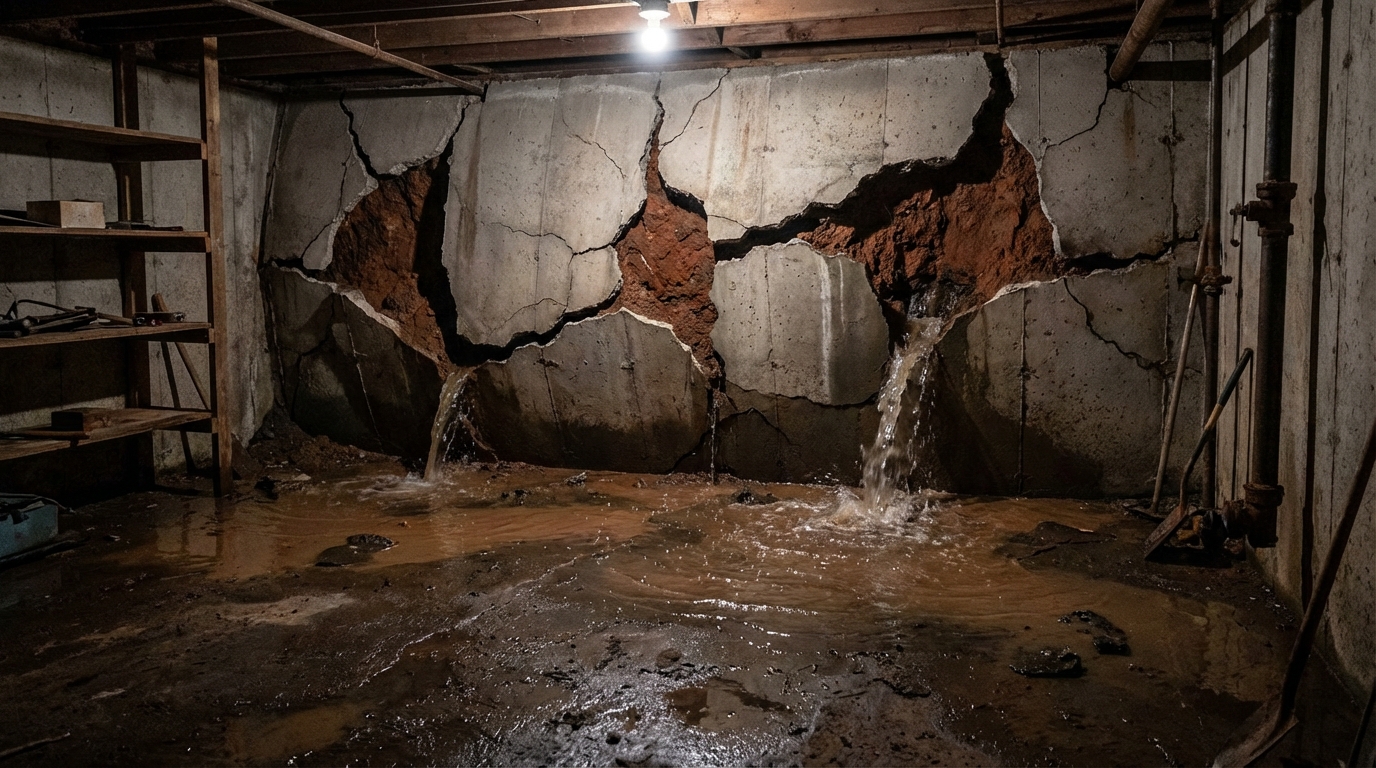
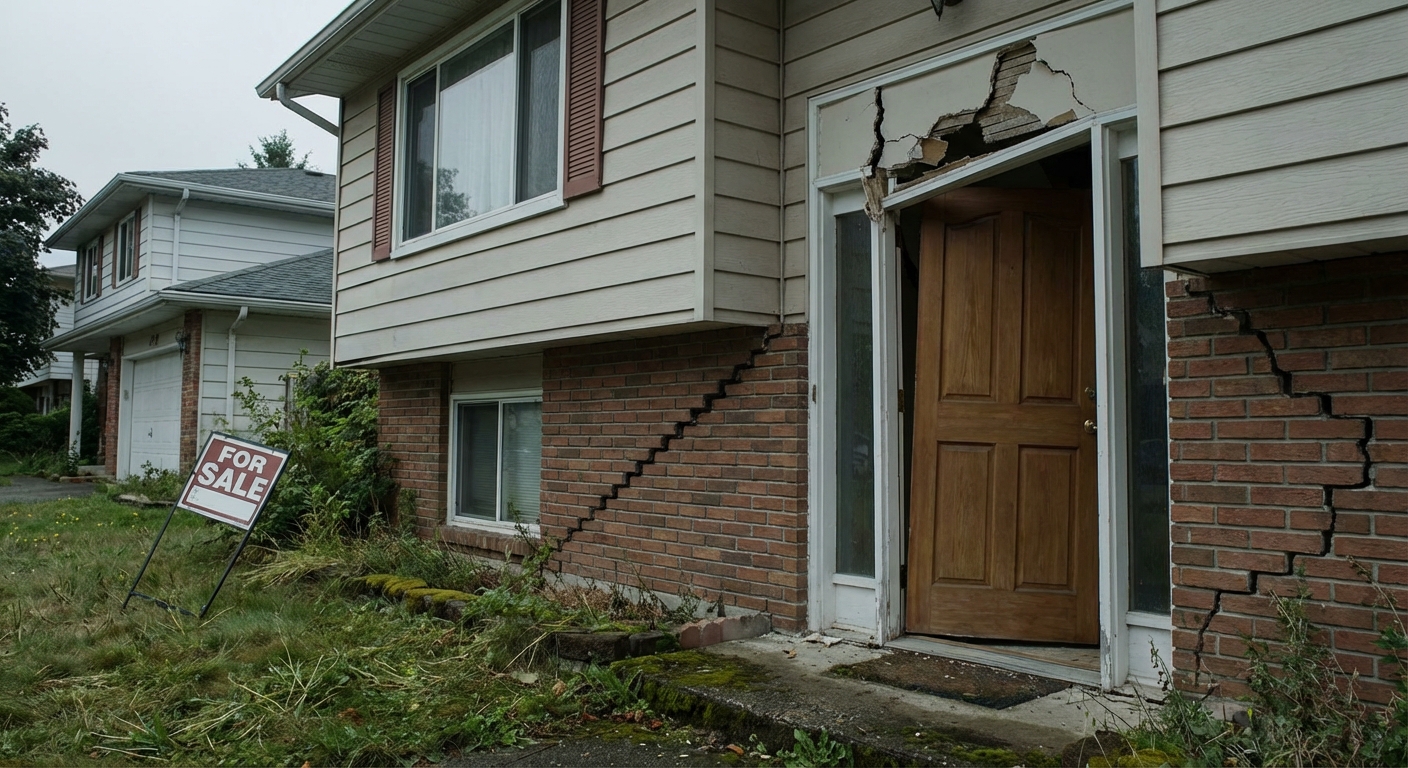
– **Cracks in Walls or Floors**: Fine cracks may not be a cause for alarm, but large, jagged cracks, particularly those that are wider than a quarter-inch, can indicate serious issues.
– **Doors and Windows that Stick**: If you find yourself wrestling with your doors and windows, it might be time to investigate potential foundation problems.
– **Uneven Floors**: If you feel like you’re living on a funhouse ride, check your floors. Sloping or sagging can be a red flag.
– **Gaps Around Windows or Doors**: If you notice gaps between the frames and the wall, your house may be settling unevenly.
– **Chimney Tilt**: A chimney that’s leaning away from your house might be trying to tell you something about your foundation.
### The Importance of Timely Repair
When it comes to foundation issues, procrastination is not your friend. Ignoring the signs can lead to increased damage, which translates into higher repair costs. Additionally, foundation problems can affect other areas of your home, leading to issues with plumbing, electrical systems, and even your insurance coverage.
Consider this: if your foundation decides to throw a tantrum, everything above it might just start wobbling. This cascade of issues can result in substantial repair bills—definitely not the kind of renovation project you want to undertake.
### Foundation Repair Methods
When you’ve identified a problem, it’s time to consider your repair options. Here are some common foundation repair methods, each suited for different scenarios:
1. **Slabjacking**: This method involves injecting a mixture beneath your concrete slab to raise it back to its original height. It’s a bit like giving your foundation a lift, and the process is relatively quick.
2. **Piering**: When your foundation is sinking, piers can be driven deep into the ground beneath your home, providing added support. Think of it as creating a stronger cone for your ice cream!
3. **Wall Anchors**: If your walls are bowing inward, wall anchors can be installed to pull them back into place. It’s like bringing a wayward wall back into line.
4. **Foundation Replacement**: In cases of severe damage, it may be necessary to replace the entire foundation. This is typically only a last resort, as it can be both time-consuming and expensive.
5. **Drainage Solutions**: Installing French drains or improving your gutter system can prevent future issues related to poor drainage. It’s like giving your foundation a raincoat!
### DIY vs. Professional Help
You might be feeling brave and considering tackling foundation repairs yourself. While some minor fixes (like sealing cracks) can be suitable for the average homeowner, many foundation issues require professional expertise. It’s crucial to know your limits; after all, nobody wants to be the star of a DIY gone wrong video.
Hiring a qualified foundation repair contractor is worth the investment, as they have the tools, experience, and knowledge to accurately diagnose and fix foundation problems. Be sure to do your research, check reviews, and ask for references before making your selection. Don’t forget to get multiple estimates to ensure you’re getting a fair deal without sacrificing quality.
### Preventive Measures
Once you’ve tackled any current foundation issues, your next goal should be preventive measures. Here are some tips to help maintain your foundation’s health:
1. **Maintain Proper Drainage**: Ensure that water is diverted away from your foundation. Regularly clean gutters and downspouts, and consider landscaping that slopes away from your home.
2. **Monitor Soil Moisture**: Keeping an eye on the moisture levels around your home can help prevent soil movement. Investing in a moisture meter can be a helpful tool.
3. **Plant Wisely**: Avoid planting large trees close to your foundation. Instead, consider shrubs or smaller plants that won’t disrupt the soil.
4. **Regular Inspections**: Schedule annual inspections of your foundation, especially if you live in an area prone to extreme weather conditions. Early detection can save you big bucks down the line.
5. **Repair Minor Cracks Promptly**: Don’t ignore small cracks. Sealing them early can prevent larger problems from developing.
### Conclusion
In conclusion, foundation repair may sound like a daunting topic filled with technical jargon and hefty price tags, but it doesn’t have to be overwhelming. By understanding your foundation, recognizing the signs of trouble early, and knowing how to address issues appropriately, you can protect your home from the lurking threat of structural damage.
Remember, the key to a strong foundation is vigilance and timely action. So, keep an eye on your home, maintain your foundation’s health, and you can enjoy your slice of property pie without worrying about it collapsing under pressure. Trust me, your house will thank you for it!