
Essential Guide to Foundation Repair: Protecting Your Home from Structural Damage
When it comes to homeownership, nothing quite brings a smile to your face like the sight of cracks in your foundation—or maybe it’s more of a grimace? Whether you’re a seasoned homeowner or a novice diving into the joys of property management, understanding foundation repair is essential for protecting your investment. So, grab your favorite mug (preferably filled with something warm and comforting) as we explore the ins and outs of keeping your home’s foundation strong and stable.
Understanding Your Foundation
Before jumping headfirst into the world of repairs, it’s important to know what’s beneath your feet. The foundation is the bedrock of your home—quite literally! It holds up everything above it and ensures that your house remains standing tall against various challenges, including weather elements and ground movements. Here are the most common types of foundations:
1. **Basement Foundations**: These include full basements, which provide additional living space, and crawl spaces. A good basement is like a ninja: it’s hidden away but ready to support when needed.
2. **Slab Foundations**: A slab is a concrete layer poured directly on the ground. It’s a cost-effective option, but if cracks develop, things can get tricky faster than you can say “DIY disaster.”
3. **Pier and Beam Foundations**: This involves concrete piers embedded in the ground and wooden beams supporting the structure. Think of it like stilts for your home; it keeps it elevated and away from moisture.
Recognizing the Signs of Foundation Problems
Like a superhero has his Spidey-sense, homeowners must be attuned to signs of trouble. Here are a few telltale indicators that your foundation might need attention:
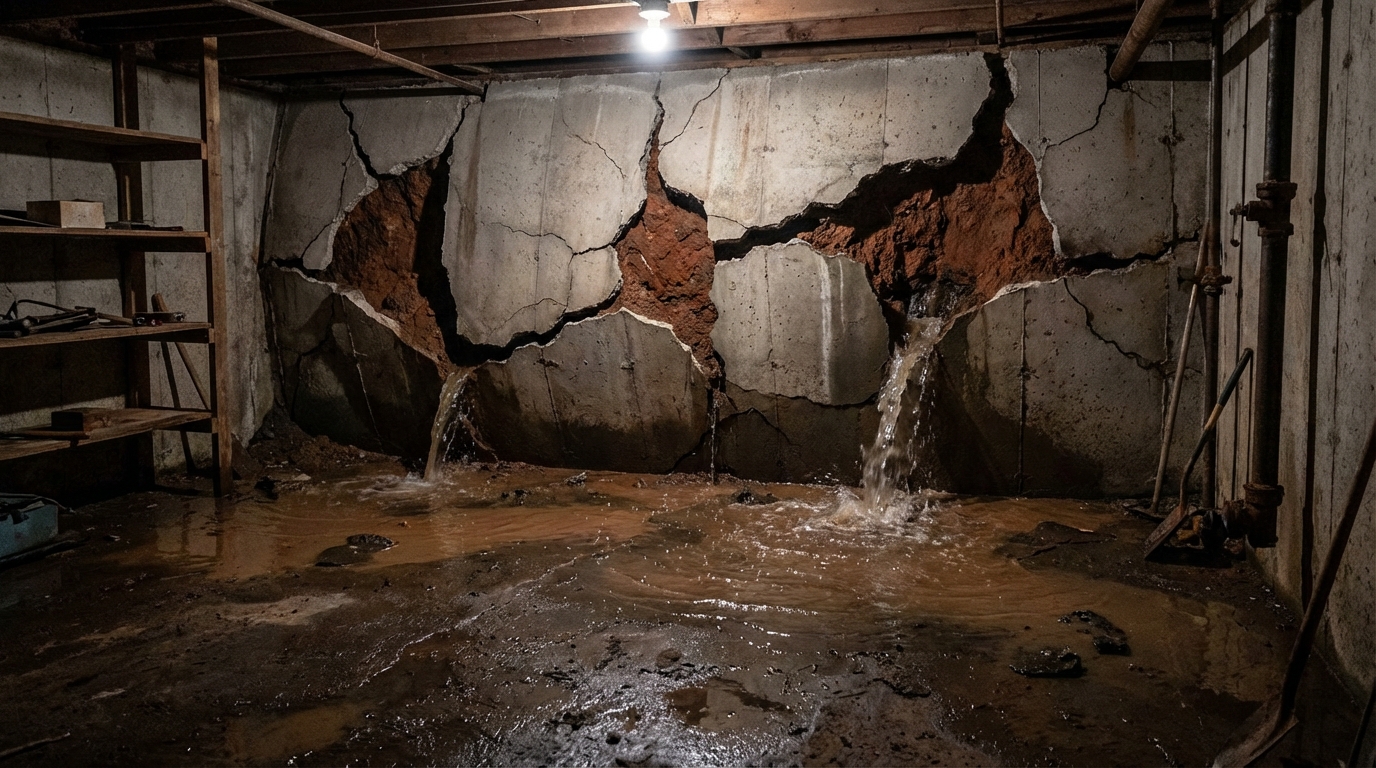
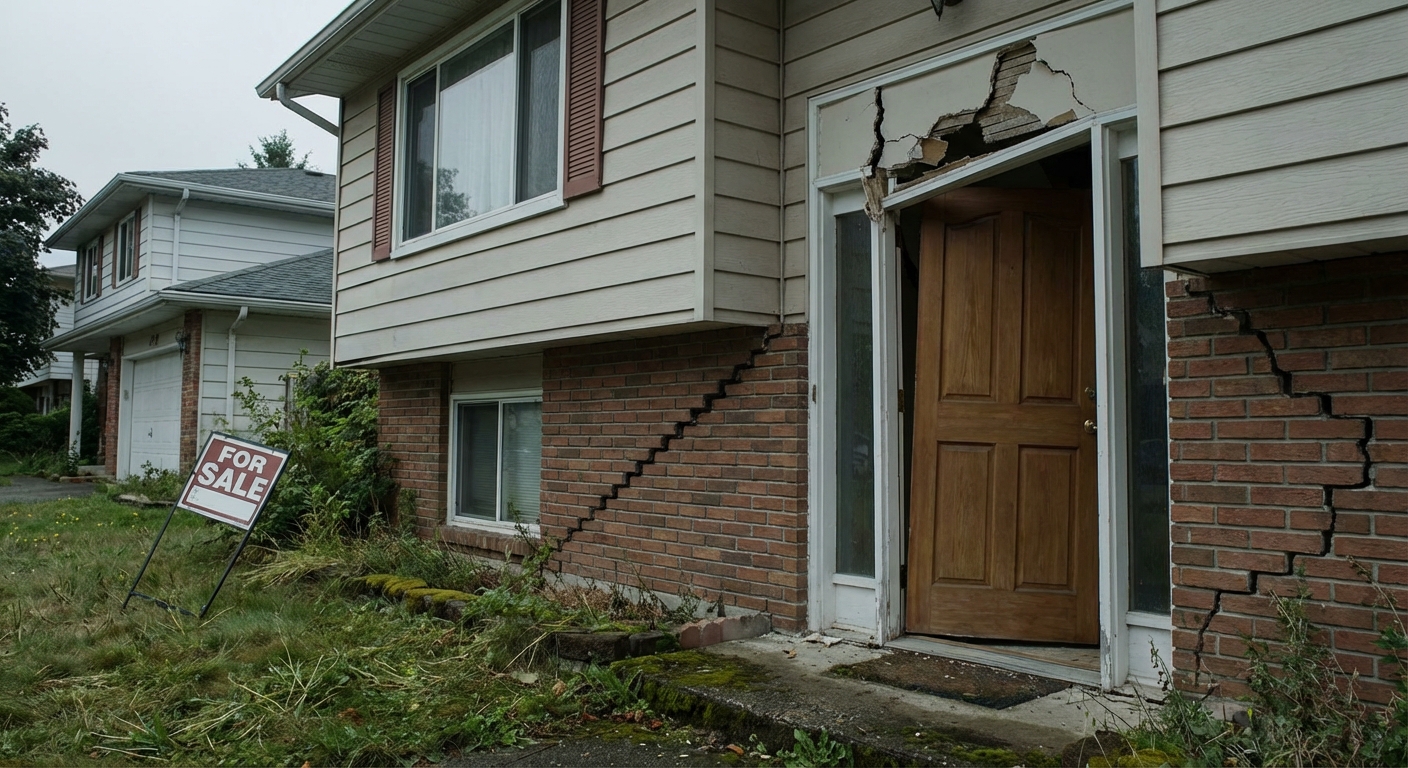
– **Cracks in Walls or Floors**: Hairline cracks can be normal, but large gaps resembling the Grand Canyon? Not so much.
– **Doors and Windows**: If they stick, don’t close properly, or swing open on their own (cue ghostly music), your foundation might be shifting.
– **Uneven Floors**: If you suddenly feel like you’re starring in your own version of “Fun House,” it’s time to investigate.
– **Gaps Around Windows and Doors**: Notice any daylight peeking through where it shouldn’t? This might indicate movement in the foundation.
– **Water Accumulation**: Puddles forming in your basement or around your home can signify drainage issues related to your foundation.
If you observe any of these symptoms, it’s best to act swiftly—much like when you smell cookies baking and want to beat everyone else to the kitchen.
Causes of Foundation Damage
You might wonder what could possibly cause your once-sturdy foundation to flinch. Several factors can lead to damage:
– **Soil Movement**: The soil under your home expands and contracts with changes in moisture. Too much water? It’s like a sponge. Too little? It turns into a brick.
– **Poor Drainage**: If water doesn’t flow away from your home, it can create pressure against the foundation. Think of it like being stuck in a crowded elevator.
– **Tree Roots**: Beautiful shade trees can sometimes turn villainous. Their roots may burrow into the foundation, causing cracks and structural stress.
– **Heavy Loads**: Overloading areas of your home can put stress on your foundation. Remember, your foundation isn’t a superhero; it can only bear so much weight.
– **Seismic Activity**: If you live in an area prone to earthquakes or tremors, even the best foundations can take a hit.
Now that you know what can go wrong, let’s discuss how to fix those pesky issues.
Foundation Repair Methods
When it comes to fixing your foundation, there’s no one-size-fits-all solution. Here are some of the most common methods used by professionals:
1. **Underpinning**: This method is used to strengthen and stabilize existing foundations. It usually involves extending the foundation depth or breadth into deeper soils. Think of it as giving your home some sturdy shoes!
2. **Piering**: This involves installing piers under the foundation to lift and support it. They can be steel, concrete, or even helical piers, depending on the situation. Imagine giving your home a boost akin to a caffeine shot!
3. **Slabjacking**: Also known as mudjacking, this technique involves injecting a mixture under the slab to raise it back to its original position. It’s a quick fix that’s a little like giving your floor the TLC it deserves.
4. **Drainage Solutions**: Sometimes, the fix is as simple as improving drainage around your home. French drains, gutter systems, and downspout extensions can significantly alleviate water issues. Keep that water flowing away from your foundation like it’s hitting the open road!
5. **Retaining Walls**: If soil erosion is a concern, building a retaining wall can help keep the earth in place and protect your foundation from shifting. It’s like building a fortress around your home!
Choosing the Right Foundation Repair Contractor
Finding a qualified contractor to address your foundation woes is crucial. Here are some tips to guide you through this process:
– **Do Your Research**: Look for companies with solid reputations and verified reviews. Online platforms can provide insights into customer satisfaction.
– **Get Multiple Estimates**: Shop around (like you would for a new couch) to see different approaches and prices. It’s a buyer’s market, after all!
– **Check Credentials**: Ensure the contractor has the right licenses, insurance, and experience. You wouldn’t let just anyone cut your hair, right?
– **Ask Questions**: Inquire about methods, warranties, and timelines. A good contractor will happily explain their approach, making sure you understand every step.
– **Trust Your Gut**: If a contractor feels off to you, listen to your instincts. It’s better to be safe than sorry!
Preventive Measures to Protect Your Foundation
Now that you’ve tackled any issues, let’s talk about how to prevent future problems:
– **Maintain Drainage**: Ensure gutters and downspouts direct water away from the foundation. Regular cleaning is essential; think of it as your home’s spring cleaning.
– **Watering Plants**: During dry spells, make sure your plants receive regular watering, particularly those near your foundation. But don’t overdo it; we don’t want a swamp either!
– **Monitor Tree Growth**: Keep an eye on nearby trees’ growth. If roots start pushing too close to your foundation, it might be time to intervene.
– **Control Soil Moisture**: Mulching and landscaping can help retain soil moisture balance, reducing drastic shifts in expansion and contraction.
When to Seek Professional Help
If you notice any signs of foundation issues or suspect potential problems, it’s always better to err on the side of caution. Contacting a professional for an inspection can save you from future headaches and costly repairs. Just remember: the earlier you catch a problem, the easier it tends to be to fix.
Conclusion
Your home’s foundation is a vital aspect of its integrity, and understanding the complexities of foundation repair is essential for safeguarding your investment. By recognizing the signs of potential problems, knowing the causes, and exploring repair options, you’re well-equipped to protect your dwelling from structural damage.
And while you navigate this journey, don’t forget to keep that sense of humor handy—because while foundation repair may not be the most exciting topic, staying proactive and informed will get you through any rocky situation. Now go forth, armed with knowledge, and protect your home like the savvy homeowner you are!