
Essential Guide to Foundation Repair: Protecting Your Home’s Stability and Value
Your home is often your most significant investment, and like any investment, it needs to be protected. One of the most critical components of your home is its foundation. A solid foundation not only supports your home but can also make the difference between having a safe, secure living space and embarking on an expensive repair journey that could leave you feeling like you’re playing a game of Jenga with your finances. This guide will walk you through everything you need to know about foundation repair, from signs of trouble to how to choose the right professionals for the job.
Understanding Your Foundation
Before we dive into repairs, let’s take a moment to appreciate what your foundation does. Essentially, it bears the weight of your entire house, providing stability and a level surface for the structure above. Foundations are typically made from concrete, but they can also be constructed from stone, brick, or even wood. The type of foundation can affect how it settles and what problems might arise.
There are several types of foundations, including:
1. **Basement Foundations:** These provide additional living space and are popular in colder climates. However, they are also more susceptible to water damage.
2. **Crawl Space Foundations:** This type creates a small gap between the ground and the house. It allows for easy access to plumbing and electrical systems but can suffer from moisture issues.
3. **Slab Foundations:** This is a single layer of concrete poured directly onto the ground. While they are inexpensive and quick to lay, they can crack as the soil underneath shifts.
4. **Pier and Beam Foundations:** Comprising piers that support beams, this type elevates the home above the ground, making it easier to handle moisture and pests.
Recognizing the Signs of Foundation Issues
Just like a sneeze might be the first sign of a cold, there are several indications that your home might be suffering from foundation problems. Being vigilant can save you headaches (and dollars) down the road. Here are some telltale signs to watch out for:
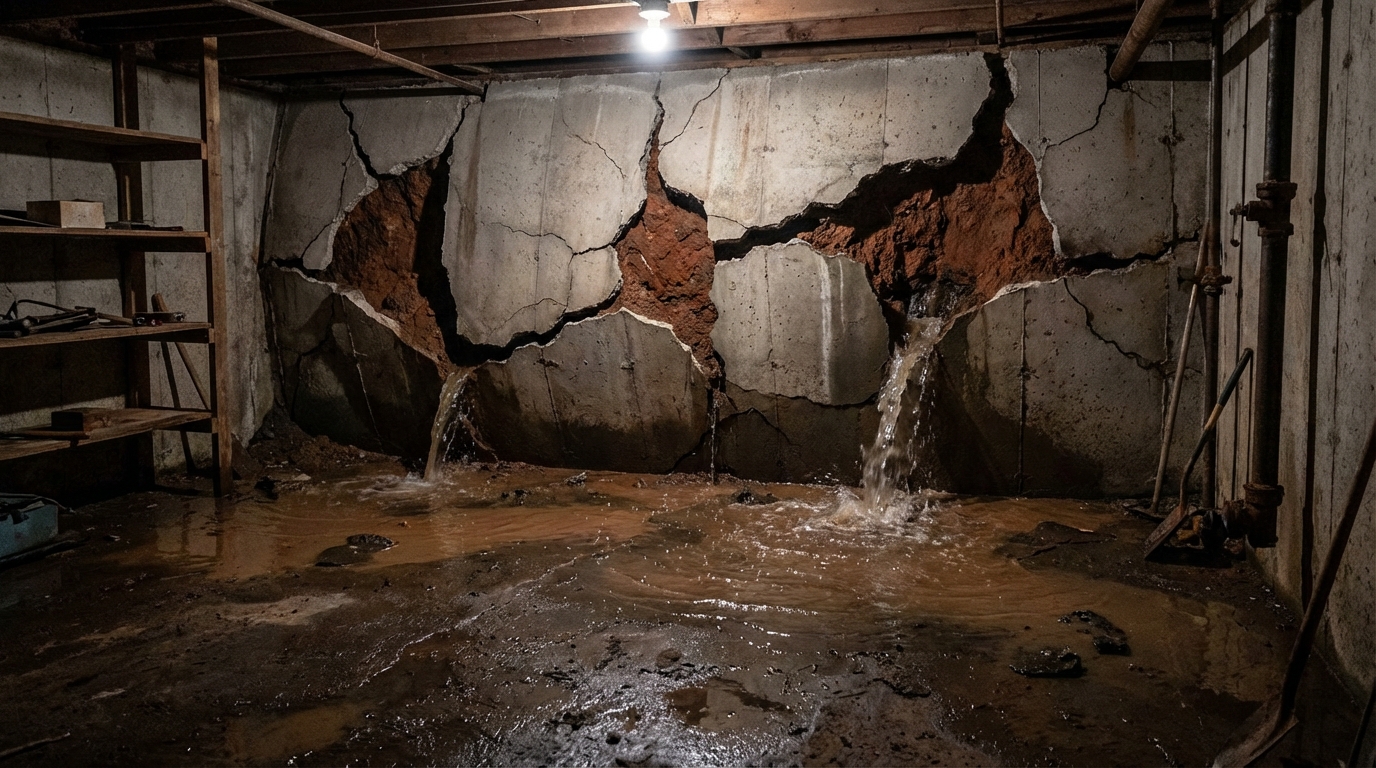
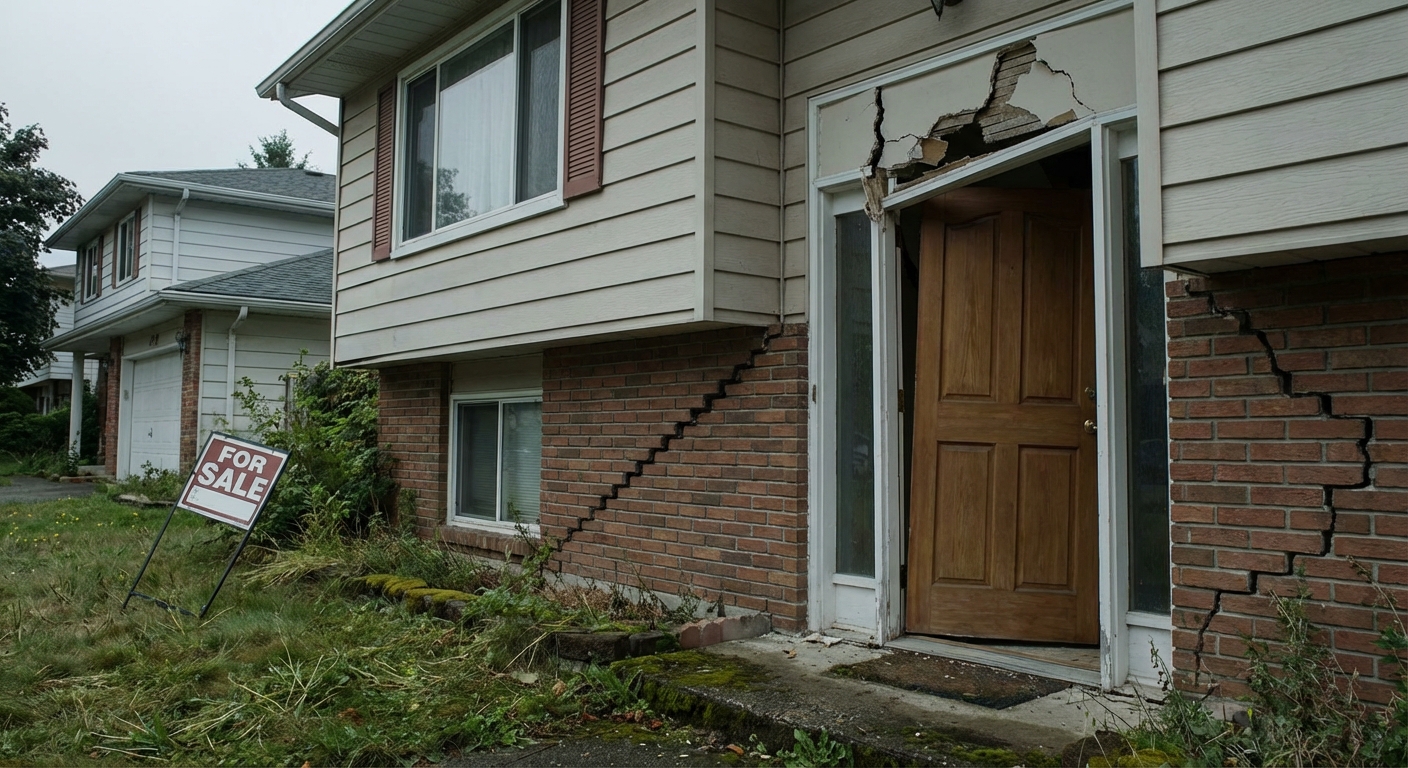
– **Cracks in Walls or Floors:** Hairline cracks might be normal, but cracks wider than a quarter inch can indicate serious foundation issues. If the cracks are also separating drywall, it’s time to investigate further.
– **Doors and Windows That Stick:** If your doors and windows are suddenly harder to open or close, it may mean your house is settling unevenly.
– **Uneven Floors:** A sloping floor might feel charming at first, but it’s likely a sign that your foundation is shifting. You don’t want to feel like you live in a funhouse!
– **Gaps Around Doors and Windows:** If you notice gaps appearing around the frames of doors or windows, it might indicate that your foundation has settled or shifted.
– **Bowing Walls:** Interior walls should be straight and sturdy. If they’re bowing, buckling, or leaning, it’s time to call in the experts.
– **Moisture Issues in the Basement or Crawl Space:** Water intrusion can weaken your foundation over time. If you spot signs of moisture, rectify them quickly before it leads to bigger problems.
– **Separation from the Foundation:** If you see separations between the foundation and the wall, this could spell trouble. It’s a cry for help from your house!
The Causes of Foundation Problems
Understanding what causes foundation issues can empower you to prevent them—or at least mitigate their impact. Common culprits include:
– **Poor Drainage:** If water isn’t draining away from your foundation, it can cause the soil to erode or expand, leading to stability issues.
– **Soil Movement:** Different types of soil react differently to moisture. Clay soils, for example, expand when wet and shrink when dry, which can create instability for a foundation.
– **Tree Roots:** While trees provide shade and aesthetic value, their roots can dig deep and disturb the soil supporting your foundation, leading to shifting.
– **Heavy Rainfall or Drought:** Excessive rainfall can saturate the soil surrounding your foundation, while prolonged drought can cause the ground to shrink, both of which can lead to shifting.
– **Construction Issues:** Poorly built foundations or those not anchored properly to the ground can lead to a range of problems.
The Foundation Repair Process
If you’ve confirmed you have foundation issues, don’t panic! There are several repair methods available, depending on the severity and cause of the problems. Here are some common techniques:
1. **Foundation Piers:** This method involves installing piers beneath the foundation to support it. These piers can be made from steel or concrete and help stabilize a sinking foundation.
2. **Slab Jacking:** If you have a slab foundation that has sunk, slab jacking involves injecting a mixture under the slab to raise it back to its original level.
3. **Wall Anchors:** For bowing basement walls, wall anchors can be installed to stabilize and straighten the walls.
4. **Beams and Posts:** Adding support beams and posts can help distribute weight more evenly and support sagging areas of the home.
5. **Drainage Solutions:** Improving drainage around your foundation (like installing gutter extensions or grading your yard) can prevent future issues.
Choosing the Right Foundation Repair Professional
When it comes to foundation repair, you’ll want to ensure you’re working with reputable contractors who understand the ins and outs of the job. Here are some tips for choosing the right professional:
– **Do Your Research:** Look for companies that specialize in foundation repair and have good reviews. Dive into the depths of the internet and read customer experiences—no one knows better than other homeowners.
– **Ask About Experience:** Don’t hesitate to ask how long the company has been in business and what types of foundation issues they typically handle.
– **Get Multiple Estimates:** A few quotes can help you gauge what is considered a fair price and help you avoid getting stuck in a costly trap.
– **Check Credentials:** Ensure the contractor is licensed, insured, and bonded. This protects you from liability and ensures they meet industry standards.
– **Warranty and Follow-Up Services:** A good company should offer warranties on their work and regular follow-up check-ups to ensure the problem has been solved effectively.
Preventative Measures to Keep Your Foundation Safe
Once you’ve repaired your foundation, it’s essential to take steps to maintain its integrity and prevent future issues. Here are some tips for protecting your foundation:
– **Ensure Proper Drainage:** Keep gutters clean and extend downspouts away from the foundation. Landscaping should slope away from your home to encourage water drainage.
– **Monitor Moisture Levels:** If you live in an area with fluctuating moisture levels, consider investing in a dehumidifier for your basement or crawl space.
– **Limit Tree Growth Nearby:** Keep an eye on any trees near your foundation. Sometimes, it’s best to remove trees that could threaten the stability of your home.
– **Regular Inspections:** Schedule periodic inspections of your foundation, especially after severe weather or significant changes in your landscape.
– **Careful Renovations:** If you plan on adding to your home, ensure any renovations won’t compromise the foundation by consulting with professionals.
In Conclusion
Your home’s foundation is more than just a concrete slab; it’s the cornerstone of your living environment. Keeping it stable and secure is vital not just for safety but also for maintaining your property’s value. By understanding the signs of foundation problems, knowing the causes, and being proactive about repairs and maintenance, you can protect your home from the ground up. Now go forth armed with knowledge about foundation repair, and may your home stand tall for years to come—without letting any cracks ruin your day!