
Essential Guide to Foundation Repair: Strengthening Your Home from the Ground Up
When it comes to owning a home, few things are as crucial as a solid foundation. After all, your house is quite literally built upon it! A sturdy foundation supports everything above it, ensuring that your home stays standing and safe. However, foundations can sometimes falter due to various factors, leading to cracks, uneven floors, and an array of other problems that can make you feel like your home is losing its battle against gravity. But fear not! In this essential guide to foundation repair, we’ll explore the signs of foundation issues, the types of repairs available, the costs involved, and some tips on how to maintain your foundation for years to come.
Understanding Foundation Problems
Before we dive into the nitty-gritty of how to repair a problematic foundation, it’s essential to understand what causes these issues in the first place. Foundations can suffer from a range of problems due to:
1. **Soil Movement**: Soil can expand when wet and shrink when dry. If your home is built on clay soil, you might find that seasonal changes cause significant fluctuations that can affect your foundation over time.
2. **Poor Drainage**: Water pooling around your foundation can lead to erosion and weakening of the structure. Installing proper drainage systems is crucial to keeping water away from your foundation.
3. **Tree Roots**: It’s nice to have shade in the summertime, but tree roots can wreak havoc on your foundation if they grow too close. They can absorb moisture from the soil, causing it to dry out and shrink, which can lead to settling.
4. **Construction Issues**: Sometimes, the problem lies with how the home was constructed. Poorly mixed concrete or inadequate support can lead to foundational weaknesses that become apparent over time.
5. **Natural Disasters**: Earthquakes, floods, and heavy rains can all cause serious damage to your foundation. If your area is prone to such calamities, it’s vital to take preemptive measures.
Spotting the Signs of Foundation Trouble
You can’t fix what you don’t know is broken. Recognizing the early signs of foundation issues is critical for preventing more extensive (and expensive) repairs later. Here’s what to look for:
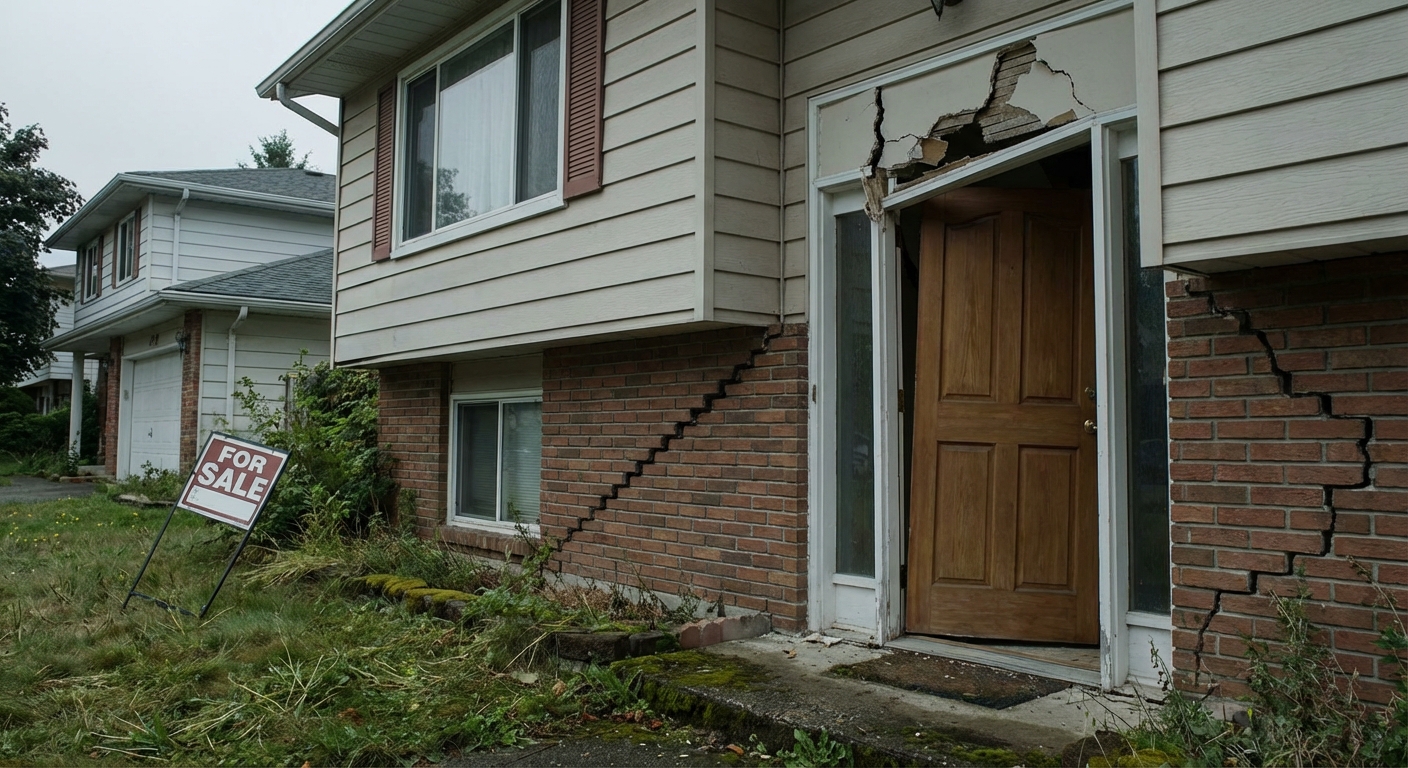
– **Cracks in Walls or Floors**: Small hairline cracks are generally normal, but larger cracks that widen over time can indicate significant foundation issues. Keep an eye out for cracks that are wider than a quarter-inch.
– **Uneven Floors**: Do you find yourself leaning slightly to one side while walking across your living room? Uneven floors can point to a sinking foundation.
– **Doors and Windows that Stick**: If your doors and windows are suddenly hard to open or shut, it could be a sign that your foundation has shifted.
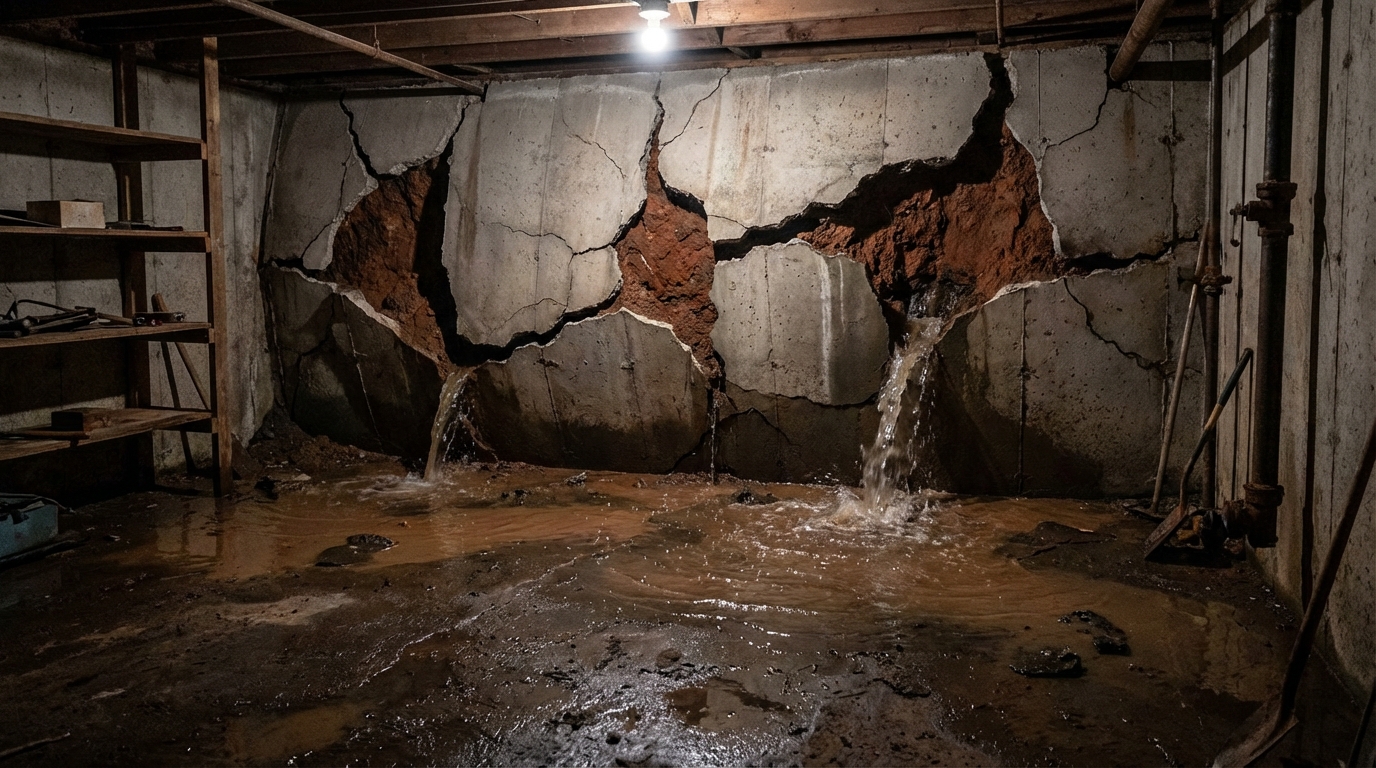
– **Bowed Walls**: If you notice walls that appear to be bowing inward, it might be a warning sign that your foundation needs professional attention.
– **Water in the Basement**: If you’re watching your favorite horror movie and suddenly discover an uninvited pool party in your basement, it’s time to take action.
Types of Foundation Repairs
If you’ve identified some alarming signs, don’t panic! There are various methods to address foundation issues, and many professionals can help. Here are some common foundation repair techniques:
1. **Piering**: This method involves the use of piers—heavy-duty steel or concrete columns—which are driven deep into the ground until they reach stable soil. The foundation is then lifted and stabilized using these piers.
2. **Slab Jacking**: This technique involves injecting a special polyurethane foam under a concrete slab to lift and level it. It’s often used for sunken patios or garage floors and can be a relatively quick fix.
3. **Wall Anchors**: For bowing or tilting walls, wall anchors can be installed to provide additional support and prevent further movement. Think of them as a friendly hug for your walls.
4. **Drainage Systems**: Installing proper drainage (like French drains) can alleviate water pooling around your foundation, mitigating one of the most common causes of foundation problems.
5. **Crack Injection**: Small cracks can be repaired by injecting a polymer or epoxy filler that waterproofs and strengthens the crack.
Evaluating Costs for Foundation Repair
Let’s talk money. It’s crucial to understand that costs for foundation repairs can vary significantly based on the severity of the issue, the method of repair, and your location. On average, homeowners can expect to pay anywhere from $2,000 to $7,000 for foundational support. Here’s a quick breakdown of estimated costs for various methods:
– **Piering**: $1,000 to $3,000 per pier
– **Slab Jacking**: $500 to $1,500 depending on the size of the area needing repair
– **Wall Anchors**: $400 to $1,200 for each anchor installed
– **Drainage Systems**: $1,500 to $5,000, depending on complexity
– **Crack Injection**: $300 to $1,000, depending on the number and size of cracks
Keep in mind that these are only rough estimates, and you should consult a foundation repair specialist for a more accurate quote tailored to your situation.
Finding the Right Specialist
When it comes to foundation repair, you want someone who knows their stuff. Here are some tips for finding a reliable foundation repair contractor:
– **Check Reviews**: Online reviews can be revealing. Look for contractors who have positive feedback from previous clients.
– **Get Multiple Quotes**: Don’t settle for the first estimate you receive. Get at least three quotes to compare services and pricing.
– **Ask for References**: A reputable contractor should be happy to provide references or examples of previous work.
– **Verify Credentials**: Ensure the contractor is licensed and insured. This protects you from liability in case something goes wrong.
– **Look for Warranties**: A good contractor will stand behind their work. Look for companies that offer warranties on repairs.
Maintaining Your Foundation
Once your foundation is repaired, you’ll want to keep it in tip-top shape to prevent future issues. Here are some proactive maintenance tips:
1. **Manage Landscaping**: Ensure that trees are planted at a safe distance from your foundation. Modify landscaping to divert water away from your home.
2. **Improve Drainage**: Regularly check gutters and downspouts to ensure they direct water away from your foundation. You may also want to consider installing a French drain system or a sump pump if water accumulation is a recurring problem.
3. **Monitor Moisture Levels**: If you live in an area with extreme weather changes, consider using a moisture meter to monitor changes in soil levels around your home.
4. **Inspect Regularly**: Conduct routine inspections of the interior and exterior of your home for any new cracks or signs of shifting. Catching issues early can save you money in the long run.
5. **Educate Yourself**: Knowledge is power. Understand the basics of your home’s structure and what to look out for regarding foundation health.
In Conclusion
Your home is your castle, and a strong foundation is the moat that keeps it standing tall. While foundation issues can be challenging and sometimes nerve-racking, understanding them makes them much more manageable. By recognizing the signs of trouble, knowing the repair options, being aware of costs, and taking preventive measures, you can ensure that your home remains a safe haven for years to come. So roll up your sleeves, do your research, and keep that foundation strong. After all, your house deserves the best—because when the ground starts moving, the last thing you want is for your home to lose its footing!