
Essential Tips for Homeowners: Choosing the Right Foundation Repair Solutions
When it comes to homeownership, keeping your house standing tall and proud is essential. After all, a home is not just a roof over your head; it’s also an investment and a sanctuary. One critical aspect of maintaining your home’s integrity lies beneath your feet—quite literally! That’s right; we’re talking about your foundation. A solid foundation is crucial for a safe and stable home. However, sometimes even the sturdiest homes face foundation issues. If you’re reading this, there’s a chance that your foundation might be sending some alarm signals. Don’t panic! We’ve got essential tips for homeowners like you on how to choose the right foundation repair solutions.
Understanding Why Foundation Issues Happen
First things first: let’s talk about why your foundation might need some TLC. Several factors can lead to foundation problems, such as:
– **Soil Movement**: Soil expands when wet and shrinks when dry. This shifting can cause your foundation to crack or settle.
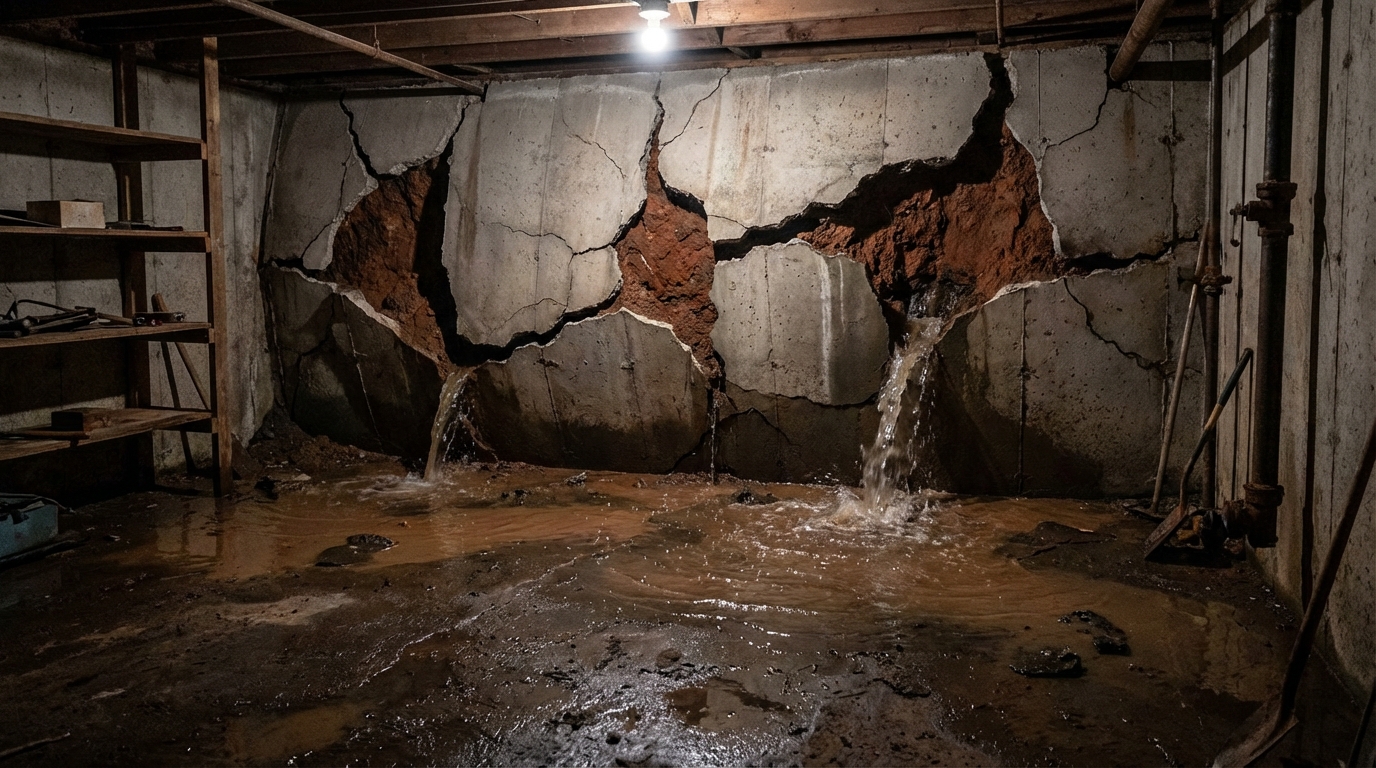
– **Poor Drainage**: Water pooling around your foundation can lead to erosion and structural issues.
– **Tree Roots**: Those lovely trees in your yard might be causing havoc underground. Their roots can absorb moisture, leading to soil shrinkage.
– **Poor Construction**: Sometimes, your foundation issues are simply due to inadequate construction practices. Think of it as your house wearing a pair of poorly fitted shoes.
Now that we’ve established that foundation issues are a reality for many homeowners, let’s dive into the essential tips for choosing the right repair solutions.
Tip 1: Identify the Signs of Foundation Problems
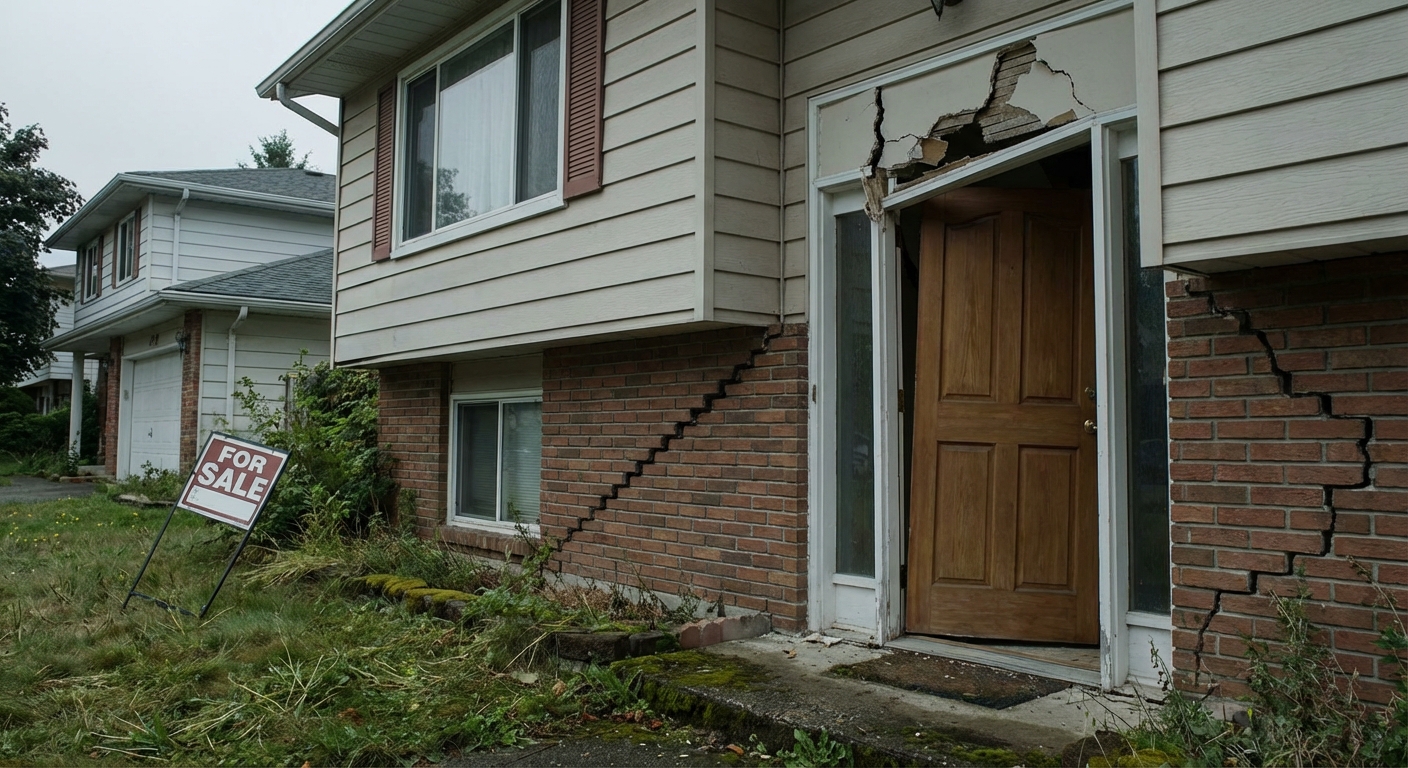
Before you can choose a repair solution, you need to recognize the signs of foundation trouble. Here are some red flags to watch out for:
– Cracks in the walls or floors
– Doors and windows that stick or won’t close properly
– Uneven floors that feel more like a funhouse than a home
– Gaps between the walls and the ceiling
– Sloping or tilting house structure
If you notice any of these issues, it’s time to take action. Don’t wait until your home resembles a Picasso painting before you seek help!
Tip 2: Research Your Options
Once you’ve identified that there’s trouble brewing underfoot, it’s time to explore your repair options. There are several methods available, each with its benefits and considerations. Some common foundation repair solutions include:
– **Piering**: This method involves placing steel piers or helical piers beneath the foundation to lift and stabilize it. Think of it as giving your foundation a nice set of stilts to walk on.
– **Slabjacking**: If you have a concrete slab foundation, slabjacking raises sunken concrete by injecting a mixture under it. It’s like giving your foundation a little boost of confidence.
– **Wall Anchors**: For bowing or leaning walls, wall anchors provide lateral support and can help straighten things out. Imagine them as a personal trainer for your walls.
– **Drainage Solutions**: Sometimes, the best form of attack is defense. Installing proper drainage systems, like French drains, can prevent water from wreaking havoc on your foundation.
Research these options thoroughly to understand what might work best for your specific situation.
Tip 3: Get Multiple Estimates
When it comes to foundation repair, you don’t want to settle for the first option you find (unless it’s a unicorn of a deal). It’s crucial to get multiple estimates from different contractors. This process allows you to compare prices, services, and solutions. Be sure to ask detailed questions about what each contractor proposes and how they plan to execute the repairs.
When you receive these estimates, look out for red flags:
– Extremely low bids may indicate subpar materials or cutting corners.
– Vague descriptions of the work being performed could mean the contractor isn’t equipped to handle your specific problem.
With all of this information, you’ll have a clearer picture of what’s involved—and what it’s going to cost.
Tip 4: Check Credentials and Reputation
Not all heroes wear capes, but they should come with credentials. Before hiring a contractor for your foundation repair, check their licensing and insurance. You want someone who is not only skilled but also legally able to do the work. Additionally, look for reviews online or ask for references. A trustworthy contractor should be able to share their past successes—think of them as your foundation’s cheerleader.
Tip 5: Understand the Warranty
A warranty is like a security blanket for your repair investment. It gives you peace of mind knowing that if something goes awry, you’re covered. When discussing potential contractors, inquire about the warranties they offer. Understand what the warranty covers and for how long. Some warranties cover the workmanship for a specified period, while others cover materials used. Make sure you know the details so you can rest easy once the repairs are made.
Tip 6: Be Prepared for Possible Disruption
Foundation repair can be a bit intrusive—after all, you’re working with the very ground your house rests upon! Be prepared for potential disruptions during the repair process. Depending on the solution chosen, you may experience noise, dust, and general chaos (think of it as having a house full of busy ants). Clear out the areas surrounding the work site and make plans for any pets or kids that need to stay out of the way.
Tip 7: Invest in Preventative Measures
Once your foundation has been repaired, it’s time to think long-term. Investing in preventative measures will ensure your foundation stays in tip-top shape. Here are some tips to keep your foundation happy:
– **Proper Drainage**: Ensure that your gutters are clean and that downspouts direct water away from your foundation. A little diversion goes a long way!
– **Watering the Yard**: During dry periods, make sure to water your yard consistently to maintain soil moisture. Just don’t create a swimming pool!
– **Landscaping Awareness**: Be mindful of large trees near your foundation. While they’re beautiful, their roots can cause issues. Consider landscaping that won’t compete with your foundation for nutrients and moisture.
Tip 8: Trust Your Instincts
While expert advice is invaluable, don’t underestimate your own instincts. If something doesn’t feel right—whether it’s a contractor’s pitch, a proposed solution, or the overall atmosphere—trust your gut. Your home is a significant investment, and you deserve to feel confident in the choices you make.
Tip 9: Stay Informed About Your Foundation
Knowledge is power! After your repairs, keep an eye on your foundation’s condition and understand regular maintenance habits. By staying informed, you’ll be better prepared to spot early signs of potential troubles ahead.
Tip 10: Know When to Call in the Big Guns
Sometimes, DIY fixes aren’t enough, and when your foundation feels like it’s trying to compete in a bad circus performance, it’s time to call in the pros. If you’re ever in doubt about your foundation’s stability or repair needs, don’t hesitate to consult a foundation specialist. They can provide professional insight tailored to your unique situation.
Final Thoughts
Choosing the right foundation repair solutions is no light task, but with the right knowledge and preparation, you can tackle those foundation woes head-on. Remember, a well-maintained foundation means a secure, stable home where you can build memories (or at least enjoy a good glass of wine without the risk of spilling it all over the uneven floor).
By following these essential tips, researching your options, and trusting qualified professionals, you’ll ensure your home remains a fortress against the elements. So go ahead, put your best foot forward—just make sure it’s firmly planted on a solid foundation!