
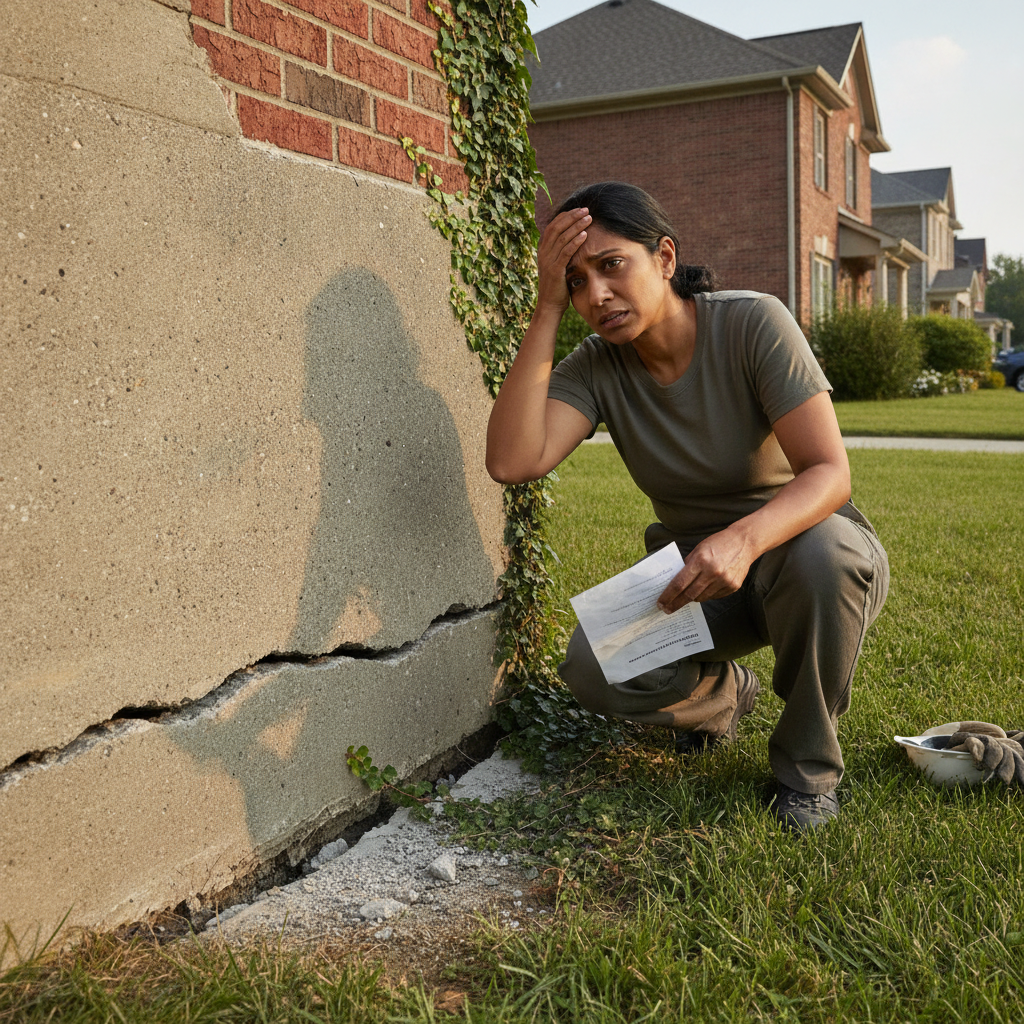
Picture this: It’s a crisp September morning here in Charlotte, you’re enjoying your coffee, maybe even planning some fun fall activities, and then you spot it. A nasty crack snaking across your foundation. Your heart sinks a little, right? Suddenly, thoughts of pumpkin patches are replaced with visions of costly repairs and a whole lot of stress. I think we’ve all been there, that moment when your home, your safe haven, throws you a curveball. If you’re a homeowner in Charlotte and you’ve spotted some suspicious lines on your foundation, you’re probably already thinking about what comes next… and maybe even wondering about foundation crack repair insurance claim Charlotte NC advice.
Honestly, dealing with foundation issues is tough enough without throwing insurance companies into the mix. It can feel like you’re trying to solve a puzzle with half the pieces missing. Will they cover it? How much? What even counts as damage? It’s a lot to navigate, and that’s why I wanted to chat about it today. The truth is, whether your insurance steps in to help with foundation crack repair depends on a few key things, and getting it right can save you a ton of heartache (and money).
The Root of the Problem: Understanding Your Policy
So, here’s where most people get stuck. Not all foundation damage is created equal in the eyes of your insurance provider. Most standard homeowner policies cover “sudden and accidental” damage. What does that mean for your foundation?
- Sudden & Accidental: Think a burst pipe under your house causing immediate damage, or maybe a car driving into your foundation. (Hopefully, not that last one!)
- Not Covered (Usually): Gradual issues, like settlement over time, wear and tear, or damage from soil movement due to droughts or floods, are typically *not* covered. Earthquakes are usually a separate rider.
But here’s the kicker: Water damage is often a gray area. If a sudden drainage issue causes your soil to wash away and your foundation cracks, that *might* be covered. But a slow leak over years causing erosion? Probably not. It’s a subtle but important difference, and it’s where getting good advice really comes in handy.
Your First Steps for a Foundation Crack Repair Insurance Claim
If you’re staring at a crack and thinking about an `insurance claim`, don’t panic. Here’s a little insider insight on what to do first:
- Document Everything: Seriously, pull out your phone and take pictures and videos from every angle. Date them. Keep a log of when you first noticed it, any changes, and what the weather has been like. The more evidence you have, the better.
- Review Your Policy: Before you even call anyone, grab your insurance policy and actually read it. Look for sections on “foundation damage,” “water damage,” or “earth movement.” It’s dense, I know, but knowing what it says (or doesn’t say) will make you much more confident.
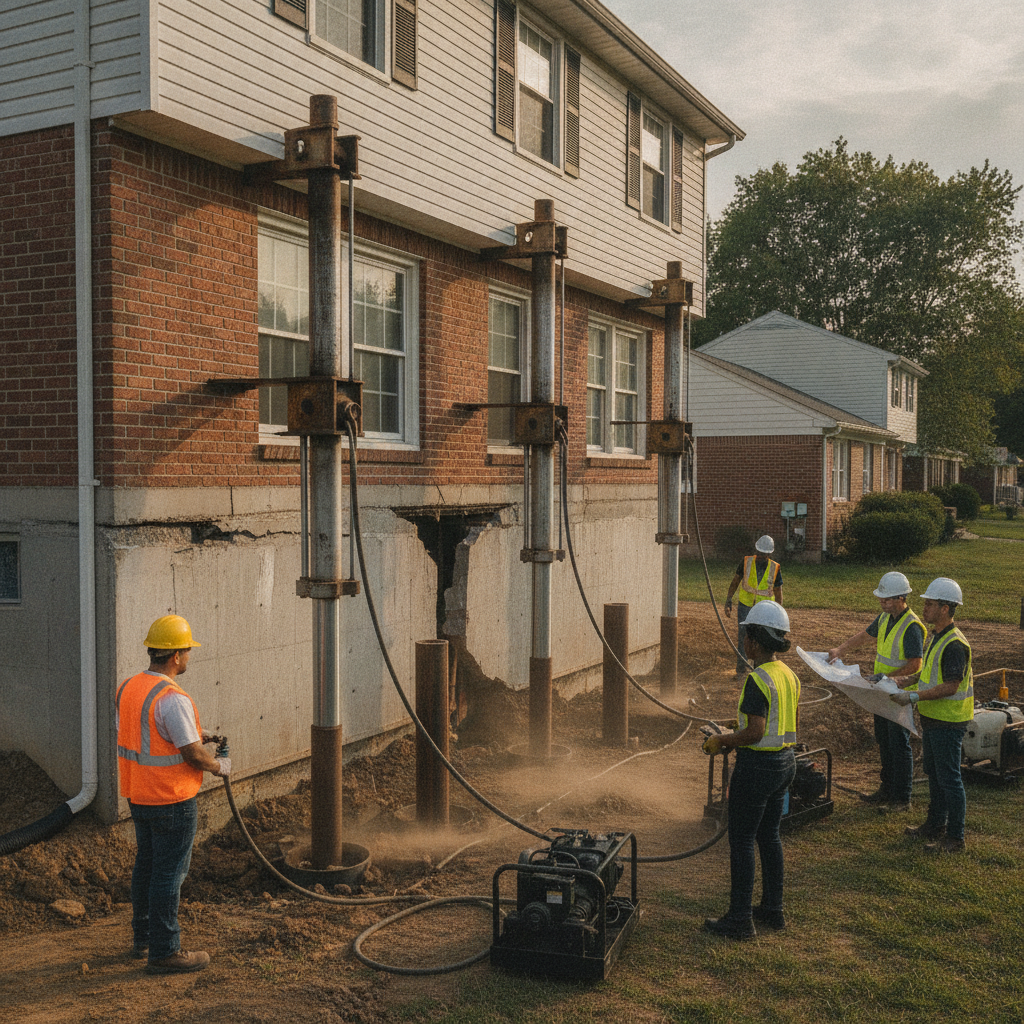
- Contact a Foundation Expert First: This might seem backward, but trust me. Before calling your insurance company, get an assessment from a reputable professional like Piedmont Foundation Repair. They can tell you the cause of the crack, its severity, and what kind of repair it needs. This expert opinion is invaluable when talking to your insurer. Plus, Piedmont Foundation Repair offers free inspections, so you’ve got nothing to lose by getting their take first.
- Then, Call Your Insurer: Once you have an expert opinion and you understand your policy a bit better, then it’s time to call your insurance agent. Present them with all your documentation and the assessment from Piedmont Foundation Repair. Be clear and concise.
A Real-Life Moment: The Taylors’ Story in Charlotte
I was chatting with a client, Sarah Taylor, from the Dilworth neighborhood in Charlotte a while back. She discovered a series of stair-step cracks in her brick veneer and knew something was off. She was worried sick about the cost and whether her insurance would help. Instead of calling her insurance right away, she remembered hearing about Piedmont Foundation Repair. She gave them a call, and they came out for an inspection. The team diagnosed the issue as settlement due to some long-term drainage problems (which her policy actually *didn’t* cover directly). However, they were able to give her a detailed report and a clear plan for repair. Armed with that knowledge, Sarah felt much more in control. She still called her insurer to understand her options, and while the major repair wasn’t covered, she learned about a small portion that was. And honestly, just knowing *what* was wrong and having a trusted company like Piedmont Foundation Repair ready to fix it took a huge weight off her shoulders. (It’s really all about peace of mind, isn’t it?).
What Happens Next
So, once you’ve made your claim and you’ve got an idea of what your insurance might cover (or not), the real work begins. If your claim is approved, great! You’ll work with your insurer on the next steps, often involving their adjusters and the repair company. If it’s denied, don’t give up immediately. You can appeal, especially if you have strong evidence from experts like Piedmont Foundation Repair that contradicts their initial findings. Sometimes, a detailed engineering report from a local Charlotte professional can make all the difference.
Here’s the big takeaway: Don’t face foundation cracks and insurance claims alone. It’s a complex situation, and getting the right `foundation crack repair insurance claim Charlotte NC advice` is key. My suggestion? If you see a crack, big or small, your first call should be to a local expert like Piedmont Foundation Repair. They can help you understand the problem, give you an honest assessment, and guide you through the repair process, making your journey from “oh no!” to “all fixed!” as smooth as possible. They’re local, they know Charlotte homes, and they’re there to help.