

Here’s the Backstory
Earlier this week, I was sitting in a little spot off South Boulevard in Charlotte, talking with a homeowner named Lisa.
She slid her phone across the table and said, “So… this engineer says I need a report before anyone touches my foundation.
But I have no idea what that’s going to cost me. Is this guy for real or just trying to run up the bill?”
If you’ve ever stared at a crack in your wall and thought, “Do I call a contractor or an engineer or my insurance or… what?”, you’re not alone.
And when you finally hear the phrase “You should get an engineering report”, the first thing that pops in your head is:
“Okay, but how much is this going to set me back?”
So let’s talk about the average cost of foundation engineering report North Carolina homeowners are actually seeing,
what you’re paying for, and how to avoid wasting money on the wrong thing.
Let’s Make This Simple
Before we toss numbers around, it helps to be clear on what this report really is.
A foundation engineering report is a written opinion from a licensed structural engineer about:
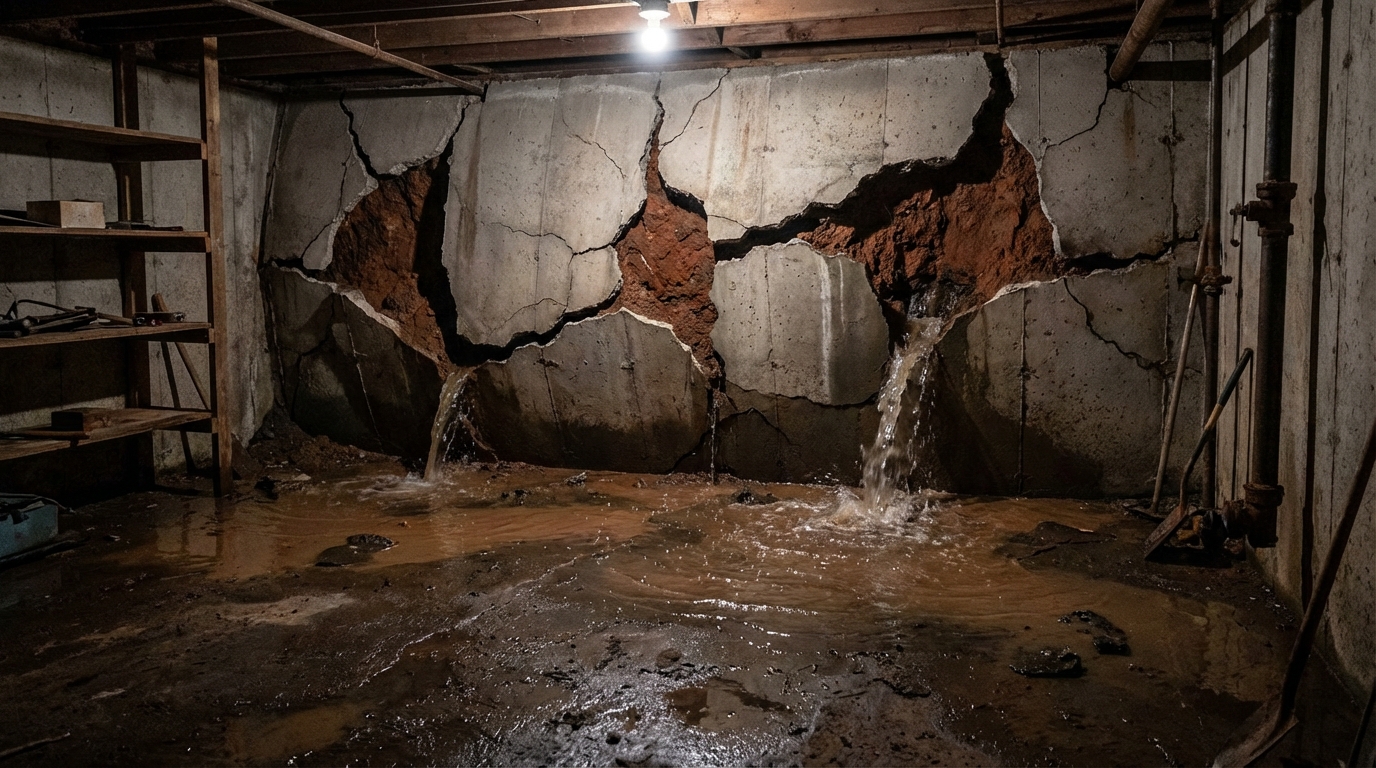
- What’s actually going on with your foundation or crawl space
- How serious it is (cosmetic vs. structural)
- What repairs they recommend
- Sometimes, whether it looks like a long-term settlement issue or a one-time event
Insurance companies, cities, and even some contractors lean on this report when decisions have to be made.
It’s basically the “doctor’s note” for your house.
Here’s the Truth About Cost in NC
Let’s cut to the chase. In North Carolina, a typical homeowner-grade foundation engineering report usually lands around:
- Low end: about $400–$500 for a simple, smaller home with a straightforward issue
- Average range: about $600–$900 for most single-family homes
- High end: $1,000+ for large or complex homes, basements, or homes needing extra analysis
Bigger cities like Charlotte, Raleigh, and Asheville tend to sit in the middle or high side of that range.
Smaller towns may cost a bit less, but not always. (Sometimes there’s a travel fee that bumps the price back up.)
I don’t know everything, but I can tell you this: if someone is quoting you $200 for a full engineering report,
that’s a red flag. On the flip side, if you’re in a normal 2,000 sq. ft. house and getting quotes over $1,500
for a basic crack and settlement review, I’d be asking a lot of questions.
Let’s Break This Down
Why does one person pay $500 and someone else pays $1,200? Here’s what usually drives the price up or down.
1. Type of Home and Access
- Crawl space with decent access: usually middle of the road.
- Slab-on-grade: sometimes simpler, sometimes not, depends on what’s visible.
- Full basement: can cost more, especially with retaining walls and tall foundation walls.
- Tight, muddy, or wet crawl spaces: expect more time on site = higher fee.
2. How Many Problems They’re Looking At
- One corner settling and a couple of cracks = simpler report.
- Cracks, sagging floors, moisture issues, and framing problems = more photos, more notes, more time.
3. Location and Travel
An engineer driving from Charlotte out to a more rural part of the state may quote a bit higher to cover drive time.
Same if you’re over in the mountains near Asheville or out toward Boone on a winding back road.
4. Depth of the Report
Not all reports are built the same. Some are “visual only”; others include calculations and repair drawings.
Here’s a quick comparison.
| Type | What You Get | Typical Use | Rough Cost Range (NC) |
|---|---|---|---|
| Visual Evaluation & Letter | Site visit + short letter with findings and basic recommendations | Real estate deals, minor cracking | $400–$700 |
| Full Engineering Report | Detailed notes, photos, cause analysis, repair recommendations | Ongoing settlement, foundation movement, sagging floors | $600–$1,000+ |
| Report + Repair Drawings | Full report plus stamped drawings/specs for contractors or city permits | Major structural repairs, permit-required work | $900–$1,500+ depending on complexity |
The Part No One Talks About: Insurance
This is where people get confused and, honestly, a little frustrated.
Most standard home policies in North Carolina do not cover long-term settling,
shrinkage, or “wear and tear” type foundation issues. That stuff is usually listed as excluded.
The policy is designed more for sudden, accidental damage.
So when folks ask about what foundation damage is covered by homeowners insurance in North Carolina,
the real answer is often:
- Might be covered: Damage caused directly by a covered event, like a burst pipe, fire, or vehicle impact.
- Usually not covered: Long-term settlement, poor drainage, soil movement over time, or construction defects.
And here’s the kicker: some insurance adjusters will ask for a structural engineering report
to decide if they’ll cover anything. That means you might pay out of pocket for the report,
even if the claim gets denied. Annoying? Yep. But it’s better than guessing.
A Quick Reality Check
So when does it actually make sense to spend the money on an engineer, and when can you skip it?
Good reasons to get a report:
- You’re seeing new or widening cracks in walls, brick, or foundation.
- Doors and windows are sticking and it’s not just humidity.
- Your floors are sloping enough that you can feel it when you walk.
- You’re buying or selling a home and someone flagged a structural concern.
- Your contractor says, “We really need an engineer to sign off on this.”
Maybe hold off for now if:
- The crack has been there for years and hasn’t changed.
- A contractor or inspector you trust thinks it’s cosmetic and gave you a clear explanation.
- You’re just curious and there’s no actual symptom or problem.
If you’re on the fence, one move I like: get a free or low-cost foundation inspection first,
and then decide if the engineer step is really needed. Sometimes it is. Sometimes… not so much.
A Story You’ll Relate To
Let me circle back to Lisa in Charlotte for a second.
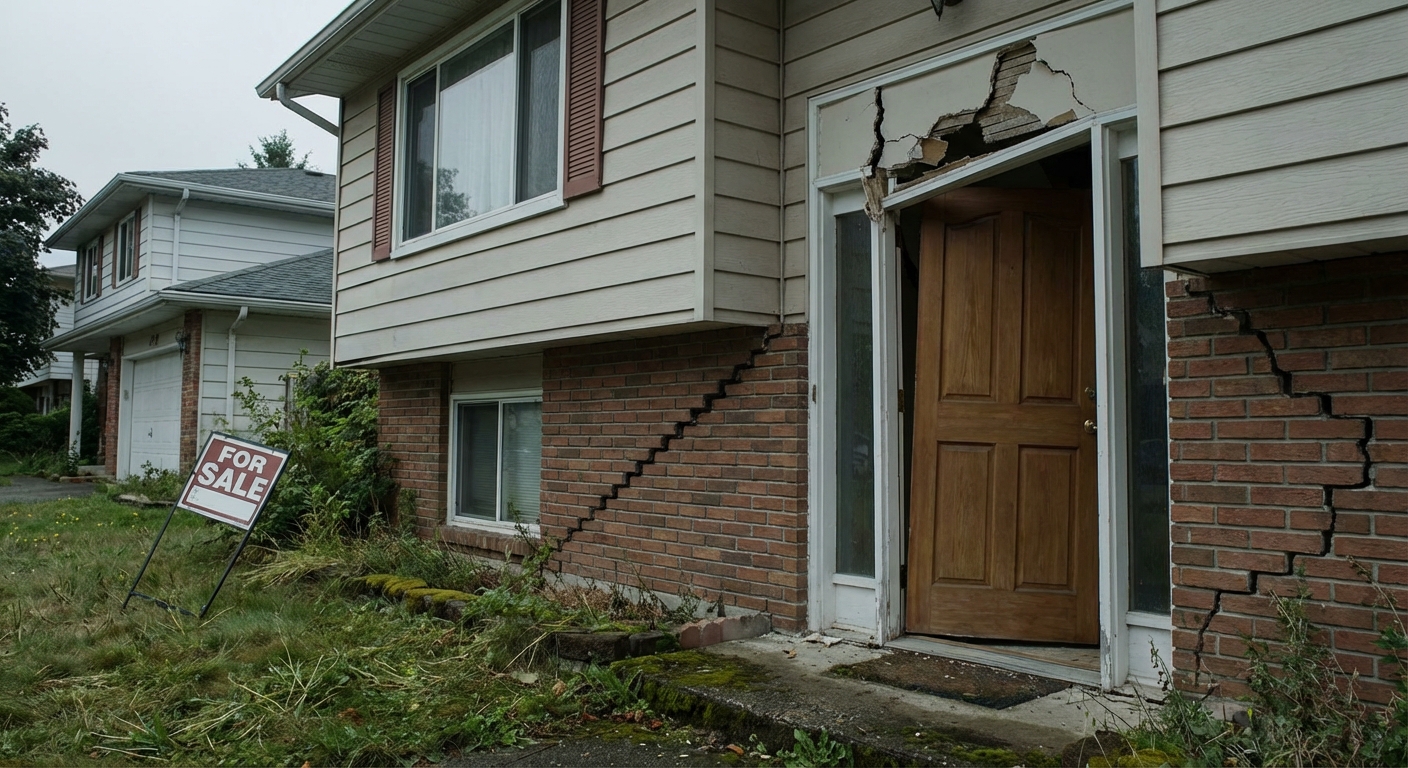
She had cracks in the brick, a couple of sticking doors, and some sloping in the front hallway.
Nothing was falling down, but it didn’t feel right. Her real estate agent (they were planning to sell in a year)
told her, “You should probably get an engineer in, or this is going to scare buyers.”
She called around and got quotes from three structural engineers:
- One at $450 for a quick inspection and letter
- One at $750 for a full report with photos and repair recommendations
- One at $1,200 that included potential drawings if repairs were needed
We talked through her situation and her plans to sell. She ended up going with the middle option.
The engineer spent about 90 minutes on site, crawled the crawl, took measurements, and a few days later
he sent a 12-page report with photos, notes, and recommended pier locations.
When the time came to list the house, she was able to show buyers:
- The engineer’s report
- The contractor’s repair proposal based on that report
- Receipts once the work was done
Her house still had a little history, but it didn’t feel “mysterious” anymore. That $750 turned into
peace of mind and smoother negotiations. And honestly, that’s usually what these reports really buy you.
Here’s What I Learned
After seeing a bunch of these situations across Charlotte, Greensboro, and even up around Winston-Salem,
a few patterns keep showing up.
- The report is cheapest when you use it early. Waiting until things are really bad usually means more time, more analysis, bigger fee.
- Cheapest isn’t always best. A vague, two-paragraph letter may not help with contractors, buyers, or insurance.
- Clarity saves money later. A clear report can keep you from paying for the wrong kind of repair.
- Not every crack needs a report. Sometimes a good inspection from a trusted pro is plenty.
What You Can Do Next
So, how do you move forward without feeling like you’re throwing money into a black hole?
-
Take photos and notes.
Document cracks, sticking doors, and sloping floors. Note when you first noticed them and if they’ve changed. -
Get a foundation inspection first.
Many companies in NC offer free or low-cost inspections. Use that to get a baseline. -
Ask, “Do I really need an engineer for this?”
A good inspector or contractor will give you an honest take. Some jobs truly do need that stamped report. -
Call 2–3 structural engineers.
Ask about price, what’s included, and how detailed the final document will be. -
Check with your insurance (carefully).
Ask if they ever require an engineering report and if there’s any chance your situation ties to a covered event.
If You Only Remember One Thing…
The average cost of foundation engineering report North Carolina homeowners see is usually
in that $600–$900 window, but the real value isn’t the paper. It’s the clarity:
- Is your home safe?
- What actually needs to be fixed?
- Are you about to spend money on the right repair?
If your gut’s been nagging you every time you pass that crack in the hallway, it might be time to start
with a simple inspection and, if it makes sense, bring in an engineer after that.
Start small: take some photos today, jot down what you’re seeing, and make one call.
You don’t have to solve the whole thing this afternoon. Just take the next step.