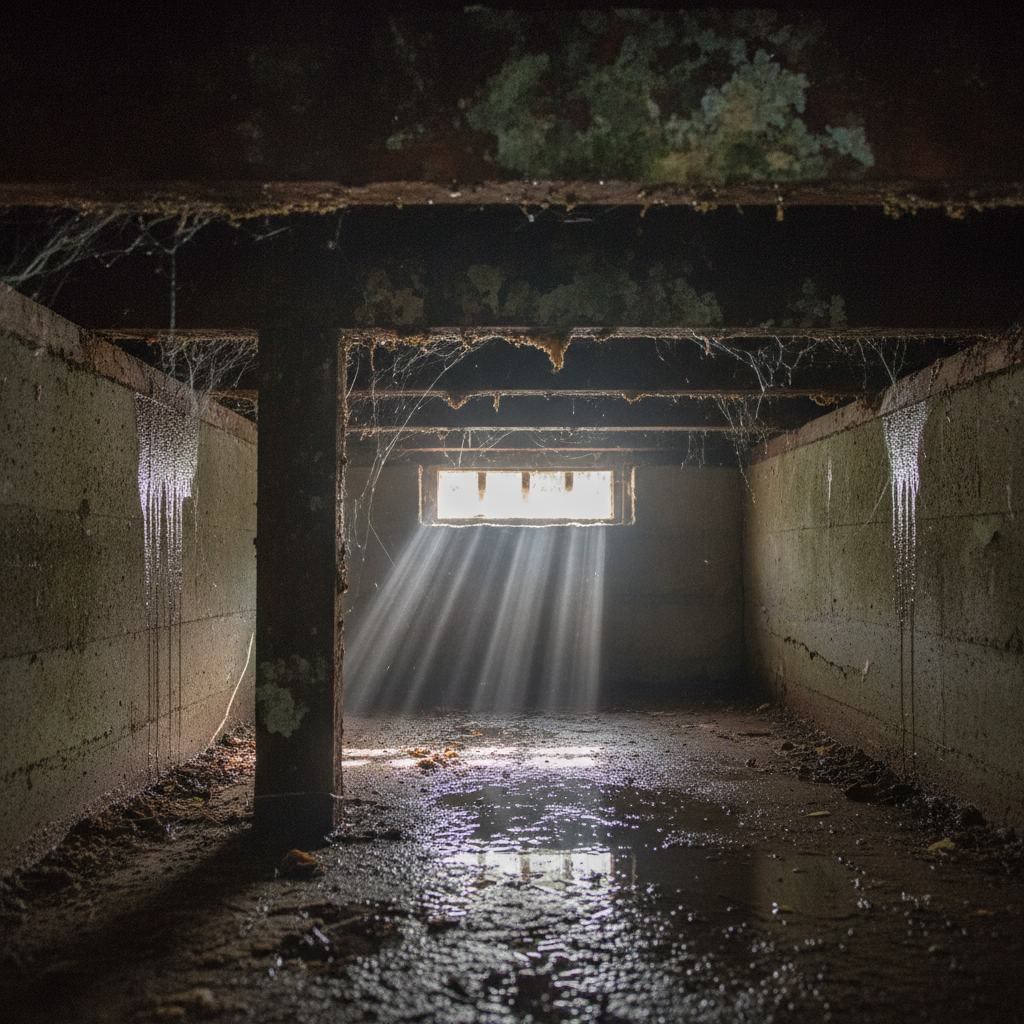

Picture this: You’re settling in for a cozy evening, maybe with a cup of hot cider, and you notice it again – that little crack running up your basement wall, or perhaps a door that just doesn’t quite close right anymore. It’s enough to make your stomach drop, isn’t it? Foundation problems are easily one of the most stressful things a homeowner can face. It’s not just a small fix; it feels like the very ground beneath your feet is shifting. (And honestly, for a lot of us, that feeling of uncertainty is the worst part.)
A while back, I was chatting with a friend who lives over in Asheville. She was telling me about her own foundation woes, and how she got totally bogged down in all the technical jargon. Push piers, resistance piers, helical piers… it sounded like a foreign language! It got me thinking: if you’re trying to figure out the best way to support your home, how do you even begin to understand the **differences between push piers and resistance piers installation NC**?
Let’s Clear Something Up: Push Piers vs. Resistance Piers
When you’re dealing with a settling foundation, one of the most common and effective solutions involves installing piers. These are essentially support columns driven deep into the ground to provide a stable base. But here’s where it gets interesting – there isn’t just one type. For North Carolina homeowners, two main players often come up in conversation: push piers and resistance piers.
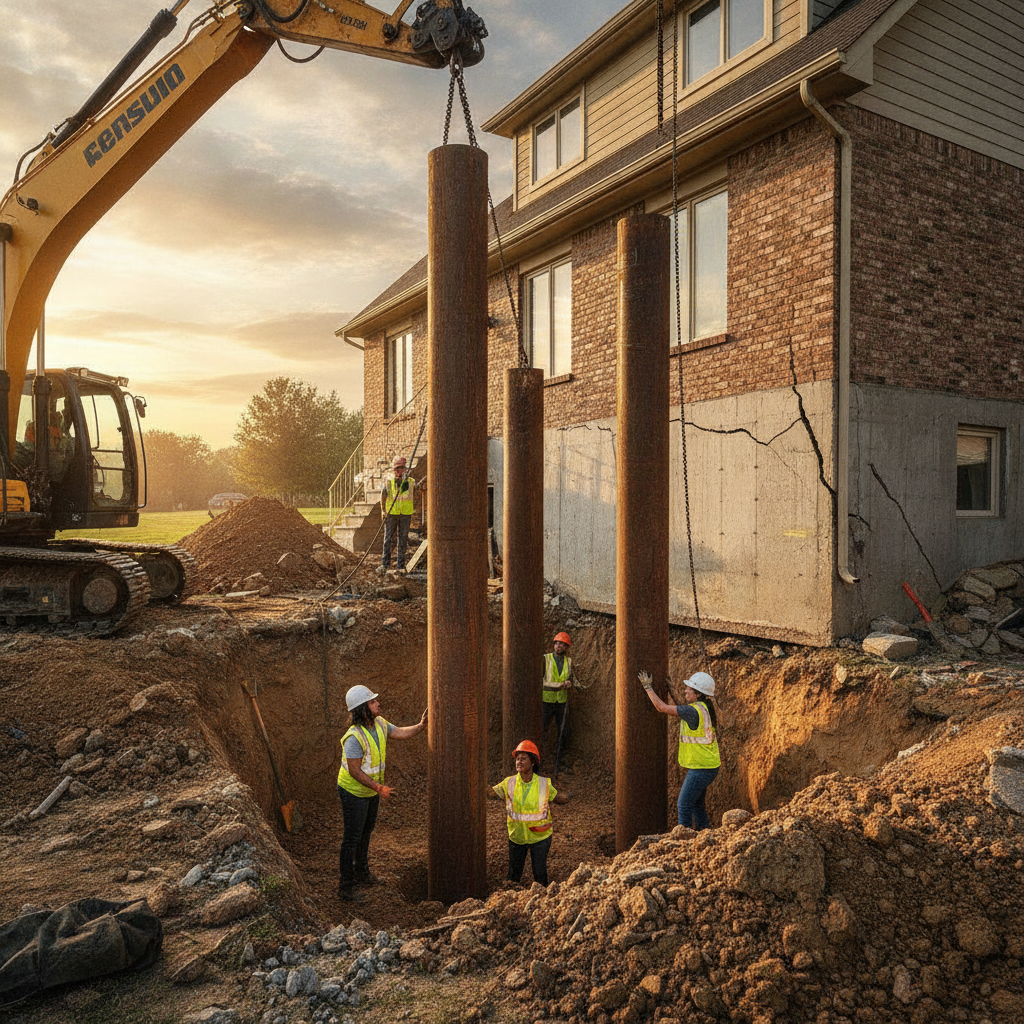
- Push Piers: Imagine a strong, steel cylinder. That’s essentially a push pier. These are hydraulically driven into the ground, section by section, until they reach a stable stratum or bedrock. The weight of your house is then carefully transferred to these piers. It’s like your home is getting a brand-new, deep foundation that isn’t affected by fickle surface soils. They’re excellent for heavy structures and situations where you need to get down to really solid ground.
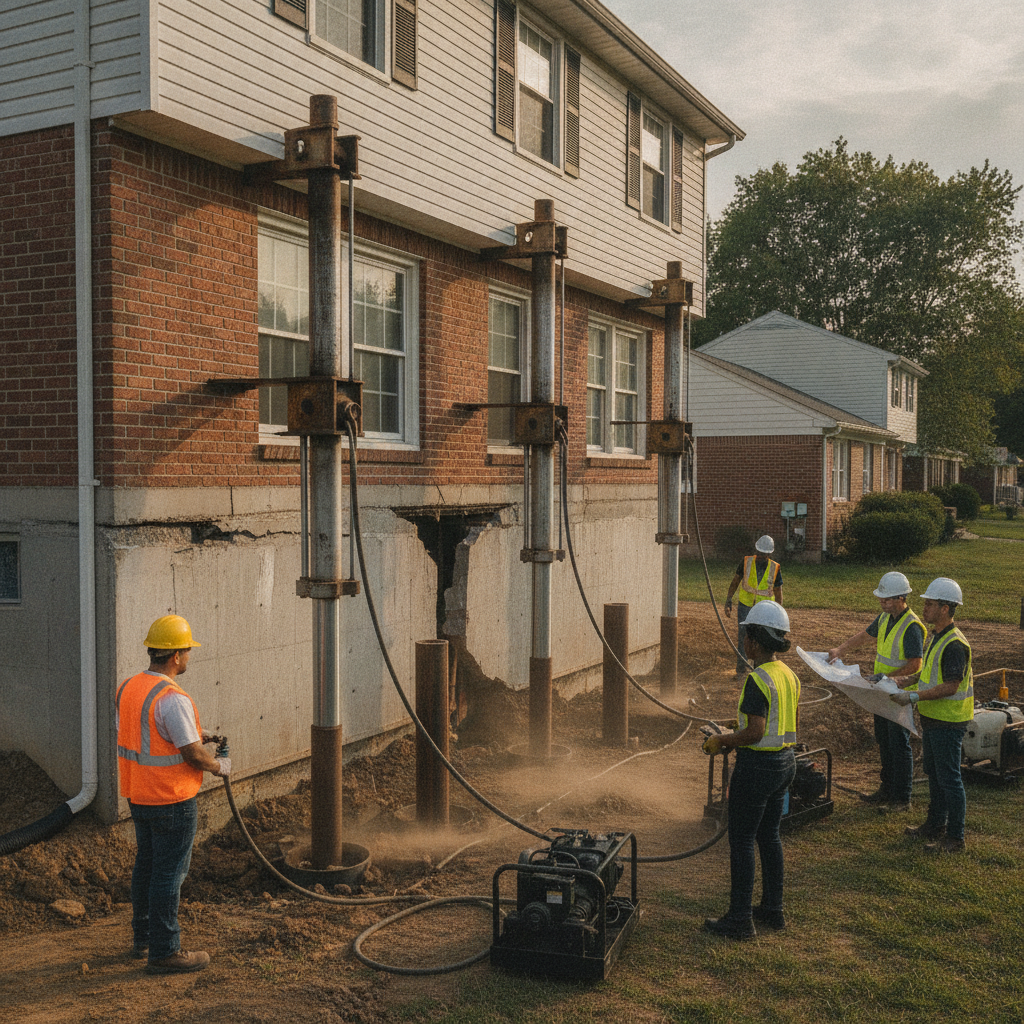
- Resistance Piers: These are similar in that they’re also steel, but the installation method and how they bear weight are a bit different. Resistance piers are often driven into the soil using a hydraulic ram mounted on the foundation itself. The pier is advanced until a predetermined pressure (or “resistance”) is met, indicating it’s found sufficient load-bearing soil. They’re generally good for lighter structures or when bedrock might be *too* deep to reach practically with push piers.
So, which one is “better”? That’s a bit like asking if a screwdriver is better than a hammer. Both are essential tools, but they’re designed for different jobs. The right choice truly depends on your home’s specific needs, the type of soil you have, and the extent of the foundation issue.
What You Can Do Next
Honestly, trying to diagnose your own foundation issues and pick the right pier type is a heavy lift. It’s not a DIY project, and getting it wrong can lead to bigger headaches down the road. What I always recommend is getting an expert opinion. You want someone who really understands the geology of North Carolina, the different pier systems, and can assess your home’s unique situation.
Here’s the truth: the best approach starts with a thorough evaluation. This includes things like:
- Soil Analysis: Understanding what kind of soil your house sits on is crucial. Is it clay, sand, a mix? This directly impacts which pier system will be most effective.
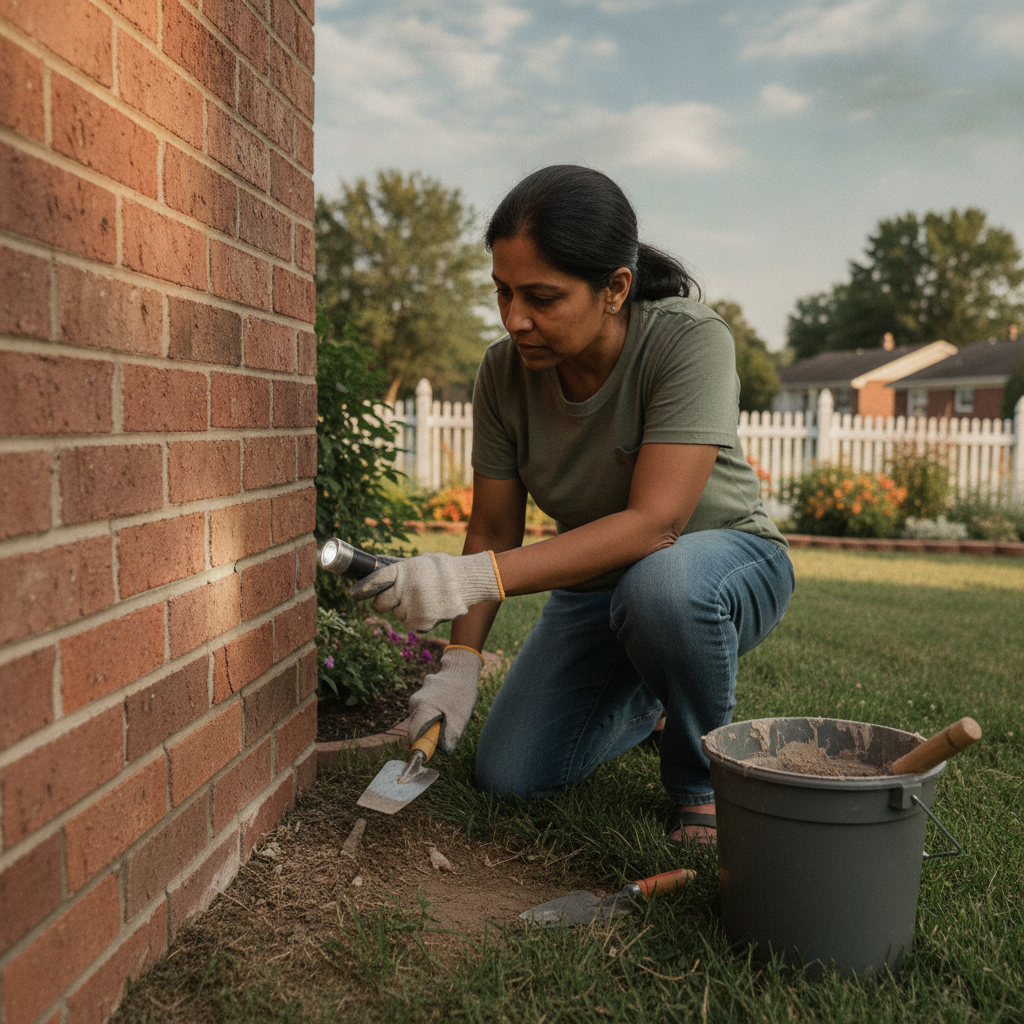
- Foundation Inspection: A professional will look at cracks, settlement, and structural integrity to determine the severity and cause of the problem.
- Engineering Recommendations: Often, a structural engineer will weigh in, providing a detailed plan tailored to your home.
A Real-Life Moment
I remember talking to a homeowner named Mark in Greensboro earlier this year. His house, built in the 70s, had started showing significant settling on one side. He was debating between options. After a detailed assessment by Piedmont Foundation Repair, it turned out his particular soil composition and the depth to suitable load-bearing strata made push piers the clear choice for a long-term, stable solution. The team explained everything, from the hydraulic driving process to how they’d carefully lift his foundation. Mark felt confident, and seeing his house stabilized was a huge relief for him. He even mentioned how much he appreciated the clear breakdown of the **differences between push piers and resistance piers installation NC** and why one was better for *his* home.
Here’s the Big Takeaway
Whether your home needs push piers, resistance piers, or another foundation solution entirely, the most important step is to get a professional evaluation. Don’t let the technical terms scare you away from getting the help you need. Companies like Piedmont Foundation Repair specialize in understanding these complex issues and translating them into clear, actionable plans for homeowners across North Carolina.
So, if you’re seeing those ominous cracks or feeling that unsettling shift, don’t just hope it goes away. Reach out, ask questions, and get a tailored solution. Your peace of mind (and the stability of your home) is absolutely worth it.