
Ever caught yourself staring at your neighbor’s house, or maybe even your own, and noticed something a little off with the brickwork? I know I have. Sometimes, it’s just a loose brick, no biggie. But then there are those times you spot a pattern – cracks that look like a staircase climbing up the side of the house. If you live in one of the many beautiful Charlotte homes with brick, you’ve probably seen what I’m talking about. These aren’t just cosmetic blemishes; those “stair step cracks” can be a big indicator of something more serious happening underneath.
So, What Are These Stair Step Cracks Anyway?
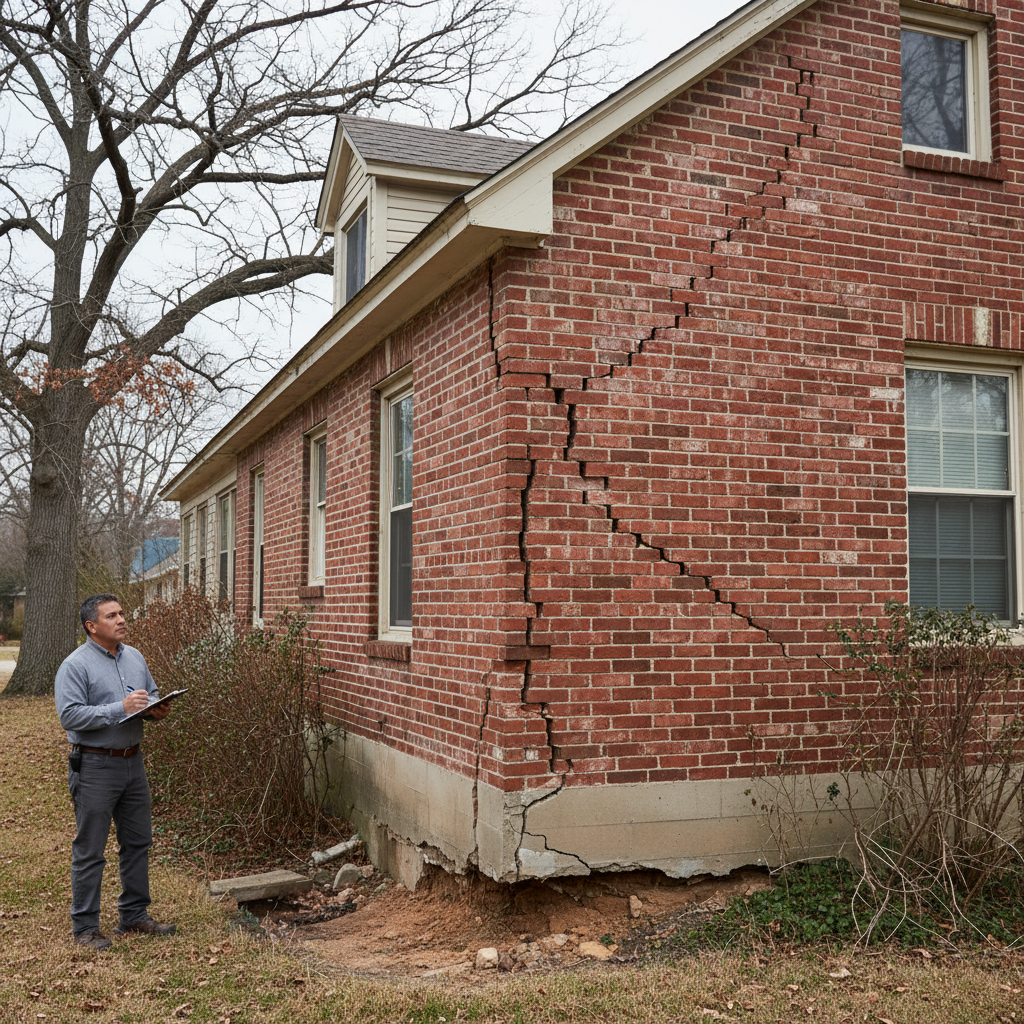
Picture this: you’re looking at the brick façade of a house, and instead of neat, unbroken lines, you see cracks running diagonally, following the mortar joints like steps. That’s exactly what stair step cracks are. They usually start at the bottom of the wall, often near the foundation, and work their way up. And honestly, they’re not something to just paint over and forget. The big question I hear a lot, especially from folks around Charlotte, is: what causes stair step cracks in brick veneer Charlotte homes?
The Root of the Problem: What’s Really Going On?
When you see these types of cracks in your brick veneer, it’s almost always a sign that your home’s foundation is moving or settling unevenly. Think about it: your brick veneer isn’t structural; it’s just cladding. But if the foundation supporting the house beneath it shifts, the brick has nowhere to go but to crack where it’s weakest – along those mortar joints.
Here are a few common culprits I’ve seen time and again:
- Soil Settlement: This is probably the most frequent cause. Over time, the soil under your home can settle unevenly. Maybe it was poorly compacted during construction, or recent heavy rains (like the ones we had earlier this year, seems like ages ago now!) saturated the soil, causing it to expand and then shrink, leaving voids. When the foundation drops even a tiny bit into those voids, the house, and its brick veneer, flexes and cracks.
- Expansive Clay Soils: Charlotte, like much of North Carolina, has some pretty active clay soils. These soils can swell significantly when wet and shrink when dry. This constant expansion and contraction puts immense pressure on your foundation walls.
- Poor Drainage: If water isn’t draining away from your foundation properly, it pools and saturates the soil directly next to your house. This leads to the expansive soil issue we just talked about, or it can erode the soil away, leaving your foundation unsupported.
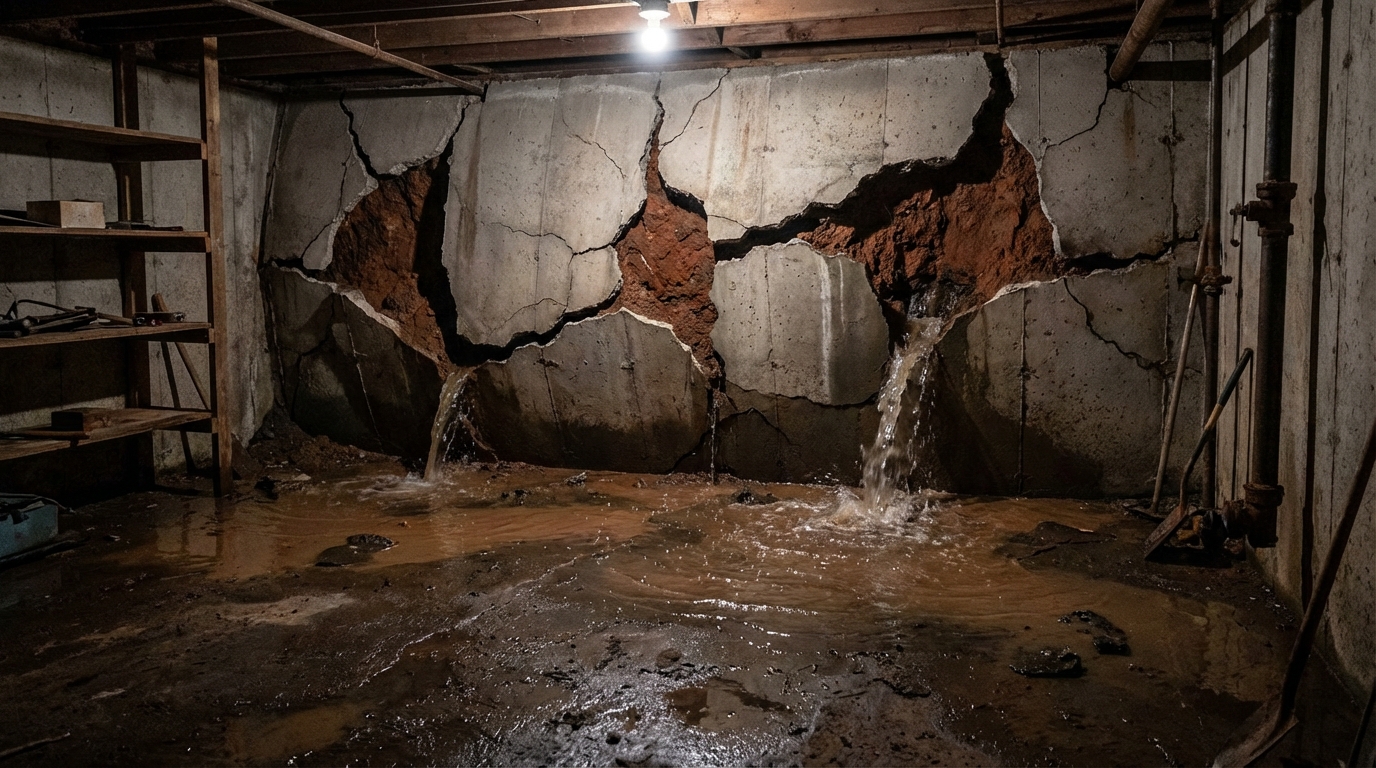
- Hydrostatic Pressure: Building on the drainage point, if water builds up in the soil around your basement or crawl space, it creates hydrostatic pressure. This pressure can push against your foundation walls, leading to stress and, you guessed it, cracks in the brick above.
It’s kind of like that one time I tried to balance a stack of books on a wobbly table. Eventually, something’s gonna give, right?
A Quick Example From Right Here in Charlotte
I was chatting with a buddy, Mark, who lives in an older home near the Plaza Midwood area a few months back. He’d noticed these distinct stair step cracks on the front of his house for a while, but he figured it was just “old house stuff.” (Honestly, I think we’ve all been there with that kind of thinking, haven’t we?) But then, he started noticing doors sticking and windows that wouldn’t quite close right upstairs. That’s when it clicked for him that it wasn’t just surface-level. He called up Piedmont Foundation Repair. They came out, did a thorough inspection, and sure enough, found that one corner of his foundation was settling due to a long-term drainage issue that had eroded the soil. They were able to get him sorted out with some foundation repair, and now his house isn’t just looking better, it’s structurally sound again.
What You Can Do Next
If you’re seeing stair step cracks on your Charlotte home, don’t just hope they’ll go away. They won’t. I don’t know everything about every single foundation scenario, but what I do know is that early detection and action are key to preventing a small problem from becoming a massive, costly headache. Ignoring these cracks can lead to bigger foundation wall cracks, water intrusion, and even structural instability in the long run.
The best first step? Get a professional opinion. A reputable company like Piedmont Foundation Repair can come out, assess the situation, and give you an honest appraisal of what’s happening and what needs to be done. They’ve got the expertise to diagnose the specific cause and recommend the right foundation fix, whether it’s drainage improvement, pier installation, or something else entirely. It’s always better to know for sure than to live with that nagging worry, don’t you think?