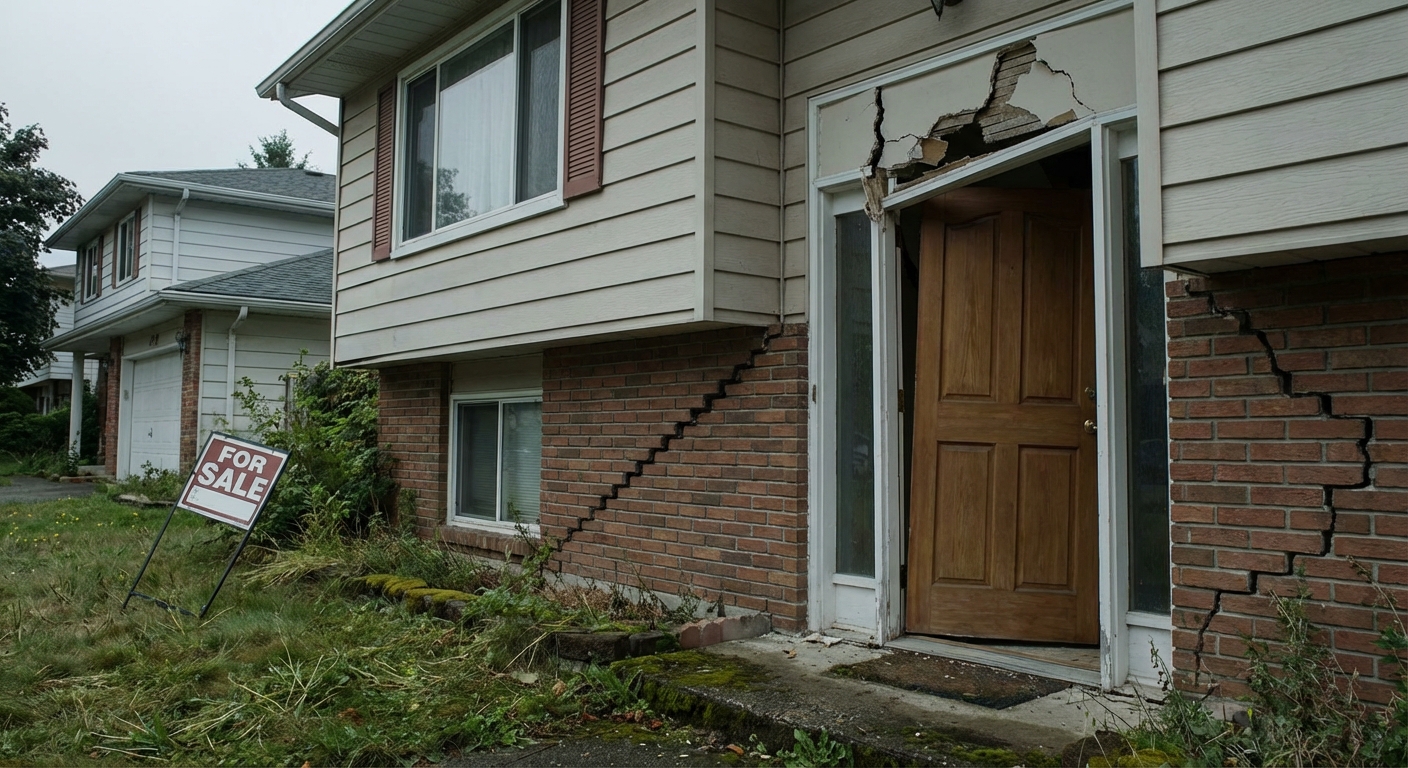

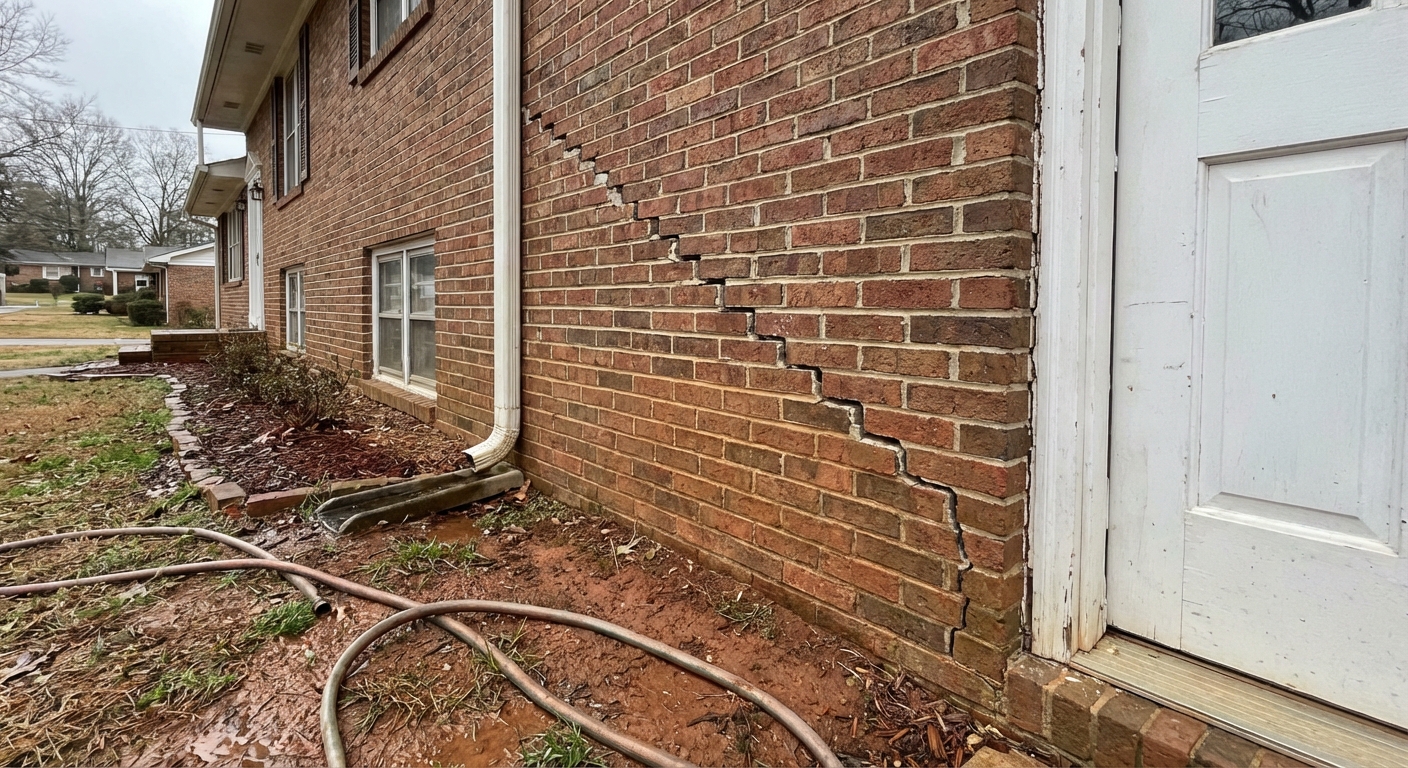
I was grabbing coffee in downtown Spartanburg the other day, chatting with a friend who just bought a beautiful older brick home. He was thrilled but had one nagging question. “You see those little zig-zag cracks in the brick by the garage?” he asked, pulling up a photo on his phone. “Is that… normal?”
I see this question pop up all the time. If you’ve spotted similar cracks running up your brick wall like a little staircase, you’re not alone. It’s a super common sight around the Carolinas. Many people just shrug and assume it’s the house “settling.” And while that’s partly true, it’s a bit more serious than just old-house charm.
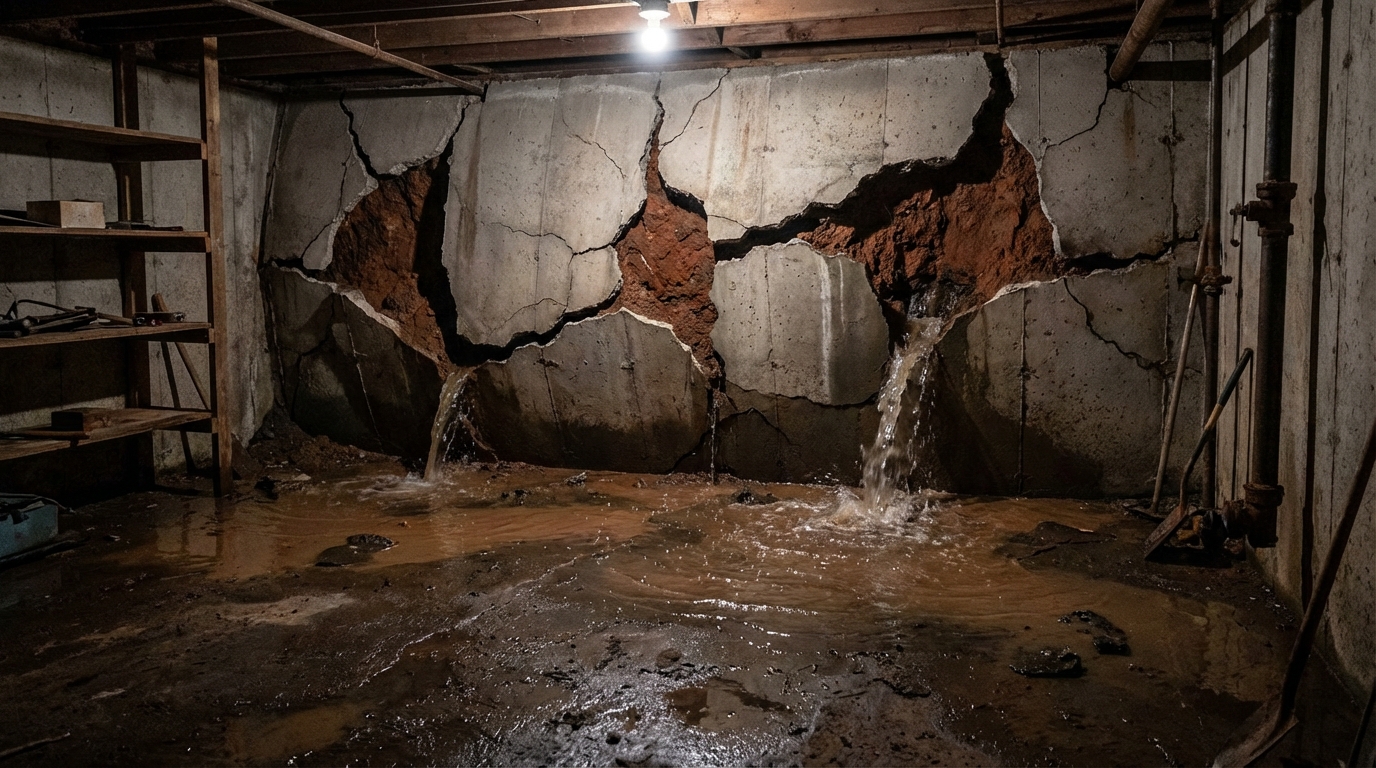
Those aren’t just cosmetic issues. They’re often the first sign of underlying foundation problems. Think of your brick as the skin on your house. It’s not the structure itself, but it’s great at showing you when the structure underneath is under stress.
Let’s Break This Down: What’s Really Causing Those Cracks?
So, you see the crack, but what’s the real culprit? If you’ve ever wondered what causes stair-step cracks in brick veneer Charlotte homes, it almost always comes down to one thing: movement. Your foundation is moving, and the rigid brick veneer can’t flex with it, so the mortar joints give way.
Here’s what’s usually behind that movement:
- Foundation Settlement: This is the big one. The soil underneath a part of your foundation has shifted or compressed, causing that section of your home to sink slightly. Even a small drop can create enough stress to crack the mortar.
- That Famous Carolina Clay Soil: We all know it. That dense, red North Carolina clay soil is a major factor. When it’s wet, it swells up and pushes against your foundation. When it’s dry—like during those long, hot August droughts—it shrinks and pulls away, leaving your foundation without support. This constant shrink-swell cycle is tough on a home.
- Water, Water, Everywhere: Poor drainage is a foundation’s worst enemy. If your gutters are clogged or your downspouts are dumping water right next to the house, you’re saturating the soil in one specific spot. This can soften the soil, leading to settlement. (It’s a surprisingly simple fix that prevents a huge headache).
A Quick Real-Life Moment
It reminds me of a project we did for a homeowner named Diane in the Ballantyne area of Charlotte. She’d noticed a stair-step crack near her back patio door for a couple of years. She didn’t think much of it until the door itself started sticking so badly she could barely open it in the summer.
When we came out, we found the culprit was a leaky sprinkler head that had been slowly oversaturating the soil at that one corner of her house for years. The ground became unstable, the foundation settled about an inch, and the brick and the door frame were the first to complain. We were able to perform a brick foundation repair by stabilizing that corner with helical piers, and thankfully, her door works perfectly now. It was a classic case of a small water issue leading to a bigger foundation issue.
So, What Can You Do Next?
First off, don’t panic. Seeing a crack doesn’t mean your house is about to fall down. It just means it’s time to pay attention. Is the crack getting wider? Are you seeing other signs like sticking doors or windows, or sloping floors inside?
I’m not a fortune teller, but I’ve seen enough of these to know that ignoring them is never the cheaper option. The problem only tends to get worse over time.
The best first step is to get a clear picture of what you’re dealing with. Understanding what causes stair-step cracks in brick veneer Charlotte homes is key, but seeing what’s happening at your home is what really matters. If this is something you’re seeing, give us a call at Piedmont Foundation Repair. We can come out and provide a free foundation inspection. No sales pressure, no obligation—just straight answers about what’s going on with your home. It’s all about peace of mind.