
I was grabbing lunch at The Goodyear House in NoDa the other day, and the conversation turned to home maintenance—as it always seems to do. My friend was complaining about how his allergies were flaring up inside his own house and how he could never seem to get rid of that faint, musty smell, especially after it rains.
“I just don’t get it,” he said. “I keep the crawl space vents open for airflow, just like my dad always told me to.”
And right there, it hit me. We’re all still following this piece of old-school advice that makes perfect sense in a dry climate, but is an absolute disaster here in the humid Charlotte air. It got me thinking about how many of us are accidentally inviting problems into our homes.
Let’s Clear Something Up: Vents vs. Humidity
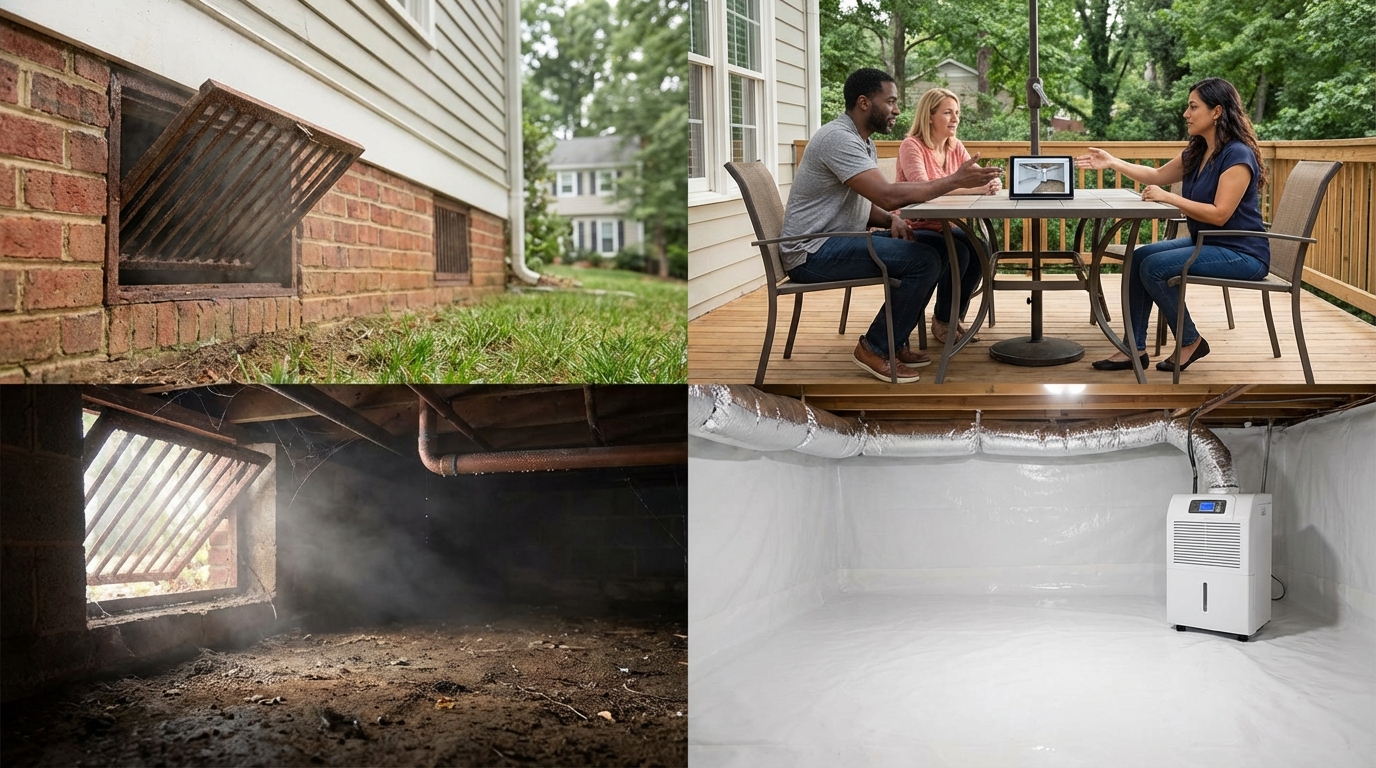
For decades, the standard thinking was that you needed to ventilate your crawl space. Let the air circulate, dry things out, and prevent moisture buildup. The problem? That advice doesn’t account for the thick, soupy humidity we deal with for most of the year in North Carolina.
When you leave those vents open during a warm, humid Charlotte summer, you’re not letting dry air in. You’re inviting warm, moisture-packed air into a cool, dark space. And what happens when warm, wet air meets a cool surface (like your pipes or the underside of your floor)? Condensation. It’s like your crawl space is sweating all summer long.
So, to answer the question, is crawl space ventilation still recommended in North Carolina? For the vast majority of homes, the answer is a resounding no. That constant moisture creates the perfect breeding ground for:
- Mold and mildew (that’s your musty smell)
- Wood rot that can weaken your floor joists and beams
- Pests like termites and cockroaches that thrive in damp environments
- Higher energy bills because your HVAC system has to fight all that extra humidity
Honestly, it’s a recipe for disaster that quietly unfolds right under your feet.
What Are the Best Practices for Sealing Off Crawl Space Vents in Charlotte?
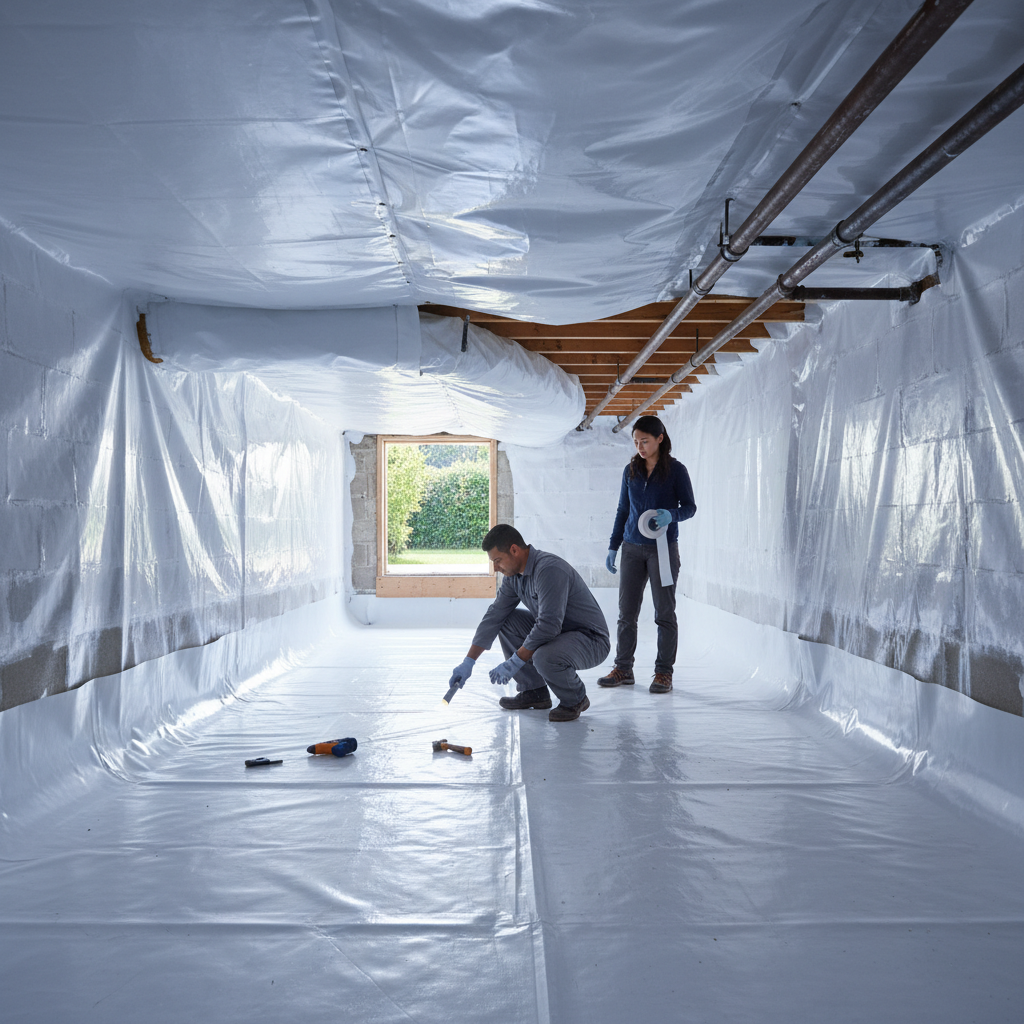
Okay, so just plugging the vents with some foam from the hardware store isn’t the whole solution. Sealing the vents is just one (very important) step in a bigger process often called crawl space encapsulation. It’s about creating a clean, dry, and sealed environment that’s part of your home, not just a dirt hole underneath it.
The team over at Piedmont Foundation Repair explained it to me like this: think of it as turning your crawl space into a mini-basement. It’s a complete system.
Here’s what that process generally looks like:
- Cleaning and Prep: First, you have to get rid of any existing problems. This means removing wet insulation, debris, and addressing any mold. This isn’t the place for a quick bleach spray; you need professional methods for removing mold from wood joists to make sure it’s gone for good.
- Sealing the Vents: This is the key step. Airtight vent covers are installed from the outside to permanently stop that humid air from getting in.
- Installing a Vapor Barrier: A thick, durable plastic liner (usually 12 to 20 mil) is laid down across the entire crawl space floor and run up the foundation walls, sealing the seams completely. This stops moisture from seeping up from the ground itself.
- Conditioning the Air: Finally, a specially designed crawl space dehumidifier is installed to control the air quality and keep the humidity at an optimal level (usually around 55%).
A Quick Real-Life Moment
We worked with a family, the Hendersons, out in Matthews a while back. They had a similar story—two kids with constant sniffles and a damp feeling they couldn’t shake in their living room. They were running a portable dehumidifier upstairs almost 24/7.
When we had Piedmont Foundation Repair take a look, their crawl space was a swampy mess from years of open vents. After a full encapsulation, the difference was night and day. Mrs. Henderson told us that within a month, the musty smell was completely gone, and even better, their summer energy bill dropped by nearly 20% because their air conditioner wasn’t working overtime anymore. The benefits of crawl space encapsulation in humid North Carolina are no joke.
So, What’s the Takeaway?
That old advice to “air out” your crawl space just doesn’t apply here. In our climate, it’s like leaving a window open in a rainstorm and hoping the house stays dry.
If you’re dealing with musty smells, high indoor humidity, or just have that nagging feeling that something’s not right with your home’s air, take a look at your foundation vents. If they’re open, you’ve likely found the culprit. The best practices for sealing off crawl space vents in Charlotte involve creating a fully sealed and conditioned space. It might seem like a big step, but it’s one of the single best things you can do for your home’s health and your family’s comfort.