
Ever had that one door in your house that works perfectly in the winter but sticks like crazy every summer? You know, the one you have to hip-check just to get it to close? For years, I just assumed it was the humidity swelling the wood. And yeah, that can be part of it.
But a while back, I was grabbing lunch in Greensboro with a friend who works in construction, and he brought up something that totally changed how I see those little house quirks. He said, “Here in the Piedmont, it’s usually not just the door. It’s the ground underneath the whole house.”
The Ground We Live On (And Why It Moves)
Here’s the thing about a lot of North Carolina soil: it’s full of clay. That rich, red clay is great for pottery, not so great for keeping your house perfectly still. Think of it like a giant, powerful sponge under your foundation. When we get those heavy spring rains, the clay soaks up water and expands. Then, during a dry spell in August, it shrinks and cracks.
This constant expanding and contracting—or shrink-swell cycle—puts a ton of stress on your home’s foundation. Your house is heavy, and it’s sitting on ground that’s basically doing yoga all year long. Over time, that movement can lead to real problems. So, those little annoyances aren’t always so little. They can be early symptoms of foundation failure due to clay soil in NC.
What to Look For: A Quick Reality Check
I’m not trying to be an alarmist here, but it pays to know what to watch for. Most of these signs start small, so they’re easy to dismiss as “the house just settling.” But are they?
Here are the common signs that your foundation might be feeling the pressure from our tricky clay soil:
- Cracks in the Drywall: Look for jagged cracks spreading out from the corners of doors and windows. That’s a classic stress sign.
- Doors and Windows That Stick: If a door that used to work fine now scrapes the floor or won’t latch, the frame is likely being twisted out of square by foundation movement.
- Sloping or Uneven Floors: Do you ever feel like you’re walking slightly uphill in your own hallway? Or maybe a dropped marble rolls to the same corner every time? That’s a big red flag.
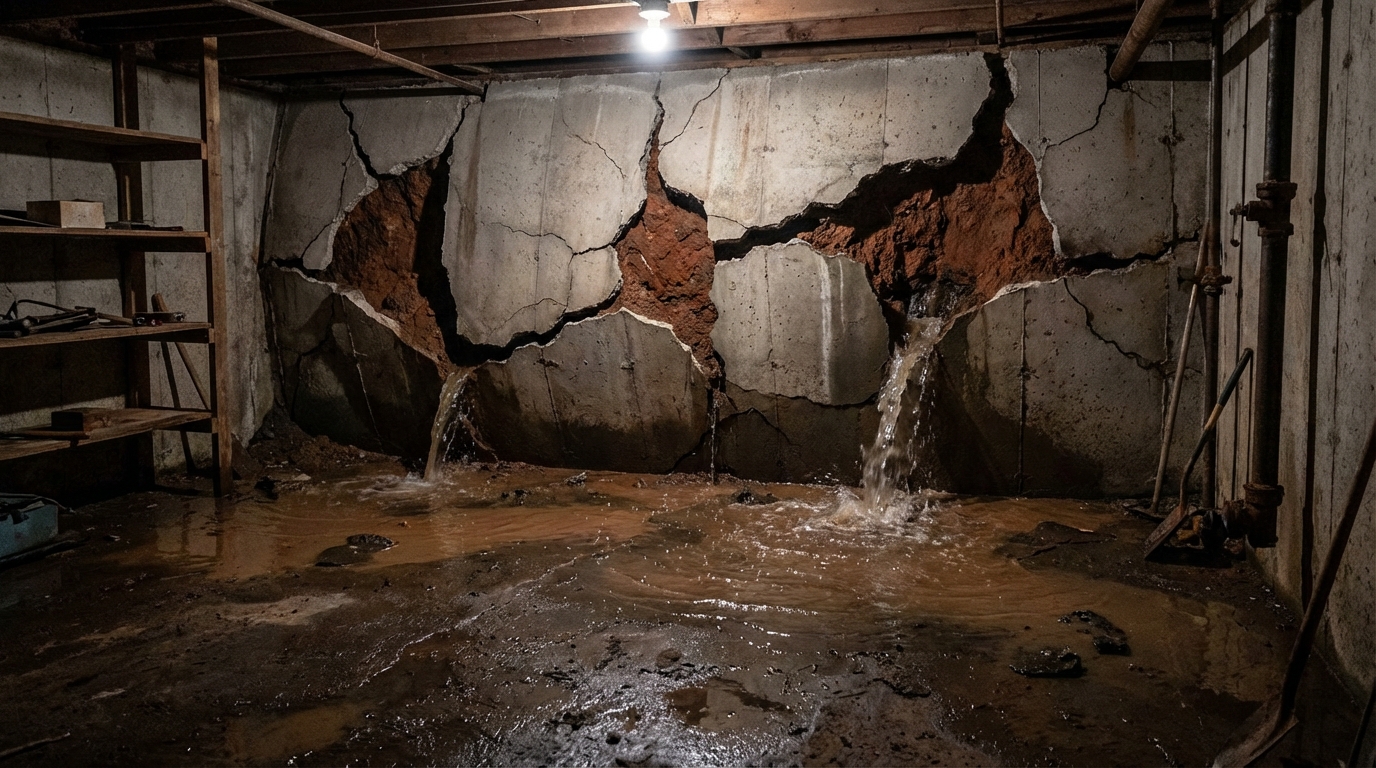
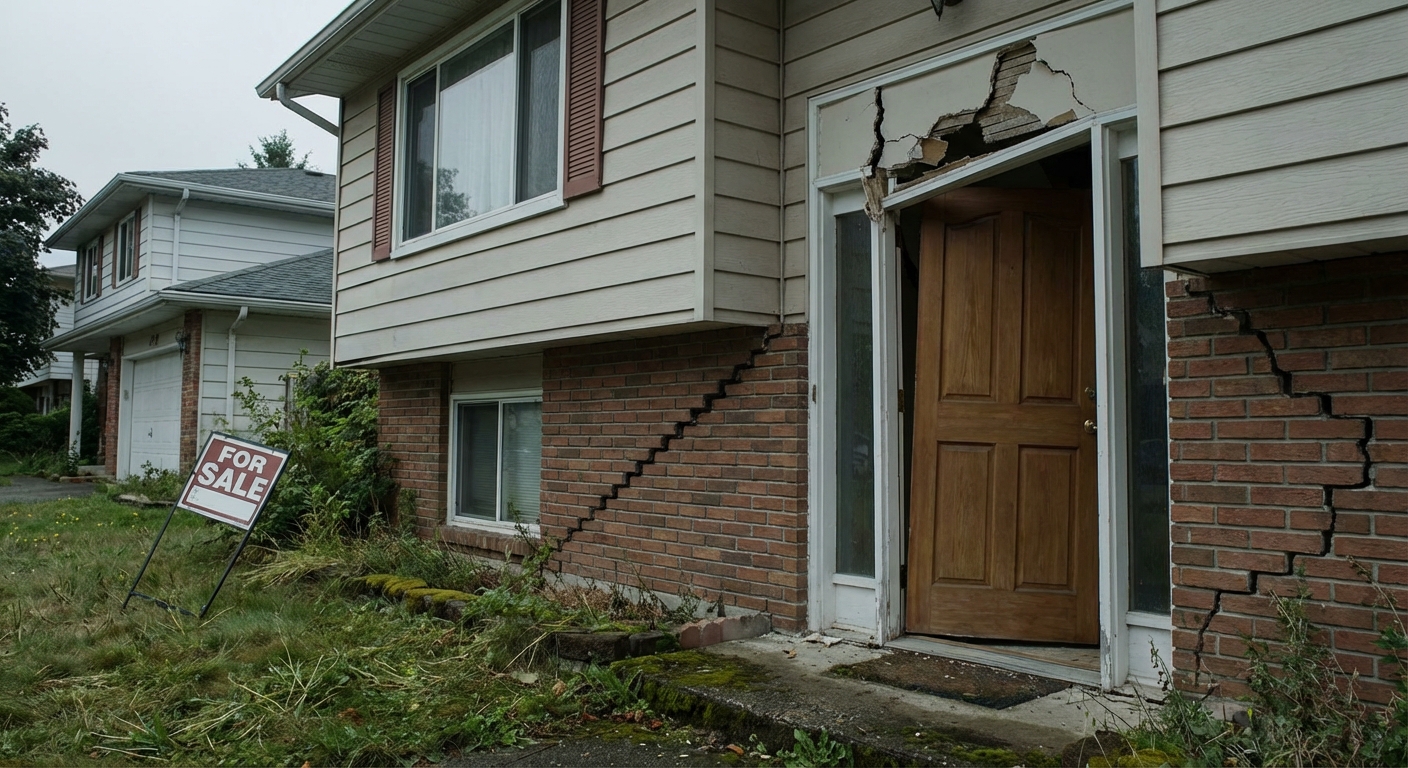
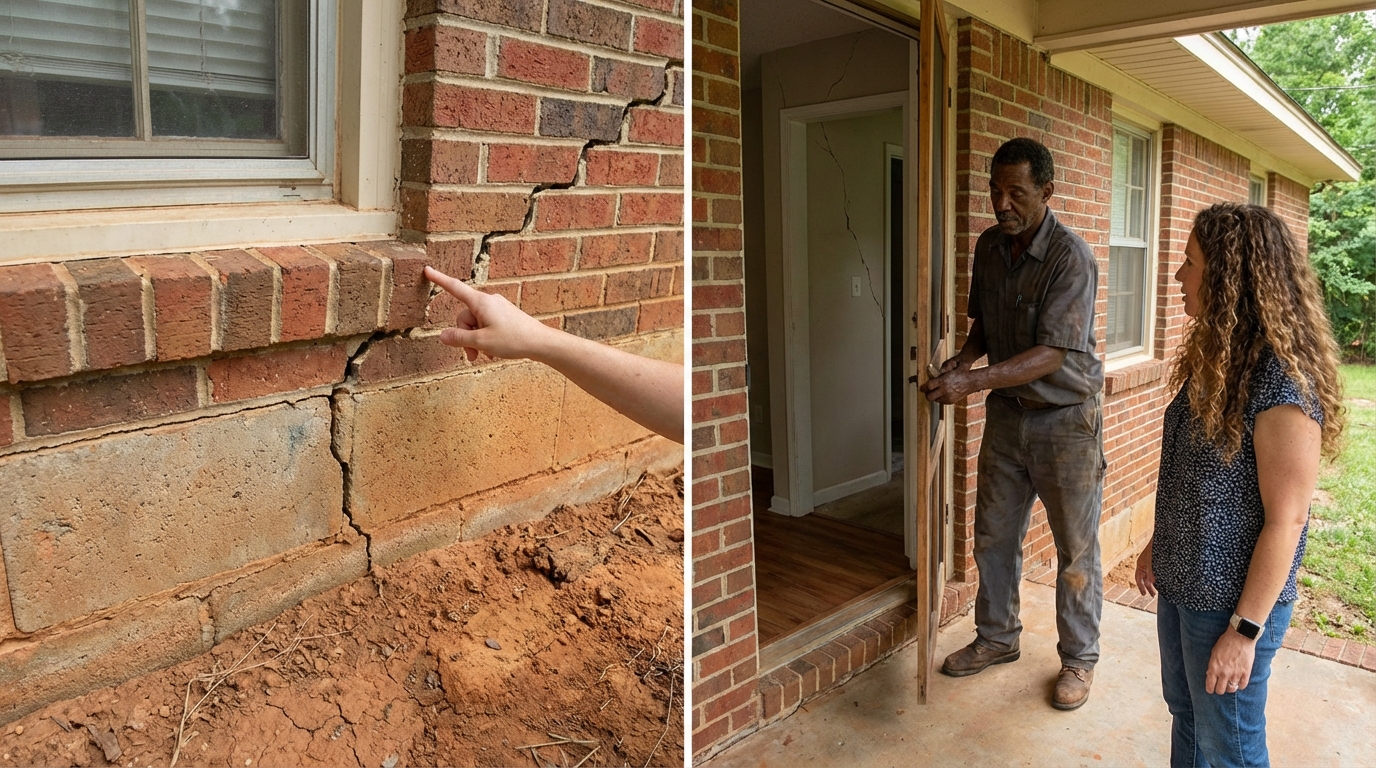
- Cracks in Exterior Brick or Foundation: Stair-step cracks in the brick or long, horizontal cracks in your concrete foundation block are tell-tale signs of shifting.
- Gaps Around Trim: Check for gaps opening up between your baseboards and the floor, or where your kitchen cabinets meet the wall. These things should be flush.
A Real-Life Moment
A client of ours, let’s call her Susan from Charlotte, had a beautiful brick ranch built in the 80s. She noticed a few hairline cracks in the brick on one side of her house. She figured it was just age. But then, the window in her daughter’s bedroom became almost impossible to open. That’s when she got worried.
She called us at Piedmont Foundation Repair, and our team went out to take a look. Sure enough, the soil under that corner of the house had eroded and shrunk significantly during a recent drought, causing that part of the foundation to sink a couple of inches. It was a classic case of clay soil trouble. We were able to stabilize it with piers, and now her daughter’s window opens and closes smoothly again.
What You Can Do Next
Let’s be real for a second. Your house makes weird noises and has quirks. Not every crack spells disaster. But if you’re nodding along to a few of the points on that list, it’s probably time to stop guessing.
Ignoring these things won’t make them go away—in fact, they usually get worse (and more expensive) over time. If you’re seeing some of these potential symptoms of foundation failure due to clay soil in NC, the best first step is to get a professional opinion. Give our team at Piedmont Foundation Repair a call. An inspection is free, and it’s way better to know for sure what you’re dealing with than to just keep hip-checking that sticky bathroom door and hoping for the best.