
Transform Your Home: Essential Guide to Effective Foundation Repair Solutions
When it comes to maintaining the integrity of your home, few things are as crucial as a solid foundation. Think of your home as an ice cream cone: without a sturdy base, all the delicious toppings (or in this case, your living room and kitchen) will come tumbling down. While no one likes to think about foundation issues, it’s a reality that many homeowners face. This article serves as your essential guide to effective foundation repair solutions, helping you understand everything from why your foundation may be failing to how to fix it—and hopefully with a few chuckles along the way.
Understanding Foundations: The Good, The Bad, and The Ugly
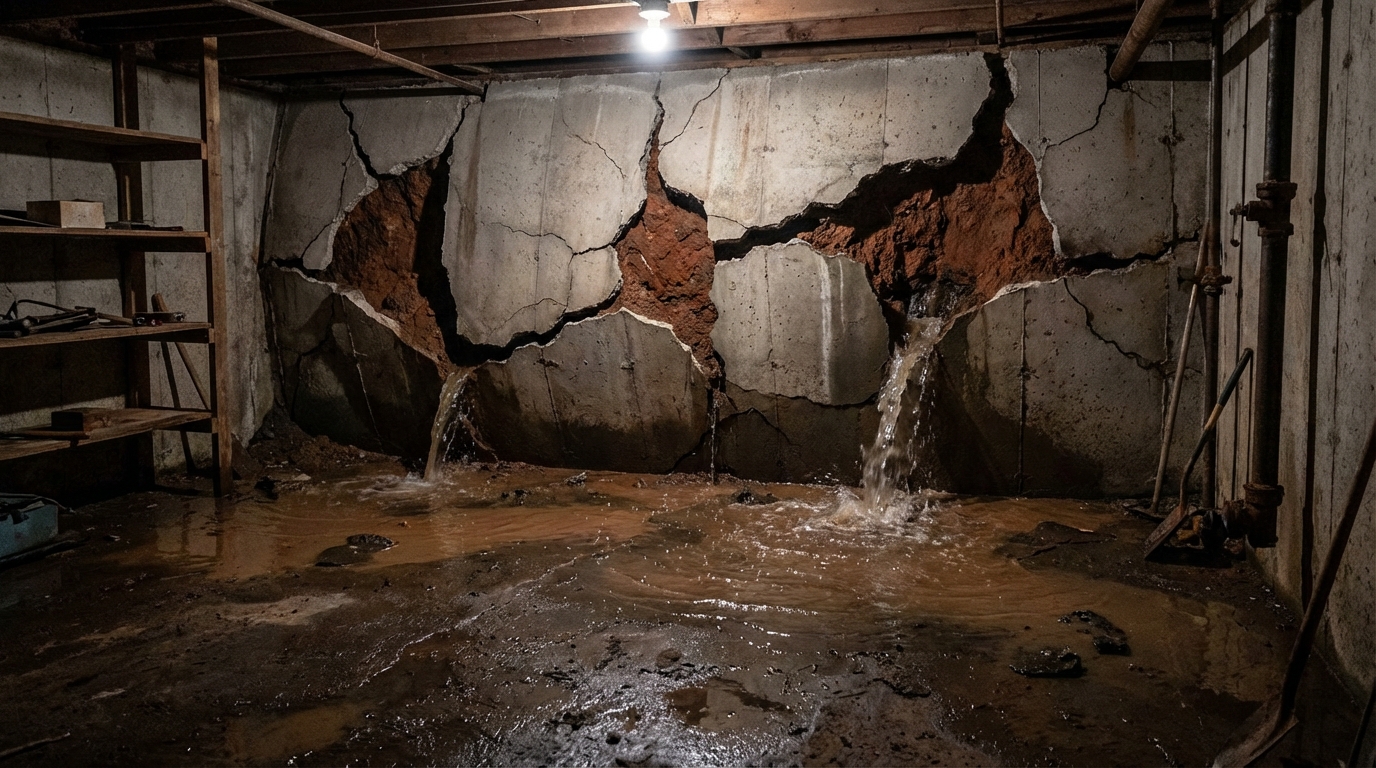
Foundations are like the unsung heroes of your home. They provide the support that keeps everything stable and standing tall. However, various factors can cause foundations to crack or settle unevenly. Here are some reasons why your foundation might decide to throw a tantrum:
1. **Soil Conditions**: Different types of soil react differently to moisture. Expansive clay soils swell when wet and shrink when dry, causing movement. It’s like your soil is on a constant rollercoaster ride—up and down, up and down!
2. **Poor Drainage**: Water pooling around your foundation is like giving your home a pool party it never wanted. Excess moisture can erode the base and lead to costly repairs down the line.
3. **Tree Roots**: Trees may seem like friendly neighbors, but their roots can wreak havoc on your foundation. They’re not just looking for water—they might be looking to take over your territory.
4. **Age of the Home**: Older homes may have foundations that simply weren’t built to withstand the test of time. Like your great-uncle Charlie, they might have seen better days.
Signs Your Foundation Needs Some TLC
Not all heroes wear capes; some of them show you clear signs that they need help. Here’s what to look for:
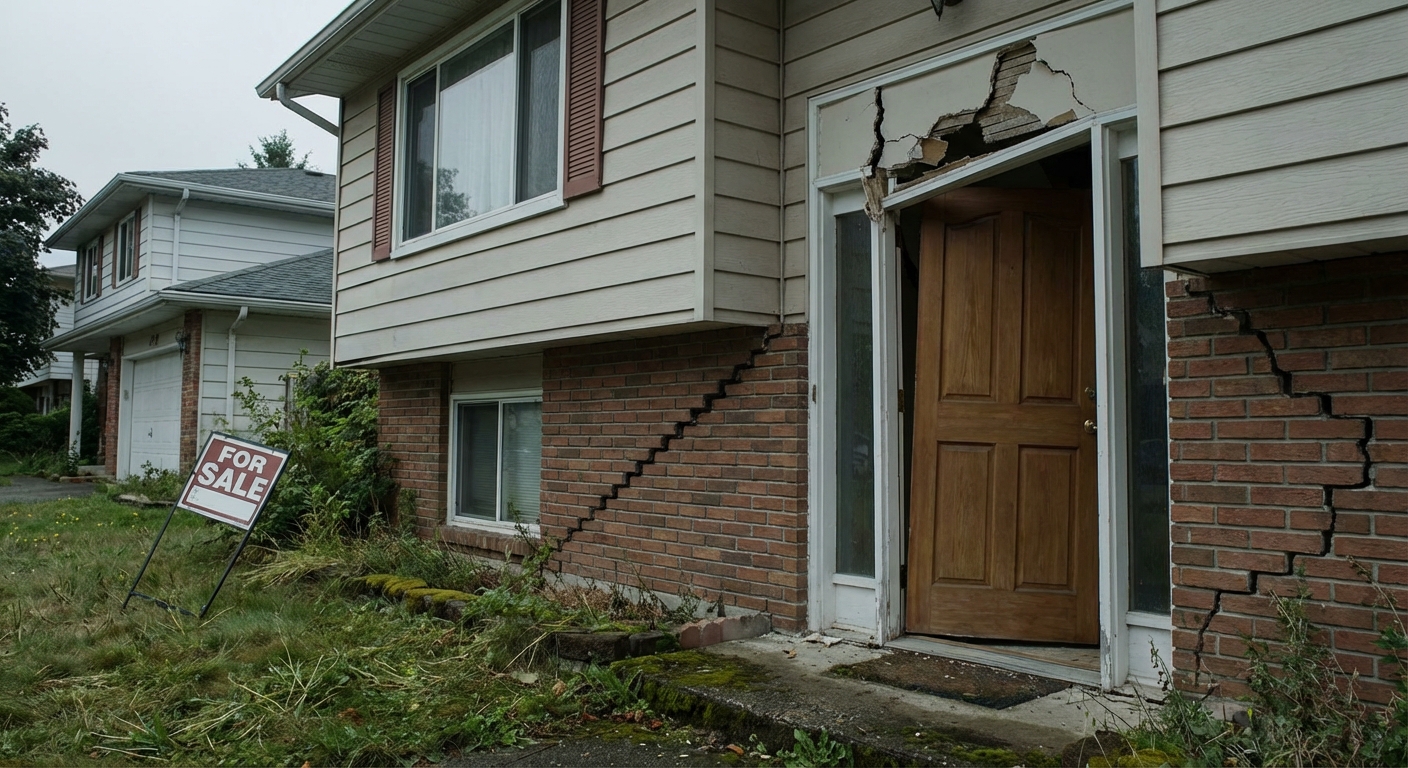
– **Cracked Walls**: If you see cracks above doors or windows, it’s a classic sign your foundation might be shifting. These cracks are like the wrinkles of your house—indicating age and stress!
– **Uneven Floors**: If your floors are sloping more dramatically than a hill in San Francisco, it might be time to call in the professionals.
– **Doors and Windows That Stick**: If your doors and windows are playing hard to get, this could be a telltale sign of foundation issues. They’re not being moody; they’re reacting to changes in your home’s structure.
– **Gaps Between Walls and Floors**: Space where there shouldn’t be space—similar to that mysterious gap between your couch and the wall that seems to eat your snacks.
Now that you know what to look for, let’s dive into the nitty-gritty of foundation repair solutions.
Effective Foundation Repair Techniques
When it comes to addressing foundation issues, there’s no one-size-fits-all solution. It’s crucial to identify the root cause before jumping into repairs. Here are some effective methods commonly used by professionals in the industry:
1. **Piering**: This method involves installing piers under the foundation to support and stabilize it. Think of it as giving your home a sturdy pair of stilts. There are two main options here:
– **Steel Piers**: Ideal for deeper foundation issues, these piers dig down to bedrock or stable soil.
– **Concrete Piers**: These piers are poured on-site and can be adjusted to lift the foundation back to its original level.
2. **Underpinning**: This technique strengthens and stabilizes the existing foundation. It’s akin to putting braces on your foundation—necessary for those times when it just doesn’t seem to be holding it together!
3. **Slabjacking**: If your foundation is a concrete slab, this method can be particularly effective. It involves pumping a mixture beneath the slab to lift it back into place. It’s slightly less glamorous than a spa day but provides similar restorative effects.
4. **Drainage Solutions**: Proper drainage is key to preventing future problems. Installing French drains, sump pumps, or grading your yard can help redirect water away from your foundation. Remember, water is your foundation’s nemesis—not its best friend.
5. **Wall Repair**: Bowed or leaning walls may require bracing or carbon fiber reinforcement. Sometimes, your walls just need a good hug to set them straight.
DIY Foundation Inspection: When to Call the Pros
While some minor issues can be assessed through a DIY inspection, significant problems should be handled by experts. To give you an idea, if you find yourself contemplating whether your foundation requires repair using a level, it might be time to call a professional—unless, of course, you enjoy playing architect.
However, if you’re the type that loves rolling up your sleeves, grab a flashlight and head to your basement or crawlspace. Check for:
– Cracks in the foundation walls.
– Damp spots or moisture accumulation.
– Any noticeable shifts in the structure.
If your inspection raises more questions than answers, it’s best to consult with a foundation repair company. They have the tools, training, and experience to handle issues that could leave you scratching your head.
Choosing the Right Foundation Repair Company
Much like dating, finding the right foundation repair company can be tricky. Trust me, you don’t want to end up with someone who promises the moon but can only deliver a rock. Here are some tips for selecting a reputable service provider:
1. **Check Credentials**: Ensure the company is licensed, insured, and has good standing with local building authorities.
2. **Read Reviews**: Scour the internet for reviews. Look for trends in customer experiences; did they think they got what they paid for, or did they feel like they were left high and dry?
3. **Get Multiple Quotes**: Compare estimates from several companies. This helps ensure you aren’t getting taken for a ride—after all, you still need funds for your Netflix subscription.
4. **Ask About Warranties**: A good repair company will stand by its work. Warranties can offer peace of mind, allowing you to sleep soundly knowing your foundation isn’t going to pull a fast one on you again.
5. **Inquire About Experience**: How long has the company been in business? A decade or two might indicate they know how to navigate the wild world of foundation issues.
Preventative Measures: Keeping Your Foundation Happy
Prevention is the best medicine, and this saying holds true for your foundation too. Here are some essential tips to keep your foundation happy and healthy:
1. **Maintain Proper Drainage**: Regularly check gutters and downspouts to ensure water is directed away from your foundation.
2. **Water Your Plants Wisely**: Avoid overwatering plants near the foundation, as this can cause soil erosion. Think of them as your foundation’s roommates—too much water can make them cranky.
3. **Schedule Regular Inspections**: An annual inspection by a professional can catch potential issues before they escalate. Just like you go to the doctor for check-ups, your foundation deserves the same treatment!
4. **Manage Soil Moisture**: Use mulch and landscaping fabrics to regulate moisture in the soil. Find that balance, similar to how you’re trying to find balance in your life.
5. **Keep an Eye on Tree Roots**: Be mindful of nearby trees and their roots. Sometimes it’s best to give them a gentle nudge away from your foundation. Consider it as setting boundaries with your more “clingy” friends.
The Final Word
Transforming your home starts at the foundation. By understanding the causes of foundation issues, recognizing the signs of trouble, and knowing the effective repair solutions available, you’re well on your way to ensuring your home stands strong for years to come. Remember, while foundation repair may not sound like the most thrilling home improvement project, it sets the stage for everything else in your home. So, roll up those sleeves and get ready to transform your living space, one sturdy brick at a time!