
Transform Your Home: Essential Guide to Effective Foundation Repair Solutions
When it comes to home improvement, the foundation is often an afterthought—like that lone sock lost in the laundry. Yet, as any homeowner knows, a solid foundation is crucial for the stability and safety of your dwelling. If your home is showing signs of foundation issues (cracks in walls, uneven floors, or doors that don’t quite close), it’s time to roll up your sleeves and delve into the world of foundation repair solutions. In this essential guide, we’ll explore the types of foundation problems, effective repair methods, and how you can transform your home from a sinking ship to a fortress.
Understanding the Foundation of Your Home
Before diving into repair solutions, it’s vital to understand what constitutes a foundation. Your home rests on various types of foundations, including slab, crawl space, and basement. Each type has its unique set of characteristics and potential issues.
1. **Slab Foundations**: Common in warmer climates, these concrete slabs are poured directly on the ground. They can crack due to soil movement or drying out, leading to unfortunate consequences like water intrusion.
2. **Crawl Space Foundations**: These consist of a few feet of space between the ground and the house. While they offer easy access for plumbing, electrical work, and even the occasional raccoon, they can suffer from moisture issues and pest invasions.
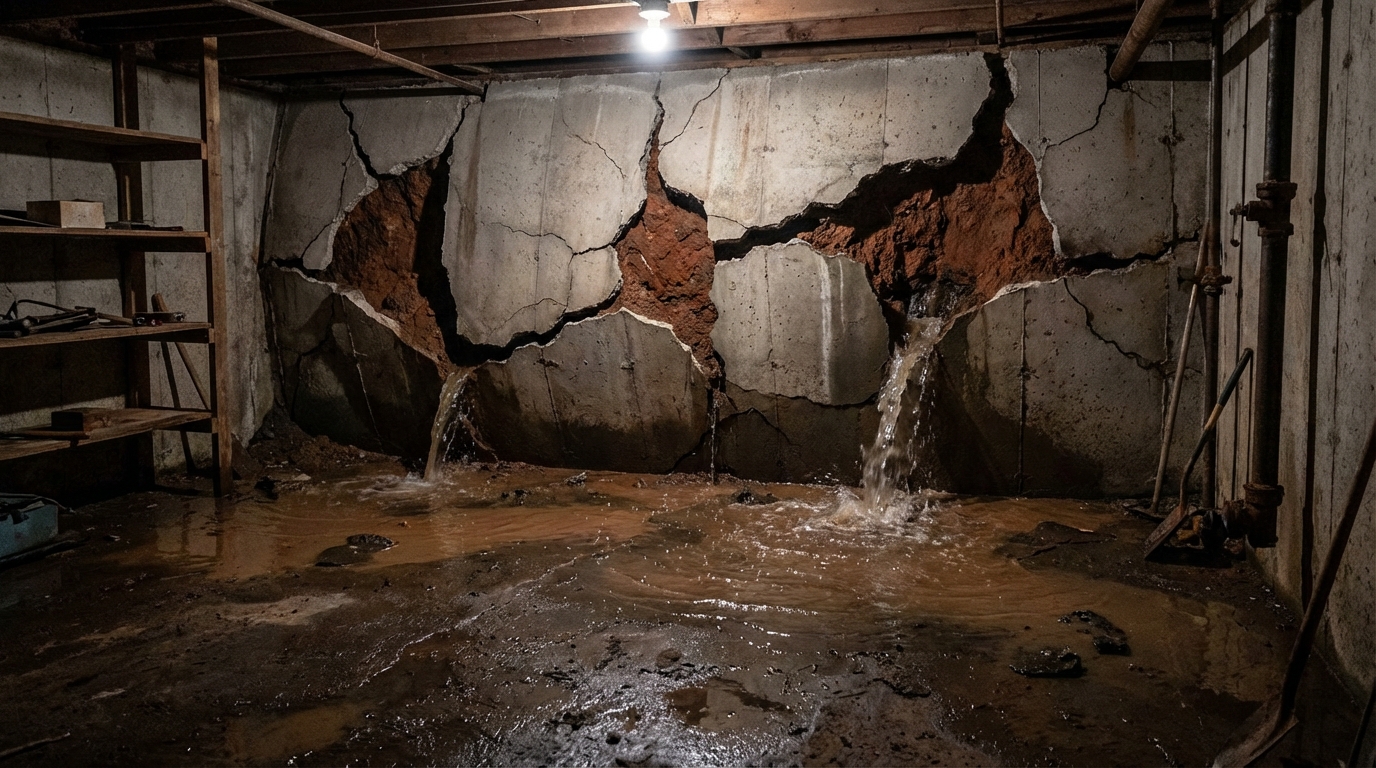
3. **Basement Foundations**: These provide additional living space and storage underground. However, they are prone to water damage and can also develop cracks over time.
Identifying Foundation Problems
Now that you’re familiar with the types of foundations, let’s identify some common problems that might require you to summon the foundation repair cavalry.
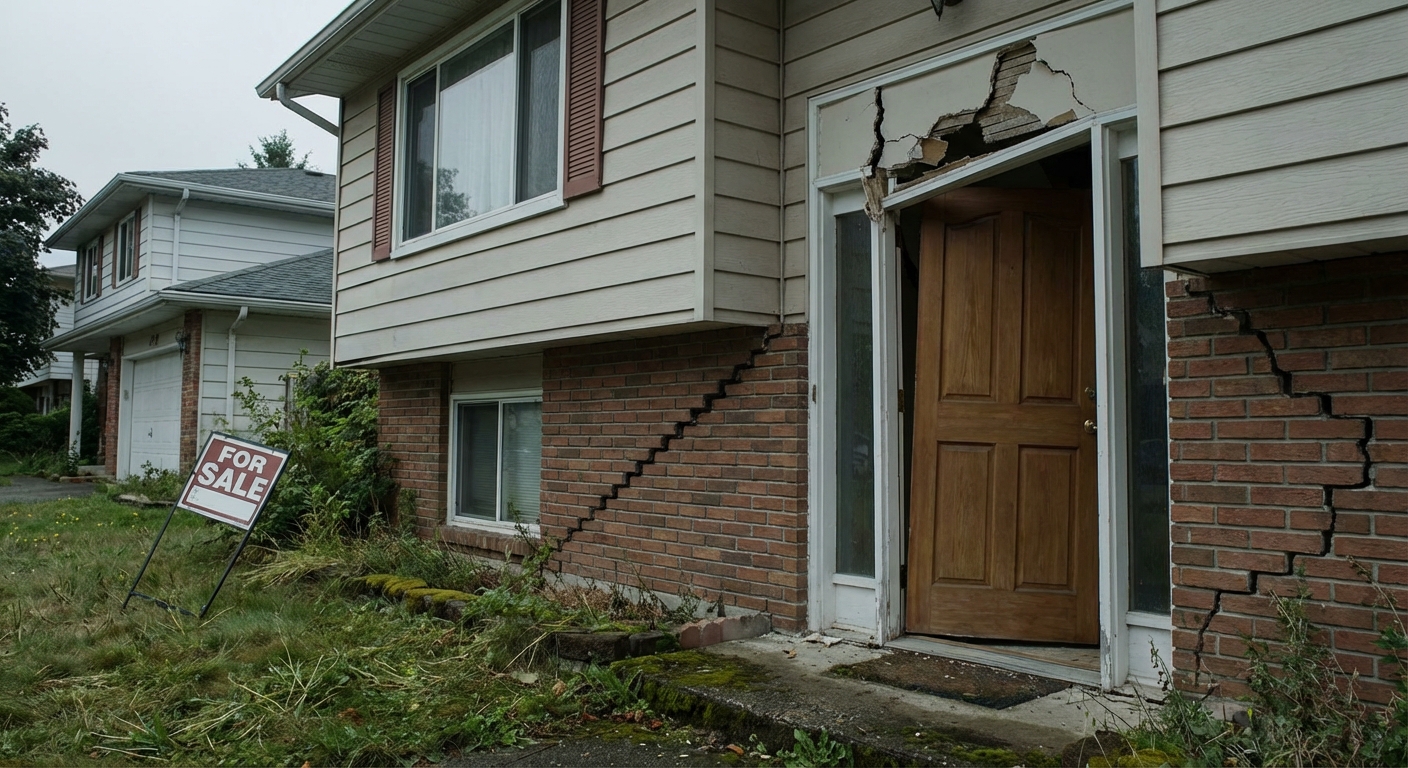
– **Cracks in Walls and Floors**: Small hairline cracks may seem harmless, but larger cracks, particularly those wider than a quarter-inch, indicate significant issues.
– **Uneven Floors**: If you feel like you’re living in a funhouse, chances are your floors are sloping or sagging due to foundation problems.
– **Doors and Windows That Stick**: If your door becomes a gymnastic challenge to open—or worse, doesn’t close at all—it might be time to investigate your foundation.
– **Water Pooling Around the House**: If the ground around your home seems more like a swamp, improper drainage can lead to foundational woes.
– **Gaps Between the Wall and Floor**: This is not a trendy design choice; it’s a sign of settlement issues.
If you notice any of these signs, don’t panic! Just grab your detective hat and read on for some effective foundation repair solutions.
Effective Foundation Repair Solutions
Now that you’ve donned your investigative cap, let’s explore some strategies for fixing those pesky foundation issues. Remember, while some DIY repairs might be feasible, it’s often best to consult professionals—especially if your home starts to resemble an episode of “Extreme Makeover: Foundation Edition.”
1. **Underpinning**: This method involves deepening or strengthening the foundation by extending it to a deeper, more stable soil layer. It’s akin to giving your home a solid pair of boots for those wobbly days. Underpinning can involve several techniques, such as piering and slab jacking.
2. **Piering**: This technique uses steel piers or helical piers to stabilize the foundation. By drilled into bedrock or stable soil, piers lift and support the foundation, bringing it back to its original level. It’s like getting a robust chair to support your favorite table.
3. **Slab Jacking**: If your home has settled unevenly, slab jacking (or mud jacking) could be your go-to solution. This involves pumping a special mixture under the slab to raise it back into position. Think of it like giving your home a nice, supportive cushion.
4. **French Drains**: If water pooling is an issue, installing French drains can help redirect water away from your foundation. It’s like giving your home a drainage spa day.
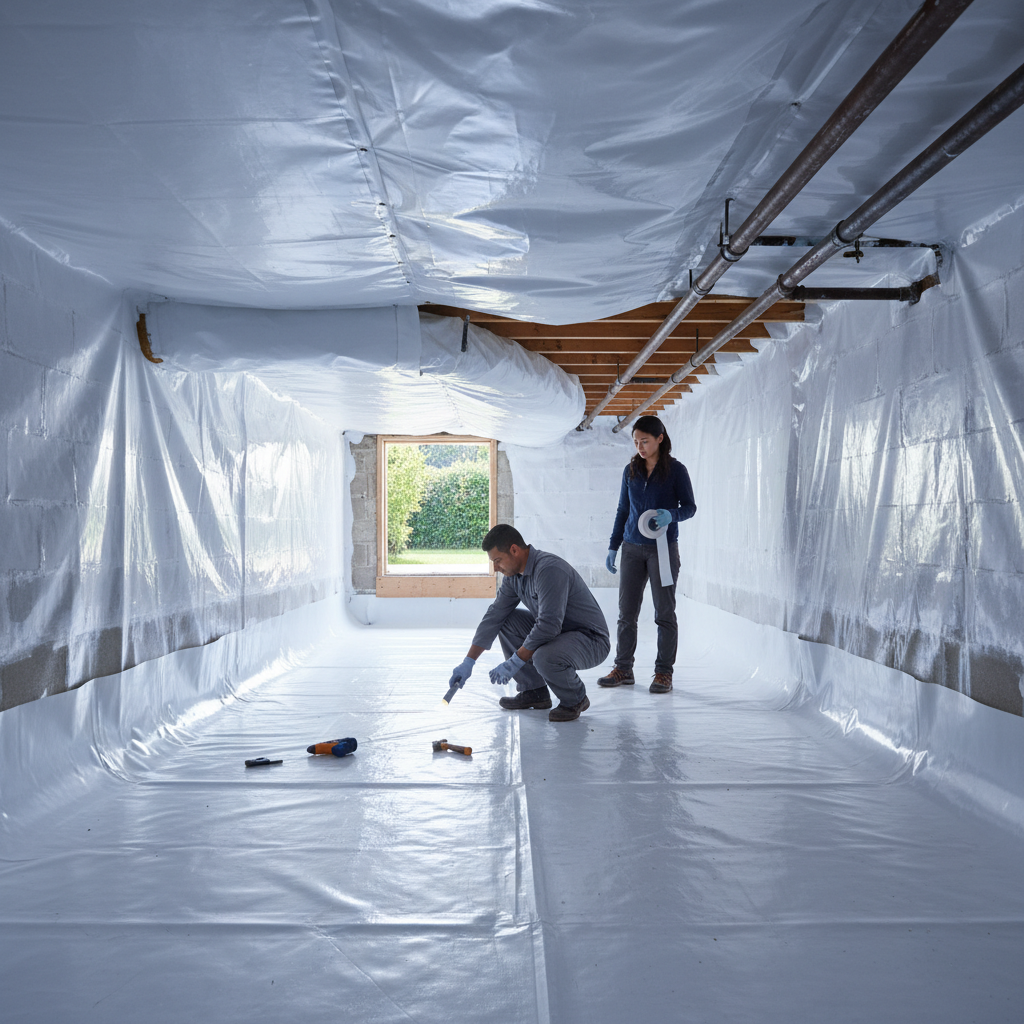
5. **Moisture Control Solutions**: For crawl spaces, installing vapor barriers, dehumidifiers, and proper ventilation can do wonders in keeping things dry and mold-free. Who knew moisture control could be so glamorous?
6. **Foundation Coatings**: If your basement is suffering from leaks, applying waterproof coatings on the interior walls can help reduce water infiltration. It’s like giving your basement a fashionable raincoat.
DIY vs. Professional Help: What’s Right for You?
While some minor repairs can be tackled with a toolbox and a bit of determination, significant foundation issues often require professional intervention. Here are some scenarios to help you decide:
– **Do It Yourself**: If you’re dealing with tiny cracks that barely disrupt your aesthetic sensibilities (and you enjoy a good DIY project), feel free to use epoxy injections or patching compounds.
– **Call a Professional**: If you have large structural cracks, doors that refuse to cooperate, or water pouring in like it’s auditioning for a role in a flood movie, it’s time to call in the experts. A certified foundation repair contractor can assess the problem accurately and recommend the best course of action.
Maintaining Your Foundation
Once you’ve successfully repaired your foundation, you’ll want to ensure it stays in prime condition. Regular maintenance can go a long way in prolonging the life of your foundation.
– **Ensure Proper Drainage**: Keep gutters clean and extend downspouts away from your home to prevent water accumulation.
– **Monitor Soil Moisture**: During dry spells, consider watering the soil around your foundation. Too little moisture can lead to soil shrinkage, which potentially causes settling.
– **Inspect Regularly**: Regular checks for the signs of foundation issues should become routine. Look for cracks, sticking doors, or any new symptoms. Early detection is key!
– **Landscaping**: Be careful with landscaping. Excessive moisture from plants too close to the foundation can cause issues. Choose plants wisely!
The Cost Factor of Foundation Repair
Ah, yes—the elephant in the room: cost. Foundation repair isn’t a “cheap date,” but it’s crucial for maintaining the integrity of your home. The price tag will vary based on factors such as the extent of the damage, the repair methods used, and your geographical location.
For simple crack repairs, you might spend a few hundred dollars. However, extensive underpinning may run you several thousand. It’s a hefty investment, but think of it as investing in the health and longevity of your home.
Final Thoughts
Transforming your home into a safe, stable space starts with understanding and addressing foundation issues. Whether you choose to tackle repairs yourself or enlist professional help, taking action against foundation woes is essential. Remember, ignoring the problem won’t make it magically disappear—it’s more likely that it will grow (and not in a good way).
So, keep an eye on those cracks and remember to maintain your foundation with care. With the right approach, you can ensure your home stays a reliable haven for years to come. Now go forth and give your foundation the TLC it deserves!