
Transform Your Home: The Ultimate Guide to Effective Foundation Repair Solutions
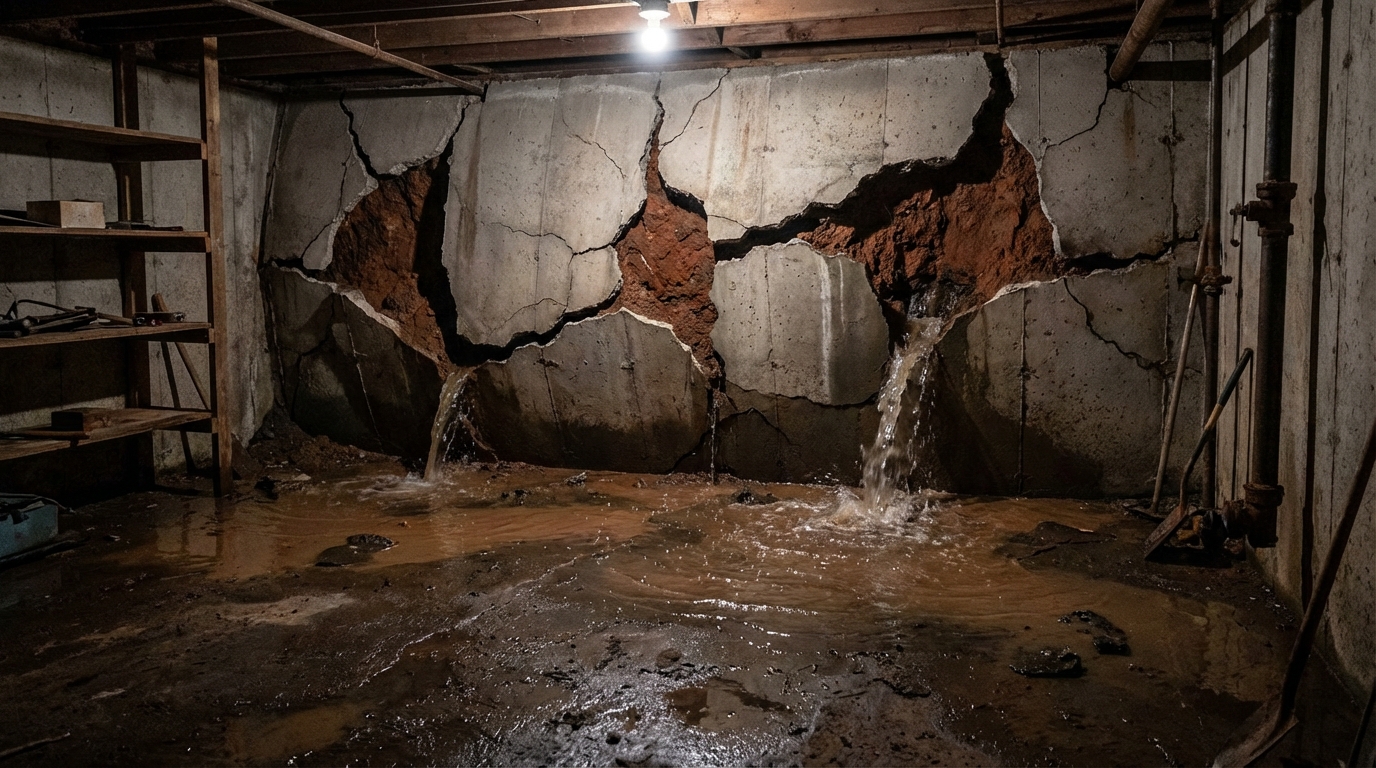
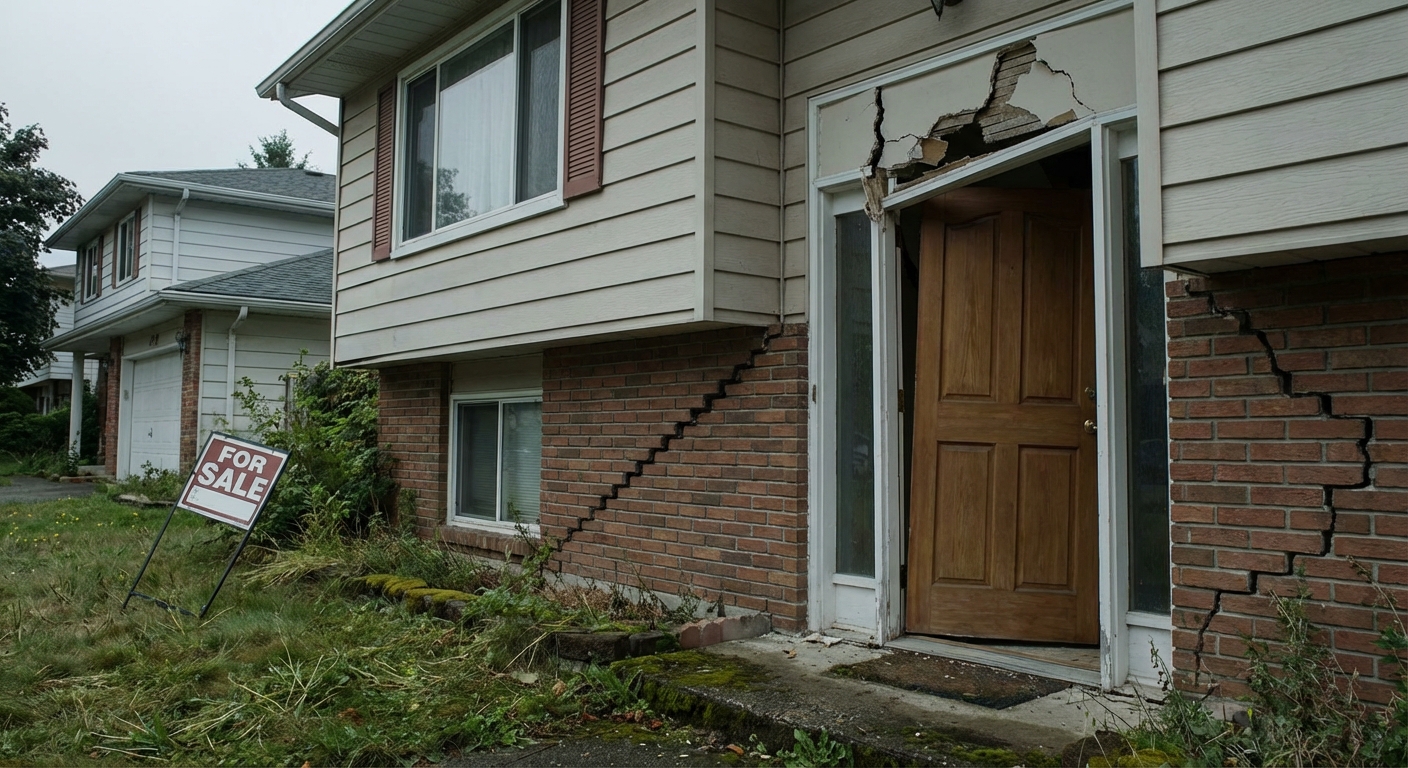
Your home is more than just four walls and a roof; it’s where memories are made, laughter echoes, and sometimes, where the floors do the cha-cha because of foundation issues. If you’ve noticed cracks in your walls that look a little too much like a modern art piece or doors that have taken on a life of their own, fear not! You’re not alone, and more importantly, there are effective solutions to restore stability to your abode.
Understanding Foundation Issues
Before diving into repair solutions, let’s first understand what might be causing your foundation woes. Foundations can shift and settle due to various factors, including soil conditions, moisture, and even the type of construction materials used. Here are some of the common culprits behind foundation problems:
1. **Soil Settlement**: Different types of soil react differently to moisture and load. Clay soils, for instance, can expand when wet and shrink when dry, leading to shifting foundations.
2. **Poor Drainage**: Water pooling around the foundation can lead to erosion and instability. Draining away water is essential to keeping your foundation secure.
3. **Tree Roots**: While trees add beauty to your yard, their roots can wreak havoc on your foundation if they grow uncontrollably deep.
4. **Temperature Fluctuations**: Extreme changes in temperature can expand and contract the materials used in your foundation, potentially leading to cracks.
5. **Construction Errors**: Sometimes, the problem originates from the beginning if the foundation wasn’t properly designed or installed.
Now that you’re familiar with the potential suspects, let’s explore the solutions to these problems, whether you’re a DIY enthusiast or one who prefers to leave it to the professionals.
Signs That Your Foundation Needs Attention
Recognizing the signs of foundation damage early on can save you time, stress, and a considerable amount of money. Here are some indicators that your foundation might need a little TLC:
– Cracks in walls or ceilings, especially those that are wider than a quarter-inch.
– Doors and windows that jam or don’t close properly.
– Uneven or sloping floors (no, this isn’t a dance floor).
– Gaps between walls and ceilings.
– A noticeable tilt of your house (and no, we’re not talking about a trendy architectural style).
If you see any of these signs, it’s time to act – and no, ignoring them while hoping for the best isn’t a strategy!
DIY vs. Professional Foundation Repair
When it comes to foundation repair, the first decision you need to make is whether you’ll tackle the job yourself or hire a professional.
**DIY Repairs**: If you’re feeling particularly handy, some minor repairs can be tackled without calling in the pros. Simple fixes, like sealing cracks with epoxy or using concrete patching compounds, can help stabilize your foundation temporarily. However, be cautious: small fixes can sometimes lead to bigger problems if not done correctly.
**Professional Repair**: For significant issues, it’s generally advisable to seek help from foundation repair specialists. Professionals can assess the extent of the damage and recommend the right course of action. Plus, they come equipped with fancy tools and years of experience – two things you might not find in your toolbox.
Types of Foundation Repair Solutions
Let’s take a closer look at some of the most common methods used to repair foundations. Whether you choose a DIY solution or call in the cavalry, understanding your options is crucial.
1. **Foundation Underpinning**: If your foundation is settling, underpinning is a viable solution. This technique involves extending the foundation deeper into more stable soil. It’s like giving your house a new pair of shoes that fit well.
2. **Piering**: There are several piering techniques, such as helical piers and push piers. These methods involve inserting metal piers into the ground below the foundation to provide additional support. This is a serious fix that addresses significant structural issues—like a sturdy lifeboat in a stormy sea.
3. **Slabjacking**: If you have a concrete slab foundation that has sunk, slabjacking is your go-to fix. This process involves injecting a grout mixture beneath the slab, raising it back to its original level and restoring balance. Think of it like giving your foundation a nice little boost.
4. **Drainage Improvements**: Remember that drainage issue we mentioned? Installing French drains, improving gutters, or grading your yard away from the house can help redirect water and prevent future foundation problems. A well-drained foundation is a happy foundation!
5. **Crawl Space Repair**: For homes with crawl spaces, encapsulation or adding a dehumidifier can help maintain a stable environment that minimizes damage due to moisture. Nobody likes a damp basement or crawl space; it’s like living in a perpetual rainstorm.
Cost Considerations
The cost of foundation repairs can vary widely depending on the severity of the problem, your geographical location, and the method chosen. Here’s a rough guide:
– **Minor Repairs**: DIY repairs might only cost a few hundred dollars for materials, while hiring someone could run you between $1,000 to $3,000.
– **Moderate Repairs**: Underpinning and piering typically range from $3,000 to $10,000, depending on the extent of the work needed.
– **Severe Problems**: Major repairs that involve extensive work or structural reinforcements can set you back anywhere from $10,000 to $30,000 or more, depending on the specifics of your project.
While these numbers can be daunting, consider them an investment in preserving your most significant asset. After all, a solid foundation is integral to protecting your home’s value—and sanity.
Preventive Measures for Future Stability
Once the repairs are completed, you’ll want to prevent future foundation issues from rearing their ugly heads. Here are some strategies to keep your foundation healthy and crack-free:
1. **Maintain Proper Drainage**: Ensure gutters are clean and functioning well, and redirect downspouts away from the foundation.
2. **Monitor Soil Moisture**: In drought-prone areas, make sure to water your plants regularly, but avoid overwatering that could saturate the soil.
3. **Plant Trees Wisely**: Be strategic about tree planting to avoid root encroachment. Ideally, plant trees at least five to ten feet from your home’s foundation.
4. **Seal Cracks Promptly**: Don’t ignore small cracks! Seal them as soon as they arise to prevent them from growing into larger, more expensive issues.
5. **Regular Inspections**: Consider scheduling periodic checks for foundation integrity, especially if you live in an area prone to soil movement or extreme weather.
Final Thoughts
Foundation repairs can feel intimidating, but with the right knowledge and foresight, you can restore stability to your home and protect your investment. Whether you tackle minor repairs yourself or enlist the help of professionals for significant issues, remember: taking action sooner rather than later can save you both headaches and money down the line.
So, roll up those sleeves, grab that tool belt, or pick up the phone, because transforming your home starts with a strong foundation—and yours deserves the very best!