
Understanding the Importance of Basement Waterproofing: Protecting Your Home from Water Damage
Owning a home is one of life’s greatest joys, but it comes with its fair share of responsibilities, and one of those responsibilities involves keeping your castle dry. You might think of your basement as just that forgotten space where old boxes go to collect dust—or worse, those half-finished DIY projects that have taken on a life of their own. But there’s a darker reality lurking beneath your feet: water damage. Understanding basement waterproofing can be the difference between a cozy, functional living space and a flooded dungeon worthy of a horror film.
Why Should You Care About Your Basement?
First things first: basements are not just lower-level storage units. They can become vital parts of your home. Whether you fancy converting yours into a home gym, a cozy guest suite, or an entertainment oasis, a well-protected basement opens up endless possibilities. But let’s face it: if water starts seeping through the walls or pooling on the floor, all bets are off.
Water damage can wreak havoc on your home’s structure and air quality. Mold and mildew thrive in damp environments, presenting health risks and even reducing property values. Protecting your basement isn’t just about safeguarding your belongings; it’s about preserving your investment and ensuring the well-being of everyone who walks through your front door.
Understanding Water Intrusion
To effectively waterproof your basement, it’s essential to understand how water makes its way into this subterranean space. There are several factors at play here:
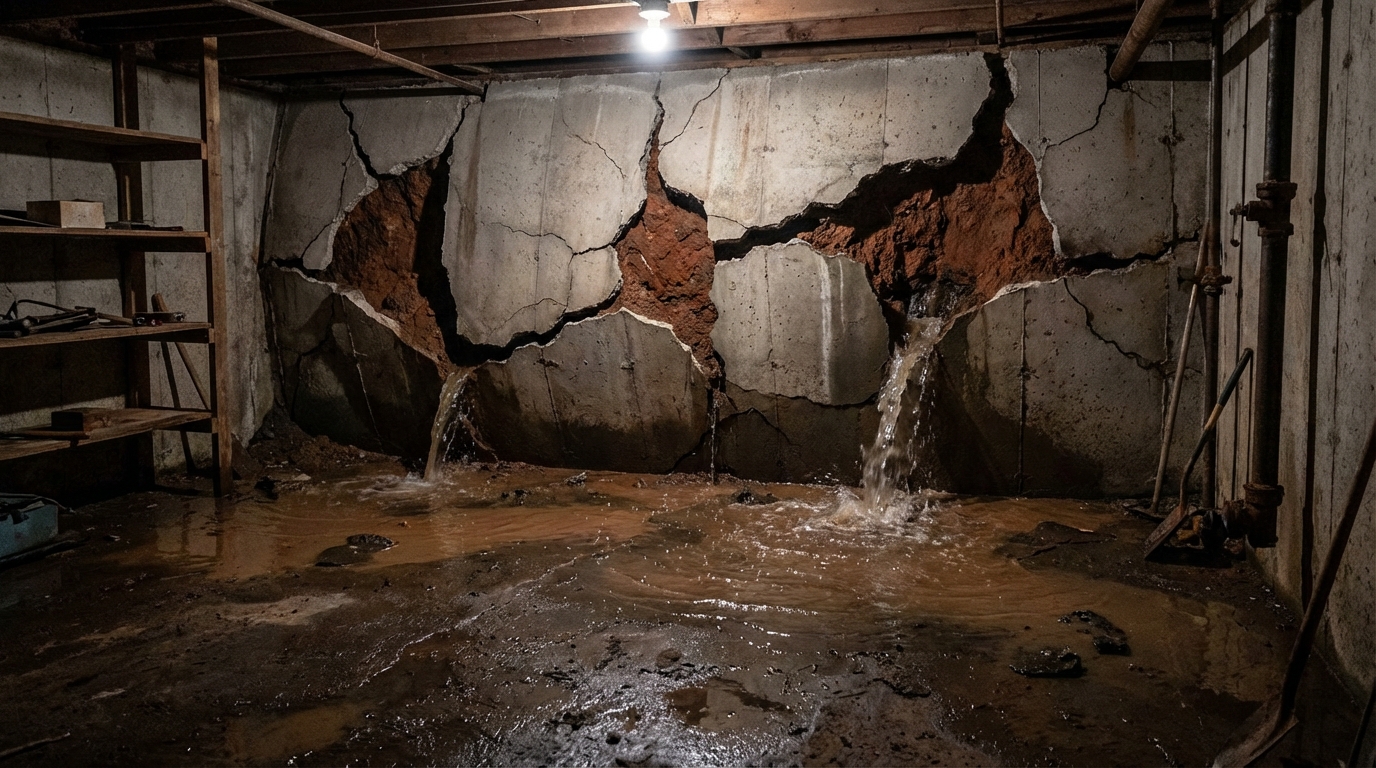
1. **Hydrostatic Pressure**: This term sounds fancy, but it simply refers to the pressure exerted by groundwater on your basement walls. When it rains heavily, the soil around your home absorbs more water than it can handle, leading to increased pressure and potential leakage through cracks.
2. **Improper Grading**: If your yard slopes toward your home instead of away from it, welcome to the water slide! Rainwater will naturally flow toward the foundation rather than away, creating a perfect storm for basement moisture issues.
3. **Clogged Gutters**: Believe it or not, those innocent-looking gutters play a critical role in your home’s drainage system. Clogged gutters can overflow and direct water straight onto your foundation, inviting trouble below.
4. **Faulty Drainage Systems**: A malfunctioning sump pump or inadequate drainage system can turn your basement from a peaceful retreat into a swimming pool. Regular maintenance is key to keeping these systems functioning properly.
The Consequences of Ignoring Basement Waterproofing
We all know the saying “a stitch in time saves nine.” Well, when it comes to basement waterproofing, neglect can lead to catastrophic consequences—and trust me, they won’t be cheap to fix. Here’s what you might be looking at if water finds its way into your beloved basement:
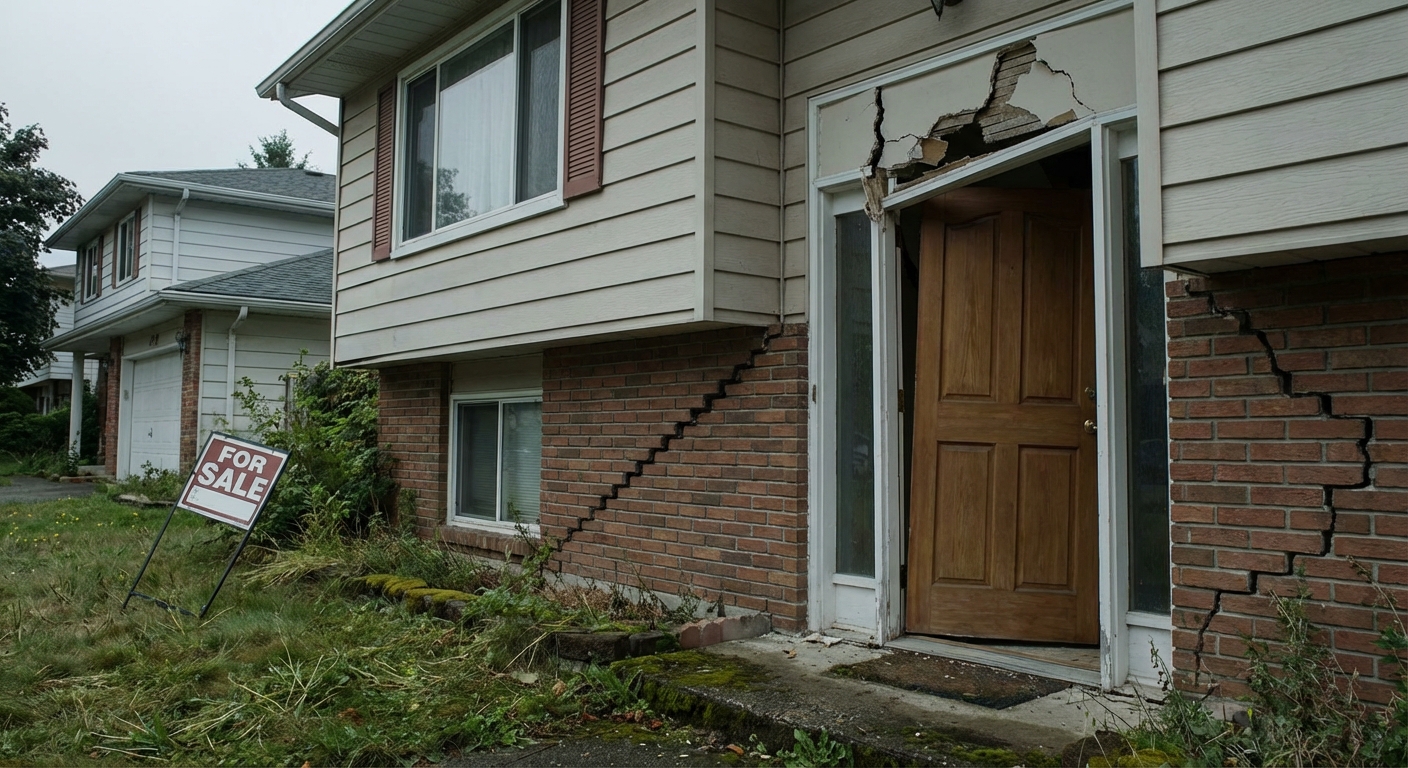
– **Structural Damage**: Water can weaken the structural integrity of your home over time. Foundation cracks and shifting can lead to costly repairs—a headache you’d rather avoid.
– **Mold and Mildew Growth**: These unwelcome house guests can appear within 24 to 48 hours of a water intrusion. Not only do they smell bad, but they can also trigger allergic reactions and respiratory issues. And let’s be real—nobody wants to live in a science experiment gone wrong.
– **Decreased Property Value**: Homebuyers tend to steer clear of properties with a history of water damage. A wet basement can drop your home’s value faster than a bad haircut.
– **Increased Energy Costs**: Damp basements can contribute to higher energy bills; moist air is harder to heat and cool. You may as well throw your money out the window.
The Benefits of Basement Waterproofing
Now that we’ve established why you should care about moisture management in your basement, let’s dive into the benefits of investing in proper waterproofing.
1. **Increased Home Value**: A dry, well-maintained basement adds value to your home. Prospective buyers will appreciate the peace of mind that comes with knowing they’ve escaped the dreaded leaky basement curse.
2. **Improved Health**: A waterproof basement prevents mold growth, which in turn helps keep the air you breathe healthier. This is especially important if you have little ones or anyone in the family with allergies.
3. **Enhanced Usability**: Waterproofing opens the door to utilizing your basement for various purposes—be it an office, gym, or man cave. Who wouldn’t want an oasis of tranquility right under their feet?
4. **Energy Efficiency**: By keeping your basement dry, you can help maintain consistent temperatures in your home. This can result in lower heating and cooling costs, giving your wallet a much-deserved break.
5. **Peace of Mind**: Knowing that your basement is protected from water damage provides unmatched peace of mind. It allows you to focus on the important things in life—like binge-watching your favorite shows without worrying if you’ll come home to a soggy mess.
How to Waterproof Your Basement
So, what steps can you take to protect your basement from water damage? Here are several effective strategies:
1. **Improve Grading**: Ensure your yard slopes away from your home, directing rainwater away from your foundation. Proper grading is the first line of defense.
2. **Gutter Maintenance**: Regularly clean your gutters and downspouts to ensure they’re free of debris. Consider extending downspouts at least six feet away from the foundation to direct water far from your home.
3. **Install a Sump Pump**: For homes prone to flooding, a sump pump can be a lifesaver. It actively pumps water out of your basement, keeping it dry during heavy rains. Just make sure it’s regularly maintained!
4. **Seal Cracks and Joints**: Inspect your basement walls and foundation for cracks, and seal them using hydraulic cement or a waterproofing sealant. Addressing these minor imperfections can prevent significant issues later on.
5. **Use Waterproofing Paint**: Applying waterproof paint to your basement walls can serve as an additional barrier against moisture. This paint creates an impermeable coating that helps keep water at bay.
6. **Install a Drainage System**: If you’re serious about waterproofing, consider installing a French drain or a drainage tile system to redirect water away from your basement. This method can be particularly effective in areas with high water tables.
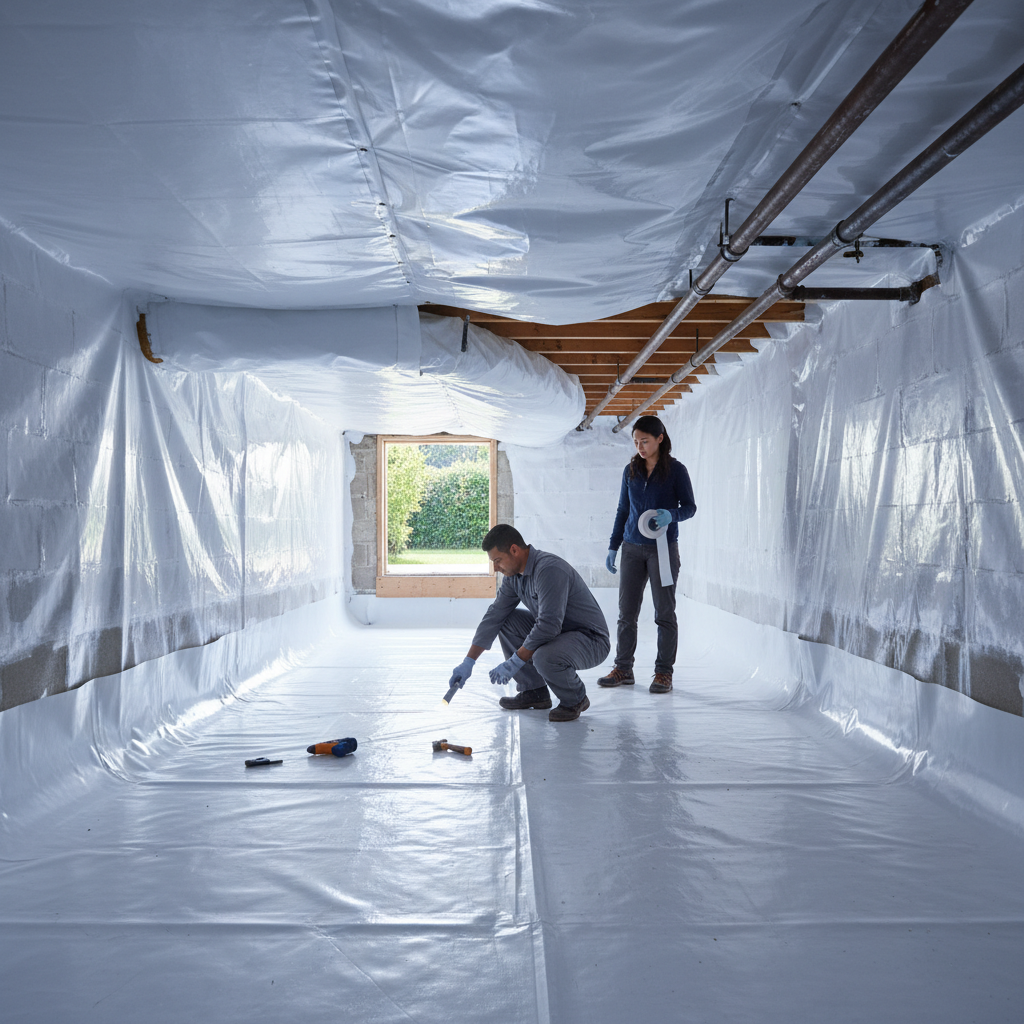
7. **Install a Vapor Barrier**: Adding a vapor barrier to the walls and floor of your basement can help keep moisture at bay. This can be especially beneficial if you plan to finish your basement.
8. **Hire a Professional**: While some waterproofing tasks are DIY-friendly, hiring a professional waterproofing contractor can save you time, effort, and potential mistakes. They can assess your specific situation and recommend tailored solutions.
Conclusion
In conclusion, understanding the importance of basement waterproofing is essential for any homeowner. With a little proactive care and a pinch of common sense, you can shield your castle from the perils of water damage. Remember, the cost of preventing a problem is invariably less than the cost of fixing one. So, roll up your sleeves, don your DIY hat, or call in the pros. Your future self (and your wallet) will thank you. And who knows—once your basement is safe and sound, you might even find yourself giving it the makeover it deserves. After all, a happy home starts from the ground up, and there’s nothing quite like the peace of mind that comes from knowing your basement is safe from the whims of Mother Nature.