
Here’s the Backstory
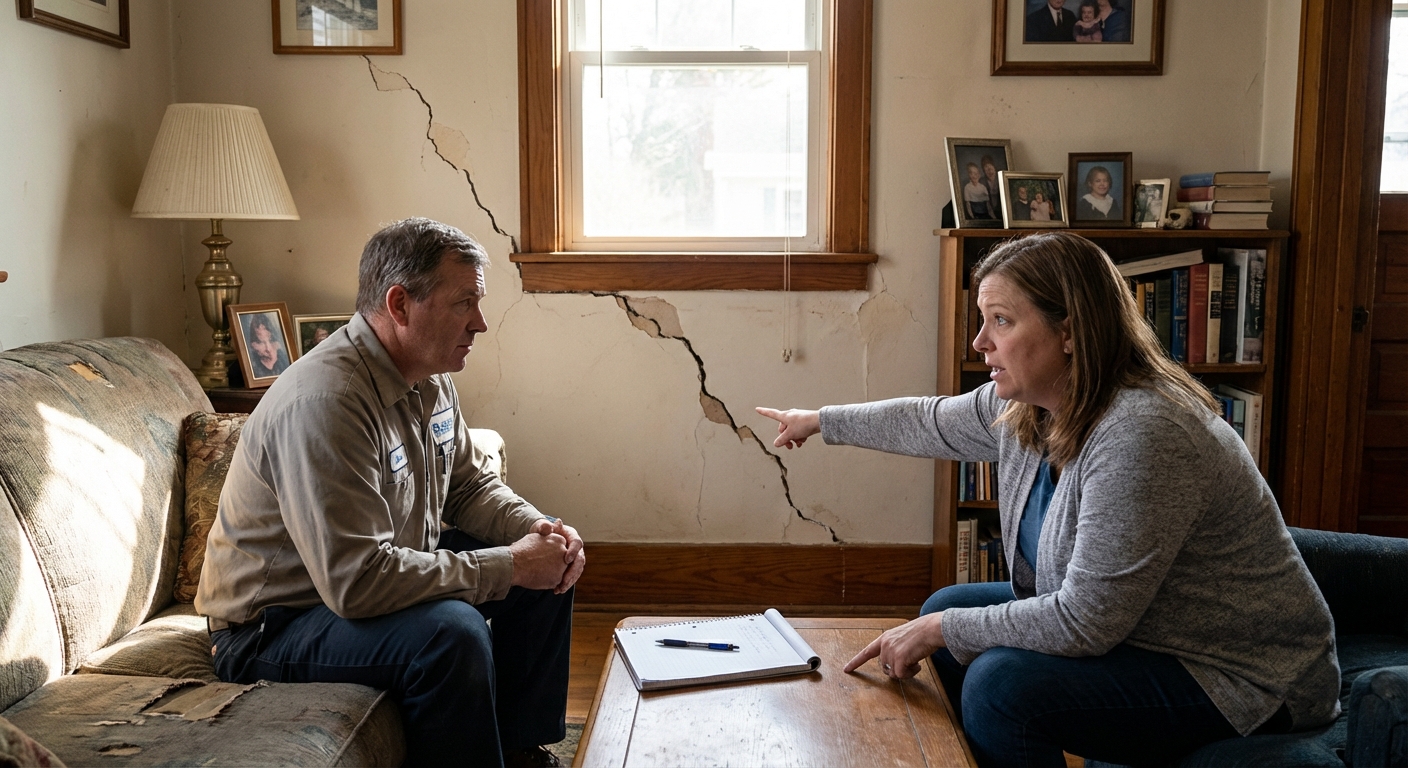
I was sitting with a homeowner in Greenville the other day, looking at a crack running from their living room window almost down to the baseboard. They looked at me and said, “Be honest… how bad is this, and what’s this engineer thing going to cost me?”
If you’re poking around online trying to figure out the average cost of foundation engineering report North Carolina homeowners are paying right now, you’re probably in the same boat. You see cracks, maybe a sticking door, maybe a sloping floor, and suddenly everyone’s saying:
- “You need an engineer.”
- “Don’t do any work until you get a report.”
- “Your city might want stamped plans.”
Sounds expensive, right?
Let’s Make This Simple
I don’t know everything, but I’ve seen a lot of reports and quotes all over North Carolina and up through South Carolina. Here’s the simple version of what most people want to know:
- What you’ll actually pay for a structural engineer.
- What affects the price (so you’re not shocked when you get the quote).
- How to tell if you even need one right now.
- How to avoid paying for more “paperwork” than you really need.
So What’s the Average Cost, Really?
Let’s talk numbers first, then we’ll dig into the details.
For a typical single-family home in North Carolina, the average cost of a foundation engineering report
- Low end: $400–$600 (basic visit, simple written summary)
- Typical range: $600–$1,200 (full site visit + stamped report)
- High end: $1,200–$2,000+ (larger homes, complex issues, or detailed repair plans)
For most homeowners with a normal-sized house in places like Charlotte, Raleigh, Greensboro, or Wilmington, you’re probably going to land somewhere around $700–$1,000.
Could you see a quote outside that range? Sure. But if someone’s quoting $250 for a “full structural report” or $3,500 for a basic look at a crack, that’s when my eyebrow goes up.
Let’s Break This Down
Why does the price jump around so much? A few big things:
1. Where Your Home Is
A townhome in uptown Charlotte is a different world than a farmhouse outside Asheville or a beach house near Wilmington.
- Big metro areas (Charlotte, Raleigh, Durham): Usually in that mid to upper range. More engineers around, but also higher demand.
- Smaller towns (Shelby, Hickory, Monroe): Sometimes a bit lower, but you might pay a travel fee.
- Coastal or mountain areas: Sometimes higher because soil, slopes, and access make the work more complex.
2. Size and Complexity of Your House
A 1,400 sq. ft. ranch slab in Gastonia is not the same as a 4,000 sq. ft. basement home built on a slope in Asheville.
- Smaller, simple homes: Less to inspect, fewer foundation types, usually on the lower end of the range.
- Larger or multi-story homes: More load paths, more walls, more measurements. That takes time.
- Basements and crawl spaces: Extra spaces to inspect, extra notes for the report.
3. What You Actually Need from the Engineer
This is the part most people don’t realize: not every “engineering report” is the same.
- Quick letter or opinion: “I inspected the home and the observed cracking is consistent with minor settlement…” — cheaper.
- Full structural report: Includes photos, diagrams, measurements, and a clear description of what’s happening and what should be done.
- Stamped repair plans: Detailed drawings your contractor uses, sometimes required by your city for permits — usually higher cost.
The more detailed and “official” the document, the more time it takes the engineer, and the more you’ll pay.
4. How Messy the Problem Is
One small cosmetic crack in a drywall seam doesn’t take long to investigate. But:
- Multiple cracks in different areas
- Sticking doors and windows
- Sloping or bouncy floors
- Moisture in the crawl space
All of that requires more detail: measurements, maybe a floor level survey, more photos, and more thought from the engineer.
5. Extra Services (That Nobody Tells You About Up Front)
Some engineers offer add-ons:
- Re-inspection after repairs
- Permit help and revisions if the city asks for changes
- Consult calls with your contractor or real estate agent
Those might be included in the original fee or billed separately. Always ask.
Here’s the Truth: Do You Even Need a Report?
This might sound weird coming from someone who likes a good engineering report, but sometimes you don’t need to jump straight to paying for one.
Times It Usually Makes Sense to Hire an Engineer
- You’re buying or selling a home and the inspection flagged structural issues.
- The city or county is asking for stamped plans or a letter.
- You’ve got serious signs of movement: big cracks, doors that won’t close, floors that feel way off.
- You want a neutral, third-party opinion before spending thousands on repairs.
Times You Might Be Able to Wait
- Hairline cracks in drywall that follow seams only.
- Minor nail pops with no other symptoms.
- Very small cracks in brick mortar that haven’t changed in years.
In those “maybe” cases, I like to start with a free foundation inspection from a qualified contractor and get eyes on it. Then, if things look serious or unclear, that’s when I tell people to bring in an engineer.
A Little Insider Insight: What Should Be in the Report?
If you’re paying hundreds of dollars, you should get more than a two-line email. A solid foundation engineering report typically includes:
- Engineer’s name, license number, and contact info
- Property address and date of inspection
- Summary of what the engineer saw (cracks, slopes, moisture, framing issues)
- Engineer’s opinion on cause (settlement, shrinkage, poor drainage, etc.)
- Recommendations for repair or monitoring
- Whether repairs are urgent or can be watched over time
- Signature and stamp (if it’s an official document)
If your report is missing half of that, don’t be afraid to ask questions.
A Real-Life Moment from Charlotte
Let me walk you through something that happens a lot.
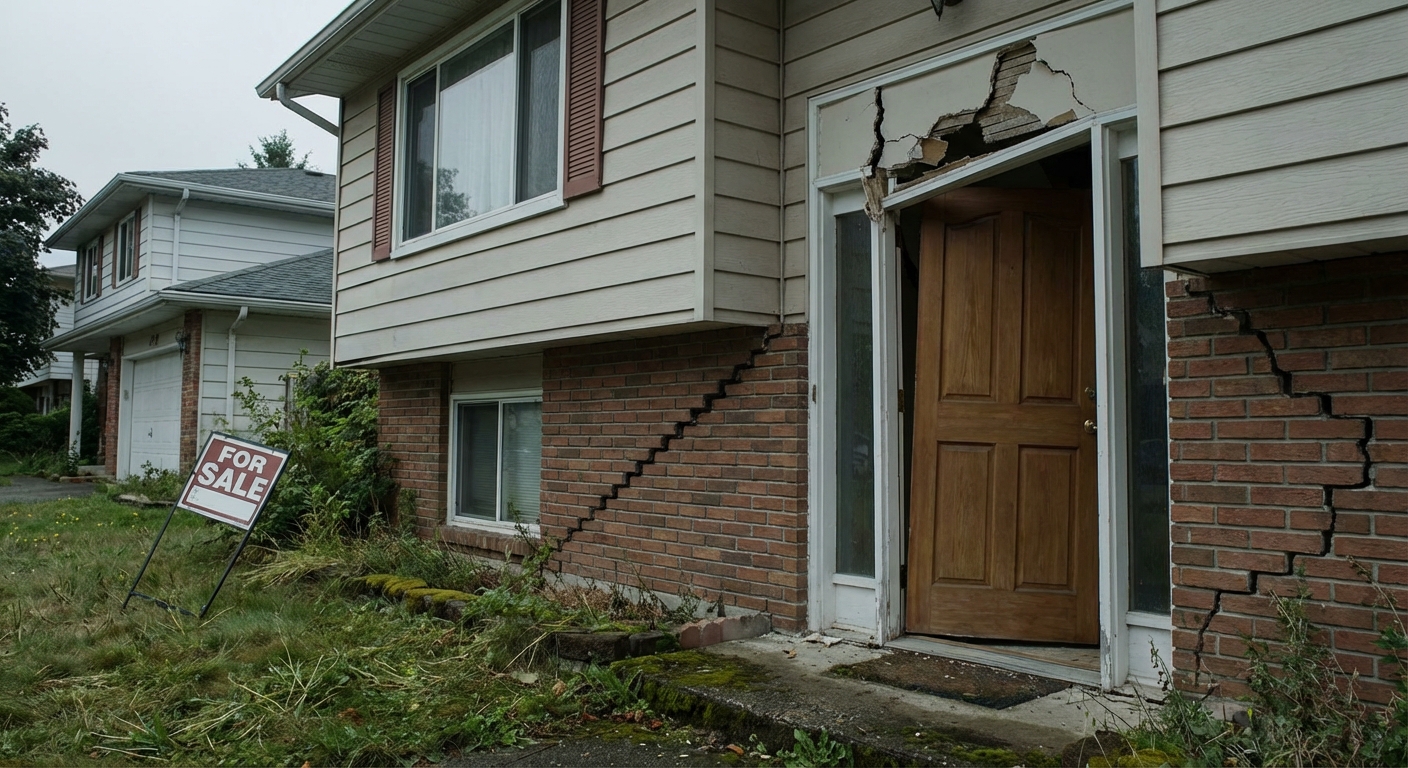
A couple in south Charlotte (we’ll call them Mark and Dana) called me out because their brick had a zig-zag crack by the garage and their front door kept rubbing at the top in humid weather.
They’d already talked to a structural engineer who quoted them about $950 for:
- A site visit
- A full written report
- Stamped repair recommendations they could turn in for permits
That price, for that scope, was actually pretty normal for their area and house size.
But here’s where it got interesting: after a detailed foundation inspection, we realized:
- The crack had been there for years and wasn’t growing.
- The door issue lined up more with framing and humidity than major movement.
- The floor slopes were minimal and consistent with normal building tolerances.
Mark and Dana talked with the engineer again and decided to start with a more basic letter (no detailed plans) for around $500, mainly to keep the future buyers and real estate agent comfortable. They didn’t need the full-blown report yet.
Same house. Same engineer. Different scope. Different price.
The Part No One Talks About: Insurance and Reports
A quick tangent, because this comes up constantly in coffee shops around Greensboro and Spartanburg: “If I get a report that says my foundation is damaged, will my home insurance help?”
Most standard homeowners policies in North Carolina don’t cover normal settlement or long-term soil movement. There are some exceptions, like sudden events (explosion, certain plumbing leaks, etc.), but slow settlement is usually excluded. The engineer’s report might help explain cause, but it doesn’t magically make coverage appear.
That’s why I always say: hire the engineer for clarity and safety, not because you’re sure insurance is going to cut a big check. If you want to dig deeper into what’s usually covered, the North Carolina Department of Insurance has some helpful consumer info you can read through here: North Carolina DOI site.
A Quick Reality Check Before You Book
Before you schedule an engineer, ask yourself:
- What’s my goal? Sell the house, get peace of mind, pull a permit, or plan repairs?
- What level of detail do I really need? Letter, full report, or full plans?
- Is there already a contractor estimate? Sometimes an engineer can comment on those plans instead of starting from scratch.
- Have I gotten at least one on-site foundation inspection? It helps narrow down what you need from the engineer.
What You Can Do Next
If this all feels like a lot, here’s a simple way to move forward without losing your mind:
- Document what you see. Take photos of cracks, doors, and floors. Note dates and any changes.
- Get a free foundation inspection first. Let someone crawl, measure, and explain what they see in plain English.
- Ask, “Do I really need an engineer right now?” If the situation is serious or unclear, that’s usually a yes.
- Call 2–3 engineering firms. Ask about:
- Price range
- Exactly what’s included
- Timeline for getting the report
- Match the scope to your goal. Don’t pay for full-blown drawings if you only need a letter for peace of mind.
If You Only Remember One Thing…
The big takeaway is this: the average cost of foundation engineering report North Carolina homeowners see is usually between $600 and $1,200 for a normal home. But the real key isn’t just the price – it’s getting the right level of detail for your situation.
If you’re staring at a crack in your living room in Columbia or wondering why that back door in Winston-Salem suddenly won’t close, you don’t have to figure it out alone. Start small: get someone you trust to look, ask a few questions, and then decide if an engineer is the next smart step.
And if you’re still not sure what you actually need, reach out and ask. One honest conversation can save you a lot of money, and a lot of stress, down the road.