

Here’s the Backstory
A few weeks ago, I was sitting in a coffee shop in Greensboro, chatting with a homeowner who looked absolutely worn out. She slid her phone across the table and said, “Tell me this isn’t normal,” and showed me photos of cracks zig‑zagging up her living room wall and a door that suddenly wouldn’t close.
Here’s the twist: her floors weren’t sinking. Parts of them were actually higher than before. The slab had lifted. That’s when we started talking about
foundation repair for foundation heave in North Carolina clay.
If you’re in Charlotte, Raleigh, Asheville, Spartanburg, Greenville, or honestly anywhere in this region, you’re sitting on some pretty stubborn soil. And sometimes, that soil starts pushing up instead of letting your house sit quietly on top of it.
Let’s Get Honest for a Second: What Is Heave, Really?
You hear “foundation problems” and most people think “settling” or “sinking.” But heave is the annoying cousin that does the opposite. The soil swells and lifts parts of your foundation.
North Carolina and South Carolina have a lot of expansive clay. When that clay:
- Gets soaked with water (heavy rain, drainage issues, leaking plumbing)
- Or really dries out, then re‑hydrates again and again
it swells like a sponge. That swelling puts upward pressure on your slab or footings.
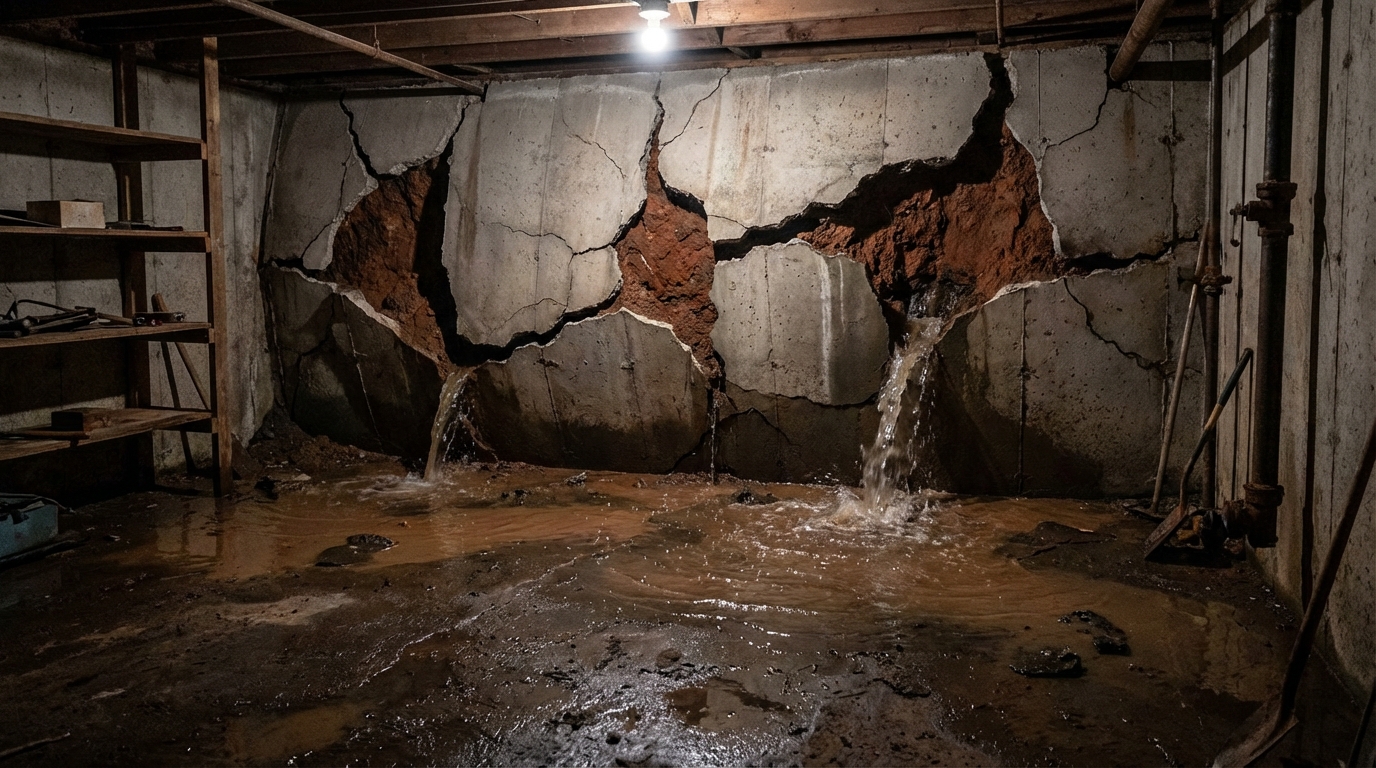
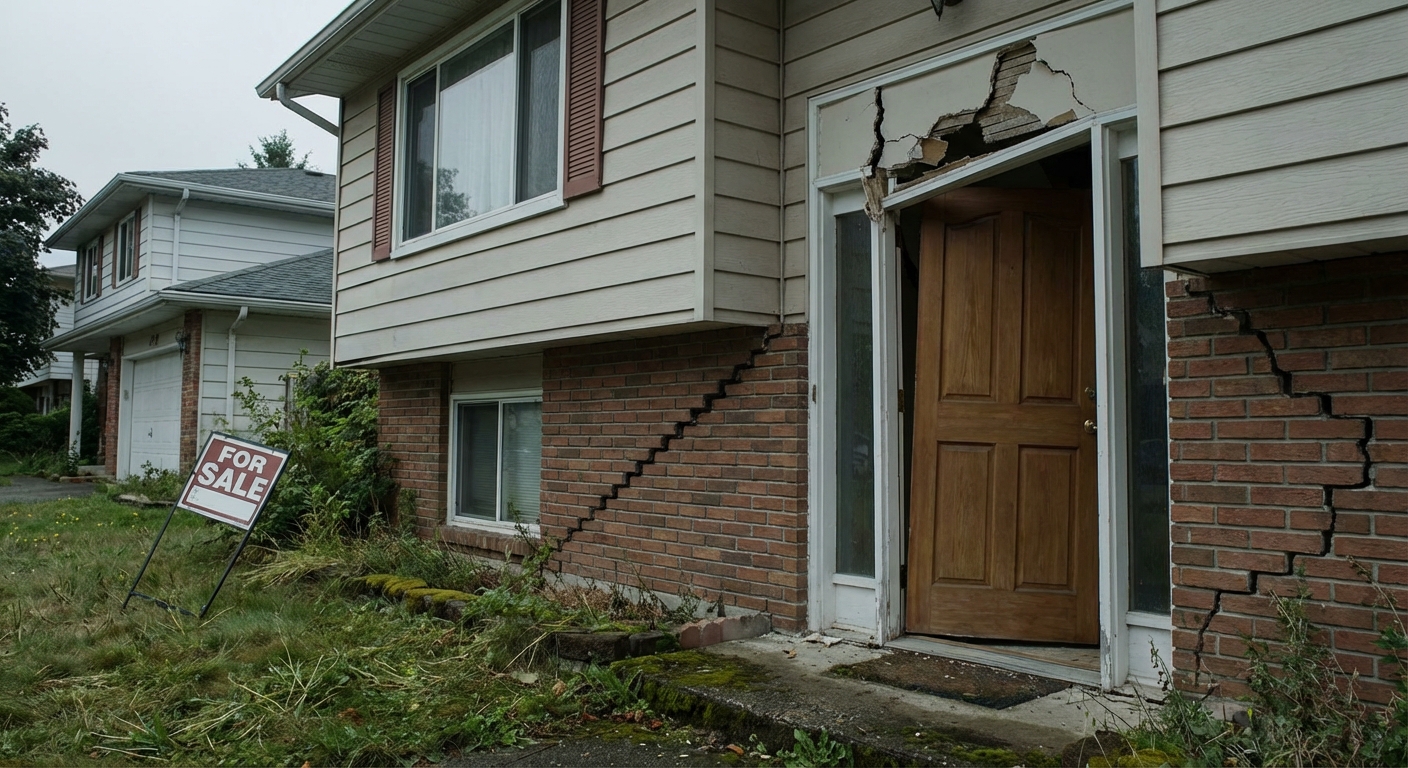
That’s why you can see symptoms of foundation failure due to clay soil in NC that don’t look like classic settling. Instead of the house dropping, parts of it rise, twist, and crack.
Let’s Break This Down: Signs You’re Dealing with Heave (Not Just Settling)
I don’t know everything, but after seeing a lot of homes in Charlotte, Concord, Gastonia, and down into Rock Hill, there are a few patterns that scream “heave” more than “settling.”
Common symptoms of foundation failure due to clay soil in NC
- Tile or slab cracks that rise in the middle
Think of a “speed bump” in the floor. Cracks often radiate out from the center of a room. - High spots instead of low spots
Your laser level or a simple marble test shows the floor is higher in one area than the edges. - Doors sticking near the center of the home
Interior doors, especially around hallways or central areas, start rubbing or won’t latch. - Cracks at the top corners of doors and windows
The drywall cracks look like diagonal “eyebrows” at the top of openings. - Garage or porch slab lifting away from steps
You might see the slab pushing up near the middle while edges look fairly normal. - Gaps opening along baseboards
Sometimes the floor pushes up and the baseboard looks like it’s floating.
One quick reality check: you can’t always tell just by eyeballing cracks, so don’t feel bad if you’re looking around your house like, “Okay, but is it heave or settling?”
The Root of the Problem: Why Clay in NC and SC Acts Like This
Sitting at a bar in Asheville one evening, a builder told me, “Our soil’s moody,” and honestly, that’s about right.
What’s really going on under your house
- Expansive clay
Parts of North Carolina and South Carolina are full of clays that change a lot with moisture. Wet = big. Dry = small. - Water patterns
Downspouts dumping next to the house, poor grading, clogged gutters, or a leaking water line can create a soaked zone right under your slab. - Trees and roots
Big trees close to the house can dry out sections of soil, then when the rain comes back, that soil swells hard. - Construction choices
Sometimes the builder didn’t remove enough expansive soil or didn’t compact fill as well as they should have.
Real talk: you can’t change the fact that you’ve got clay. But you can manage water and pressure so that clay isn’t running the show.
Here’s the Truth: Fixing Heave Is Different from Fixing Settling
This is where a lot of people get tripped up. The instinct is, “If it’s moving, just jack it back into place.” But with heave, if you don’t deal with the cause, the soil can keep pushing up.
Key steps in foundation repair for foundation heave in North Carolina clay
- Step 1: Figure out if it’s really heave
That usually means:- Elevation readings / floor level survey
- Checking crack patterns, door issues, slab behavior
- Sometimes a structural engineer’s report for tricky cases
- Step 2: Cut off the “fuel” — water and moisture swings
This can look like:- Extending downspouts 6–10 feet from the house
- Re‑grading soil so it slopes away from the foundation
- Installing French drains or surface drains
- Fixing plumbing leaks under or near the slab
- Crawl space encapsulation or better moisture control if you’re over a crawl
- Step 3: Stabilize the foundation
Depending on what’s going on, a pro might:- Use piers around the perimeter to lock the foundation to deeper, more stable soils
- In some cases, carefully remove “heaved” interior sections and rebuild (especially with garage or porch slabs)
- Use specialty methods to relieve pressure or re‑support slabs
- Step 4: Cosmetic repairs — but only after movement is controlled
Once the structure is stable:- Patch drywall and repaint
- Reset doors and trim
- Replace cracked tile or flooring
Here’s what I’ve seen go wrong: someone skips to “new floors and paint” without fixing drainage or soil pressure. A year later, the same crack shows up, just wearing a new color.
A Little Insider Insight: What a Pro Will Probably Check
Let’s say we’re walking around your home in Columbia or Winston‑Salem. What happens during that visit?
- Outside first
Looking at:- Gutter size and condition
- Downspout discharge points
- Soil slope against the house
- Cracks in brick, block, or siding
- Then inside
Checking:- Crack locations and directions
- Door and window operation
- Floor highs and lows (sometimes with a digital level)
- Crawl space or under‑slab clues
In a crawl:- Standing water or mud
- Mold on joists or insulation
- Signs of damp clay, efflorescence, or old leaks
- Plumbing red flags
Slab homes may need leak detection if there’s high water use or unexplained soil moisture.
It’s a bit like detective work, just with more dirt and fewer trench coats.
A Real-Life Moment
Earlier this year, I met a couple in south Charlotte with a 1990s slab home. They’d noticed:
- Tile cracking in a “starburst” pattern in the kitchen
- A hump in the hallway where ball toys always rolled away
- Garage slab pushing up near the interior door
Their first thought? “The house is sinking.” But the floor mapping showed the center of the house was actually about 3/4 of an inch higher than the edges.
Here’s what we learned:
- A downspout had been dumping water right at the foundation for years.
- The soil was heavy clay that stayed wet way too long.
- There was also a slow, small plumbing leak under the slab.
The repair plan looked like this:
- Re‑route and extend downspouts and improve grading
- Fix the under‑slab leak
- Install piers along one side to stabilize where movement was worst
- Wait for moisture levels to normalize, then replace the broken tiles and adjust doors
It wasn’t a one‑week fix. But once the water issues were handled, the house actually calmed down. The wild part is, if they’d just retiled and repainted, they would’ve been right back where they started in a couple of seasons.
Let’s Make This Simple: What You Can Do Next
If you’re reading this from your kitchen table in Fayetteville or your porch in Greenville and thinking, “This sounds uncomfortably familiar,” here’s a simple game plan.
Quick checks you can do yourself
- Walk your floors
Use a marble or small ball. Does it roll away from the center or toward it? - Look at your gutters and downspouts
Are they clean? Do they dump water right at the foundation? - Scan for crack patterns
Note where cracks start and end. Around door tops? In the middle of rooms? - Check for damp areas outside
After a rain, are there spots that stay soggy right next to the house?
When it’s time to call in help
Reach out to a foundation specialist or structural engineer if you notice:
- Uneven floors you can feel as you walk
- Multiple doors suddenly sticking or not latching
- Large cracks (wider than a nickel) in drywall or brick
- Floor “humps” or tiles popping in the middle of rooms
Ask them directly: “Could this be heave from clay soil, not just settling?” A good pro won’t mind that question at all.
If You Only Remember One Thing…
The big takeaway is this: movement up can be just as serious as movement down. And with our clay, that upward push is often tied to water and moisture swings.
When you think about foundation repair for foundation heave in North Carolina clay, don’t just picture jacks and concrete. Think:
- Water control
- Soil behavior
- Stabilizing, then repairing
If this all feels a bit overwhelming, start small: walk around your house after the next big rain and just watch where the water goes. That one habit alone can save you a lot of stress (and money) down the road.
And if your home already feels a little “wavy” under your feet, don’t ignore it. Get someone out to take a look, ask your questions, and make sure your house isn’t trying to lift itself one corner at a time.