

Let’s Make This Simple
A neighbor in south Charlotte once told me, “Every time it rains, my windows feel like they’re glued shut. Sun comes out? They’re fine. Am I losing it?”
If you’ve typed something like “why are my windows sticking after rain Charlotte NC” at 10:30 pm while wrestling a sash, you’re not alone.
And honestly, you’re not crazy. That on-again, off-again sticking is usually your house trying to send you a message.
Here’s the Truth
When windows only stick after it rains, it’s almost never “just the paint” or “just old hardware.”
In our humid, stormy Charlotte climate, sticky windows can be:
- A humidity problem
- A framing or trim issue
- A leak problem
- Or a subtle sign of foundation movement
Some of those are easy fixes. Some… not so much. But if we break it down, you can usually tell which lane you’re in without turning into a construction nerd.
Let’s Break This Down
1. Moisture Swelling: The “Normal-ish” Reason
Wood swells when it gets wet. No surprise there. In places like Charlotte, Matthews, Gastonia, and over the line into Rock Hill, we get heavy rain plus thick humidity. Your windows feel it.
This is pretty common if you have:
- Older wood windows
- Windows with peeling or cracked paint
- Trim that hasn’t been caulked in a while
After a rain, the wood can take on moisture and expand enough that:
- The sash scrapes the frame
- You have to “hip check” the window to move it
- It feels okay again after a dry, sunny day
Quick check you can do
- Look at the lower corners of the window trim outside right after a storm.
- Press gently on the wood with your thumb or a key.
- If it’s soft, spongy, or flakes off, moisture is getting in.
If that’s what you’re seeing, you might be dealing with water and wood, not a big structural problem (yet).
2. Humidity Inside the House
Here’s something I keep seeing in Charlotte, Concord, and even up toward Huntersville: people upgrade windows but never really deal with indoor humidity.
When rain comes through and humidity spikes:
- The wood around your newer windows still swells
- Paint can get tacky and “grab” the sash
- You might even see light condensation on cooler glass
If your windows stick after a storm, but your doors also feel just a bit tight, or your hardwoods cup slightly, humidity is a likely suspect.
Try this little experiment
- Check the indoor humidity with a cheap hygrometer (you can find them for under $15 at big box stores).
- On a rainy day in Charlotte, if you’re consistently above 55–60% inside, swelling gets a lot more likely.
I don’t know everything, but if your humidity’s way up there, it’s almost always part of the story.
3. The Part No One Talks About: Foundation Movement
This is where things get interesting.
Our soil in Mecklenburg County and around Charlotte has a lot of clay. That clay swells when it’s wet and shrinks when it’s dry. So what happens after a big rain?
- The ground takes on water
- Certain areas swell more than others
- Your foundation can shift just a little bit
It’s not like your house drops two inches overnight. But even tiny shifts can:
- Make one corner of a window frame go slightly out of square
- Cause the sash to bind on one side
- Show up first after a storm, when the soil is at its “swelled up” stage
So here’s the twist: that annoying sticky window might be one of the first hints your house is moving, especially if it’s the same side of the house where:
- Doors are starting to rub or not latch
- New cracks are showing up in drywall above doors or windows
- You notice gaps between baseboards and floors
So Here’s the Strange Part
When people ask, “Why are my windows sticking after rain Charlotte NC style? Is it just the weather?” what they’re really asking is:
“Is this something I can ignore, or is my house trying to warn me about a bigger problem?”
And the answer is… it depends what else is going on around those windows.
A Quick Reality Check
Here’s a simple way to tell if you’re probably dealing with normal moisture vs. possible foundation or structural issues.
| What You Notice | Most Likely Cause | How Worried to Be (1–5) |
|---|---|---|
| Only old wood windows stick; newer ones are fine | Wood swelling, old paint, minor moisture | 2 |
| Windows stick after rain + peeling paint + soft trim | Water intrusion, beginning of wood rot | 3 |
| Windows and one or two doors bind after storms | Moisture + some movement in framing or structure | 3–4 |
| Sticky windows + cracks over doors + sloping floors | Possible foundation settlement or shifting | 4–5 |
| Windows only stick when AC is off and humidity is high | Indoor humidity and minor swelling | 2 |
The Root of the Problem
Let’s walk through a few things you can check on your own before you call anybody out.
1. Check the Window Itself
- Paint lines: Look for paint bridging between the sash and frame. If it’s literally painted shut or half-stuck, that’s an easy fix.
- Hardware: Are the locks and latches aligned? If you have to push the sash sideways to lock it, the frame may be out of square.
- Gaps: See any uneven gaps when the window is closed? Wider at the top than bottom, or left vs right?
2. Look Around the Window
- Cracks in drywall: Little diagonal cracks from the corners of the window or nearby doors get my attention quick.
- Trim separation: If inside trim is pulling away from the wall, that’s more than just swelling.
- Outside caulking: Cracked or missing caulk lets water in and sets up wood for rot and swelling.
3. Step Back and Look at the Whole House
- Any floors feeling sloped, especially near the sticky window?
- Any doors in that same part of the house that suddenly don’t latch right?
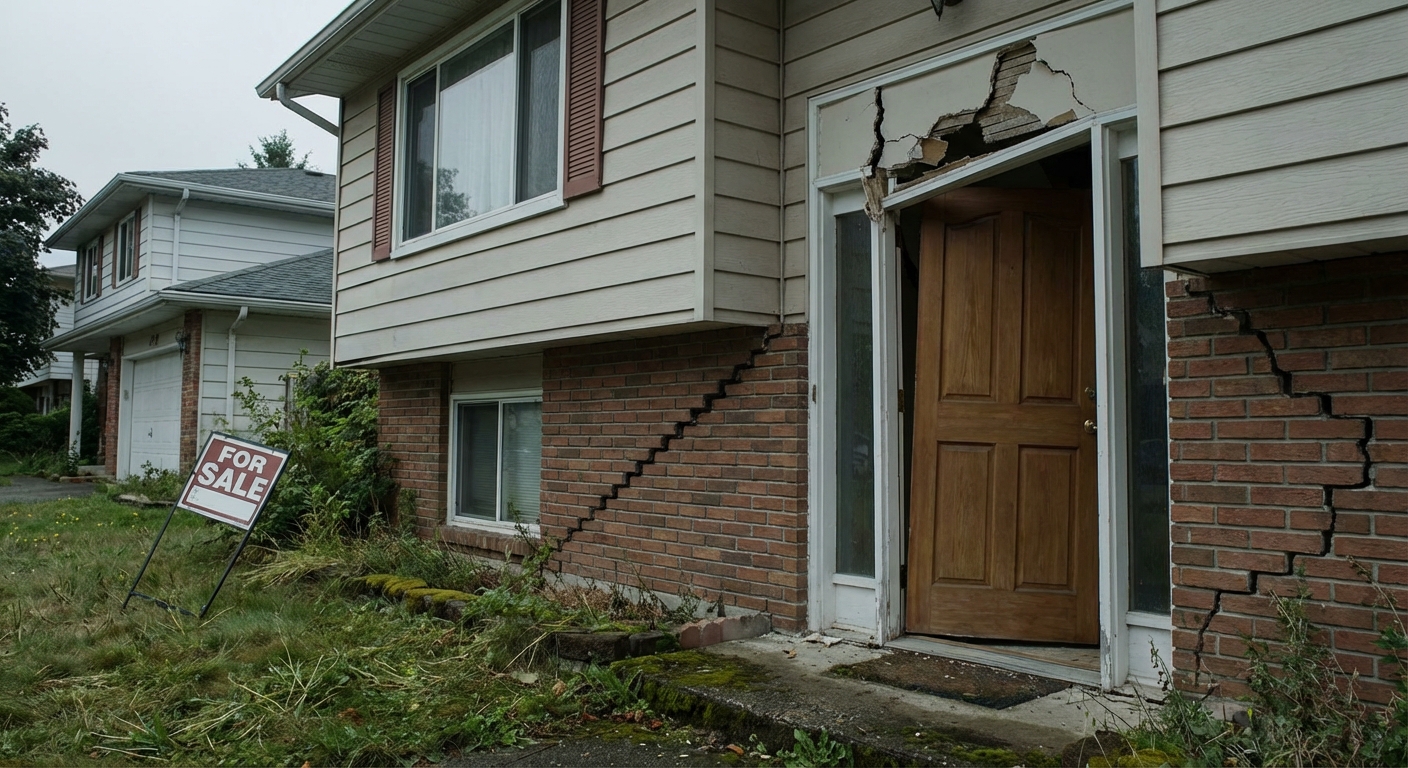
- Any bricks outside with new cracks, or gaps between bricks and window sills?
If the answer is “yes” to a couple of those, that’s where I start thinking less about weather and more about what’s happening under the house or around the foundation.
A Story You’ll Relate To
Earlier this year, I met a homeowner in the Steele Creek area — we’ll call her Lisa — who had this exact complaint:
“My kitchen windows hate the rain. After every storm, I basically need two hands and a small prayer to open them.”
She figured it was just old wood, maybe bad paint. On the surface, it made sense. But once we walked the house, here’s what popped up:
- The kitchen windows (back of the house) stuck after rain. Front windows? Fine.
- A small diagonal crack over the back door that she thought was “just settling.”
- The back patio had a visible gap where it met the house.
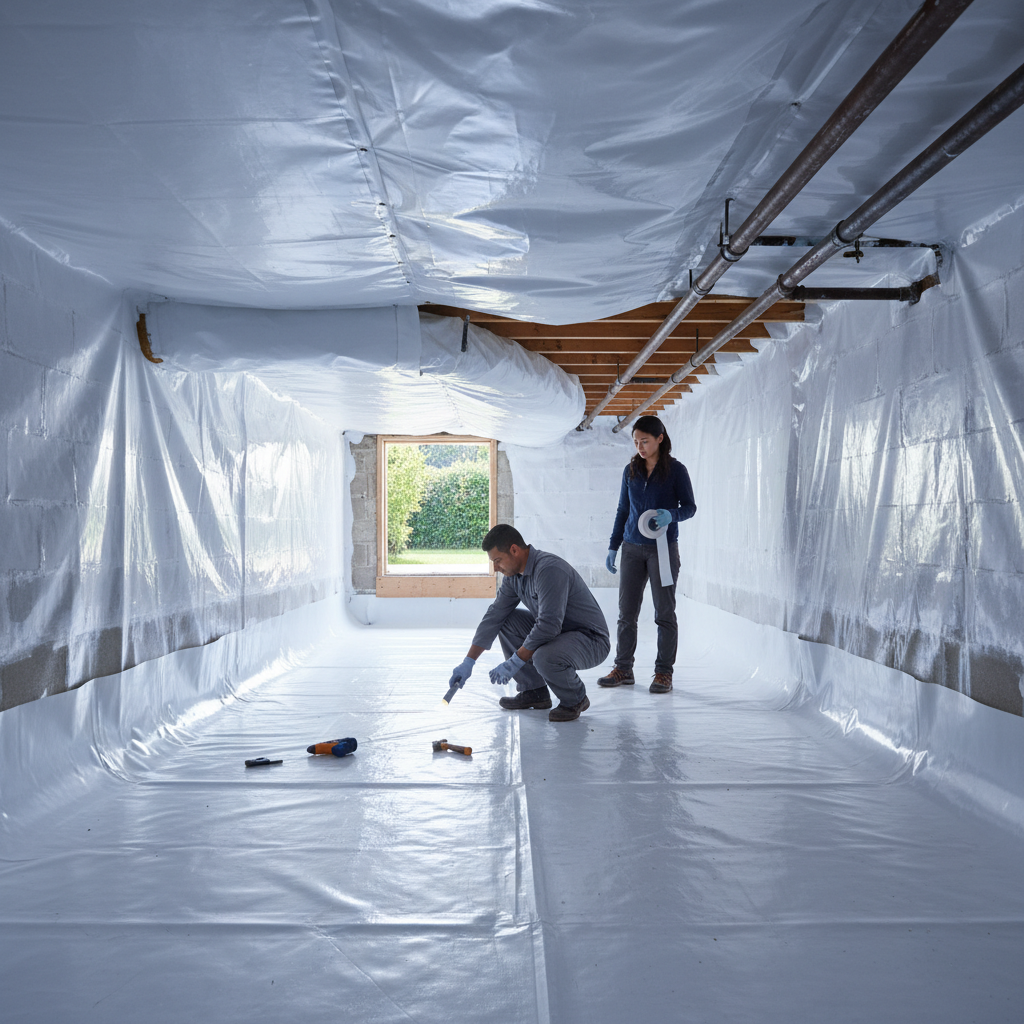
- In the crawl space, the soil near the back wall was damp and there was some pooling after storms.
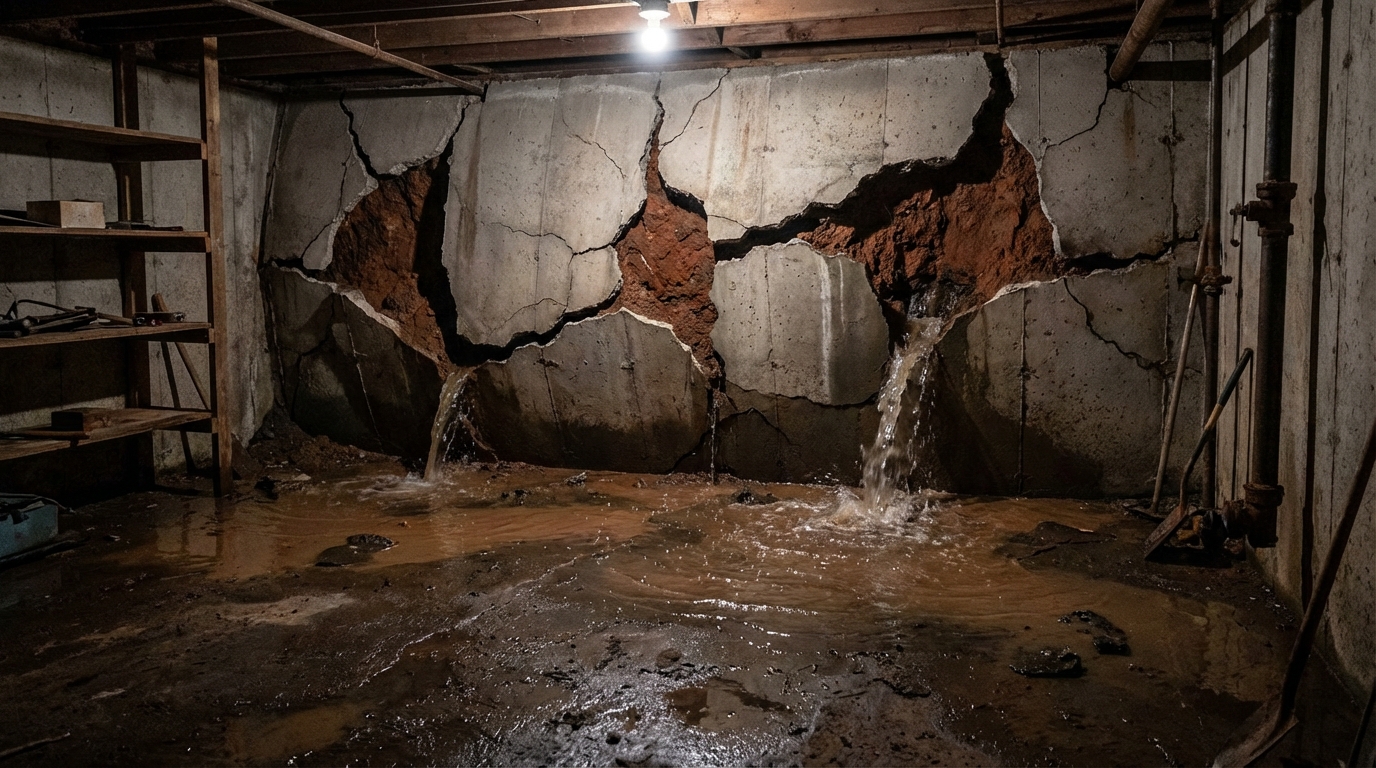
Long story short, water was collecting along the back foundation during heavy Charlotte rains. That clay soil swelled and relaxed over and over. Over a few years, it nudged the foundation just enough that:
- Window frames went slightly out of square
- The back door got a little tough to latch
- Drywall started showing tiny warning cracks
The sticky windows were her first serious “Hey, something’s off here” signal.
The fix wasn’t just shaving the windows or sanding the sashes. It was dealing with drainage and supporting the structure properly so those windows didn’t keep binding every time the forecast turned gray.
Here’s the Big Takeaway
If your windows are sticking after rain and you’re here in the Charlotte area, don’t panic, but also don’t shrug it off.
Ask yourself:
- Is it only one older window, with rough paint and soft trim?
- Or is it a pattern — multiple windows, some doors, a few new cracks?
That second one is where my ears perk up. Because in our soil and climate, those “little” symptoms can be early signs of something under the house changing.
What You Can Do Next
Here’s a simple game plan you can follow this week:
- Right after a rain: Walk the inside of the house. Open and close windows and doors. Note what feels tight.
- Walk outside: Look for standing water near the foundation, especially under leaky or short downspouts.
- Check trim and siding: Soft spots, gaps, or rotten wood around windows are worth fixing sooner than later.
- Take pictures: Snag photos of any cracks, gaps, or sticking points. It’s easier to see changes over time.
- Get a second set of eyes if needed: If multiple things on that “worry list” are showing up, have a pro look at the structure or foundation, not just the windows.
And if you’re still thinking, “Okay, but why are my windows sticking after rain Charlotte NC specifically — is it just the crazy weather here?” the short answer is: it’s weather plus water, wood, and how your house sits on that clay.
If this feels like a lot, just start simple: pick one rainy day, do that quick walk-through, and write down what you notice. From there, it’s a lot easier to decide whether it’s a DIY touch-up job… or time to get someone under the house to take a closer look.