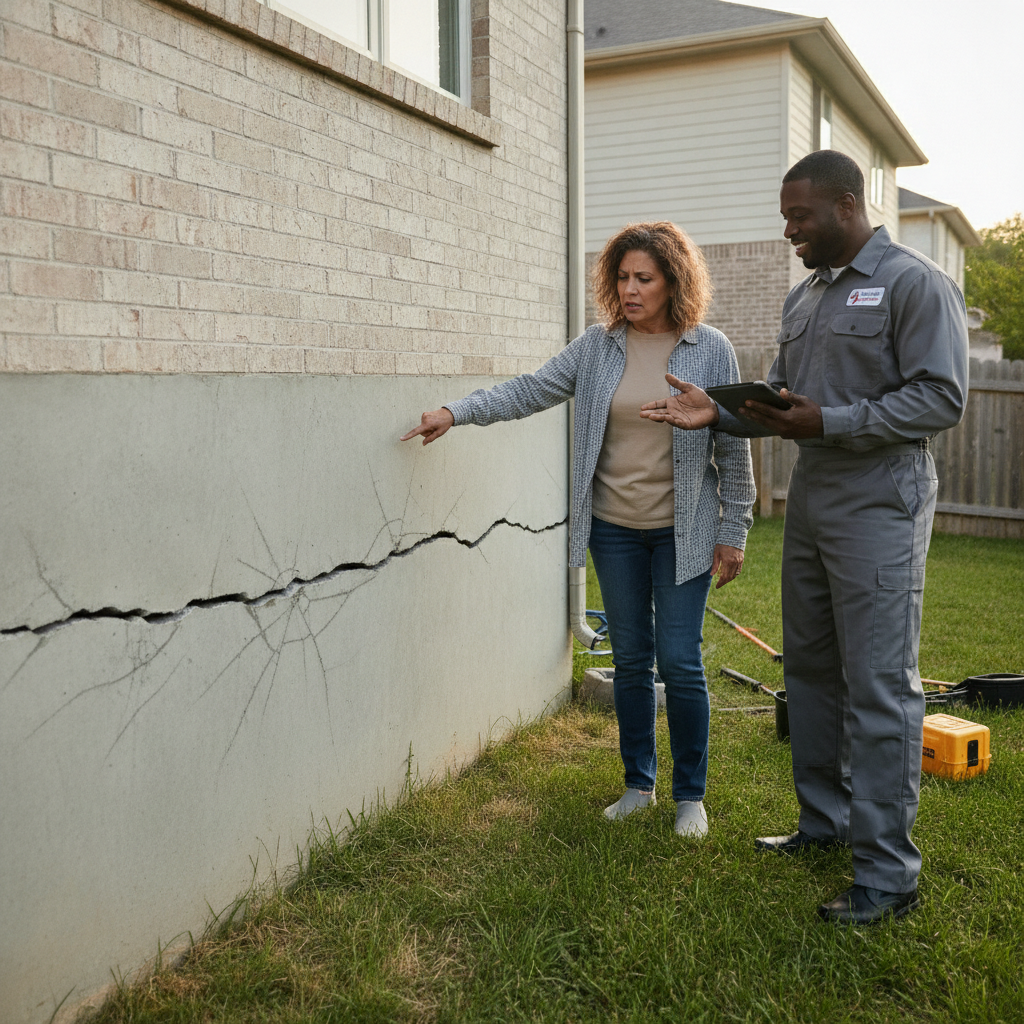

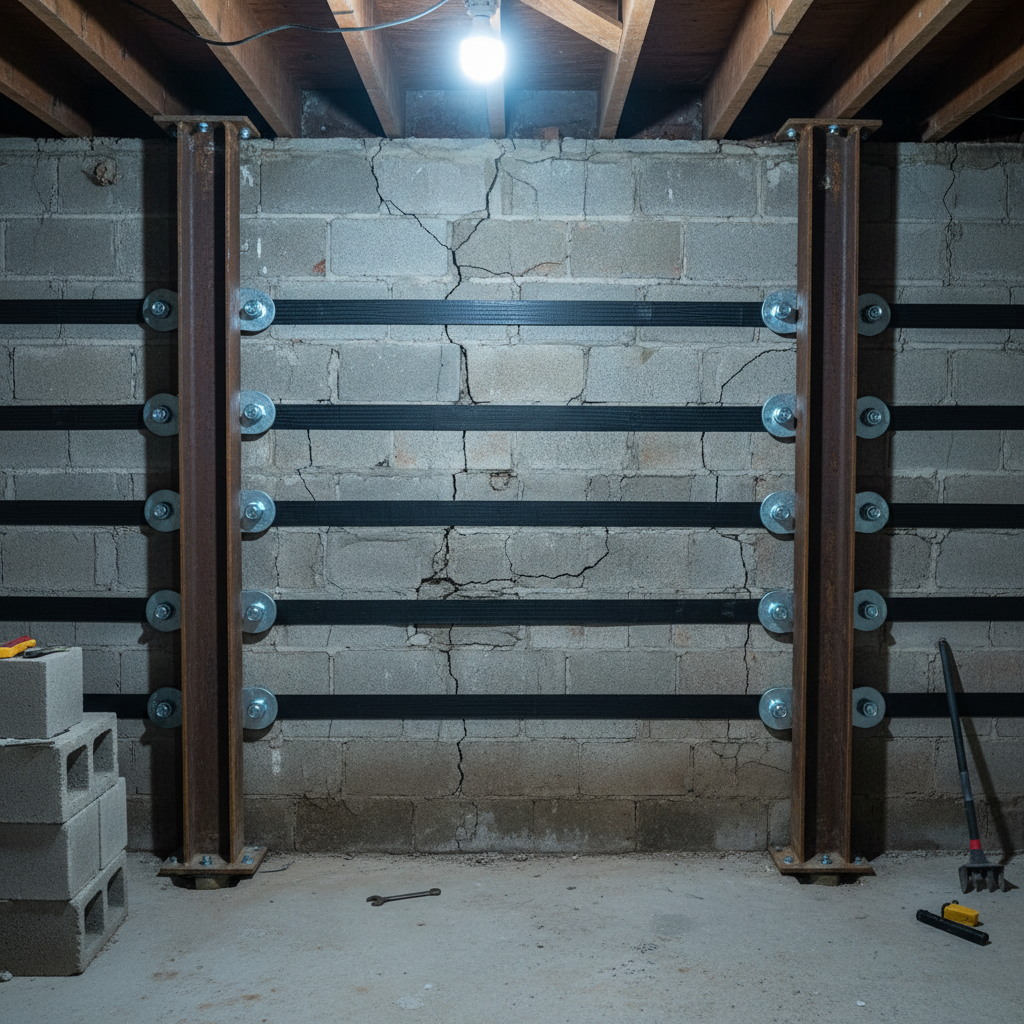
I was catching up with a friend over coffee in South End just last week, and he was telling me about a strange issue he’d noticed in his basement. He’d seen a slight inward curve, almost like a subtle bulge, on one of his basement walls. He asked, “Is that normal? And what’s the cost to repair bowing basement walls in Charlotte NC if it’s not?” My heart sank a little for him because, no, it’s definitely not normal, and it’s something you really shouldn’t ignore.
Why Are My Basement Walls Bowing, Anyway?
You know, our beautiful North Carolina soil can be a bit… dramatic sometimes. Think about it: heavy rains, then long dry spells, then more rain. This constant change causes the soil around your foundation to expand and contract. When it expands, especially after a big downpour, it puts immense pressure on your basement walls. This is called hydrostatic pressure, and it’s usually the main culprit behind those unwelcome inward bows.
And honestly, it’s not just the soil. Poor drainage around your house can make it worse. If rainwater isn’t directed away from your foundation, it just sits there, soaking into the ground and increasing that pressure. Over time, that constant push can cause even the strongest concrete or block walls to start flexing. Who wants a basement wall that looks like it’s trying to do the limbo? Not me! (And I’m always surprised how much weather affects our homes here, honestly.)
Breaking Down the Bowing Basement Walls Repair Costs
Okay, so let’s get down to the nitty-gritty: the money talk. When it comes to bowing basement walls repair, there isn’t a single, straightforward price tag. It’s like asking how much a car costs—depends on the car, right? But I can tell you what factors influence the price here in Charlotte, NC:
- Severity of the Bow: A slight curve that’s just starting to form will generally be less expensive to fix than a wall that’s significantly cracked and pushed inward. Early detection is a huge money-saver.
- Repair Method: There are a few common ways to stabilize a bowing wall, and each has a different price point:
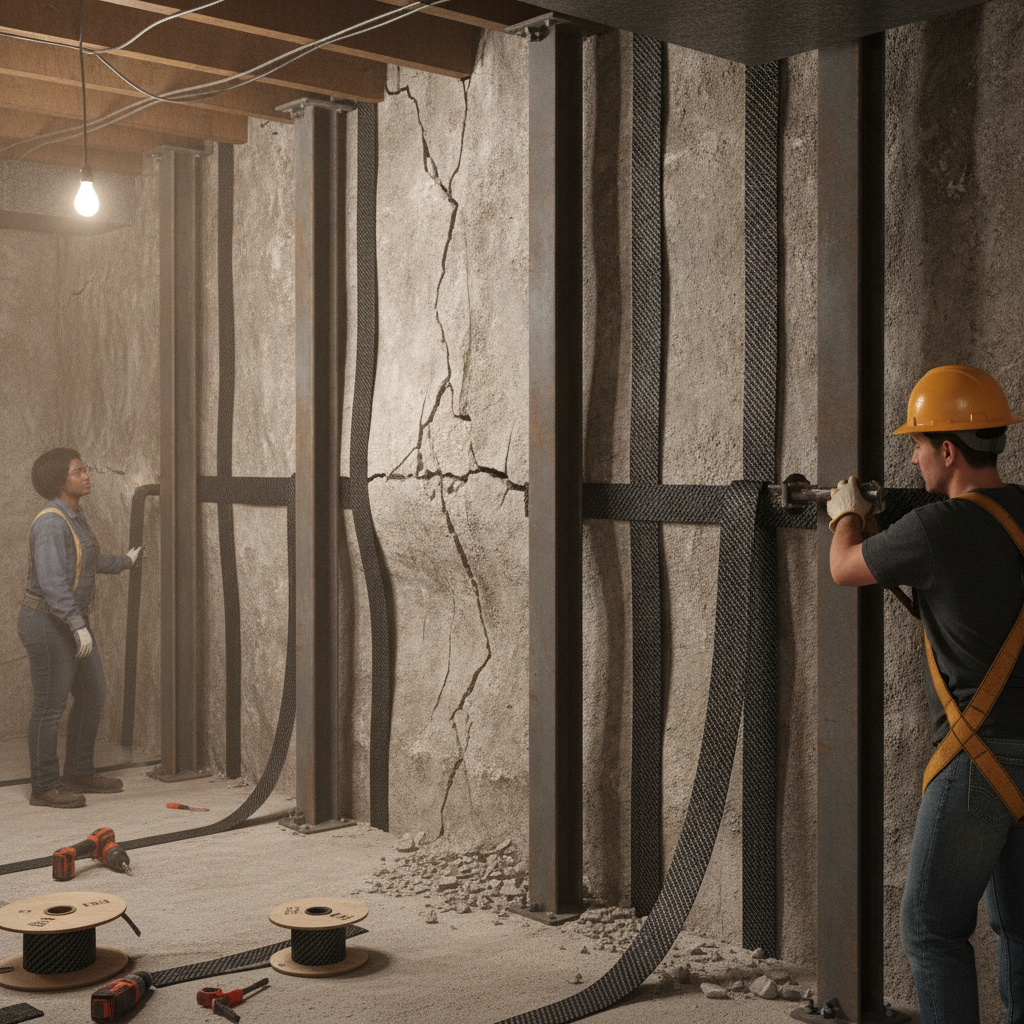
- Carbon Fiber Straps: These are strong, lightweight straps glued vertically to the wall. They’re great for walls with minor to moderate bowing and are often the most economical option, typically running from a few thousand dollars up to around $10,000 depending on the number of straps needed.
- Wall Anchors: These involve installing anchors into stable soil outside the foundation, then connecting them with steel rods to plates on the inside of the basement wall. They pull the wall back into place and provide significant stabilization. This method can range from about $5,000 to $20,000 or more.
- Steel I-Beams: These heavy-duty beams are placed vertically against the wall and secured to the floor and ceiling. They offer substantial support and are often used for more severe bowing. This can be the most robust option, costing upwards of $10,000 to $30,000 or even higher for extensive work.
- Accessibility: If the repair crew has trouble getting equipment to the exterior of your foundation (maybe you have a deck or dense landscaping), it can increase labor costs.
- Additional Issues: Often, bowing walls come with other problems like poor drainage or foundation cracks. Fixing these concurrently might add to the overall project but is crucial for a lasting solution.
I don’t have a crystal ball for exact prices, but I can tell you what goes into them. Generally, you’re probably looking at anywhere from roughly $5,000 for minor issues to $30,000+ for very severe situations needing extensive foundation repair. It’s a significant investment, but it’s protecting your entire home.
A Real-Life Story from Charlotte
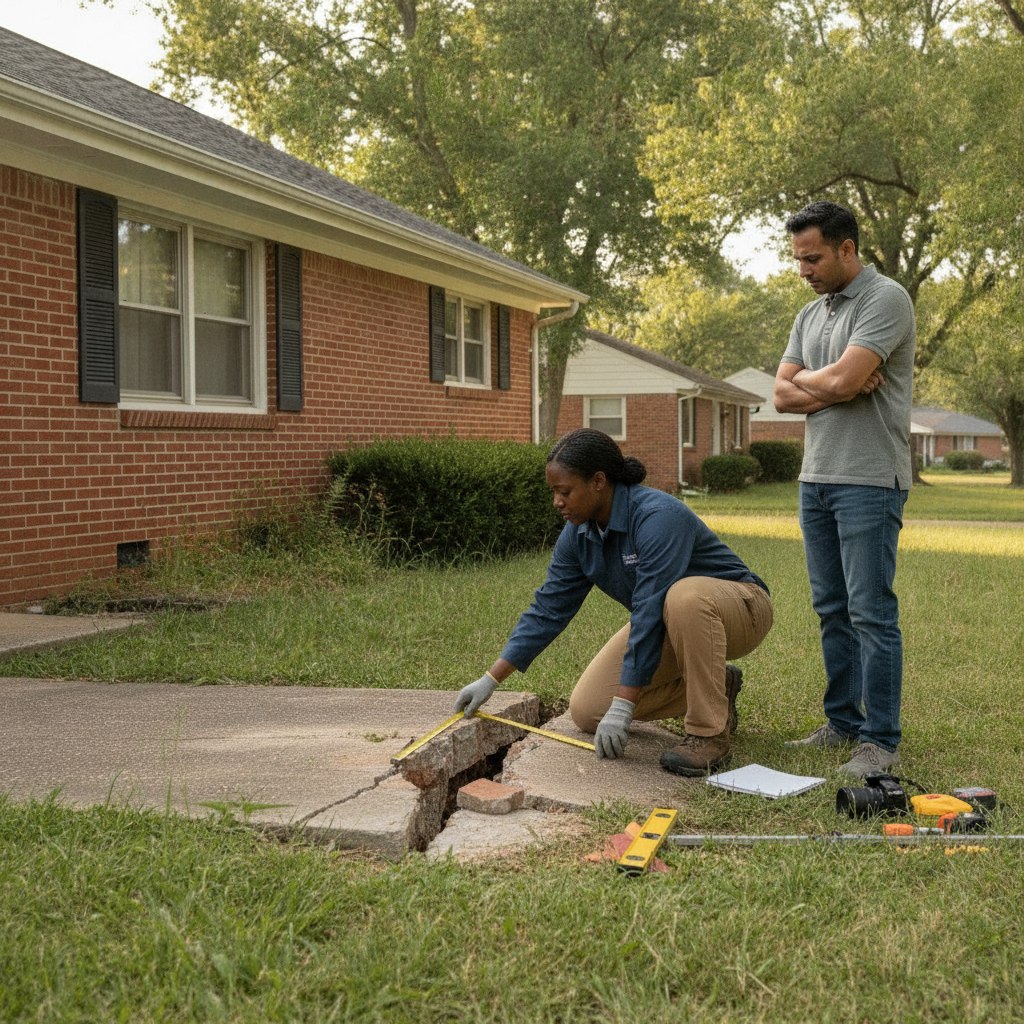
Remember my friend in South End? After he noticed that bow, he got pretty worried. He called up Piedmont Foundation Repair (great folks, by the way). A specialist came out to his house, did a thorough inspection, and explained everything in a way that actually made sense. They found that a combination of hydrostatic pressure and some underlying soil issues was causing the wall to bow. Luckily, it wasn’t too severe yet.
Piedmont Foundation Repair recommended a series of carbon fiber straps combined with some external drainage improvements. They laid out the plan, the timeline (which was faster than he expected, honestly), and the specific costs. My friend felt so much better knowing exactly what he was getting into. They got the work done, and his basement wall is now stable and secure. Plus, he got that peace of mind that his home was protected.
What to Do When You Spot a Bow
If you’ve noticed any signs of bowing, leaning, or inward movement in your basement walls, especially here in Charlotte, NC, please don’t wait. It’s one of those problems that only gets worse (and more expensive) over time. Addressing the issue of basement wall stabilization quickly can save you a lot of headache and money down the road.
The best first step is always to get a professional assessment. They can accurately diagnose the cause, recommend the most effective repair method, and provide you with a clear estimate for the cost to repair bowing basement walls. If you’re in the Charlotte area, give Piedmont Foundation Repair a call. They’re experts at this stuff, and they’ll help you understand your options without any pressure. Protecting your home is worth it.