
Ever walked into your living room and noticed something just… felt off? Maybe a door that used to swing freely is suddenly sticking, or you spot a new crack marching across your drywall near the ceiling, or even worse, along your basement walls. Funny enough, when we see cracks, we usually think of things settling down, sinking. But sometimes, especially here in North Carolina, the problem can be the exact opposite: your foundation might actually be pushing up. We call this phenomenon foundation heave, and it’s a tricky one to deal with if you don’t know what you’re looking for.
The North Carolina Clay: Friend or Foe?
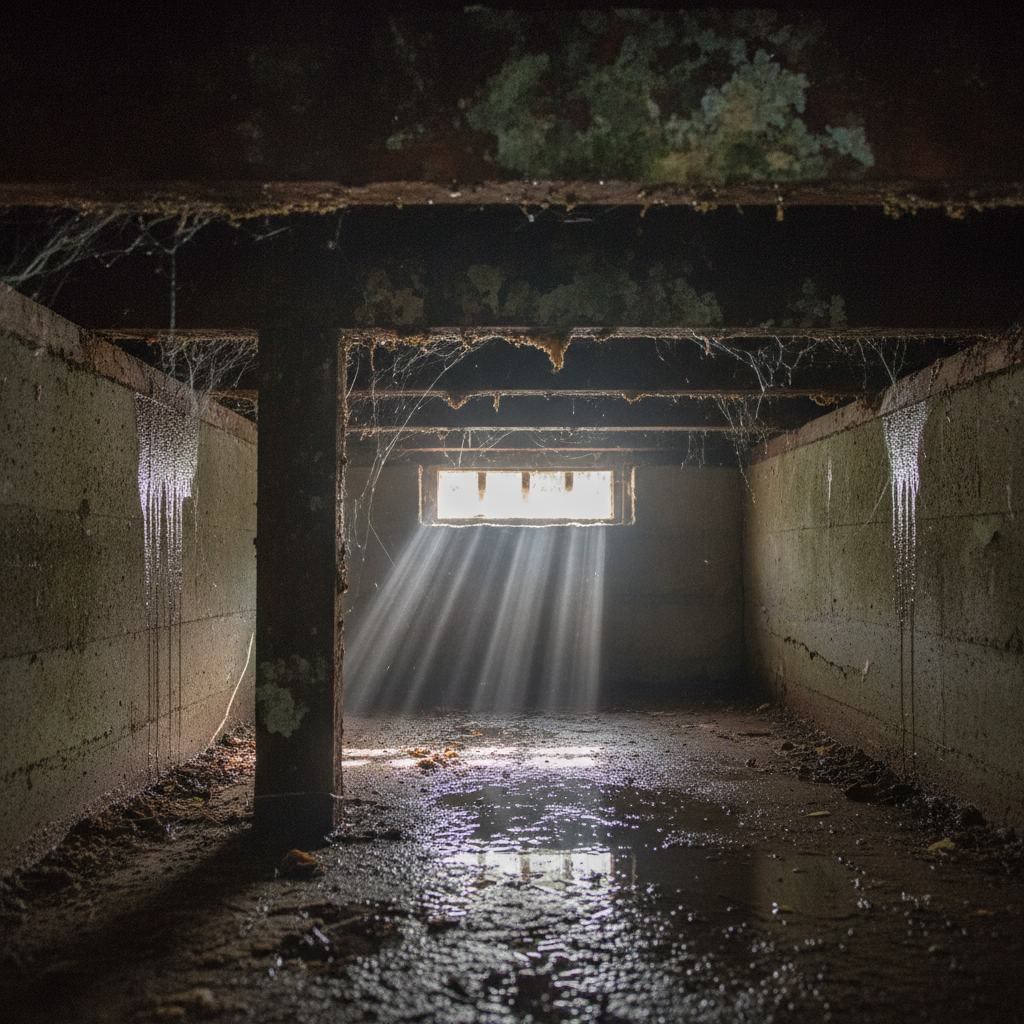
Here’s the truth: a lot of our beautiful state is built on a type of soil that can be a real headache for homes – North Carolina clay. This isn’t just any dirt; it’s what we call “expansive soil.” And get this: expansive soils are like sponges. When they get wet, they soak up all that moisture and swell. Then, when things dry out, they shrink. This constant expansion and contraction under your home can create immense pressure, literally pushing your foundation upwards. It’s not just a minor annoyance; this movement can cause serious structural damage to your home over time.
Think about it: who wants to feel like their home is doing a slow-motion push-up? It’s unsettling, and honestly, can be pretty scary when you realize what might be going on underneath your feet.
What I Didn’t Expect: Signs of Foundation Heave
It’s easy to miss the early signs of foundation heave because they often look like other, less serious problems. But let me be honest: catching these clues early can save you a ton of hassle and expense down the road. Keep an eye out for:
- Sticky Doors and Windows: If they’re suddenly hard to open or close, especially on lower levels, it could be a sign your home’s frame is twisting from upward pressure.
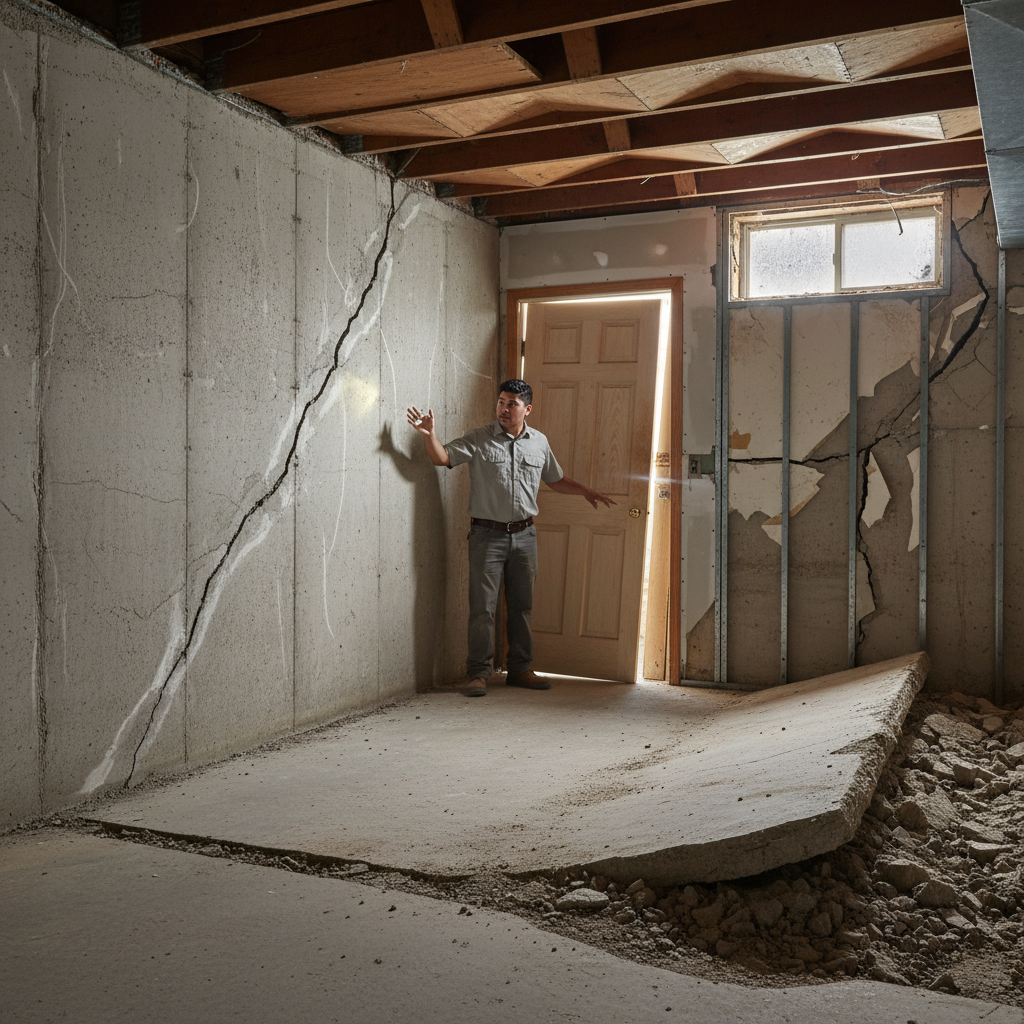
- New Cracks: Look for cracks in your drywall, plaster, or even exterior brick. Unlike sinking, which often causes cracks to widen at the top, heave cracks can sometimes be wider at the bottom, or just appear in unusual places. Vertical cracks in basement walls are a big red flag.
- Uneven Floors: If your floors start to feel bouncy or dip/rise in certain spots, it’s definitely worth investigating.
- Separations: Gaps forming between your walls and ceiling, or around window and door frames, indicate movement.
(It’s kind of like your house has a fever, and these are its weird little symptoms.) The wild part is, you might notice these things more during specific seasons, like after a very rainy spring or a super dry summer, when the soil moisture levels are fluctuating a lot.
Let’s Make This Simple: What You Can Do Next
If you suspect foundation heave, the first step isn’t to panic, but to act. Here’s what I recommend:
- Observe: Keep a journal. Note down where you see cracks, when doors stick, and if these issues seem worse during certain weather conditions.
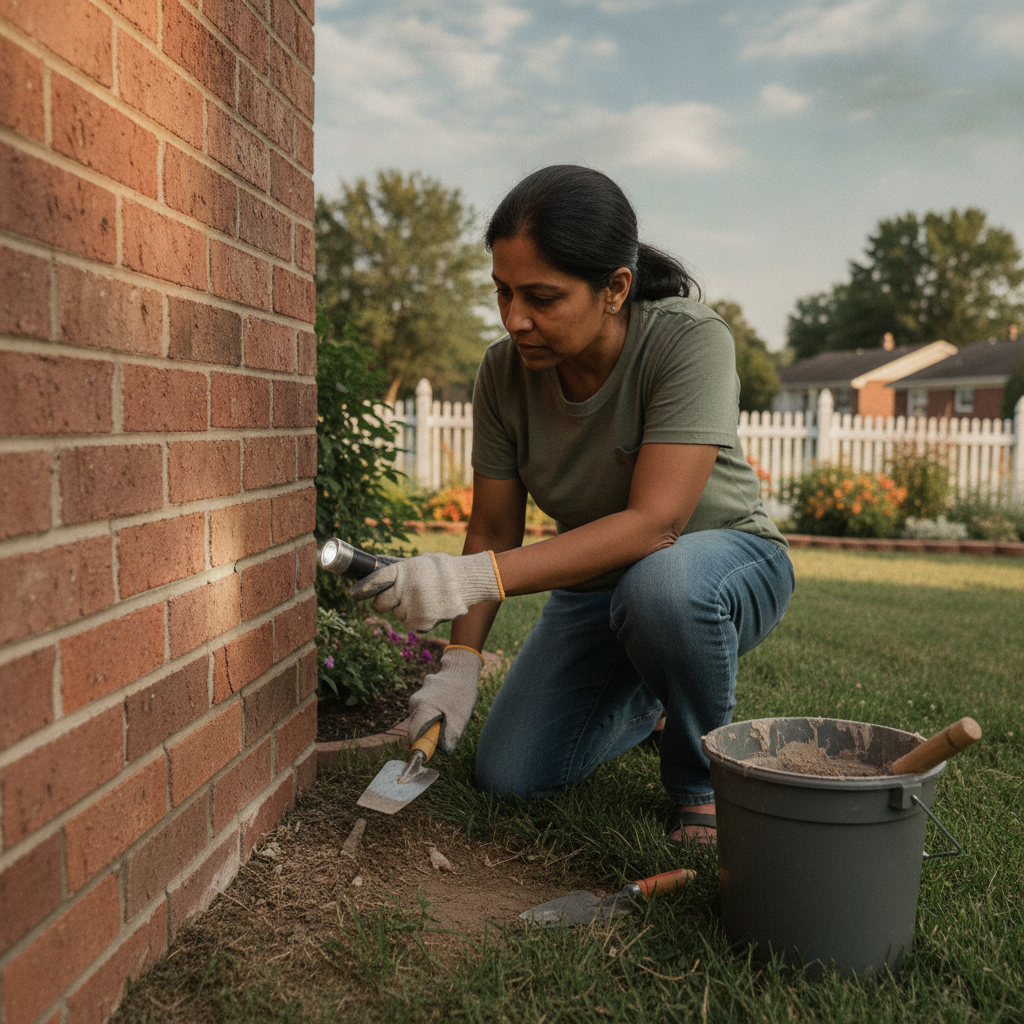
- Check Drainage: Make sure your gutters are clean and downspouts are directing water *away* from your foundation. Proper drainage is crucial to managing soil moisture around your home.
- Landscaping Awareness: Be careful about planting large shrubs or trees too close to your foundation, as their roots can impact soil moisture. Also, avoid overwatering landscape beds right next to your house.
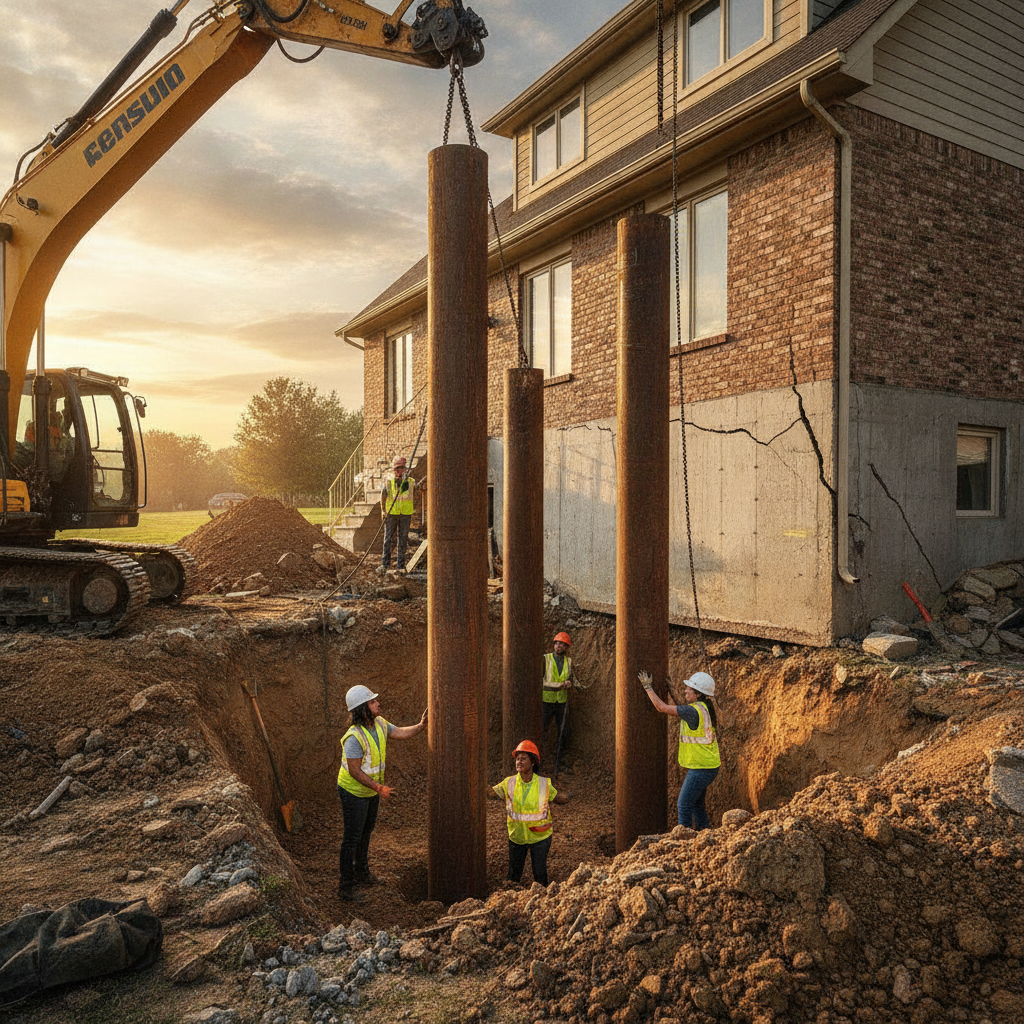
- Call in the Experts: This isn’t a DIY job. You need a professional to assess the situation properly. They can determine if it’s indeed heave and recommend the right foundation repair solution.
A Real-Life Moment
I remember talking to a couple, Sarah and Mark, who live in Asheville. They had a beautiful older home, but after a particularly wet winter last year (this would be around May 2026), they started noticing a small, vertical crack appearing on their basement wall. At first, they thought it was just the house settling. But then, their kitchen island seemed to be tilting slightly, and a window near the crack became almost impossible to open. They were worried about a sinking foundation, but when Piedmont Foundation Repair came out, the team explained it was actually foundation heave due to the expansive clay soil on their property. The experts from Piedmont Foundation Repair assessed the problem, explaining that the excess moisture in the ground was causing the clay to swell and push up on the foundation. They proposed a stabilization plan that addressed the soil’s moisture content and reinforced the affected areas. Sarah and Mark told me they were so relieved to understand what was happening and to have a clear path forward. Their home is now stable, and they have peace of mind.
Here’s the Big Takeaway
Dealing with foundation heave, especially in areas with tricky North Carolina clay, can feel overwhelming. But understanding what’s happening, knowing the signs, and getting professional help are your best defenses. Don’t let those mysterious cracks or sticky doors turn into a bigger problem. If you’re seeing any of these signs, don’t hesitate. Reach out to a trusted expert like Piedmont Foundation Repair. They have the knowledge and experience to properly diagnose and address any foundation repair needs, helping your North Carolina home stand strong for years to come.