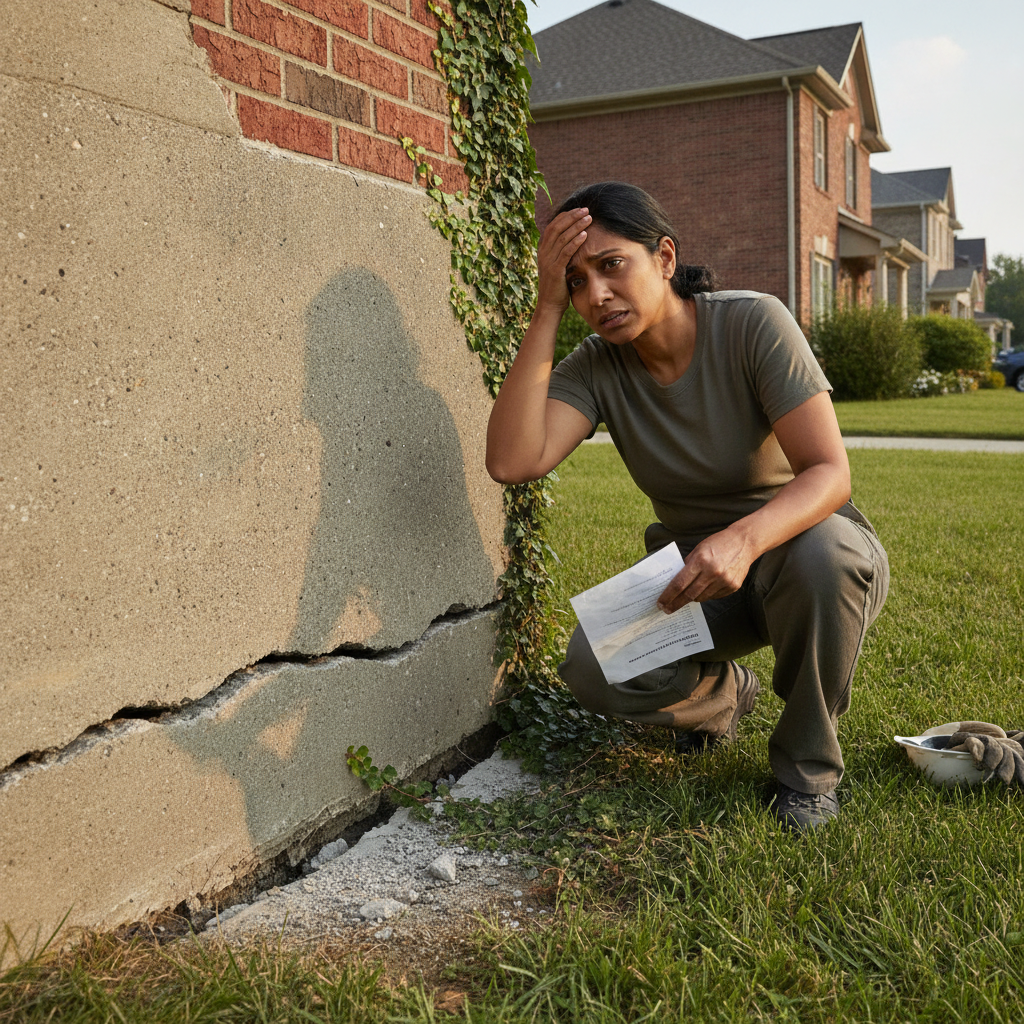

You know, I was having coffee with a friend in Charlotte just the other day, and she was telling me about these unsettling cracks she started seeing in her brick veneer. Then came the sticky door frames, and honestly, the whole thing just had her worried sick. It’s that familiar story many North Carolina homeowners face, especially with our unique soil. It got me thinking about how often folks wonder if a solution like polyurethane deep injection foundation repair is truly effective in our specific type of soil, particularly the stubborn NC clay we deal with.
Let’s Clear Something Up: Why NC Clay Matters
Here’s the thing about North Carolina soil: we’ve got a lot of clay. And while it might be great for pottery, it’s a real headache for foundations. Clay soil loves to expand when it gets wet and then shrink dramatically when it dries out. Think about it – we get those heavy summer thunderstorms, then long dry spells. That constant push and pull underneath your home can lead to your foundation settling unevenly. It’s a slow, persistent dance that can cause all sorts of structural issues, from those cracks my friend was seeing to bowing basement walls.
So, when we talk about foundation repair here, it’s not a one-size-fits-all situation. The solution needs to really work with our specific soil conditions. That’s where methods like polyurethane deep injection come into play, offering a way to stabilize things without major excavation.
The Part No One Talks About: How Polyurethane Deep Injection Works
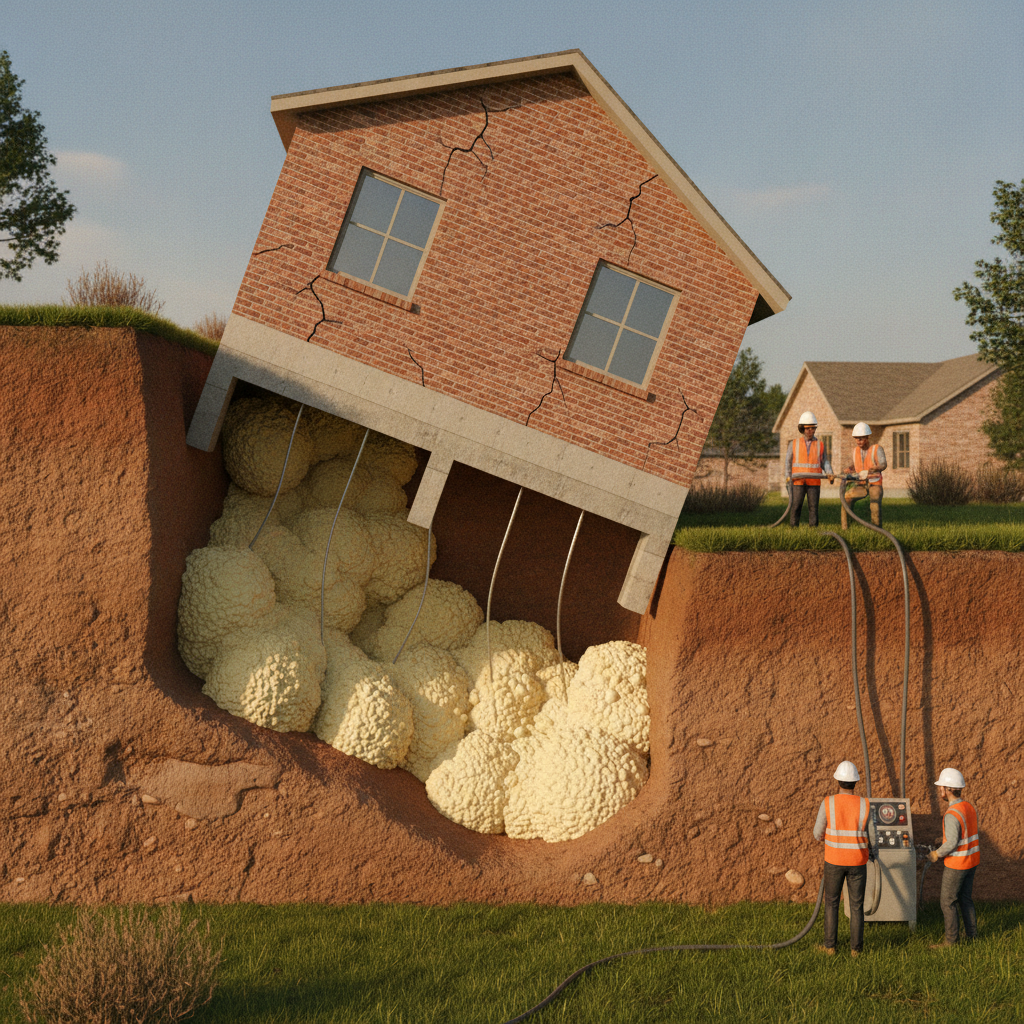
Okay, so how does this particular solution actually help stabilize a settling foundation? It’s pretty clever, honestly. Imagine your home is like a table, and one of its legs is sinking into soft ground. What you want to do is lift that leg back up and then make the ground underneath it super solid so it doesn’t sink again.
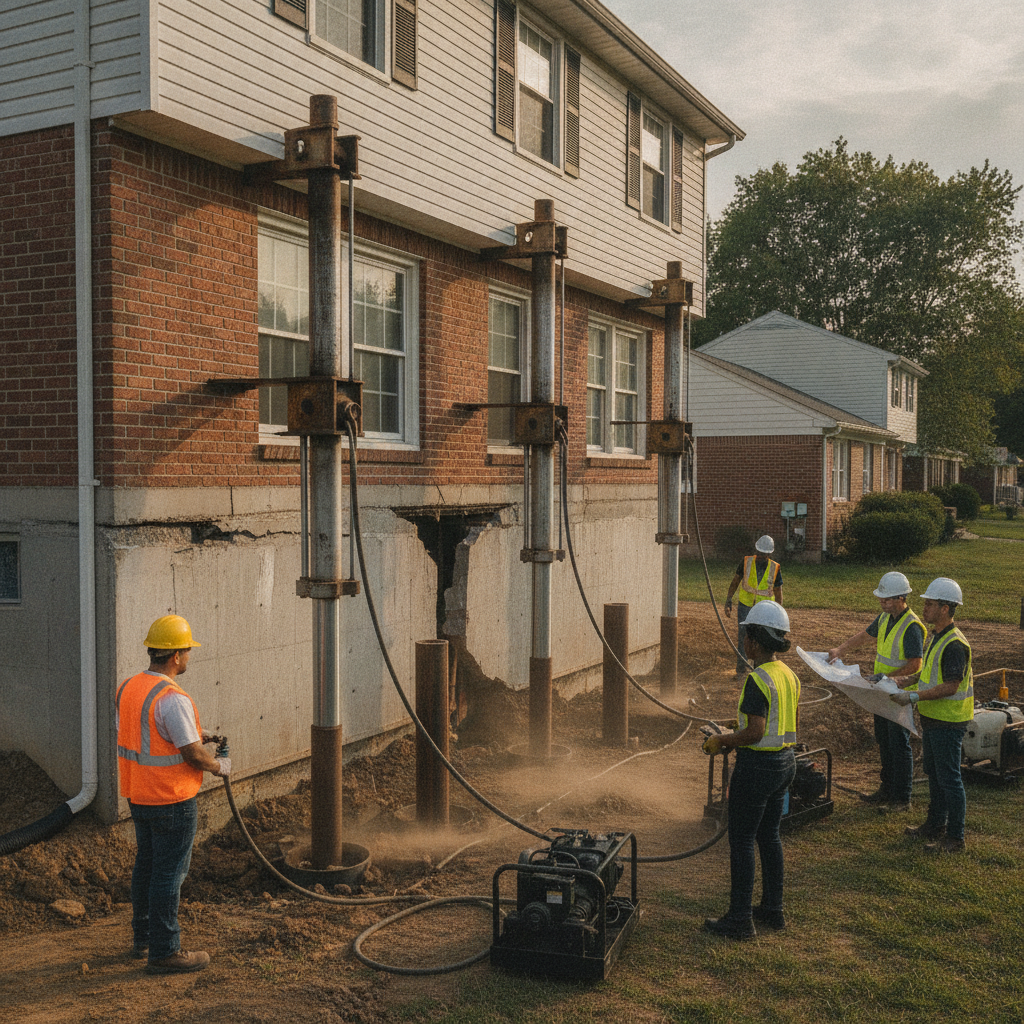
With polyurethane deep injection, specialists drill small holes through your foundation and into the soil below. Then, they pump a special, expanding polyurethane foam into those holes. This isn’t just any foam; it’s engineered to expand quickly, filling voids in the soil, compacting the loose soil around it, and gently lifting the foundation back to a stable position. It’s a bit like giving your home a super-strong, waterproof cushion that’s bonded right to the earth below. The goal is to make the foundation stable and the surrounding soil much stronger, reducing its vulnerability to our tricky NC clay.
- Precision Lifting: The injection process is carefully monitored to ensure controlled lifting, preventing over-correction.
- Soil Compaction: As the foam expands, it compacts loose soil, increasing its load-bearing capacity.
- Void Filling: It fills any empty spaces under the foundation that might have formed due to soil washout or settlement.
- Water Resistance: The cured foam is hydrophobic, meaning it won’t degrade in water and actually helps repel it.
A Real-Life Moment: Peace of Mind in Greensboro
I remember talking to a couple, Sarah and Mark, who live in an older home near downtown Greensboro. They’d been battling some significant foundation settlement for years. They actually had a couple of doors that wouldn’t close properly, and the floors felt noticeably sloped in one section of the house. They were convinced they’d need a massive, disruptive repair project.
When they finally called in Piedmont Foundation Repair, the team assessed their situation and recommended polyurethane deep injection. Mark was skeptical at first, wondering if it would really be `effective` enough for their `NC clay` issues. But the process was surprisingly quick and much less invasive than they imagined. Within a few days, their doors were closing smoothly, and the floor felt solid again. They told me the best part wasn’t just the fix itself, but the peace of mind knowing that their home was stable again without turning their yard into a construction zone. It really made a difference for them.
What You Can Do Next
So, to answer the big question: is polyurethane deep injection foundation repair effective in NC clay? From what I’ve seen and heard, yes, it absolutely can be a fantastic solution for addressing `settling foundations` in our challenging soil conditions. It’s not just about lifting; it’s about stabilizing the very ground beneath your home.
If you’re noticing those tell-tale signs – cracks, sticking doors, uneven floors – don’t just let it fester. Early action can save you a lot of headache and money down the road. Why not reach out to a trusted local expert?
Piedmont Foundation Repair has a lot of experience with our specific `North Carolina` soil. They can give you an honest assessment of what’s going on with your foundation and whether polyurethane deep injection is the right fit for your home. Seriously, a quick chat or a professional inspection could be the best thing you do for your home this June.