
Ever walked across your living room and felt a slight dip? Or maybe you’ve noticed a tiny crack in your floor that seems to be getting… bigger? (Trust me, I’ve seen that anxious look before.) Earlier this week, I was grabbing a coffee at a spot in Charlotte’s South End, and the guy next to me was practically whispering into his phone about cracks appearing in his garage slab. He was really worried about what it would cost to fix, and honestly, who wouldn’t be? It got me thinking about something we often push to the back of our minds until it becomes a real headache: the best foundation repair method for settling slab in Charlotte, NC.
Let’s Clear Something Up: What’s Going On When Your Slab Settles?
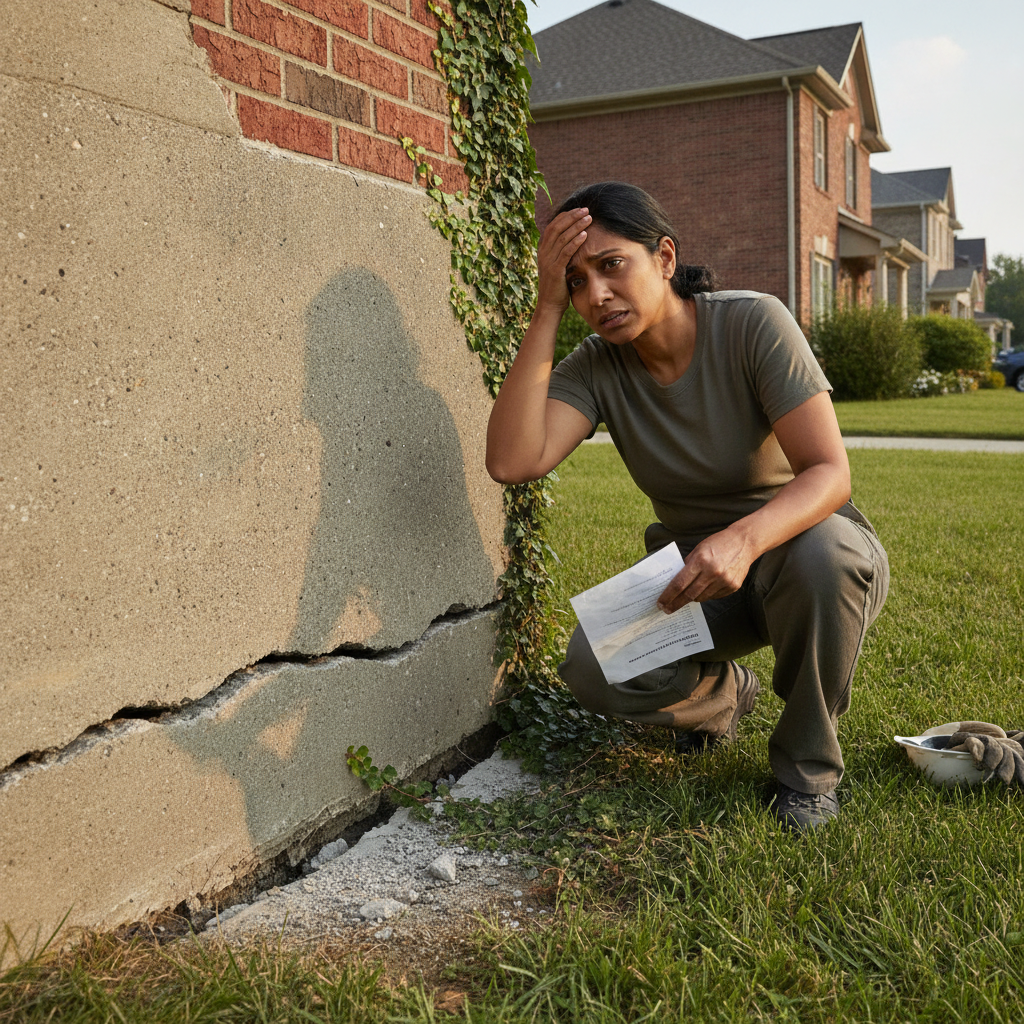
So, what exactly is a “settling slab”? Picture your home’s concrete foundation or garage floor. It’s supposed to be level, right? But over time, the soil underneath can shift, expand, or contract, especially with all the rain and heat we get here in North Carolina. When that happens, your slab doesn’t have the even support it needs, and it starts to sink or tilt in places. This isn’t just an ugly cosmetic problem; it can lead to bigger issues like wall cracks, uneven floors (a tripping hazard, let’s be real), and even problems with your plumbing. It’s like the earth beneath your house is playing a slow, not-so-funny trick on you.
Here’s What I’ve Learned About Fixing It
When it comes to fixing a settling slab, there isn’t a one-size-fits-all magic bullet. (I don’t know if there’s a single ‘best’ for everyone, but there are definitely *right* methods for *your* situation.) What’s right for your neighbor might not be what you need. It really depends on why the slab is settling, how bad it is, and the type of soil you’re dealing with. But here are the main approaches:
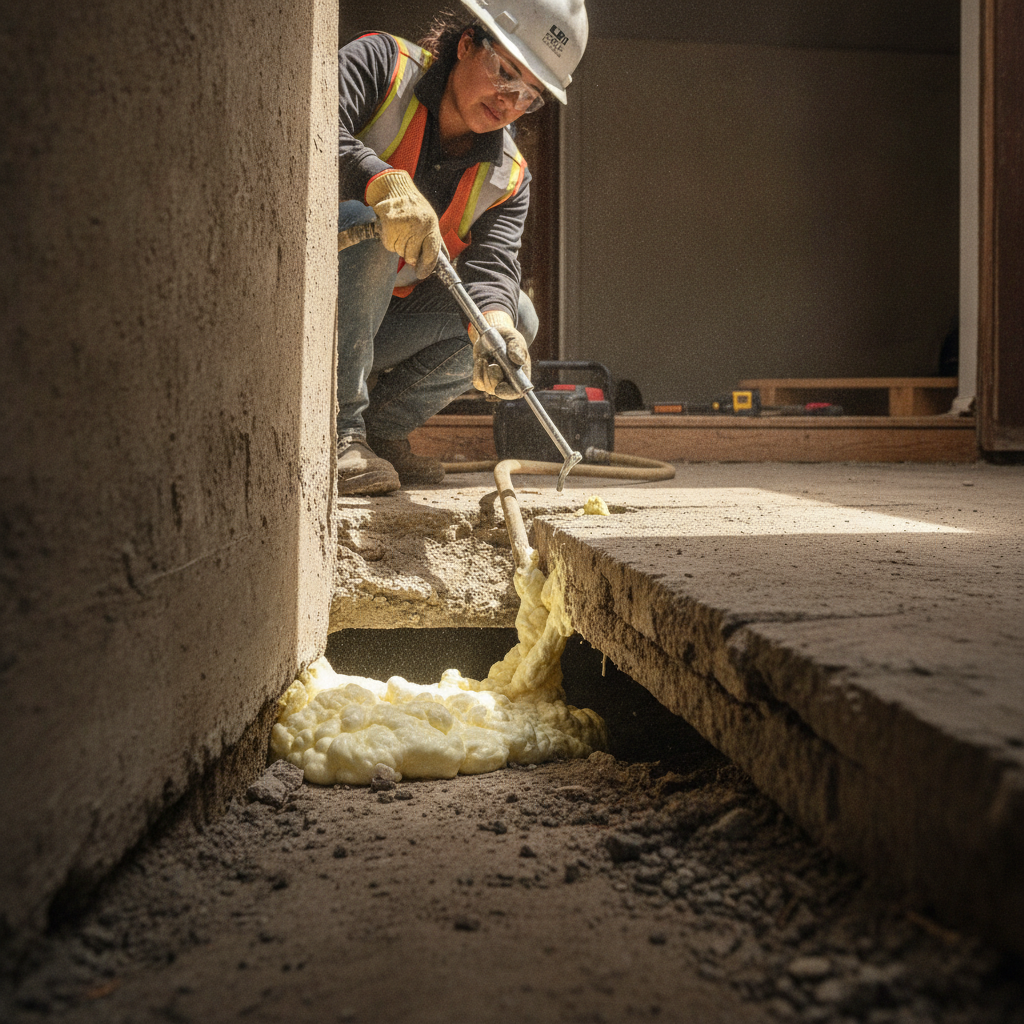
- Slab Jacking (Mudjacking) or Polyurethane Foam Injection: This is often a go-to for concrete slabs that haven’t dropped too much. Essentially, small holes are drilled into the slab, and a material (either a cement slurry for mudjacking or an expanding polyurethane foam) is pumped underneath. This material fills voids and lifts the slab back into place. The foam is newer, lighter, and cures faster, which is pretty neat.
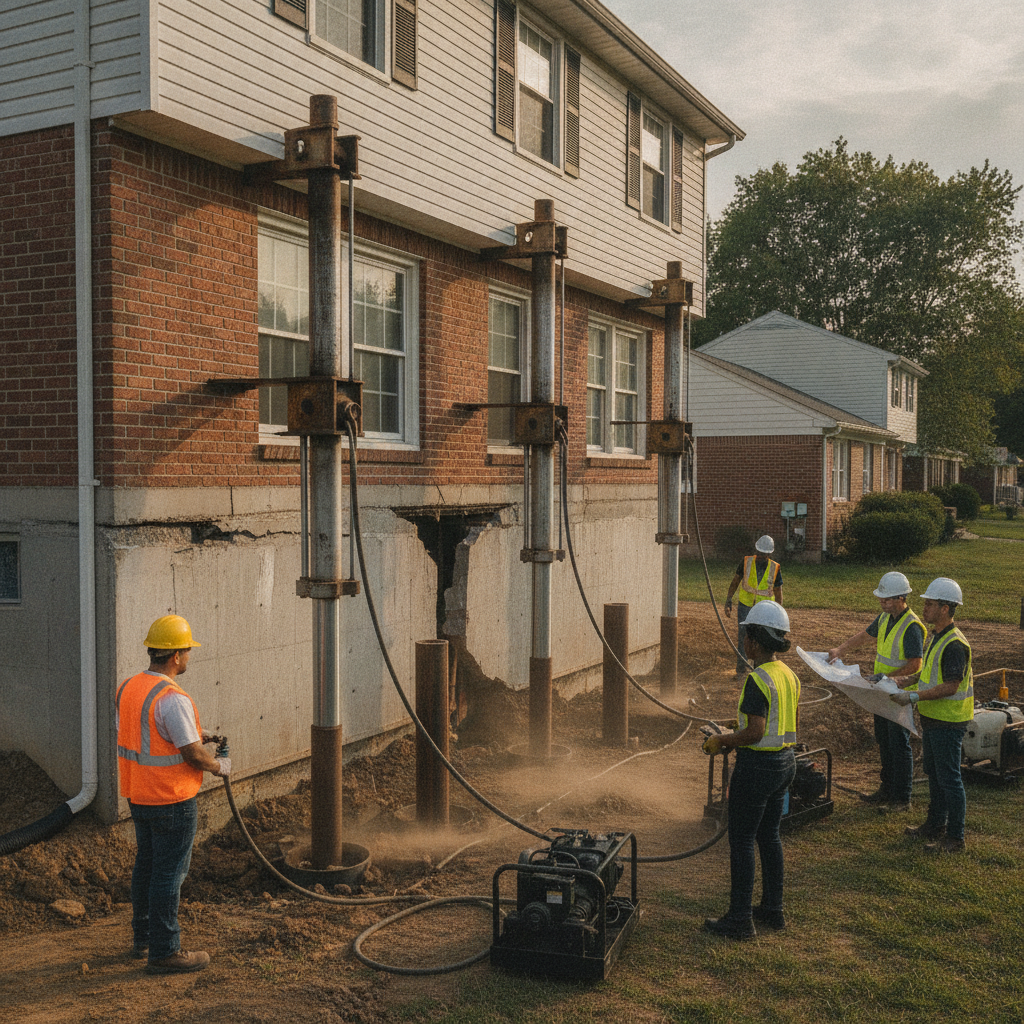
- Helical Piers or Push Piers: For more significant settlement, especially when the soil issues are deeper, piers might be the answer. These are steel supports driven deep into the ground until they hit stable bedrock or load-bearing strata. Then, they’re used to lift and stabilize the settling slab. It’s a more involved `foundation repair method`, but it offers a robust, long-term solution.
- Spot Repairs/Patching: Sometimes, if it’s just a small, isolated crack without significant settlement, surface repairs might be enough. But this is more of a band-aid if the underlying issue isn’t addressed.
The key is getting a professional to figure out the root cause. Without that, you’re just guessing, and foundation problems are too serious for guesswork.
A Real-Life Moment in Charlotte, NC
I remember talking to a homeowner named Sarah a while back, she lives in the Dilworth neighborhood. She called Piedmont Foundation Repair because she noticed her kitchen floor, which was on a slab, felt spongy and had a long crack spreading from the pantry. She was convinced she’d need a whole new foundation. The team from Piedmont came out, did a thorough inspection, and explained that her `settling slab` was due to soil washout from a leaky pipe that had gone unnoticed. They recommended polyurethane foam injection, along with fixing the pipe, of course. They injected the foam, which not only lifted the slab back to level but also sealed the void. Sarah told me it was done in less than a day, and the difference was night and day. She was thrilled not to have to redo her entire kitchen.
What You Can Do Next
If you’re noticing signs of a `settling slab` in your `Charlotte, NC` home, don’t wait. Those little cracks have a funny way of turning into big problems, and tackling them sooner can save you a lot of stress and money down the line. The best way to understand the `best foundation repair method` for your specific situation is to get a professional evaluation. You’ll want someone who knows the unique soil conditions and building types we have around here.
If this sounds like your house, reach out to an expert. Companies like Piedmont Foundation Repair specialize in diagnosing and fixing these kinds of issues every day. They can provide an assessment and walk you through the options, helping you understand exactly what’s needed to get your home back on solid ground. Seriously, your peace of mind (and your home’s value) is worth it!