
I was over at a friend’s place near South End the other day, enjoying some coffee (it was a surprisingly chilly November morning, even for Charlotte, which felt a bit odd for late 2026), when I noticed it. Just a slight dip in their dining room floor as I walked to the kitchen. Nothing major, but enough to make me pause. It got me thinking: If you’re wondering how to fix sagging floors above crawl space in Charlotte, you’re definitely not alone. It’s a pretty common call we hear, actually.
The Root of the Problem: Why Floors Start to Sag
You know that feeling when you step onto a floor, and it just doesn’t feel… solid? That little bounce or slope can be super unsettling. But why does this even happen, you ask? Well, most of the time, when we talk about sagging floors, we’re really talking about what’s going on underneath your home in the crawl space.
Here’s the thing: your floors are supported by a system of joists and beams, which in turn are supported by your home’s foundation. Over time, a few different culprits can cause these supports to weaken or shift:
- Moisture Mayhem: Living in a humid place like Charlotte, crawl spaces are often a battleground against moisture. Too much dampness can lead to wood rot in those crucial floor joists and support beams. When wood rots, it loses its strength and starts to bend or sag.
- Pest Problems: Termites love damp wood. If they set up shop in your crawl space, they can munch through your structural wood, leaving it hollow and weak.
- Inadequate Support: Sometimes, homes simply weren’t built with enough support for the weight they’re carrying, especially in older homes or if modifications (like adding heavy appliances or remodeling) have been made without beefing up the floor system.
- Foundation Settlement: This is a bigger one. If your home’s foundation itself is settling unevenly, it can pull everything else with it, including your floor supports.
Honestly, a sagging floor isn’t just an eyesore or an annoyance; it can be a red flag that something more significant is happening structurally. And nobody wants that!
How to Tackle Sagging Floors in Your Charlotte Home
So, you’ve got a sagging floor. Now what? Let’s make this simple. The first, and most crucial, step is to get a professional to look at it. Trust me, this isn’t a DIY weekend project you want to take on with a YouTube tutorial. (Unless, of course, you’re a structural engineer with years of experience, and if so, more power to you! Most of us aren’t, though.)
When you call in the pros, like the team at Piedmont Foundation Repair, they’ll do a thorough inspection of your crawl space. They’re looking for things like:
- Damaged or rotted floor joists and beams.
- Signs of moisture or water intrusion.
- Pest activity (eek!).
- Weak or improperly spaced support piers.
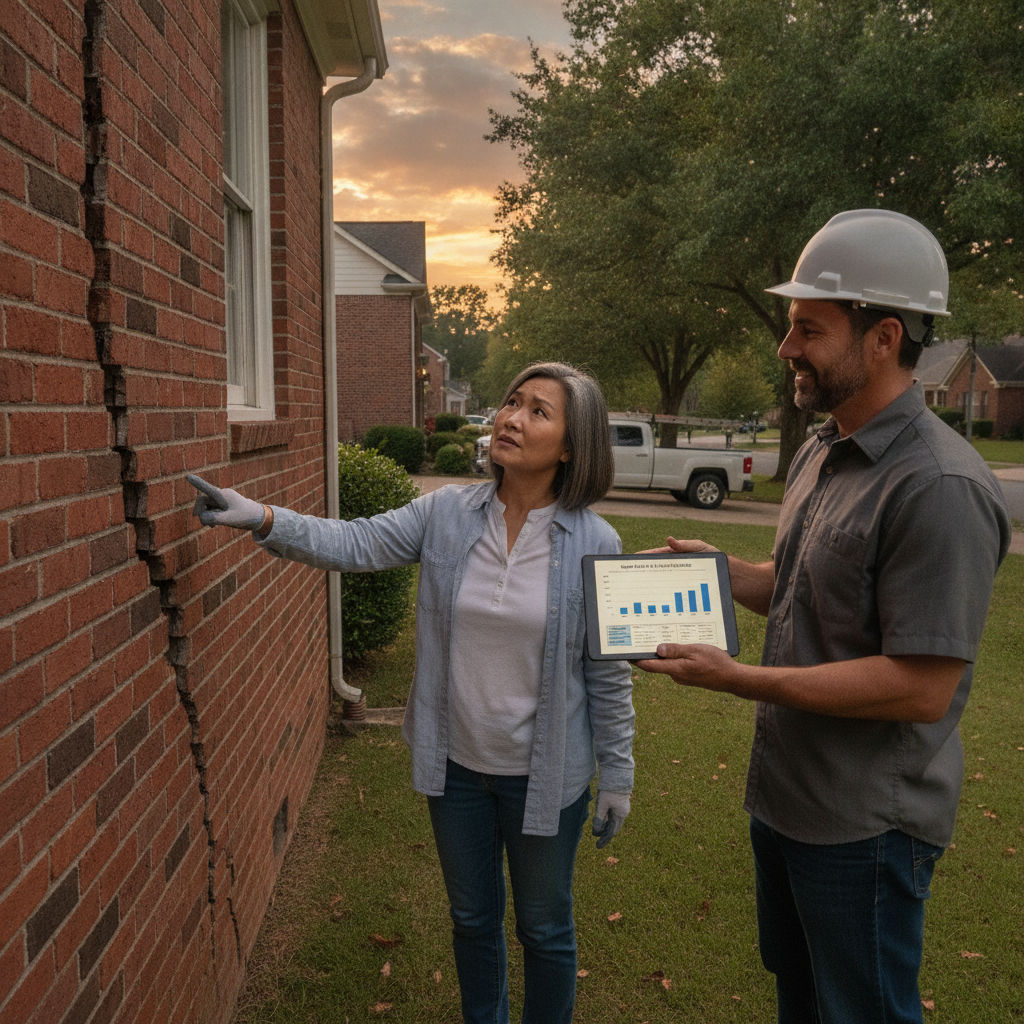
- Any indications of foundation settlement.
Once they figure out the cause, they’ll recommend the right fix. Common solutions often include:
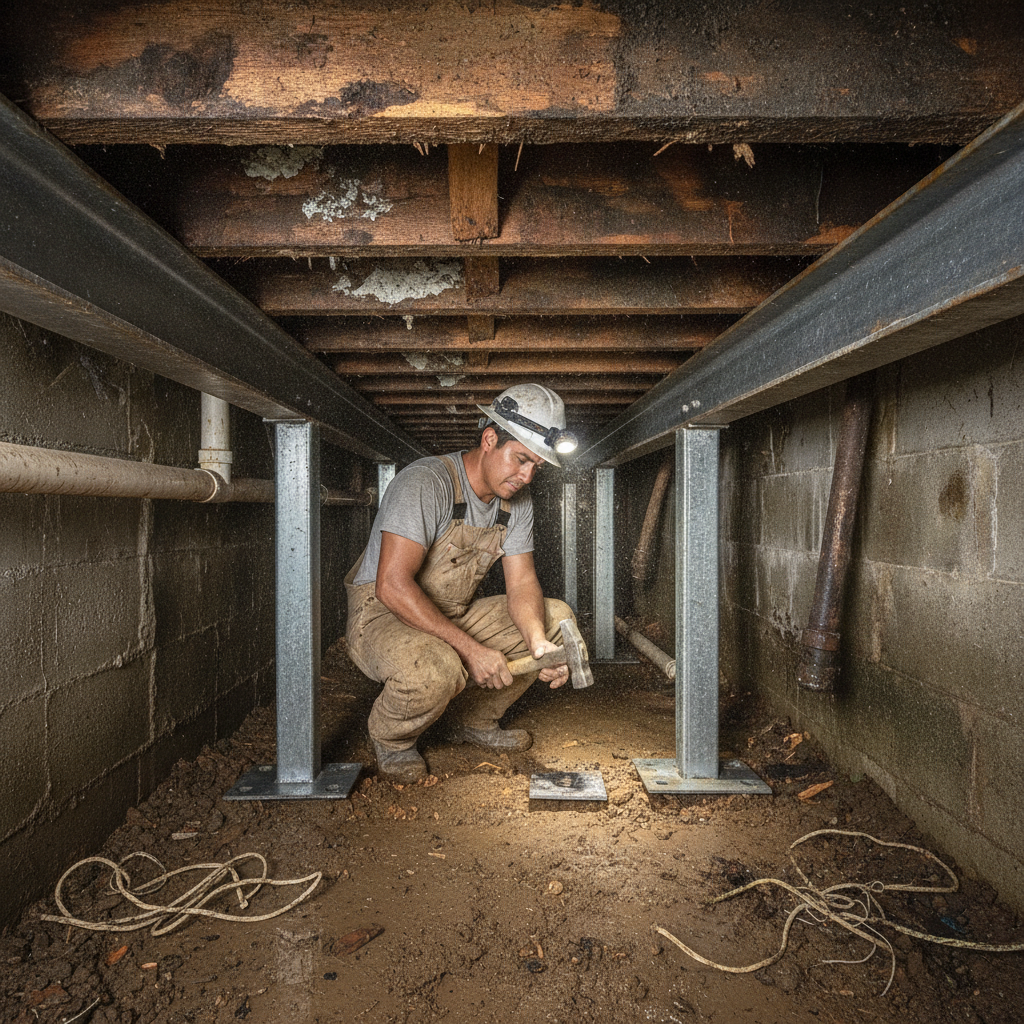
- Supplemental Beams or Girders: Adding new steel or wood beams to provide extra support directly under the sagging areas.
- Adjustable Support Piers: Installing new, sturdy piers in your crawl space that can be adjusted to gently lift the sagging floors back into place over time.
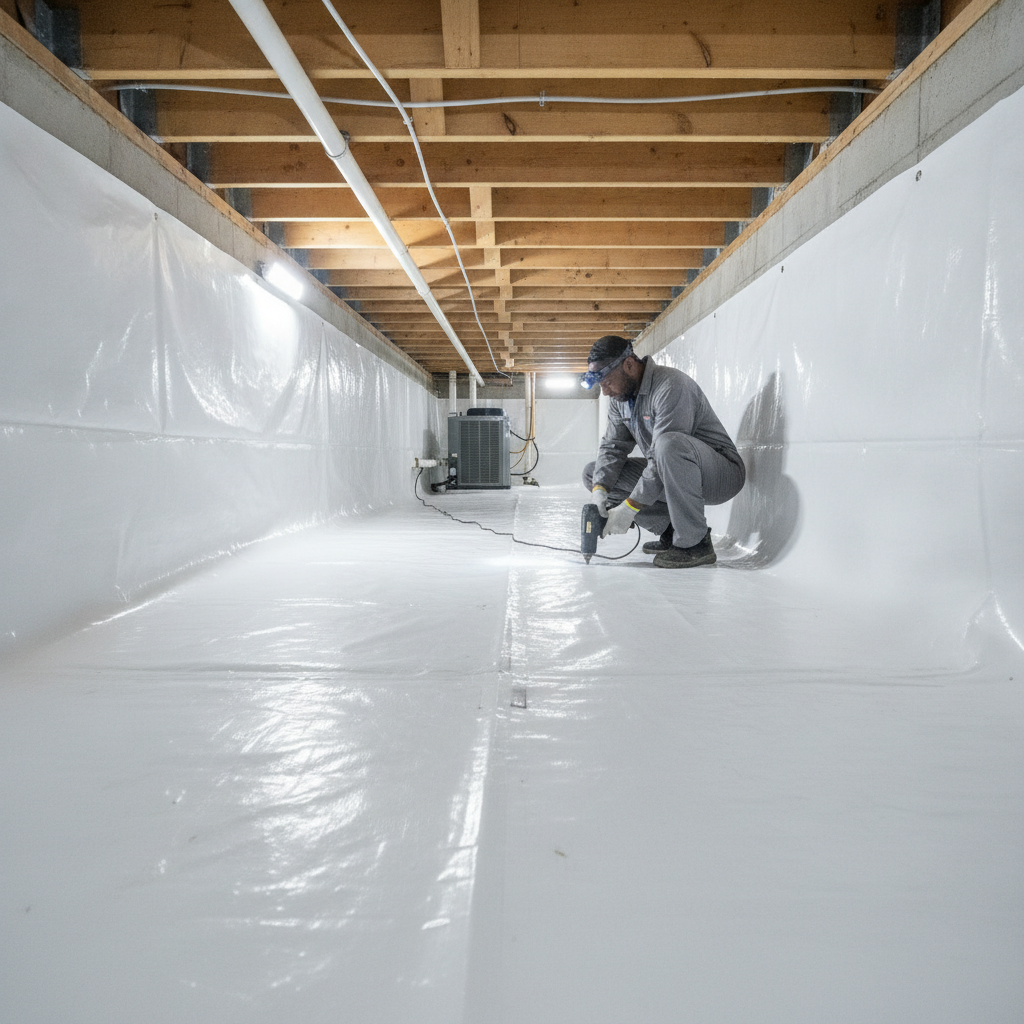
- Crawl Space Encapsulation: This doesn’t directly fix sagging, but it’s often a preventative measure. By sealing off your crawl space from moisture, you can prevent future wood rot and pest issues, which helps keep those floors stable.
- Foundation Repair: If the sagging is due to a settling foundation, then the repair will focus on stabilizing the foundation itself, which will, in turn, resolve the floor issues.
A Real-Life Moment
I remember talking to a homeowner, let’s call her Sarah, who lives in an older brick home over in Dilworth. She’d been living with a noticeable dip in her living room floor for years, just kind of assuming it was “part of an old house.” But earlier this year, the dip got worse, and she even noticed a slight crack appearing in the drywall above it. When she called Piedmont Foundation Repair, they found a couple of things:
First, some of her original wooden support posts in the crawl space had started to lean and rot due to years of ground moisture. Second, the spacing between some of her floor joists was just too wide for the load they were carrying, especially after she’d replaced some old furniture with heavier pieces.
Piedmont’s team installed several new, adjustable steel support piers and reinforced a few of the main girders. It wasn’t an overnight fix, as they lifted the floors gradually to avoid stressing the house too much, but within a few months, Sarah’s living room floor was level again. And honestly, she said the peace of mind knowing it was truly fixed was worth every penny.
What You Can Do Next
If your floors are feeling a bit off – whether it’s a subtle slope or a noticeable bounce – don’t just ignore it. When it comes to how to fix sagging floors above crawl space, especially here in Charlotte where moisture can be a real factor, getting an expert opinion early can save you a lot of headache (and money!) down the line.
Don’t wait for it to become a bigger, more expensive problem. If you’re noticing any signs of uneven or sagging floors, give a local expert like Piedmont Foundation Repair a call. They can come out, take a look, and give you a clear picture of what’s going on and exactly what it would take to get your home feeling solid and stable again. It’s a small step that can make a huge difference in the long-term health of your home.