
Essential Guide to Effective Basement Waterproofing: Protect Your Home from Water Damage
Introduction
Ah, the basement—a sanctuary for long-forgotten family heirlooms, seasonal decorations, and, let’s be honest, the occasional set of old bowling trophies. While it can be a treasure trove of memories, it can also turn into a water-logged nightmare if proper precautions aren’t taken. With that in mind, this essential guide to effective basement waterproofing will walk you through the steps to help protect your home from the clutches of water damage. After all, who wants to wade through their belongings after a heavy rain? Let’s dive into the depths of waterproofing wisdom!
Understanding the Importance of Waterproofing
Water damage is not just an inconvenience; it can lead to significant structural problems, mold growth, and serious health concerns. In fact, according to the Environmental Protection Agency (EPA), indoor air quality can suffer dramatically when moisture levels are high due to mold spores. Not to mention the musty smell that could rival your teenager’s gym bag! So, don’t let this be your story—investing time and resources into effective basement waterproofing is crucial.
Recognizing the Signs of Water Issues
Before we roll up our sleeves and delve into the waterproofing process, it’s essential to recognize the signs that your basement may already be facing water issues. Here are some indicators that suggest your subterranean space needs a little TLC:
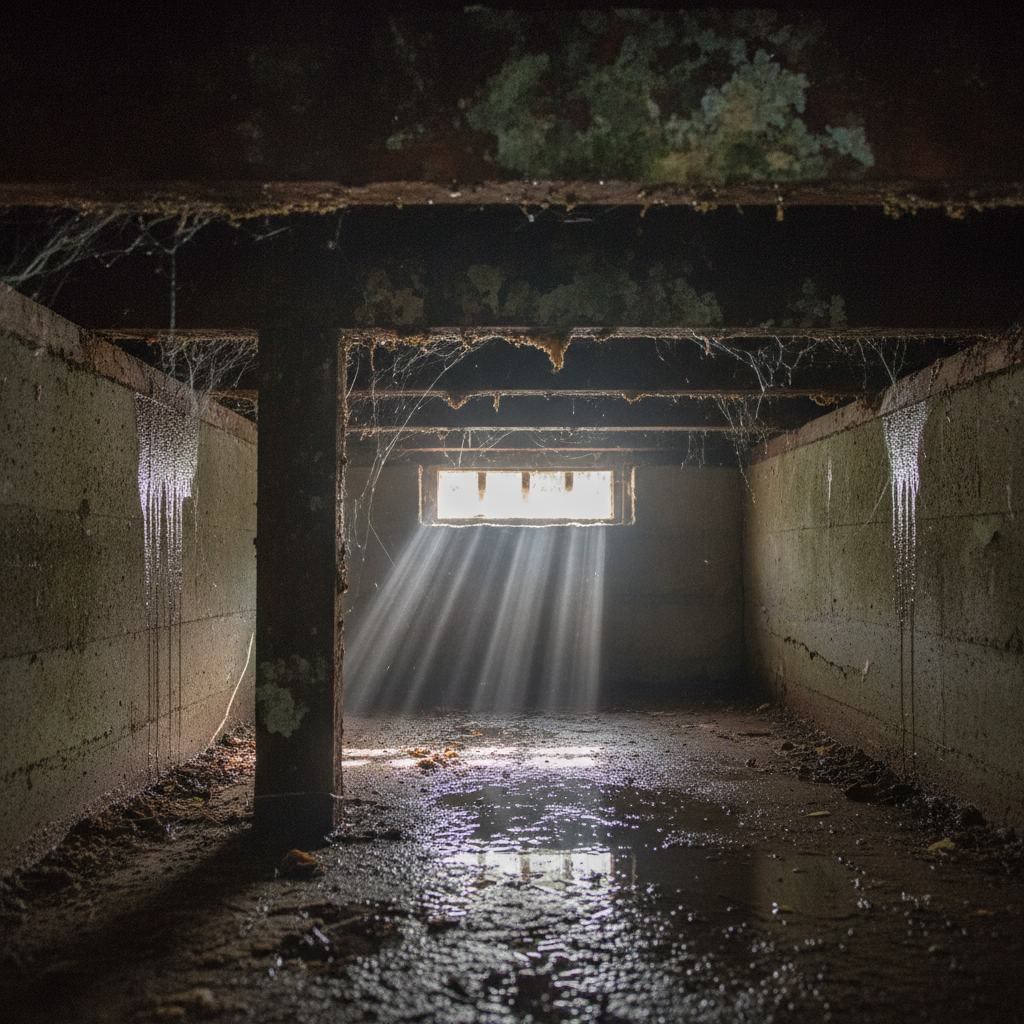
1. **Visible Water Stains**: If your walls resemble a Jackson Pollock painting with brownish-yellow stains, you’ve got a problem.
2. **Mold and Mildew**: Finding mold or mildew is akin to receiving a rude invitation to a party you never wanted to attend. It signals moisture buildup.
3. **Damp or Musty Odors**: If your basement smells like a damp sponge, it’s time to take action.
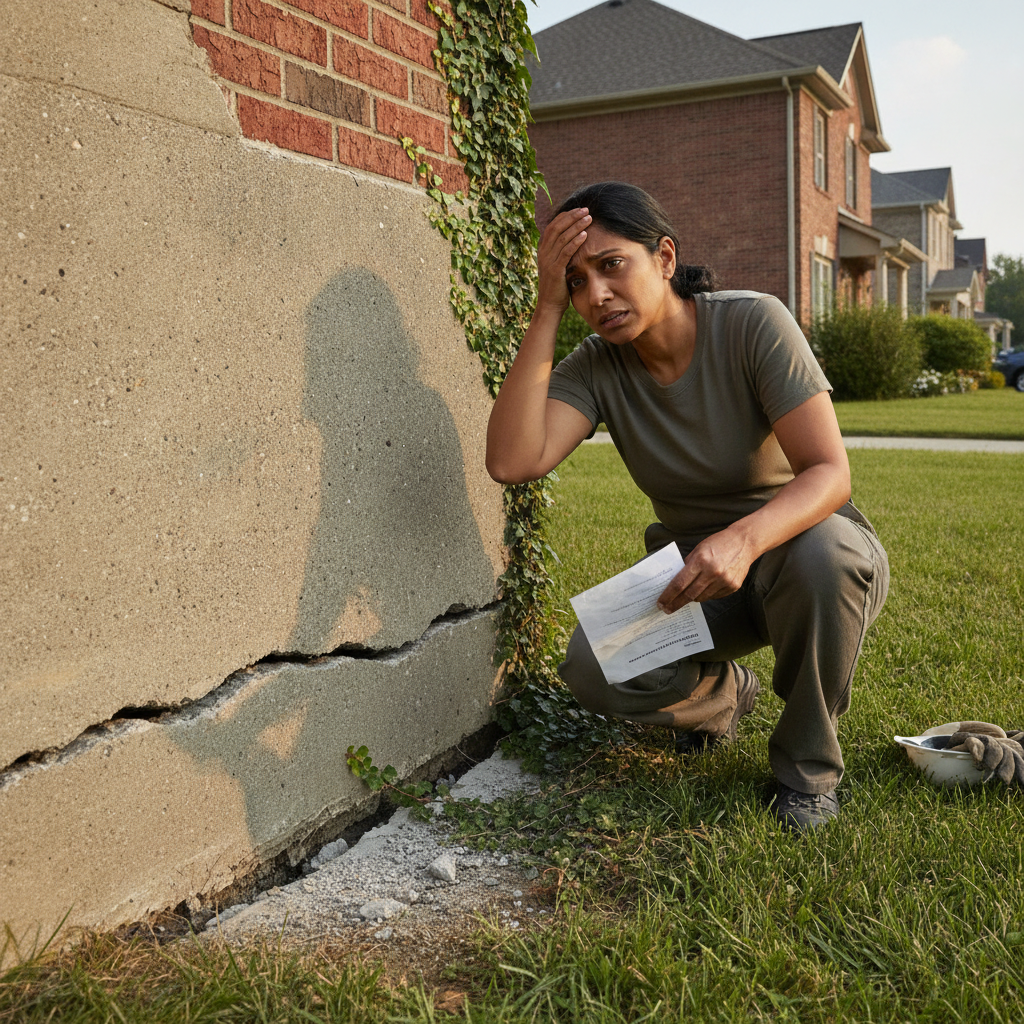
4. **Cracks in the Walls or Floor**: Hairline cracks may seem harmless, but they can let in more than just a draft.
5. **Puddles on the Floor**: If your basement has more water features than a luxury spa, you definitely have a problem!
Now that we’ve identified the signs, let’s talk solutions.
Types of Basement Waterproofing
There are several methods for waterproofing your basement, each suited for different situations. Here’s a breakdown to get your gears turning:
1. **Interior Waterproofing**: This method includes sealing walls and floors, installing drainage systems, and even using dehumidifiers. It’s usually the first line of defense against moisture intrusion.
– **Sealants**: A good sealant can keep moisture at bay, but it’s important that the surface is clean and dry before application. Think of it as giving your basement a nice protective coat—like putting a rain jacket on before stepping outside in unpredictable weather.
– **Drainage Systems**: Interior drainage systems, such as French drains, redirect water away from your foundation. They’re like tiny highways for water—only, you definitely don’t want them congested!
2. **Exterior Waterproofing**: If you’re dealing with severe moisture issues, exterior waterproofing might be necessary. This technique involves digging around the foundation to apply waterproof membranes and improve drainage.
– **Excavation**: This can be a labor-intensive option but offers a thorough defense against groundwater. Just think, you’ll get to play in the dirt—what kid doesn’t love that?
– **Grading**: Ensuring that the ground around your home slopes away from the foundation is crucial. Mother Nature doesn’t always play nice, so creating a solid slope can redirect rainwater efficiently.
3. **Crawl Space Encapsulation**: If your home has a crawl space, encapsulation can help keep moisture at bay. This is akin to wrapping your home in a giant plastic burrito, but without the guacamole.
– **Vapor Barriers**: Installing a vapor barrier on the walls and floor of your crawl space will prevent moisture from seeping into the living space above.
4. **Sump Pumps**: When all else fails, a sump pump can be your last line of defense. Installed in the lowest point of your basement or crawl space, it actively pumps out water that accumulates.
– **Battery Backup Systems**: These are a smart choice for homeowners, ensuring that your sump pump keeps running even during power outages. Because, let’s face it, nobody wants their basement to resemble an indoor swimming pool while the lights are out.
DIY vs. Professional Help
Once you’ve assessed your waterproofing approach, you’ll need to decide whether to tackle this project yourself or call in the pros. Here’s a quick rundown of considerations:
– **DIY**: If you’re handy and enjoy tackling projects, many interior waterproofing methods are manageable. However, make sure you understand the risks involved—like, are you really equipped to dig a trench around your house without hitting utility lines?
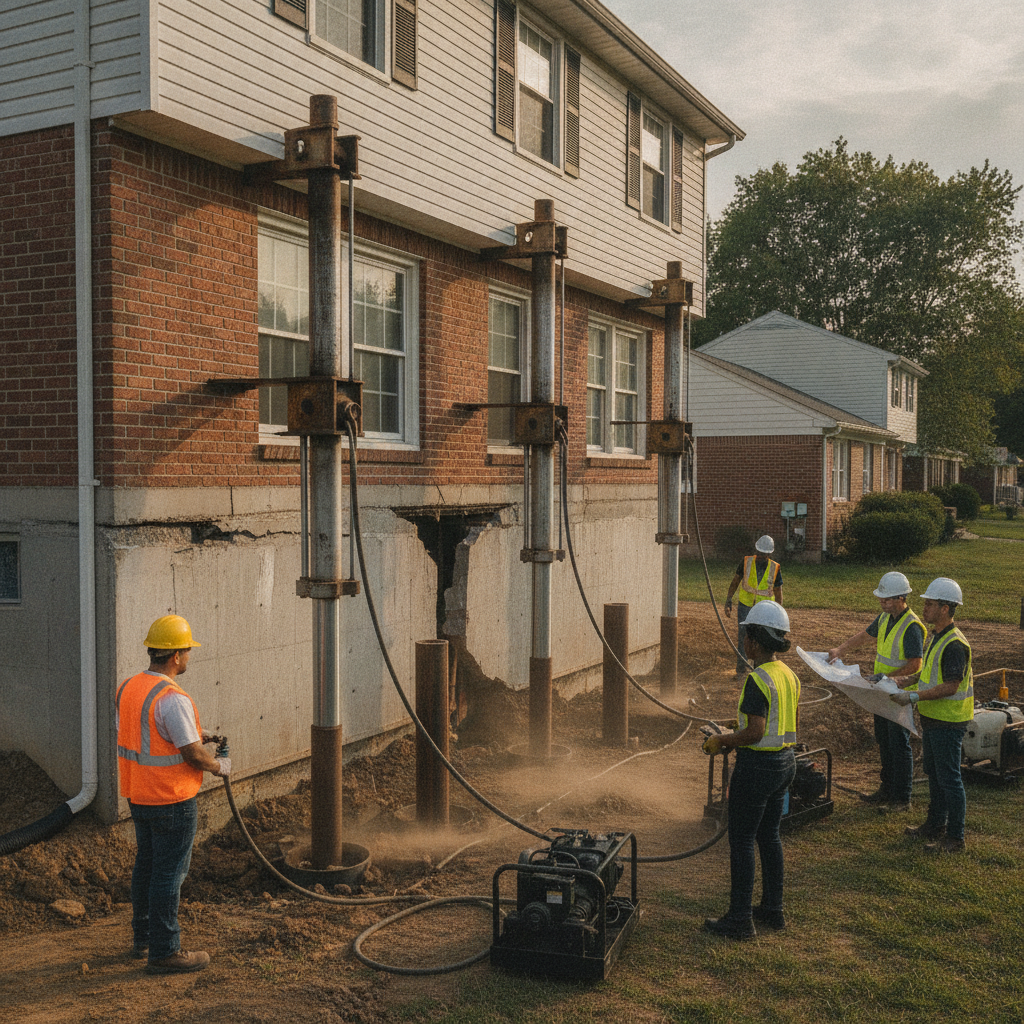
– **Professional Help**: For extensive issues, hiring a professional may be the best course of action. Look for licensed contractors who specialize in waterproofing. They can evaluate the extent of the damage and recommend tailored solutions.
Prevention Techniques
Once you’ve waterproofed your basement, it’s vital to stay ahead of potential issues. Here are some tips to keep your basement dry for years to come:
1. **Regular Inspections**: Make it a routine to inspect your basement periodically, particularly after heavy rains. Early detection is key!
2. **Maintain Gutters and Downspouts**: Ensure gutters are clear of debris and downspouts direct water away from your foundation. This isn’t just a chore; think of it as a friendly handshake between your roof and your basement.
3. **Landscaping and Grading**: Keep shrubbery and plants at least two feet away from your foundation. Create a slope in flower beds to encourage proper drainage. Your plants deserve to thrive, but not at the expense of your basement!
4. **Monitor Humidity Levels**: Use a dehumidifier to keep humidity levels below 60%. This will help prevent mold growth and keep your basement a comfortable place—perfect for binge-watching your favorite shows!
Conclusion
Investing in effective basement waterproofing is like getting health insurance for your home—it helps protect against unforeseen disasters and gives you peace of mind. By understanding the signs of water issues, exploring various waterproofing methods, and committing to preventive measures, you can safeguard your basement from water damage.
So, roll up those sleeves, grab your tools, or reach out to the pros, and let’s show that pesky water who’s boss. Because when it comes to basements, it’s better to be safe than soggy! And remember, a dry basement is a happy basement—or at least a less-musty one.