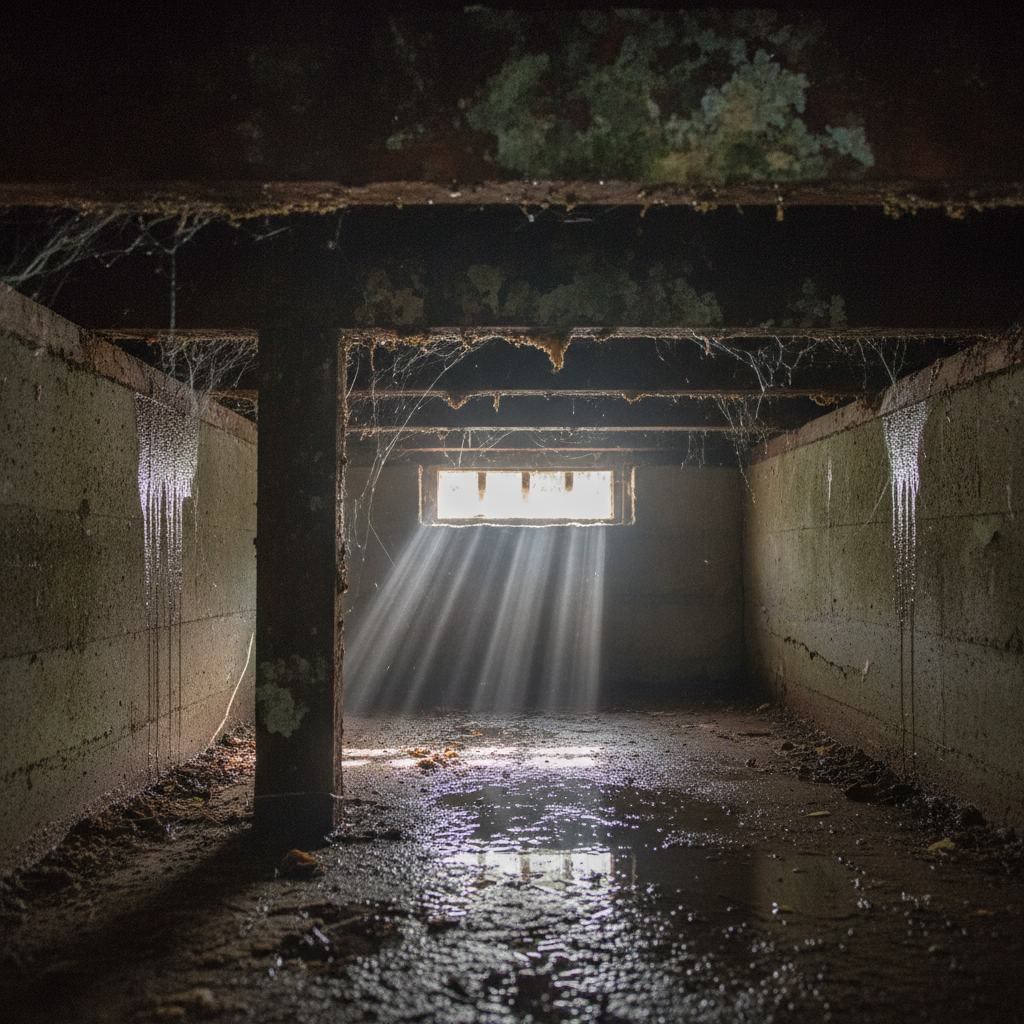

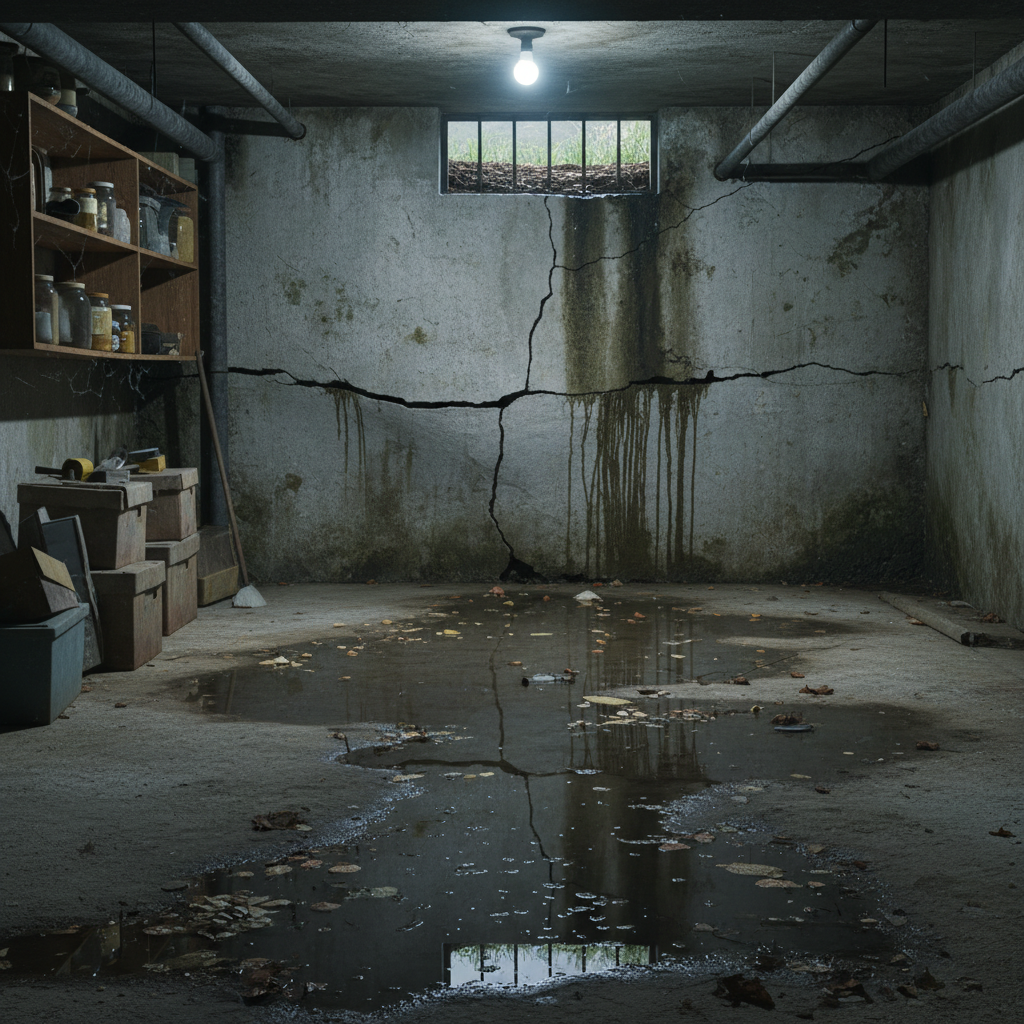
Picture this: you’re enjoying a quiet Saturday morning, maybe sipping coffee on your porch in Asheville, when you decide to head down to the basement. You open the door, and BAM! There’s a damp smell, maybe even a puddle, and those concrete walls look… different. Maybe a little bowed, or worse, cracked. It’s enough to make your stomach drop, right? What you’re probably seeing are the tell-tale signs of hydrostatic pressure doing its dirty work on your North Carolina basement walls.
I was having coffee with a friend in Charlotte the other day, and he was describing a similar situation. He thought it was just a leaky pipe at first. But after a few heavy rains (and we know how North Carolina weather can be, totally unpredictable sometimes!), the problem got way worse. What we talked about was how to stop hydrostatic pressure on basement walls in NC, because it’s a big deal. Essentially, it’s when water builds up in the soil around your foundation and starts pushing against your basement walls. And honestly, those walls can only take so much pressure before they start to give.
Let’s Get Honest for a Second: Why This Matters
You see, when it rains, water seeps into the ground. If your soil doesn’t drain well, or if your yard slopes toward your house, that water collects. Gravity does its thing, and suddenly you have a significant amount of water pressing against your foundation. This isn’t just a minor leak we’re talking about; it’s a force strong enough to crack, bow, or even collapse basement walls over time. The wild part is, it can happen slowly, so you might not even realize the extent of the damage until it’s pretty advanced.
Ignoring it? Not a good idea. That kind of pressure can lead to:
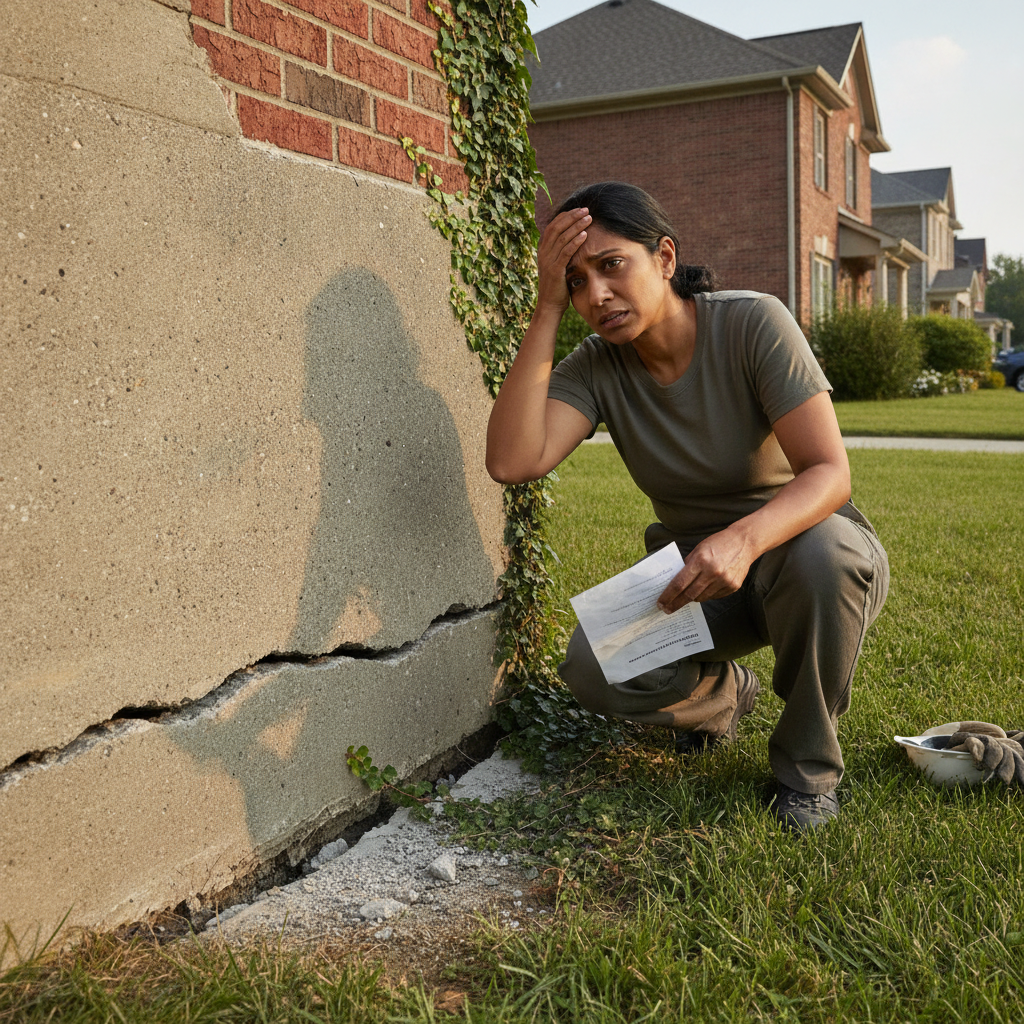
- Cracks in your basement walls (which let more water in, obviously).
- Bowing or bulging walls, a clear sign they’re struggling.
- Water seepage, puddles, and a damp environment that invites mold and mildew.
- Damage to your home’s structural integrity.
Who wants a swimming pool in their basement, right? Plus, all that dampness isn’t great for your health or your stored belongings.
A Closer Look: Stopping Hydrostatic Pressure on Your Basement Walls in NC
So, what can you actually do about it? Luckily, there are proven ways to deal with hydrostatic pressure. It usually involves a combination of strategies, focusing on getting water away from your foundation.
Here are some of the practical steps that often make a big difference:
- Improve Exterior Drainage: This is often the first line of defense. A French drain system, for instance, collects water around the perimeter of your house and diverts it away. It’s a classic for a reason.
- Install Interior Drainage Systems: If water is already getting in, an interior drain tile system, combined with a reliable sump pump, can catch the water as it enters and pump it out before it has a chance to accumulate. It’s like giving the water a path of least resistance *out* of your home.
- Waterproofing Your Walls: Once the water management is handled, applying waterproof coatings or membranes to the exterior or interior of your basement walls can add an extra layer of protection. This acts as a barrier, preventing moisture from seeping directly through the concrete.
- Correct Grading: Take a look at your yard. Does the ground slope away from your house, or towards it? If it’s sloping towards your foundation, you might need to add soil to create a positive slope. This directs rainwater away naturally.
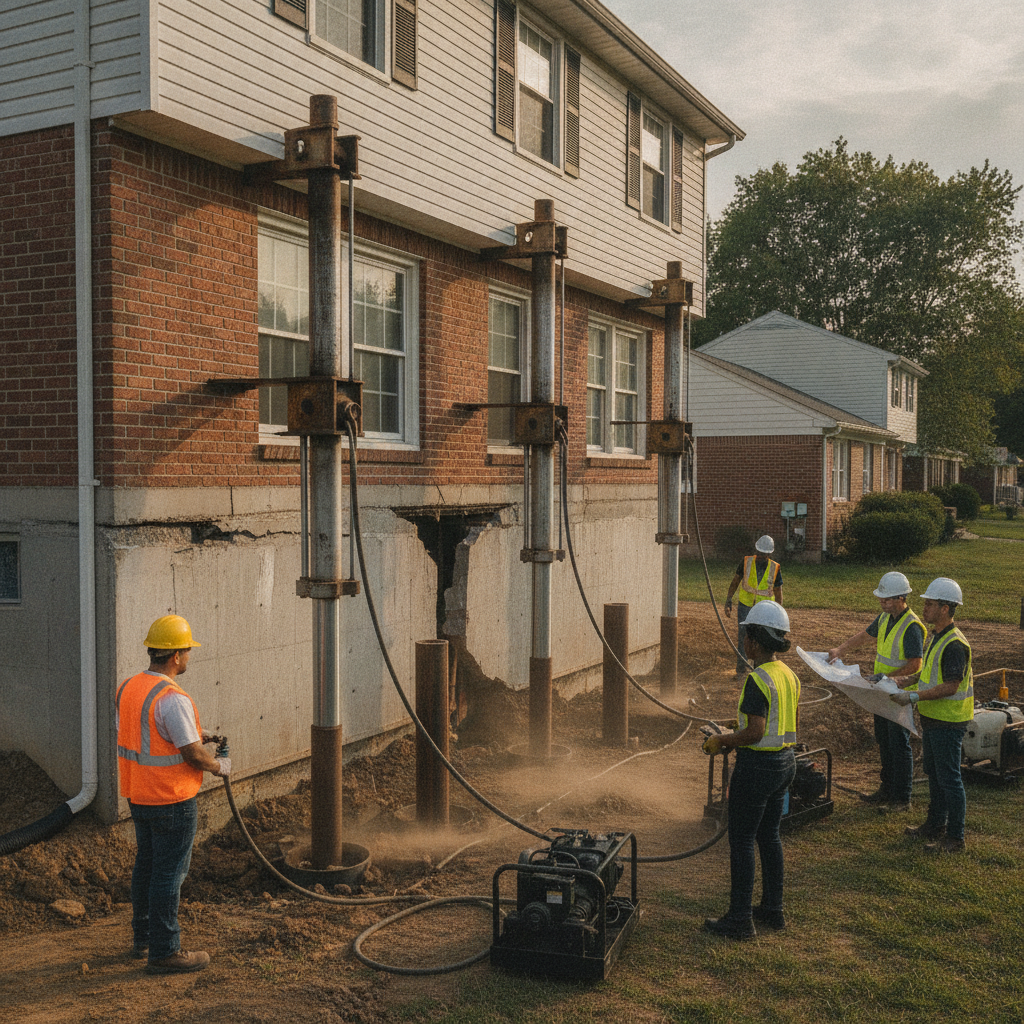
These aren’t DIY weekend projects for most of us (I know I wouldn’t tackle them myself!). This kind of work usually needs professionals who understand the specifics of foundation repair and waterproofing.
A Real-Life Moment in North Carolina
Just a few weeks ago, Piedmont Foundation Repair helped a family in Greensboro, the Millers. They had a finished basement that, every time a big storm rolled through (which, let’s be real, feels like every other week this spring 2026!), would get damp, smelling musty. Mrs. Miller was convinced it was just humidity, but her husband, Mark, noticed a slight bulge in one of their basement walls. Turns out, they had significant hydrostatic pressure building up.
Piedmont Foundation Repair came out, assessed the situation, and recommended an interior drainage system with a sump pump, along with some exterior grading improvements. They explained everything clearly, from the initial cause of the hydrostatic pressure to the solutions, making sure Mark and Mrs. Miller understood each step. Now, their basement is dry, the wall is stabilized, and they can finally enjoy their space without worrying about the next downpour. It was a great reminder of why getting experts involved early makes such a difference.
Here’s the Big Takeaway
Dealing with hydrostatic pressure pushing on your basement walls, especially here in North Carolina where we get all sorts of weather, is crucial for your home’s long-term health. It’s not something to put off. If you’re seeing damp spots, cracks, or bowing walls, it’s a strong signal that water is putting stress on your foundation.
The good news is, you don’t have to figure it all out alone. Companies like Piedmont Foundation Repair specialize in these kinds of challenges. They can help you understand exactly what’s going on and come up with a solid plan to stop hydrostatic pressure on basement walls in NC for good. Don’t wait for a small leak to become a huge problem. Give them a call and get some peace of mind.